Hepper is reader-supported. When you buy via links on our site, we may earn an affiliate commission at no cost to you. Learn more.
How Big Do Parakeets Get? Vet-Verified Weight & Growth Chart


In this article
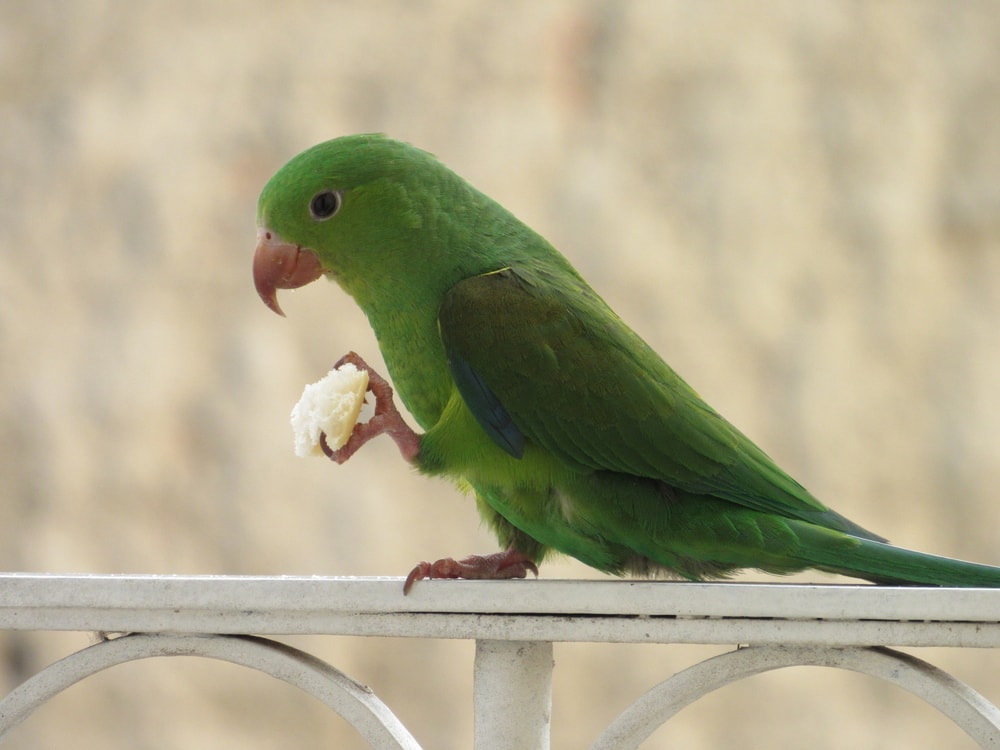
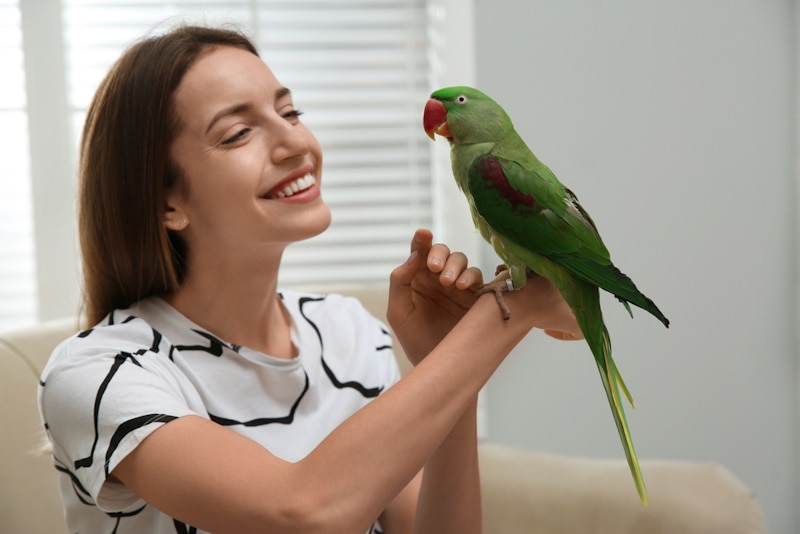
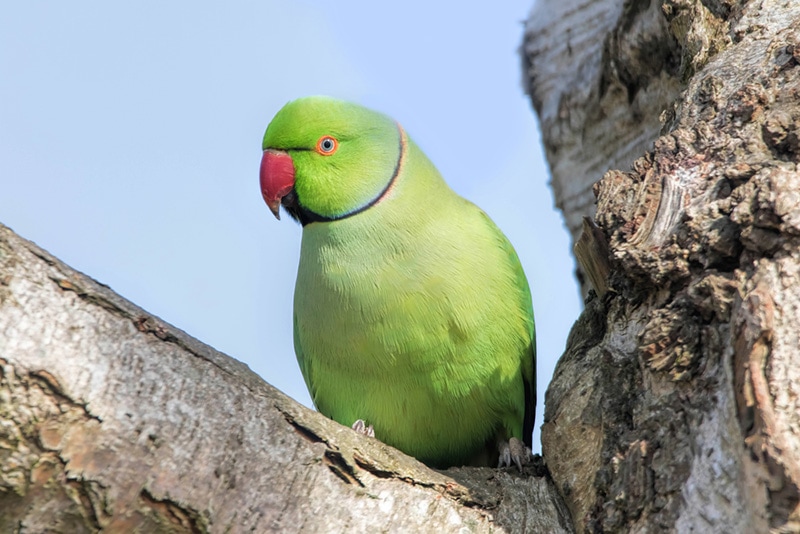
If you’re looking to add a pet to your home but want something a little different to a cat or dog, a parrot might be just the thing. Parrots are fun and affectionate, and can make excellent pets for the right people. One of the most popular pet parrot is the parakeet. But before you consider getting a parakeet, you should know how big one will get so you can be sure you have enough room in your home for them.
How big do parakeets get? These birds are on the small side, averaging 7—8 inches in length and 22—32 grams in weight when fully grown. But many factors can affect just how big a parakeet can get!

Parakeet Overview
The parakeet is one of the most popular birds to have as a pet. Their vivid colors and beautiful patterns brighten up any home, and their personalities are fun and playful. They love to be around their humans and get quite talkative. However, their chattering natures don’t always consist of actual words said clearly, so much as mimicking speech and sounds to the best of their ability. Because of their smaller size, they can do well in apartments and other small spaces, as they don’t require a large cage.
You need to start training these birds early on, though, as they can be quite stubborn and mischievous if left to their own devices. Parrots, including the parakeet, are intelligent and curious creatures, and need a lot of mental and physical stimulation to stay happy and healthy, so it’s important not to think of them as a low maintenance pet option. They thrive on company, so if you’re unable to dedicate time to keeping them entertained, you should get two or three. You should also be aware these birds live between 15 and 20 years (provided they’re given proper care), so owning one is a big commitment.
Parakeet Size and Growth Chart
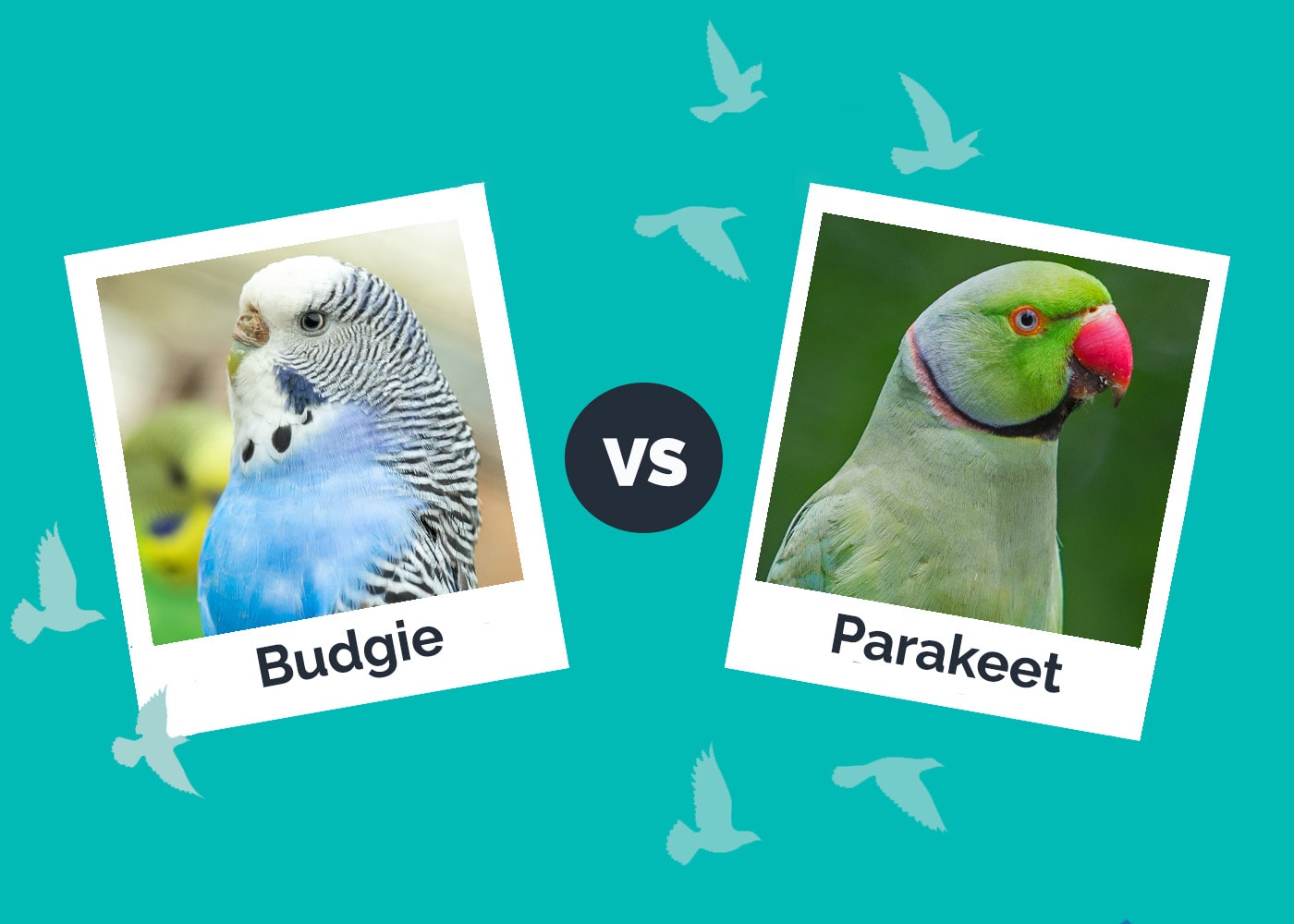
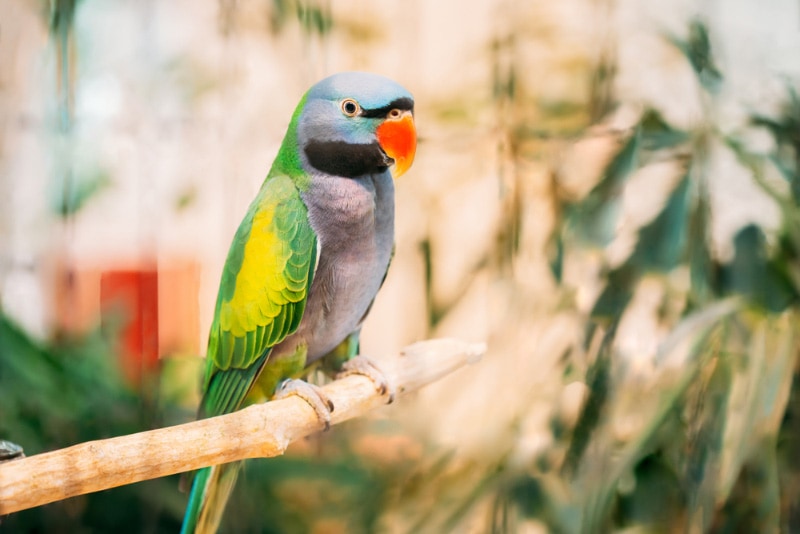
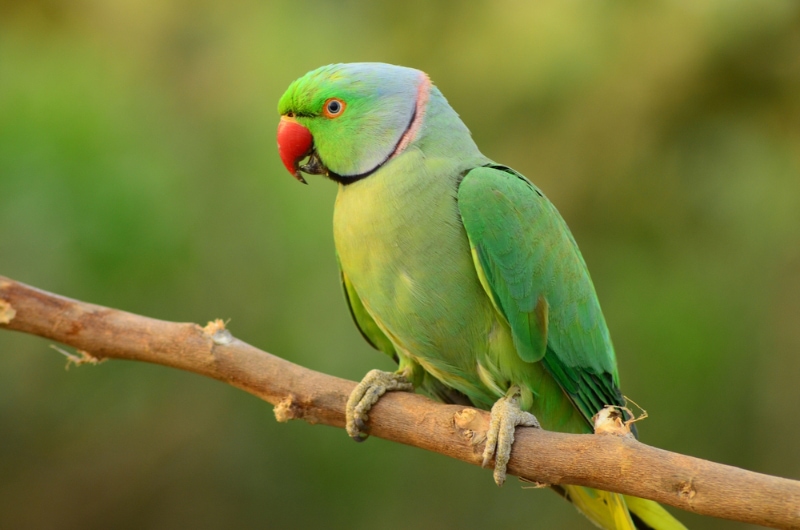
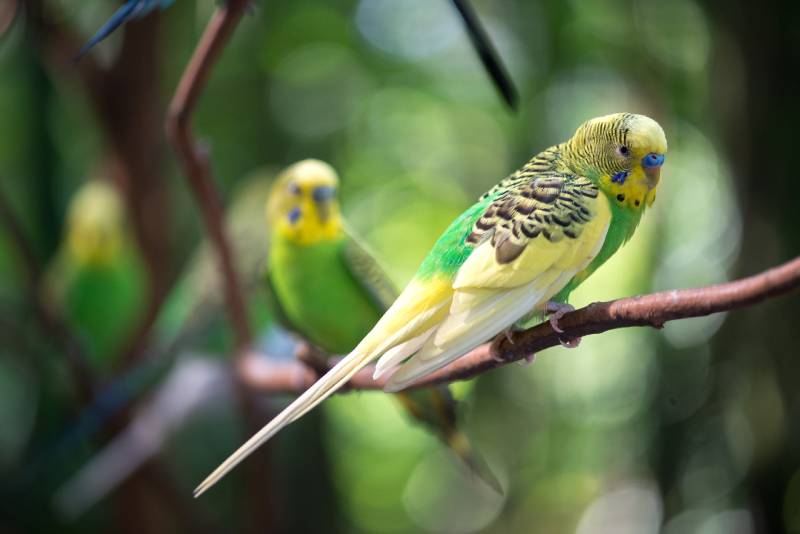
Depending on who you talk to, the classification of ‘parakeet’ actually comprises several species of birds, but often, people use the word parakeet to refer to one specific parakeet species, the budgerigar (Melopsittacus undulatus), so there can be a bit of variation in their size and growth. All parakeets are smaller birds, though, so should all fall into the small to medium-sized range. The weights and lengths below are the averages for parakeets in general.
Parakeets mature relatively quickly, so we’ve broken down the ranges into life stages rather than by age.
| Stage | Weight Range | Length Range |
| Hatchling | 5–7 grams | 2–3 inches |
| Juvenile | 10–15 grams | 4–5 inches |
| Adolescent | 20–30 grams | 6–7 inches |
| Adult | 30–40 grams | 7–8 inches |
When Does a Parakeet Stop Growing?
These birds will reach full maturity by eight months, so they should be fully grown by then. At this point, they should also have had their first molt (around 3 or 4 months) and be eating food independently. They should be wholly weaned and have started to mimic speaking, too.
If you can’t tell by your parakeet’s size whether they are fully grown yet, you can check the eyes to determine an approximate age. An adult parakeet’s irises should be light gray or brown. You can also examine the identification band on the parakeet, which should provide the information you need.
Factors Affecting the Size of Parakeet
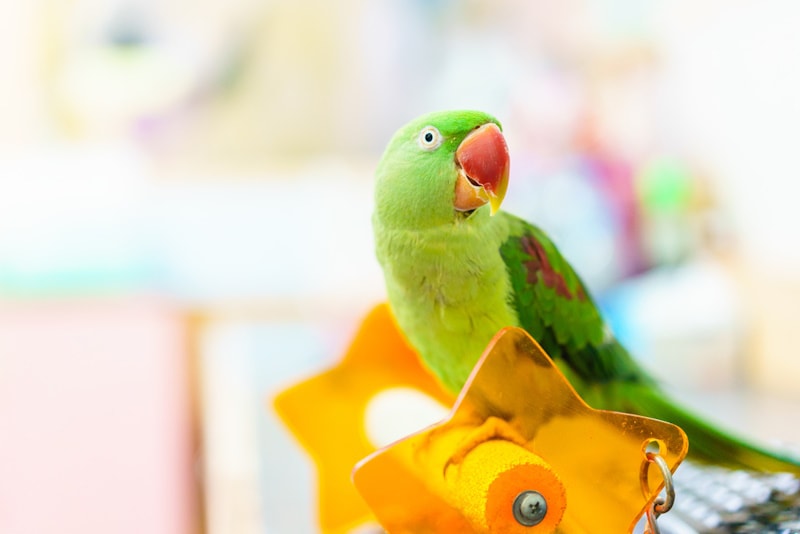
A handful of factors can affect how large or small a parakeet grows up to be.
Genetics is the number one factor contributing to the size of a parakeet. There are so many species of parakeets, and the various species will have size and growth patterns that vary somewhat. Certain genetic lines in breeding may cause variances in the size of a parakeet, as well. In fact, some breeders have specifically developed parakeets that will be a particular size.
A bird’s diet is also a huge factor in how they grow. If a parakeet isn’t eating the right foods and getting the nutrients they need, their growth can be stunted, resulting in them being smaller than they should be.
The kind of conditions a bird is living in can also affect size. These birds may be small, but they still need to be in an environment large enough to engage in natural bird activities, such as flying. Without the right sort of environment, a bird can become stressed, which can hinder growth.
Finally, exercise can affect the size of a parakeet! If a bird lives a sedentary lifestyle where they don’t fly a lot or engage in a lot of play, it can affect their weight and size. This also affects their health negatively, so you want to ensure your bird is getting the exercise they need.
Ideal Diet for Maintaining a Healthy Weight
Maintaining a healthy weight is essential for parakeets, as they can be prone to obesity. Proper nutrition is vital for other reasons, too, as these birds can also be prone to nutrition-related health issues, such as iodine deficiencies. But what constitutes an ideal diet for maintaining a healthy weight for a parakeet?
A proper parakeet diet should be varied, well-balanced, and mostly made up of pellets specifically designed for your bird. To provide better balance, you should also have greens, veggies, and fruits, which comprise approximately 20% to 25% of your bird’s diet. Many might think seeds are a better diet for birds, but seeds don’t have the nutrition a parakeet requires. This doesn’t mean your bird can’t eat any seeds, but seeds should only make up a minimal amount of your pet’s diet. Seeds should never be the only thing a parakeet eats!
How to Measure Your Parakeet
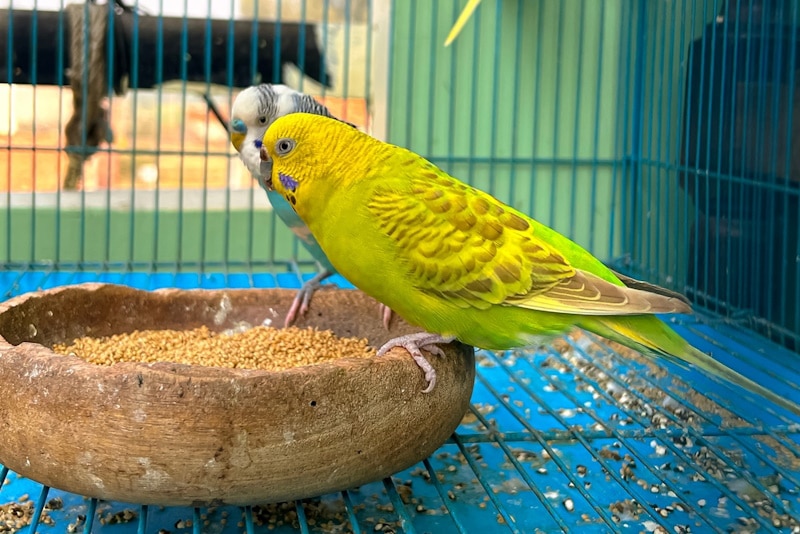
Before you measure your parakeet, you might want to grab another set of hands to help. This might be a two-person job, depending on how skittish your bird can be. Once you’re ready to measure your parakeet, though, you’ll need a piece of string or a tape measure (some birds are scared of the tape measure, so using string may work better).
First, you’ll measure the girth of your parakeet. The girth is the largest part of your bird; however, keep the wings out of the measurements! You will need to go under the wings for this measurement, which involves simply wrapping the tape measure around the body fully.
Then, to get the length of your pet, you’ll want to measure from the base of their neck down to where their tailfeathers start (so, just down the back of your parakeet).
How Can I Tell If My Parrot Is The Right Size and Weight?
This can be tricky to gauge, and not easily done visually as their feathers can make it difficult to assess their weight. You can get an idea based on how prominent their breast bone, or keel bone, is. This is the long bone that runs along their chest, from the base of the neck. This is where the flight muscles attach. In a healthy parakeet, this bone should be just palpable within the muscle tissue. If the bone sticks out a lot, your parrot may be underweight or in need of more exercise to build their muscles. If you have trouble feeling the bone, or if the breast muscle feels quite soft and sticks out further than the keel bone, you may need to reduce your parakeets' food.
The easiest way to weigh your parakeet is using some kitchen scales. You can place a stable perch onto the scales for your bird to hold onto, or if they won’t sit still, you can pop them in a soft, lightweight fabric bag or cardboard box to weigh them, then weigh the bag separately to work out the weight of your bird.
If you have any doubts or concerns about your parakeet’s size or weight, or any other aspect of their care and health, do not hesitate to speak to your vet or avian specialist.
Conclusion
Parakeets may include many species of birds, but all should be in the small to medium-sized range, averaging 7 to 8 inches in length as adults. There can, of course, be variations between species (and males are usually a smidge larger than females). These birds mature fairly quickly, so they should be fully grown by the time they reach eight months of age.
Some factors can affect how large or small a parakeet can be. While you can’t do anything about genetics, you can ensure your pet reaches their healthiest size and weight by providing proper nutrition, care, and living conditions!
Featured Image Credit: jgolby, Shutterstock
Get Hepper In Your Inbox


Pet care tips from our vets and experts, straight to your inbox.
You may opt-out at any time. View our Privacy Policy for more information.
Misty Layne lives out in the woods in small-town Alabama with her two Siamese—Serafina and Jasper. She also has an array of stray cats, raccoons, and possums who like to call her front porch home. When she’s not writing about animals, you’ll find her writing poetry, stories, and film reviews (the animals are, by far, her favorite writing topic, though!). In her free time, Misty enjoys chilling with her cats, playing piano, watching indie and foreign films, photographing abandoned places, and catching up on her never-ending TBR list.
Join the conversation
Ask a question, share your story, or send private feedback.