Hepper is reader-supported. When you buy via links on our site, we may earn an affiliate commission at no cost to you. Learn more.
How Long Do Fish Eggs Take to Hatch? Life Stages Explained
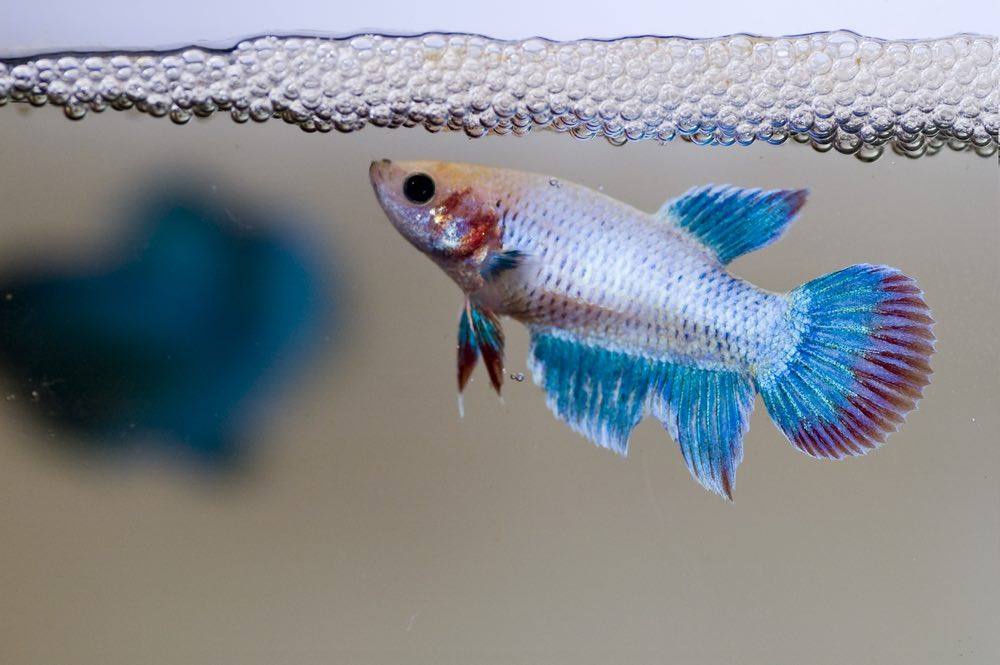
If you’re the owner of a home aquarium, the thought of breeding your own fish has likely crossed your mind. While research and careful planning should always be involved, most commonly kept aquarium species are generally easy to breed, and the process is both satisfying and rewarding once you see little hatchlings swimming around.
If you’ve decided to try fish breeding and noticed that your female has laid eggs, you may be wondering how long it’ll be before they hatch. Depending on the species, they could hatch in a few days to a week or even more, in some cases. In this article, we look at how long most common fish species’ eggs take to hatch and how you can help facilitate the process. Let’s get started!

Spawning
In most freshwater species, warmer weather induces spawning and occurs anywhere between April and early June, possibly later for some fish. In captivity, the water temperatures in your tank are mostly stable and constant, so spawning can carry on throughout the year.
Common aquarium fish like Angelfish require nothing but suitable water conditions to spawn, and you will often find yourself in the position of having eggs to deal with even if you don’t intend on breeding.
If you want the eggs to hatch, however, it’s best to move them to a separate tank to make sure they are safe from other fish—however, even the mothers often eat their own eggs. Most fish will lay their eggs on a hard surface, like the tank wall or a broad plant leaf, depending on what’s available, so you’ll need to be careful when moving them, or ideally, you should move the male and female to a separate breeding tank before spawning even begins.
Females can lay hundreds or even thousands of eggs in a single spawning, and a single male can’t fertilize all those eggs. The more males that you have in the tank, the better the chance of successful fertilization.
Hatching
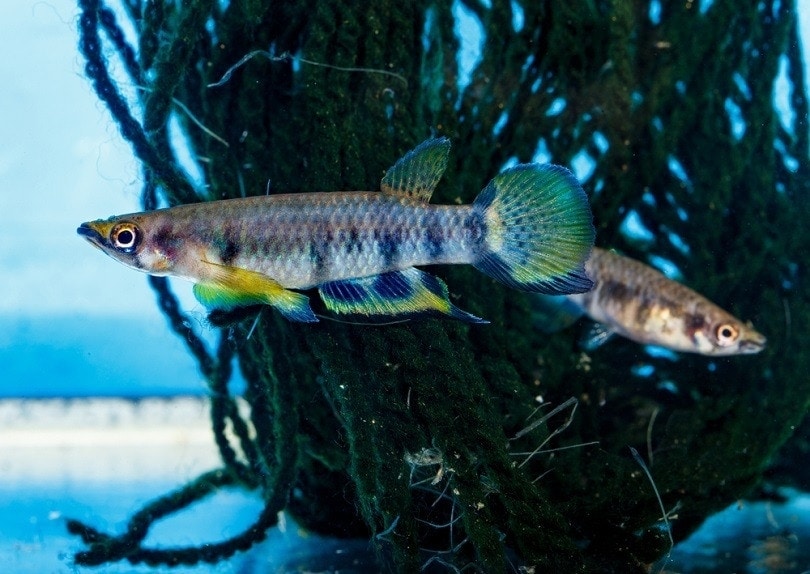
In most freshwater species, hatching should take no longer than a week if the water temperature in your tank is warm and stable. If the fish live in a slightly colder environment, the process may take a few days longer. That said, there are so many species of fish that can be kept in aquariums, it is a difficult question to give an exact answer to. Here are a few of the most common aquarium species and how long their eggs will generally take to hatch:
| Bettas: | 2–3 days |
| Discus: | 3–4 days |
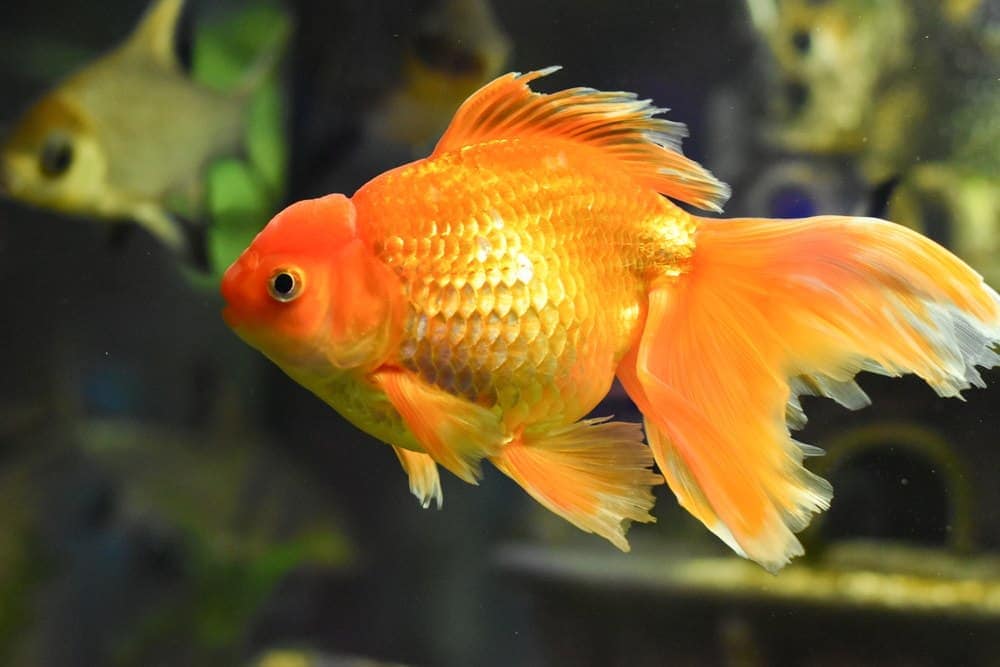
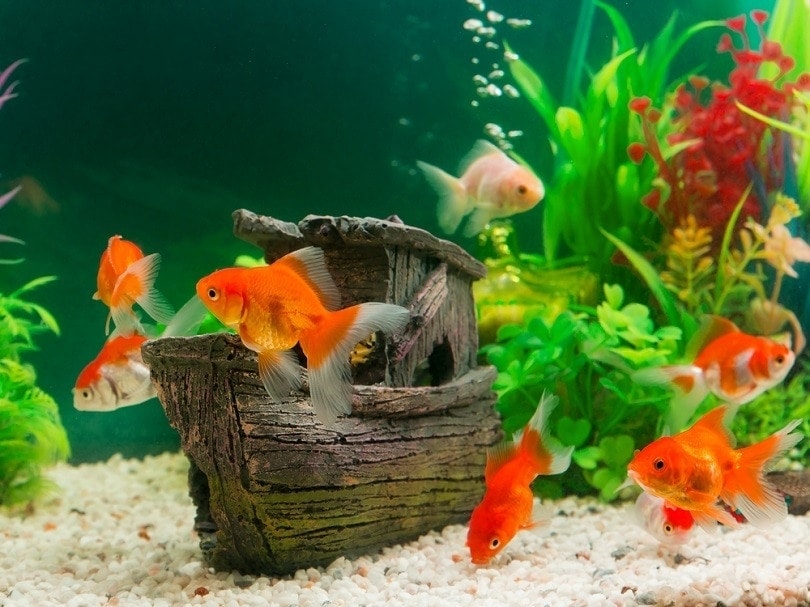
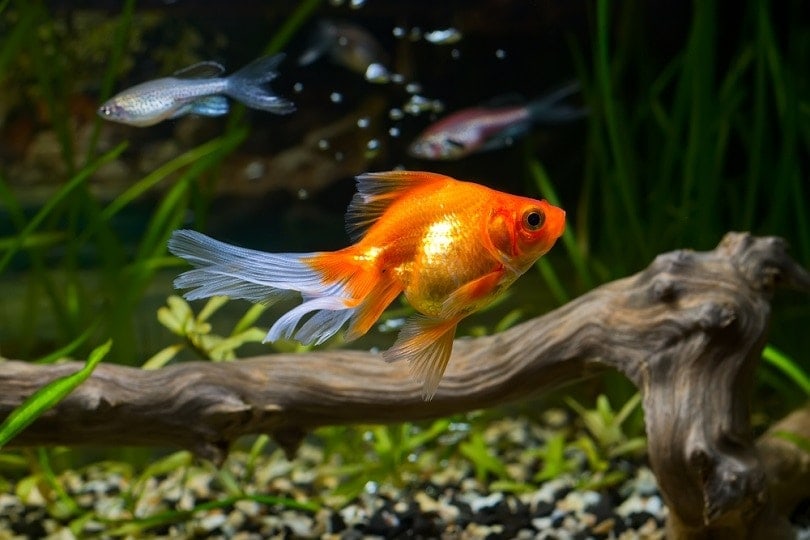
| Goldfish: | 2–7 days |
| Cory Catfish: | 3–6 days |
| Angelfish: | 4–7 days |
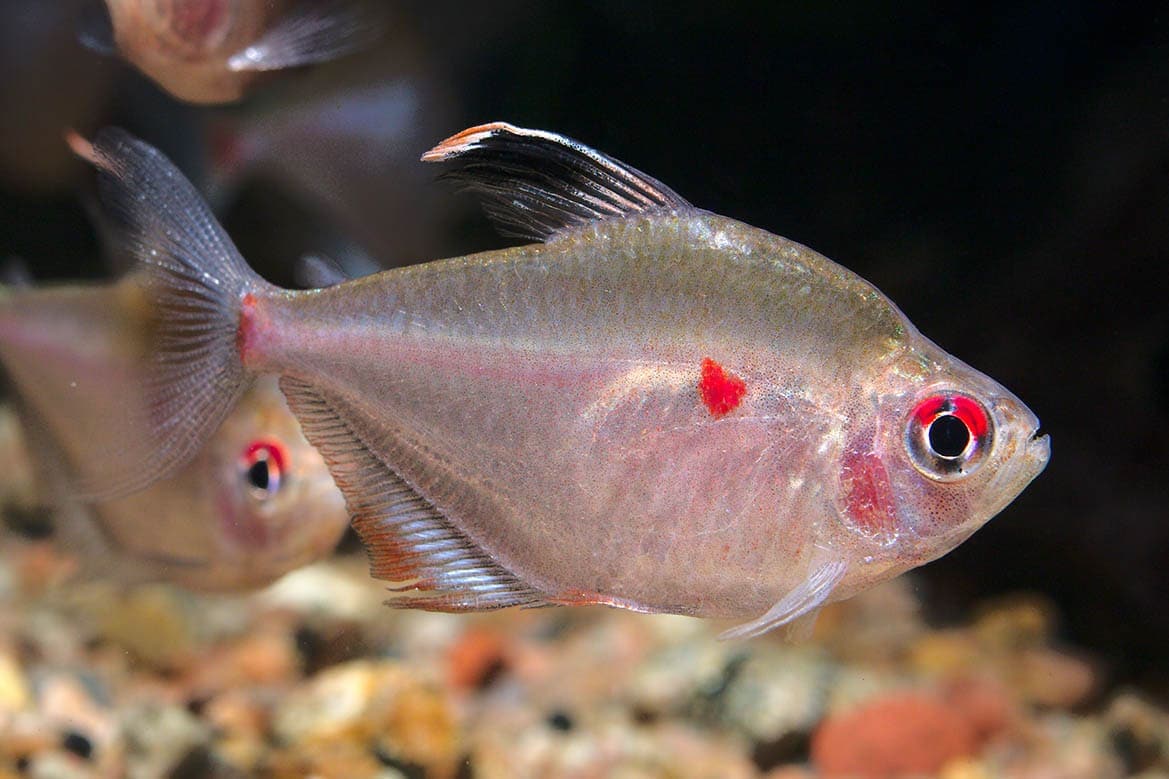
| Tetras: | 2–5 days |
| Bristlenose Pleco: | 4–10 days |
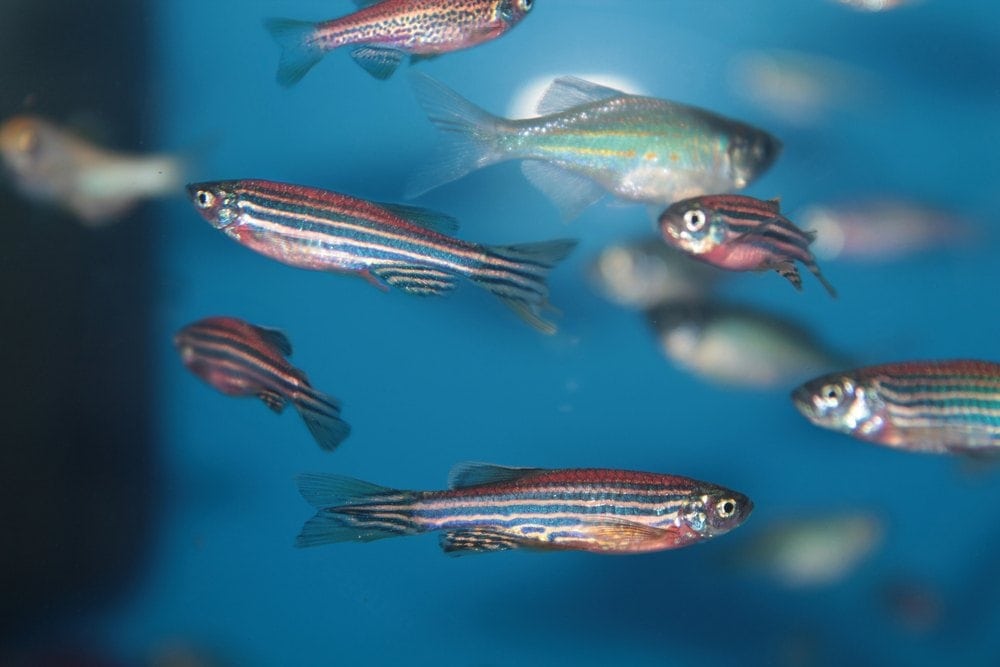
| Danios: | 1–2 days |
| Gourami: | 2–4 days |
How Do You Know If the Eggs Are Fertilized?
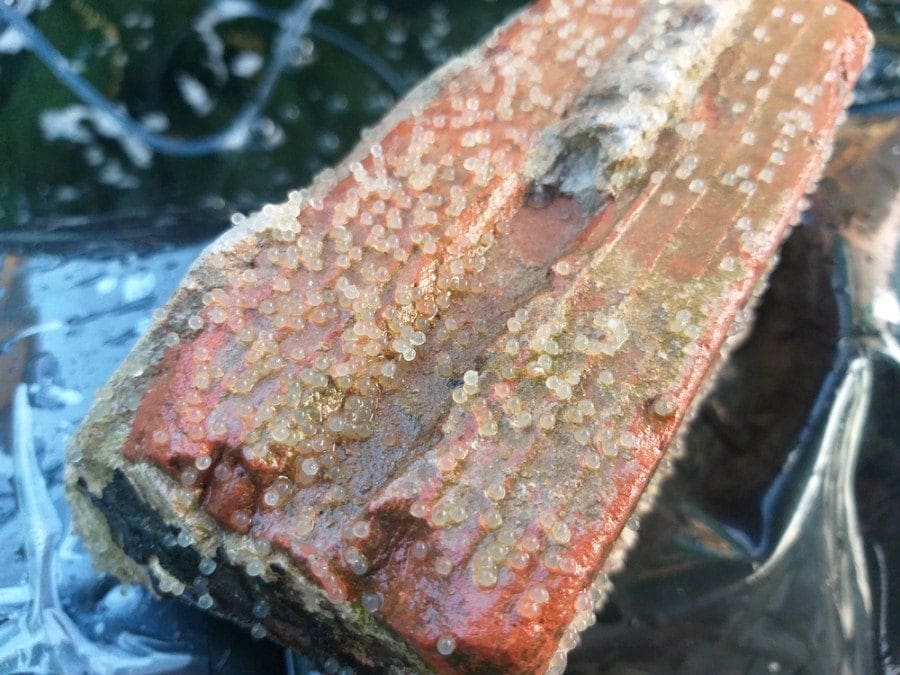
If the eggs are white after 2–3 days, the spawning was unsuccessful, meaning they were not fertilized (usually the case if there is no male) or they have been killed by bacteria. Depending on the species, fish eggs are typically a light brown color, and small eyes will become visible in them soon after fertilization. Some females and other fish in the tank may eat the unfertilized eggs, so even if they are not fertilized, you should remove them from the tank.
Also, some of the eggs may be too close together and not get enough oxygen, and they’ll go white with fungus, but some eggs around them may be fertilized and healthy, so you’ll want to give those a chance at hatching.
Do All Freshwater Aquarium Fish Lay Eggs?
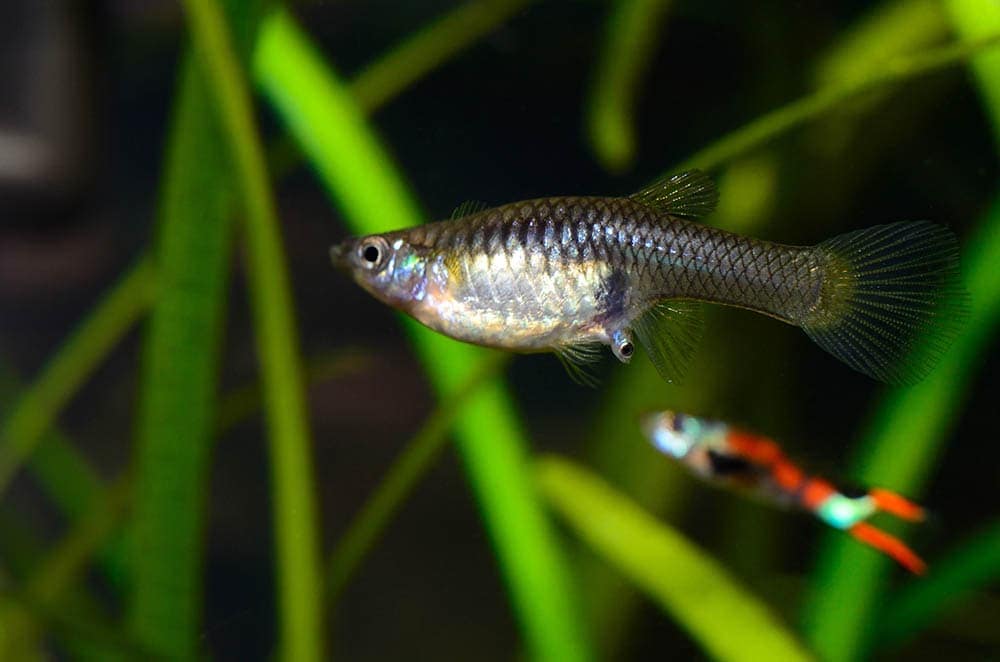
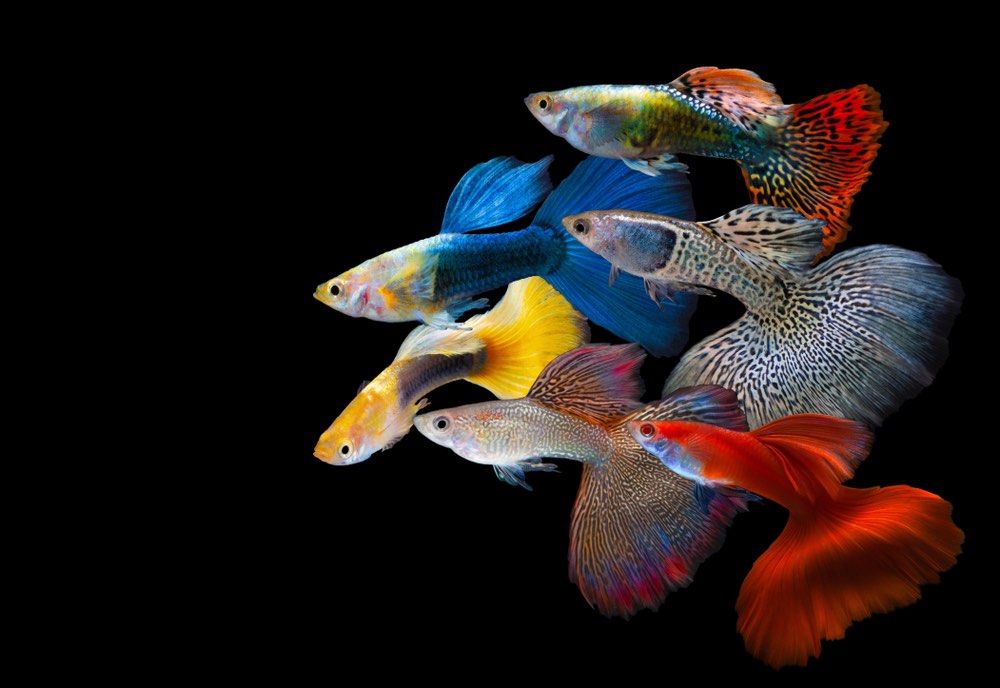
Members of the Poeciliidae genus, such as Guppies, Mollies, and Swordtails, are livebearers, meaning they give birth to live young. So while these fish do not lay eggs, they do have eggs that remain in their body until the fry are old enough and able to swim freely. In most cases, this takes 20–30 days but can vary among fish species.

Conclusion
In most cases, your fish’s eggs should hatch in 3–7 days, occasionally less or sometimes more. The incubation time can vary depending on species, tank conditions, and water temperature, but it should never take more than 10 days for most fish species. If you notice that the eggs are white after a day or two instead of the usual light brown, they're not viable and will not hatch.
Breeding your own freshwater fish is an exciting and rewarding process, and in our opinion, something that every aquarium owner should experience at some point!
Featured Image Credit: mnoor, Shutterstock
Get Hepper In Your Inbox


Pet care tips from our vets and experts, straight to your inbox.
You may opt-out at any time. View our Privacy Policy for more information.

Lindsey discovered her passion for fish keeping after a junior high school field trip to the Shedd Aquarium in Chicago. Prior to becoming Editor-in-Chief of It's a Fish Thing, Lindsey studied marine biology at the University of California-Santa Cruz. She loves goldfish, tetras, and mystery snails, and recently began experimenting with a saltwater aquarium.
Join the conversation
Ask a question, share your story, or send private feedback.