Hepper is reader-supported. When you buy via links on our site, we may earn an affiliate commission at no cost to you. Learn more.
How Long Do Hamsters Sleep? Vet Approved Facts & Care Tips


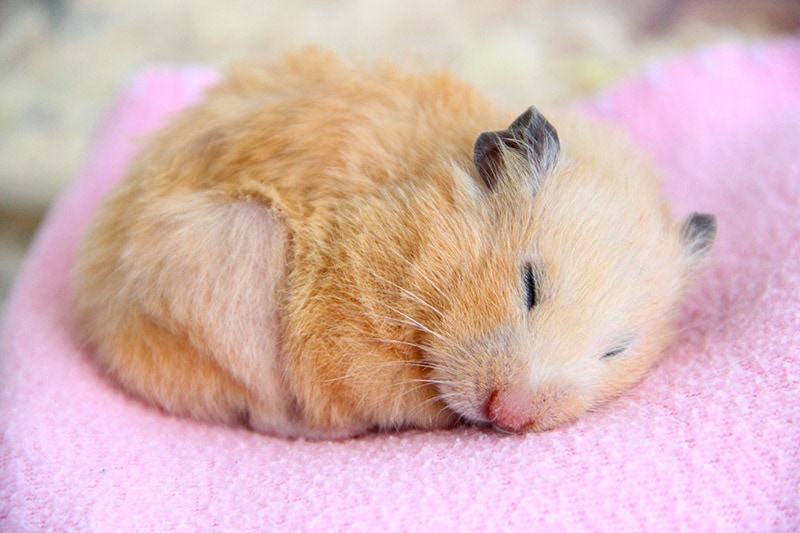
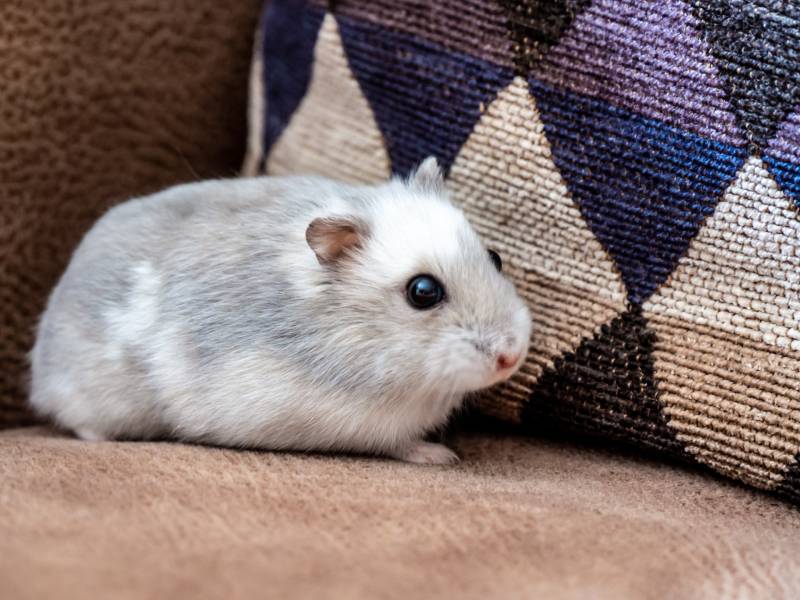
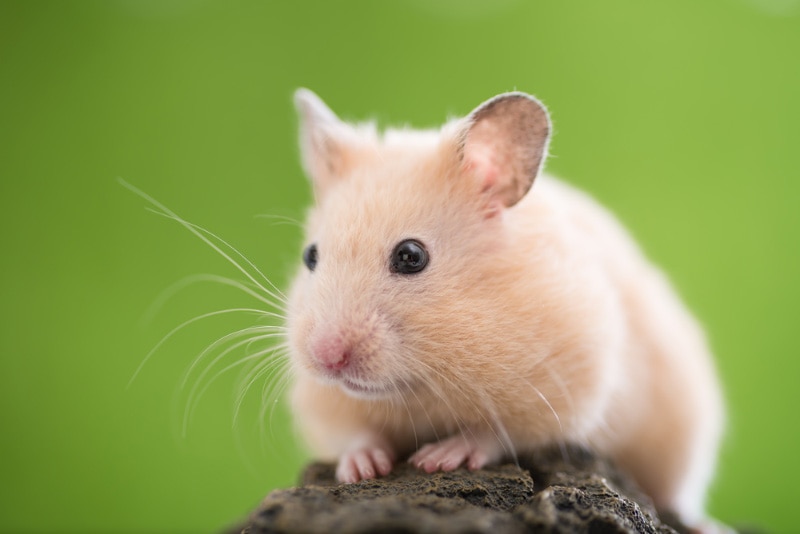
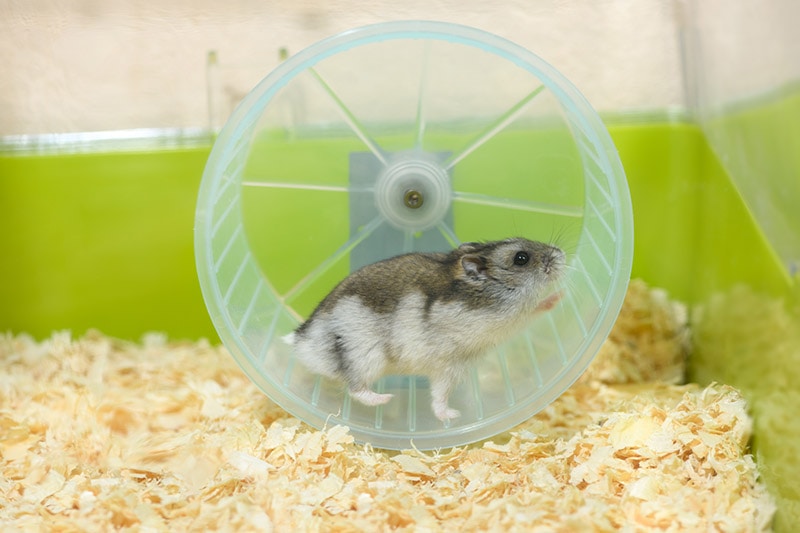
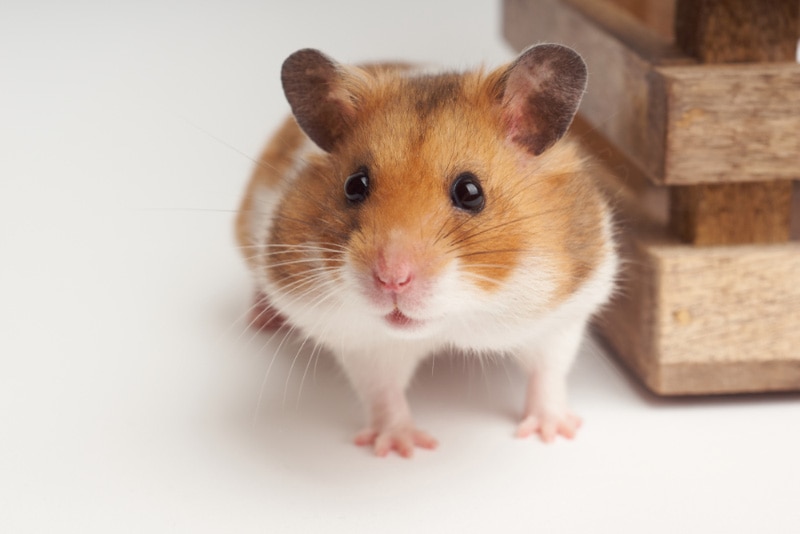
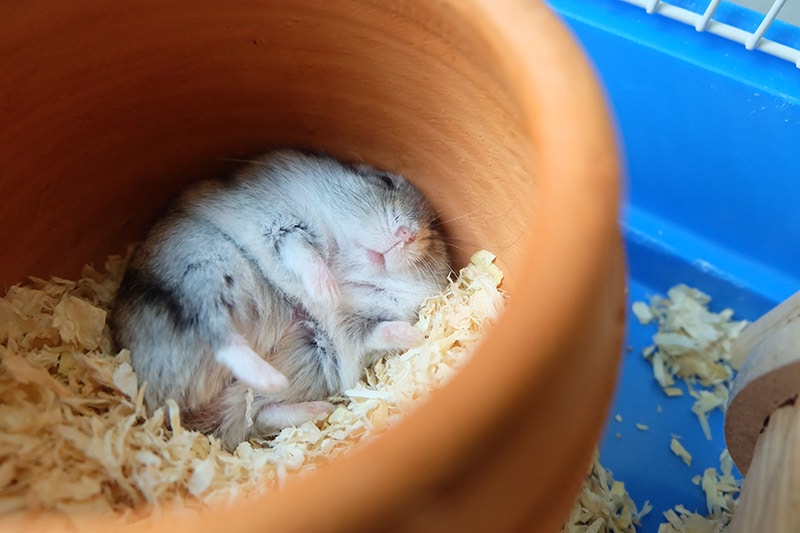
Hamsters are fascinating creatures to watch. They often participate in a variety of physical activities in their environment, like running on a wheel, digging in their bedding, and stuffing their cheek pouches with food. Have you ever spotted your hamster taking a nap, though? Well, Syrian hamsters spend 50-65% of their time sleeping but this may vary between species as some are less active than others. In general, hamsters can sleep 12-15 hours of sleep per day.

How Long Do Hamsters Sleep?
Hamsters may sleep for around 12-15 hours per day, but this sleep is rarely done in a full block of time like humans do. Humans and hamsters both have natural “sleep cycles'' of light and deep sleep; while a human sleep cycle may last for 90 minutes, a hamster sleep cycle lasts for 10-12 minutes. Pet hamsters are nocturnal although this may not always be the case for wild hamsters which are usually crepuscular. While most of their sleeping is done during the day, they do become less active and sleep later into the night. It’s not uncommon for people to feel like their hamster sleeps too much, but this is usually because they are often sleeping during our most active hours of the day.
Hamster Sleep Habits vs. Other Animals
| Animal | Necessary Amount of Sleep |
| Hamster | 12- 15 hours |
| Adult Human | 7+hours |
| Human Child | 8–13 hours (depending on age) |
| Dog | 10–14 hours |
| Cat | 12–18 hours |
| Guinea Pig | 9–11 hours |
Since hamsters prefer to be most active at dusk, this is the ideal time for you to handle them. By disturbing your hamster during the daytime, you may be interrupting some of their necessary sleep hours.
Should I Be Concerned if My Hamster Sleeps a Lot?
While sleep is absolutely essential to staying healthy, there is such a thing as sleeping too much. If your hamster seems to be sleeping all the time, even during periods when they’re typically active, then there could be a medical or environmental problem causing them to sleep. If kept in temperatures that are too cool, typically below 65°F, hamsters may begin to enter a hibernation state, which can make them appear to be in a deep sleep or even dead. Different species hibernate in different ways, so make sure you learn what is normal for your hamster. Hamsters in captivity do not need to hibernate, so make sure to always keep your hamster in an environment that keeps them warm enough.
Of course, underlying medical conditions can cause excessive sleepiness and lethargy, so there could be a serious medical condition, like cancer or diabetes, causing your hamster to feel under the weather.
Make sure to provide your hamster with an environment that supports getting enough sleep. If your hamster’s sleep is always getting interrupted by people and other pets, then they may become sleep deprived. Provide some quiet resting places, and remember it’s best to handle your hamster early in the night as this is their most active time.
Conclusion
While some hamsters require around 12-15 hours of sleep per day, some species are more active than others. Their sleep is usually gained through multiple short naps throughout the day and night. As nocturnal pets, hamsters are most active at dusk, but you may see them up and shuffling around during the daytime and nighttime hours also. If your hamster seems to be sleeping too much, it’s very important that you get them seen by a vet who is experienced with hamsters to rule out medical problems.
Sources
Featured Image Credit: Alex Milan, Shutterstock
Get Hepper In Your Inbox


Pet care tips from our vets and experts, straight to your inbox.
You may opt-out at any time. View our Privacy Policy for more information.
After nine years as a veterinary assistant, Brooke Billingsley transitioned to a career as a nurse in 2013. She lives in Arkansas with her boyfriend, sharing their home with three dogs, two cats, five fish, and two snails. A dedicated animal lover, Brooke has a special place in her heart for special needs pets, including a three-legged senior dog and a famous cat with acromegaly and cerebellar hypoplasia. Fish keeping is one of her hobbies, and she is constantly improving her knowledge to care for her aquarium pets. Brooke is an active yoga enthusiast, having obtained her 200-hour yoga teacher certification in 2020. She believes in the importance of continuous learning and dedicates time each day to developing new skills and expanding her knowledge.
Join the conversation
Ask a question, share your story, or send private feedback.