Hepper is reader-supported. When you buy via links on our site, we may earn an affiliate commission at no cost to you. Learn more.
How to Get Started in Dog Shows: A Beginner's Guide
In this article
Contrary to popular belief, dog shows are nothing like fashion shows. There are no runways, paparazzi, and make-up artists with French accents running everywhere.
Do not be fooled, though. Dog shows are taken very seriously. Dog show owners and handlers are focused, ready to take home a ribbon. But at the end of the day, everyone has a great time and enjoys each other’s company. So, what happens during these shows that make them so much fun? And how do you get involved?
Here’s a breakdown of what you can expect from a dog show and how to get started. For reference, we are using the American Kennel Club as the dog show standard.

A Breakdown of Dog Shows
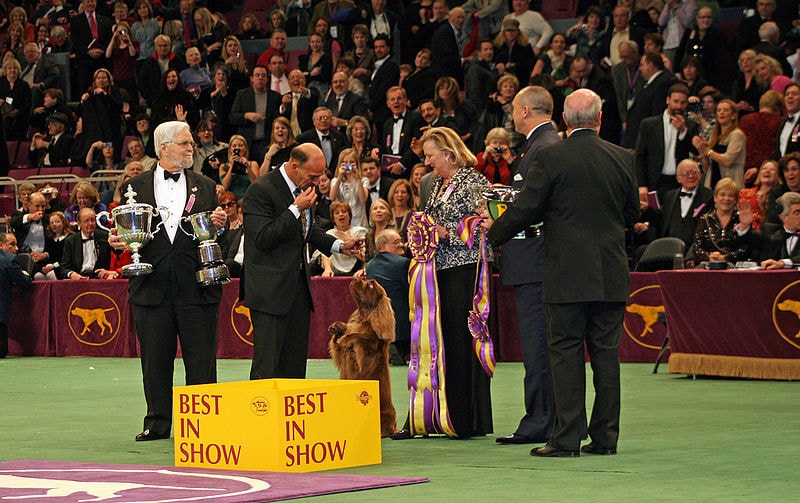
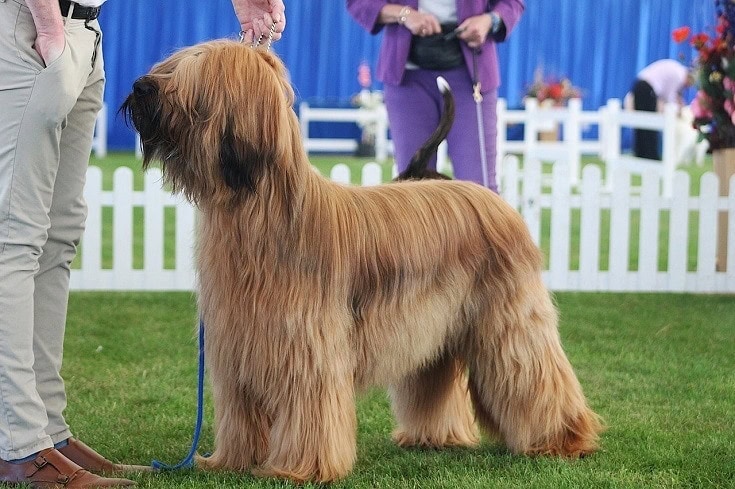
Dog shows are also known as conformation events. The purpose is to evaluate and judge breed essence. Judges look at structure, temperament, and movement when evaluating your dog and appoint a certain amount of points based on what’s presented.
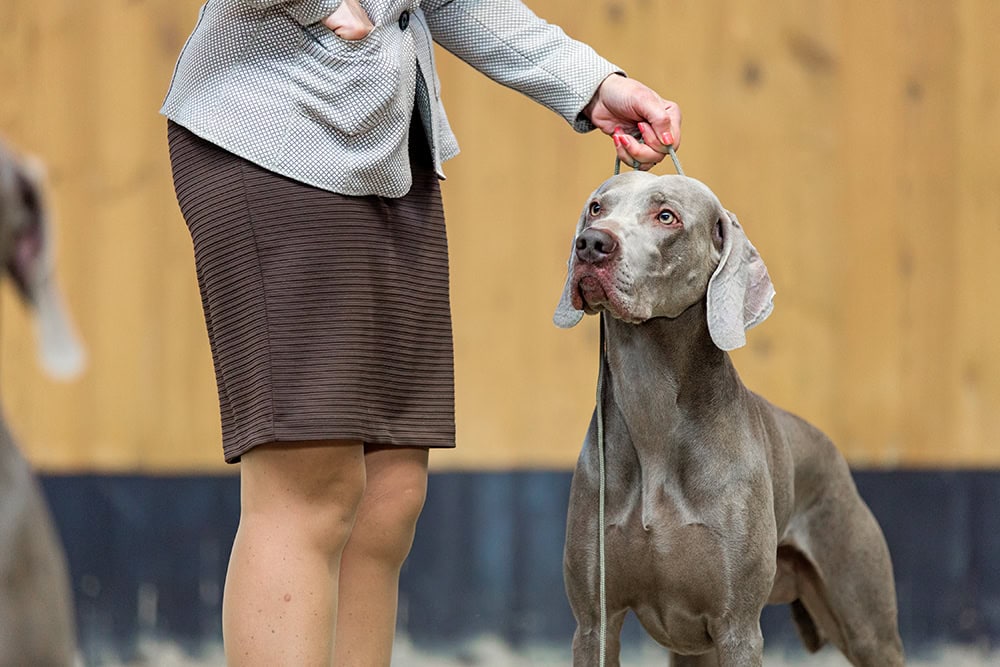
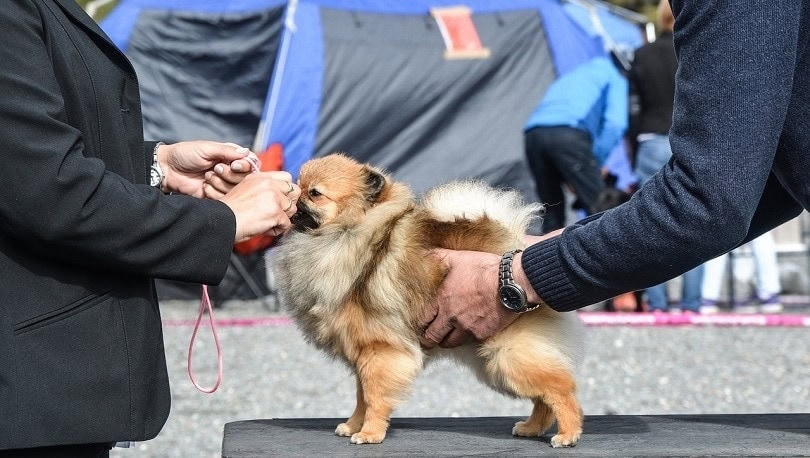
The second your dog enters the ring, at least three judges inspect your dog’s unique breed characteristics. You, the breeder, or a professional handler enter the ring with your dog.
The point system is pretty straightforward. One to five are called “singles” while three to five are called “majors.” To become a champion, your dog needs to win 15 points. Of those 15 points, they need to have at least two majors.
| 1–5 points | Singles |
| 3–5 points | Majors |
The idea of this scoring system is to prevent easy wins in small shows. Male champions win the title “Winner’s Dog” and female champions are “Winner’s Bitch.”
Shows, Groups, and Classes
Every dog show runs differently, but generally, there are three types of dog shows:
- All-breed shows: Accepts any breed recognized by the club.
- Group shows: Limited to a specific group.
- Specialty shows: Restricted to dogs of a certain breed or variety (i.e., Poodles, Terriers, etc.)
Dog groups categorize dog breeds based on appearance and physical ability. Every purebred dog falls into one of these seven categories:
- Sporting
- Working
- Nonsporting
- Hound
- Terrier
- Toy
- Herding
Group shows allow dogs to really shine by competing against other dogs with similar traits. For instance, hound dog shows could have nose work competitions, working dog shows could have a weight-pulling competition, and sporting dog shows could have a point-and-retrieve competition. You get the idea.
In addition to groups, you will compete in specific classes.
These classes are as follows:
Puppies compete against their own age group. Dog shows divide them into 6 to 9 months, 9 to 12 months, and 12 to 18 months.
Benched vs Unbenched
Benched shows mean everyone participating must stay until the end of the show. Unbenched shows mean you can leave when you’re done. Most shows these days are unbenched, but some are still benched so ensure to check when you register your dog.

Mixes and Non-Eligible AKC Dogs
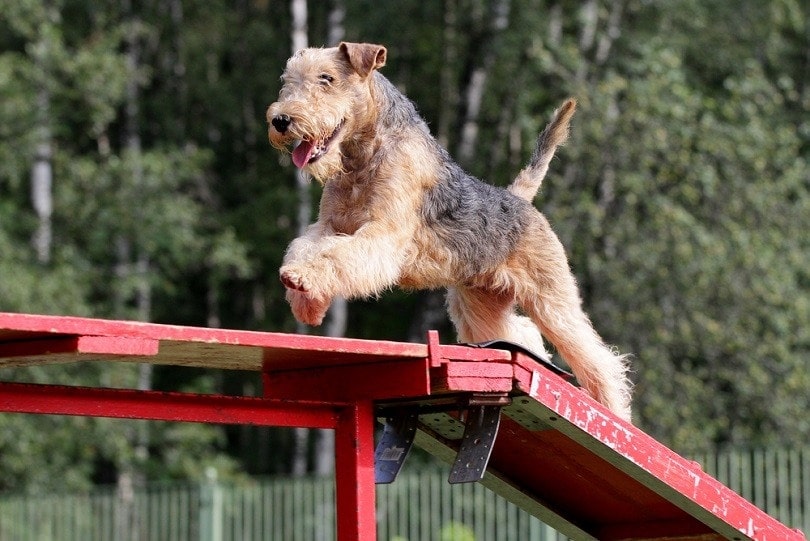
Dog shows aren’t exclusive to purebreds. Mixed and non-eligible AKC dogs can also compete! These dogs can compete in agility, obedience, tracking, and coursing ability. The sky is the limit. They just can’t compete in the conformation shows because they don’t meet the breed requirements.
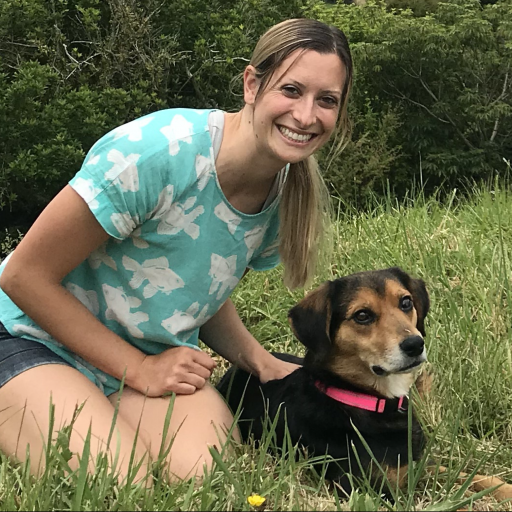
So, if you thought your dog was ineligible because they’re a mutt, think again. There’s room for your pup, too.

The 7 Steps to Dog Showing for Beginners
1. Read, Read, Read!
Get your hands on all kinds of dog show reading material: show requirements, previous champions, training manuals, trade magazines, and more. Study the competition requirements and know which competition your dog can compete in.
2. Attend a Show
You’ve done all the research you can store in your brain. It’s time to attend a show! Dog shows are great places to become acquainted with trainers, groomers, handlers, and judges. You can also see first-hand how dog shows are conducted and get a feel for the culture.
Be wary of talking to owners when it’s their turn to enter the ring, though. Give them space to focus.
When you attend a show, stay until the end so you can chat and, hopefully, find a mentor.
3. Find a Mentor
After breaking down the nitty-gritty of dog shows, you can see why finding a mentor is helpful. Truthfully, it’s very obvious who is new around dog shows. Mentors can help you settle in faster by teaching you everything they’ve learned. With a mentor, you can learn about:
- Common terminology
- Judging procedures
- Show etiquette
- Completing entry forms
- The best local dog clubs
- Which shows to enter
Sure, you can get by without a mentor, but there are plenty who would love to help you. After all, winning is a small part of dog shows. Part of the fun is the friends you make.

4. Take Training Classes
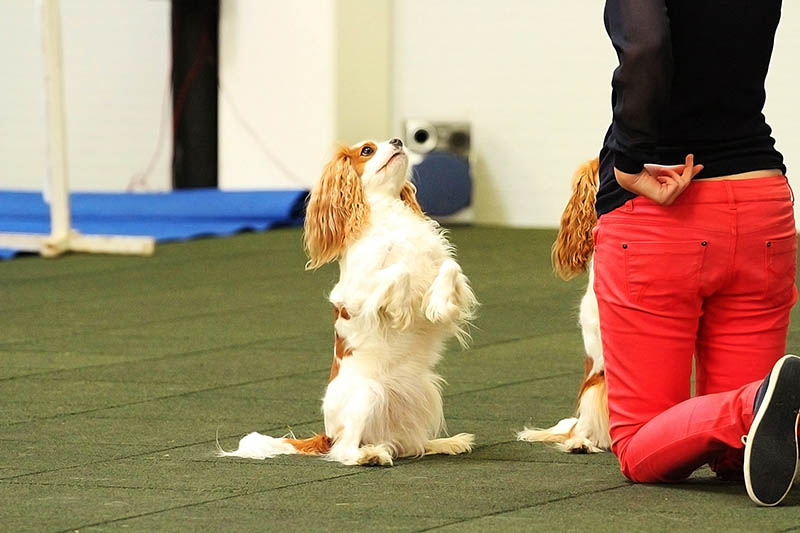
There’s a routine to dog shows that helps with presentation and flow. Commands such as “gait” and “stack” as well as basic commands like “sit” and “stay” are all necessary for you and your dog to learn. Training becomes more specific as you enter into niche competitions like nose work and weight-pulling competitions.
Many kennel clubs offer conformation training classes so you know how to present your pup. Remember, as a novice, you will show your dog against other new handlers, so relax and have fun!
5. Register for a Show
Time to register! Look carefully at the registration requirements, as they vary for each competition. Pay attention to check-in times and location. If you need to make travel arrangements, prepare those ahead of time so you’re not scrambling at the last minute.
6. Find a Groomer
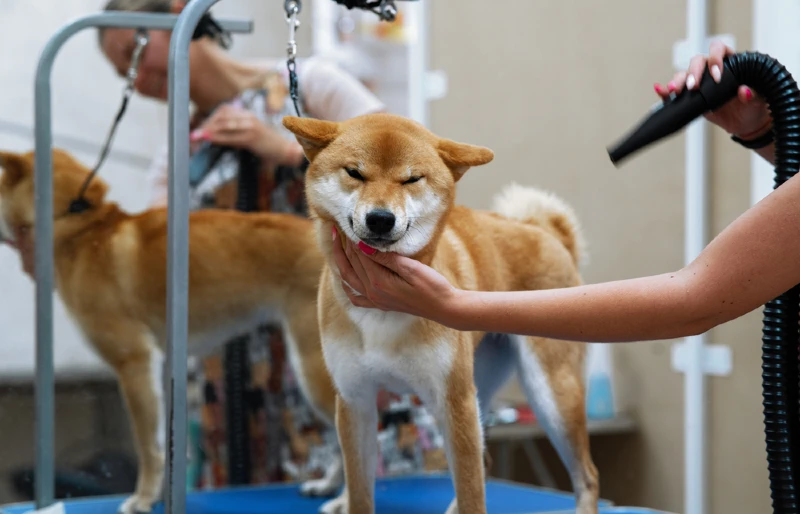
Some dogs need a quick swipe while others need a deep moisturizing shampoo and blowout. Understand what the judges are looking for and find a professional pet groomer specializing in dog shows.
7. Consider Hiring a Handler
You don’t have to hire a handler, but many owners do because handlers are well-trained in dog shows and have a better chance of bringing home a ribbon. It’s like hiring a jockey to ride the horse instead of doing it yourself.


Preparing for a Dog Show
Kennel clubs often host practice shows or fun matches for those unfamiliar with the process. These are great learning opportunities because you learn something new at each show.
Come show day, you’ll need to practice good dog show etiquette once you arrive. Always have control of your pup and never let your dog approach other dogs. If you bring children, keep a close eye on them and never let them approach or touch another dog without permission.
Dog shows are fun but they’re equally competitive. You must be willing to accept honest feedback from breed experts and respond politely, whether you agree or disagree.
Like most events, something will go wrong, so just roll with it. Your mentor can teach you their dog show hacks to make your experience easier. And, as always, smile and have fun!

Conclusion
Everyone involved in dog shows, including the judges, wants you and your dog to succeed. Be it a ribbon or surviving your first time in the ring, remember that you’re not alone. Everyone was a newbie at some point, so do your best and have a good time. You bring home the best prize regardless—your dog!
Sources
Featured Image Credit: monicore, Pixabay
Get Hepper In Your Inbox


Pet care tips from our vets and experts, straight to your inbox.
You may opt-out at any time. View our Privacy Policy for more information.

Cassidy is a vet tech and pet sitter who has more recently become a pet writer. She loves cats and dogs and has had dozens of pets over the years. Her specialty is the human-animal bond.
Cassidy and her husband currently live in Kansas with a German Shepherd named Raven, two cats named Lucy and Streudel, and several backyard chickens.
Join the conversation
Ask a question, share your story, or send private feedback.