Hepper is reader-supported. When you buy via links on our site, we may earn an affiliate commission at no cost to you. Learn more.
How To Prevent UTIs (Urinary Tract Infections) In Cats: Our Vet Explains

In this article
Urinary tract infections (UTIs) are not very common in cats. Despite this, UTIs were the leading cause of pet insurance claims for cats in North America in 2020. UTIs cause discomfort for cats and worry for owners, so we will talk about what you can do to help reduce your cat’s risk of developing a UTI.
Read on below to find out more.

What Causes UTIs in Cats?
UTIs occur most commonly when bacteria from outside the body move up the urethra into the bladder, where they multiply and create an infection.
What Are the Symptoms of UTIs In Cats?
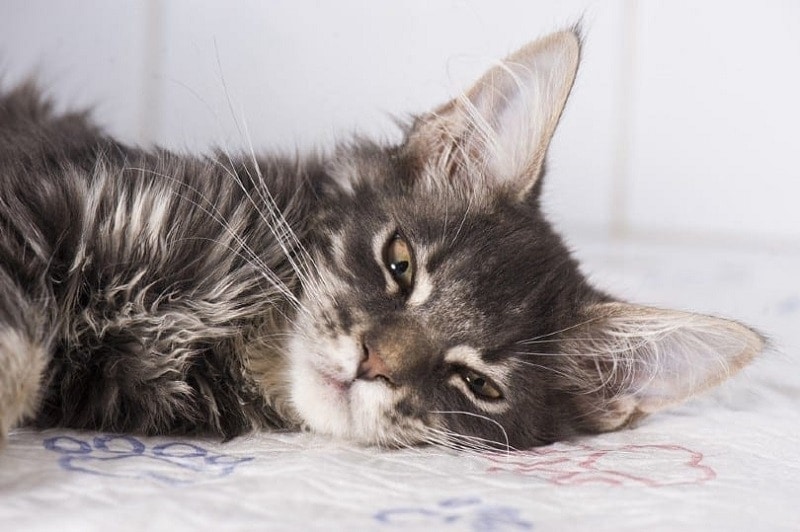
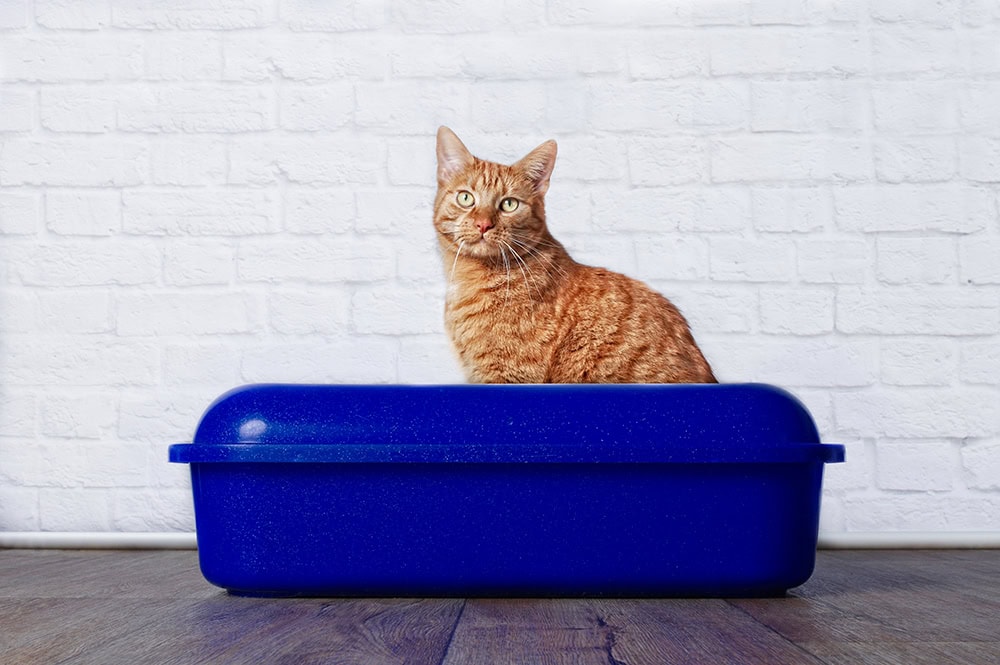
Cats with UTIs are uncomfortable! You may notice:
Symptoms of UTI are very similar to those seen in other forms of Feline Lower Urinary Tract Disease (FLUTD), including urethral obstruction, which is a life-threatening emergency! Cats should be examined by a veterinarian as soon as possible if any of the above signs are observed.
How Are UTIs Diagnosed?
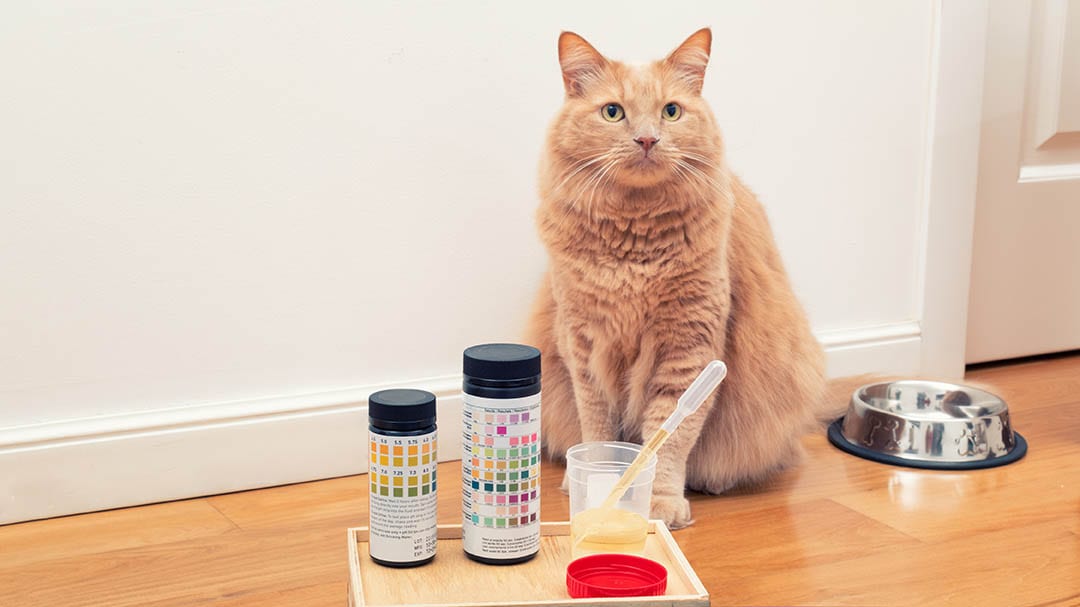
The only way to know for sure if your cat has a UTI is to have their urine analyzed by a veterinarian. There are two main tests performed on urine samples:
1. Urinalysis
This test can usually be performed in the veterinary clinic, with results often available on the same day. Your veterinarian will look at:
The urine is also examined under the microscope to look for bacteria, red and white blood cells, and crystals.

2. Urine Culture and Sensitivity
This test is typically sent to a diagnostic laboratory. Results may take 48 hours or more.
Urine culture and sensitivity testing increase the likelihood that your cat’s antibiotic treatment will be successful. It also reduces the risk of promoting antibiotic resistance, which is important for both veterinary and human health.

How Will My Veterinarian Collect a Urine Sample from My Cat?
When a UTI is suspected, the preferred technique is to collect urine directly from the cat’s bladder, using a sterile needle and syringe. This process is called cystocentesis. While it may sound a bit intimidating, many cats tolerate the procedure very well.
The advantage of cystocentesis is that the urine sample will not be contaminated with bacteria, other cells, or debris from the urethra. This is ideal for culture and sensitivity testing because it ensures any bacteria identified are from the bladder specifically.
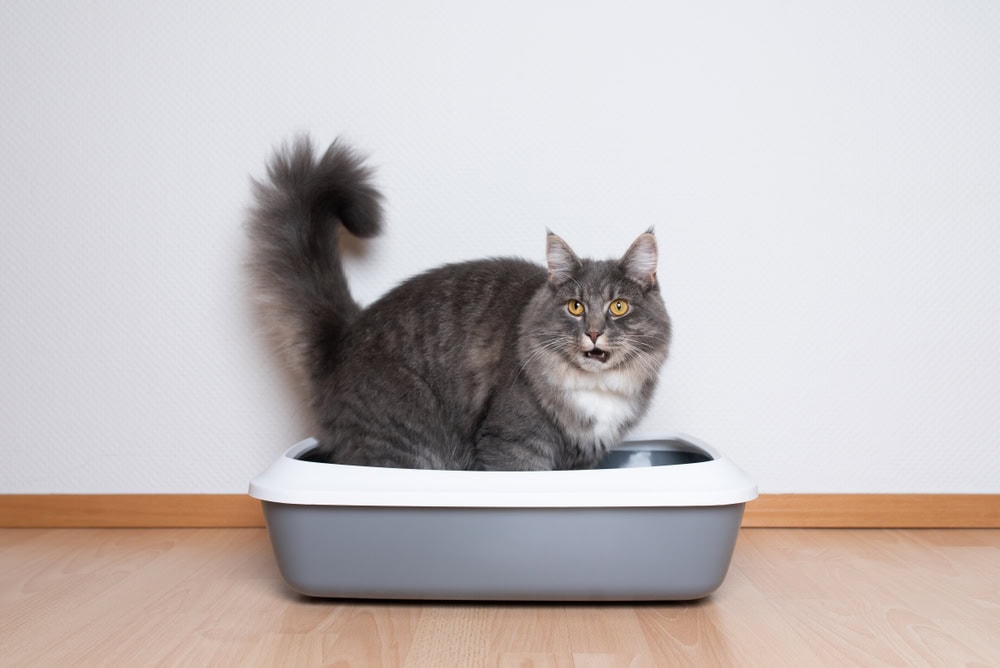
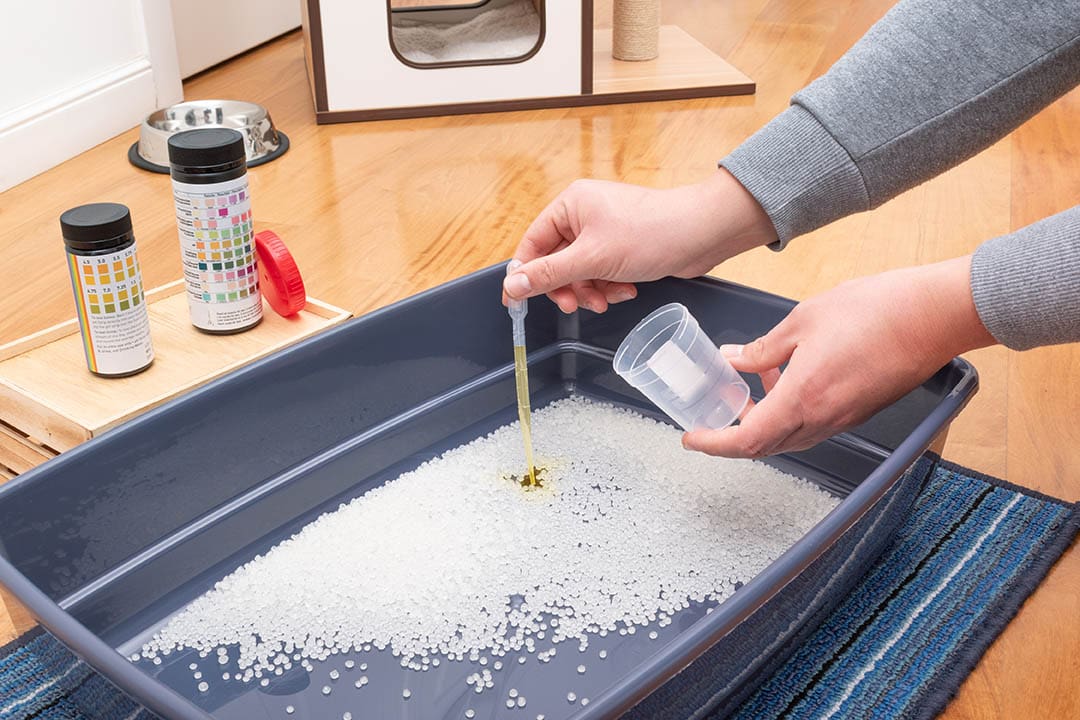
In some cases, veterinarians may recommend collecting a sample at home or in the hospital by waiting for the cat to urinate in a clean litterbox containing a special non-absorbing litter.
What Can Be Done to Help Prevent UTIs In Cats?
Unfortunately, some factors are out of our control. These include:
The good news is that there are things you can do to help minimize your cat’s risk of developing a UTI:
How Do I Keep My Cat At a Healthy Body Weight?
Veterinarians are trained to assess your cat’s body condition. They can create a custom feeding plan to fit your cat’s unique needs, whether they need to gain, maintain, or lose some weight to be in their best possible health.
For safety, cats should only embark on a weight loss program under the direction and supervision of a veterinarian.
Try to find ways to encourage your cat to exercise. Here are some fun ways to help discover your cat’s favorite type of toy to chase. Some cats enjoy walking outside on a harness and leash or spending time in an outdoor enclosure. Helping your cat maintain an ideal body condition will ensure they are able to groom themselves thoroughly and maintain proper hygiene of the genital area. As a bonus, you will decrease your cat’s risk for other diseases (e.g., diabetes mellitus), and may even help them live longer!
Can Specific Foods Prevent UTIs?
The short answer is no. While some over-the-counter pet foods are marketed for promoting urinary health, there is often no clinical evidence to support these claims.
Veterinary prescription diets can help keep urine pH within a specific target range and some also contain calming ingredients to help reduce cats’ stress. These benefits can be very helpful in maintaining a healthy urinary tract but cannot be guaranteed to prevent UTIs.
Are Cranberry Supplements Helpful?
There is currently no clinical evidence to show that cranberries or cranberry supplements help prevent UTIs in cats.
How Can I Encourage My Cat to Drink More Water?
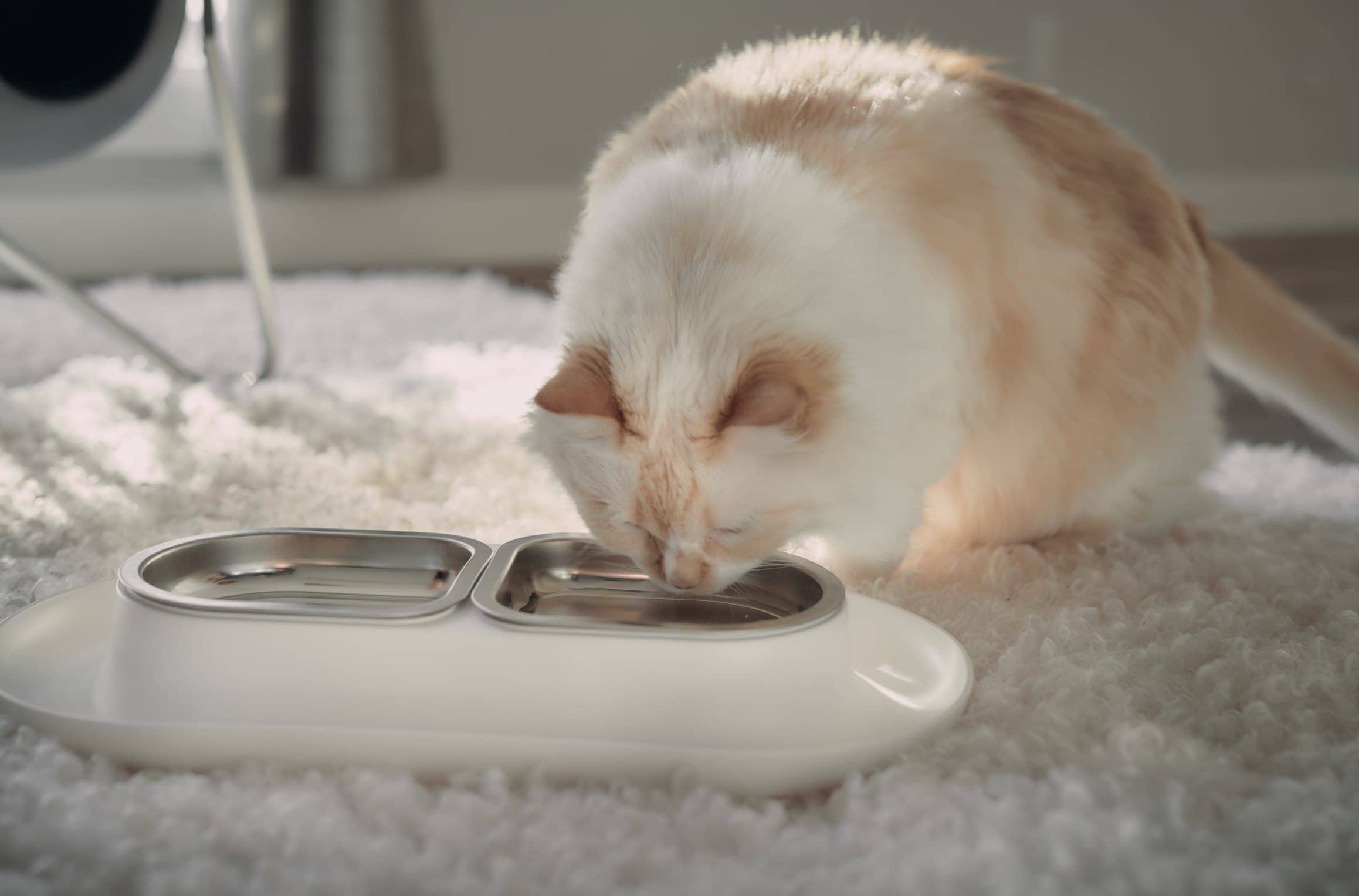
Here are some tips for increasing your cat’s water intake:
What Do Litterboxes Have to Do with UTIs?
Scooping your cat’s litterbox daily will help you keep a close eye on your cat’s urinary habits, making it more likely that you will notice if something changes.
The Indoor Pet Initiative at the Ohio State University College of Veterinary Medicine offers some other general litterbox guidelines.
How Can I Help My Cat Cope with Stress?
Most cats don’t like change! Introducing a new pet or person, travel, moving, different work schedules, and trips to the veterinarian can all be stressful for a cat.
When change is necessary, cats appreciate having a refuge to help them feel safe. Your veterinarian may also recommend:
Do your best to create a home environment that supports natural cat behavior. This includes scratching surfaces, resting areas, raised perches, and toys to chase.
Conclusion
Cats should visit the veterinarian for a general check-up at least once per year. Many veterinarians like to see senior cats every 6 months, and more frequent visits may be needed to monitor cats with chronic health conditions.
Regular examinations, bloodwork, and urine testing can identify changes in your cat’s health that could increase their risk of developing a UTI, which in some cases might offer a chance for prevention.
Related Articles:
Featured Image Credit: Yaya Photos, Shutterstock
Get Hepper In Your Inbox


Pet care tips from our vets and experts, straight to your inbox.
You may opt-out at any time. View our Privacy Policy for more information.
Dr. Sharon (as she is known by her clients) has had an intense love for animals for as long as she can remember. She grew up in Guelph, Ontario and fulfilled her childhood dream by obtaining her Doctor of Veterinary Medicine (DVM) degree from the Ontario Veterinary College in 2009. She has since found joy working in a variety of small animal clinics, focusing on cat and dog care. She loves sharing her expertise and empowering pet owners to take the best possible care of their fur babies!
Sharon currently lives in beautiful British Columbia with her husband, daughter, and Parker, her loveable Great Dane. When she’s not at work, she enjoys clogging, photography, and exploring the outdoors with her family.
Dr. Sharon (as her clients call her), was raised in Guelph, Ontario, and has loved animals for as long as she can remember. She fulfilled her childhood dream when she obtained her Doctor of Veterinary Medicine (DVM) degree. Sharon now lives in British Columbia, Canada with her husband, daughter, and Parker, their loveable Great Dane. When she’s not working, she enjoys clogging, photography, hiking, and camping with her family.
Education
Dr. Sharon obtained her DVM in 2009 from the Ontario Veterinary College in Ontario, Canada.
Experience
Dr. Sharon loves sharing her knowledge and empowering people to take the best possible care of their fur babies, which she has been able to do through her work. She has practiced in a variety of small animal clinics since graduating, with a main focus on cats and dogs.
Check out some of our top posts written by our veterinary team:
Why Does My Dog Snore? Should I Act?
My Cat Ate Paint! Our Vet Explains What to Do Now
How Common is Heartworm in Cats? 7 Things to Know About Heartworm Disease
Join the conversation
Ask a question, share your story, or send private feedback.