Hepper is reader-supported. When you buy via links on our site, we may earn an affiliate commission at no cost to you. Learn more.
My Cat Ate Paint! Our Vet Explains What to Do

In this article
Cats may be far less likely than dogs to eat paint—or anything, for that matter! However, it can still occur. For example, kittens may be a bit more inquisitive, or cats may end up accidentally grooming paint chips off their haircoat. And every now and then, a cat may walk through wet paint, leading them to groom any remnants off their haircoat.
When considering the consequences of these actions, much depends on the type of paint they were exposed to. For instance, traditional lead paints have different concerns than newer paint bases, which are often far less toxic.
Often, monitoring the cat at home, if it is a small amount of paint, will be the recommended course of action. However, if larger volumes of paint have been eaten, or if your cat is acting ill, the best course of action may be to call a pet poison hotline or your veterinarian to seek additional advice. Read on to learn more about what to do if your cat has eaten paint.

Acrylic Paints
Acrylic paints can contain certain pigments that give them color, but that can cause issues for cats in certain instances. The label is important to keep and to report to poison hotlines or your vet if any questions arise.
The good news is that these paints are generally far less toxic than some other paints, which may contain pigments that can cause issues for cats. Most acrylic paints are generally less toxic than other paints. Read the label and reach out to your vet with any questions, especially if you think your cat has eaten any!

Lead-Based Paints
Lead-based paints are much less common these days, in part, due to laws that prohibit their use in many parts of the world. They tend to be found in older buildings when encountered. Mostly, these paints have fallen out of favor exactly for the toxicity they can cause with repeated exposure, such as lead poisoning (also called plumbism).
Plumbism occurs most commonly after repeated exposure to the lead in the paint, generally over long periods of time. This can occur with ingestion of paint flakes, through grooming, or licking of items that are coated in paint (e.g., radiators). Lead poisoning can cause issues with red-blood cell production, GI issues, and other serious concerns. If you suspect your cat may have been exposed to lead-based paints and/or eaten them, contact your vet to find out how to proceed.
Other Kinds of Paint
There are other kinds of paint bases to be weary of as well. Some latex-based paints can contain anti-freeze (ethylene glycol), which, if ingested by pets, can cause vomiting and GI upset. More concerningly, it can cause kidney failure.
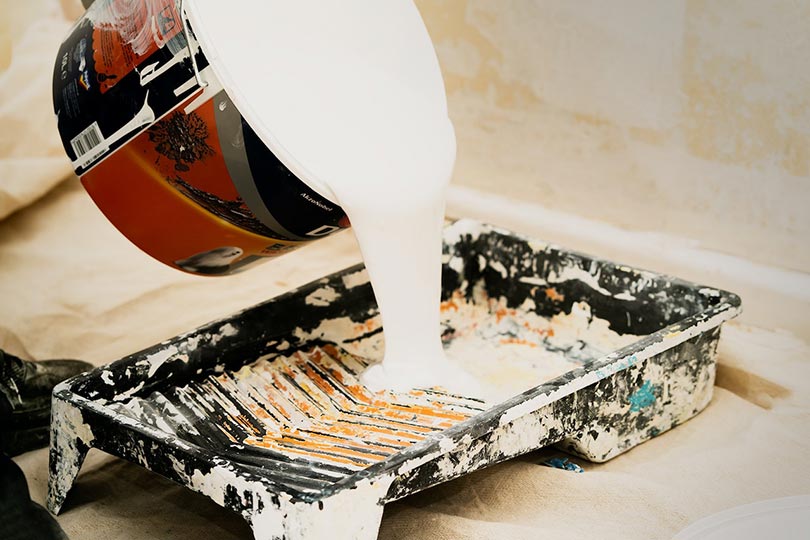

Signs Your Cat May Have Eaten Paint
Some of the things you may see if your cat has eaten paint:
When Eating Paint Could Be a Sign of Something More
A medical condition known as pica is the term for eating inappropriate objects. Since cats aren’t made to eat paint, they generally shouldn’t! They are fastidious creatures and tend to shy away from eating non-food items (although string may be an exception!).
Pica can indicate a variety of issues, one of which is a nutritional imbalance. Low iron levels are just one known cause of pica in cats. Regardless of the cause of the pica, it should not be considered normal, and your vet should always be contacted if and when it is noticed.
If you do notice your cat eating paint or have concerns that it may have occurred, start by calling your vet or an emergency vet.
If enough paint has been eaten, the vet may ask you to do one of two things: bring your cat in for an exam (and possibly bloodwork, and/or treatment for paint ingestion) or have you call a pet poison hotline to find out how toxic the amount of paint eaten might be for your cat.
If they ask you to call the poison hotline, plan to have as much information as possible about the paint in question—i.e., how much did your cat eat? How long ago? Any details from the label and MSDS, etc.
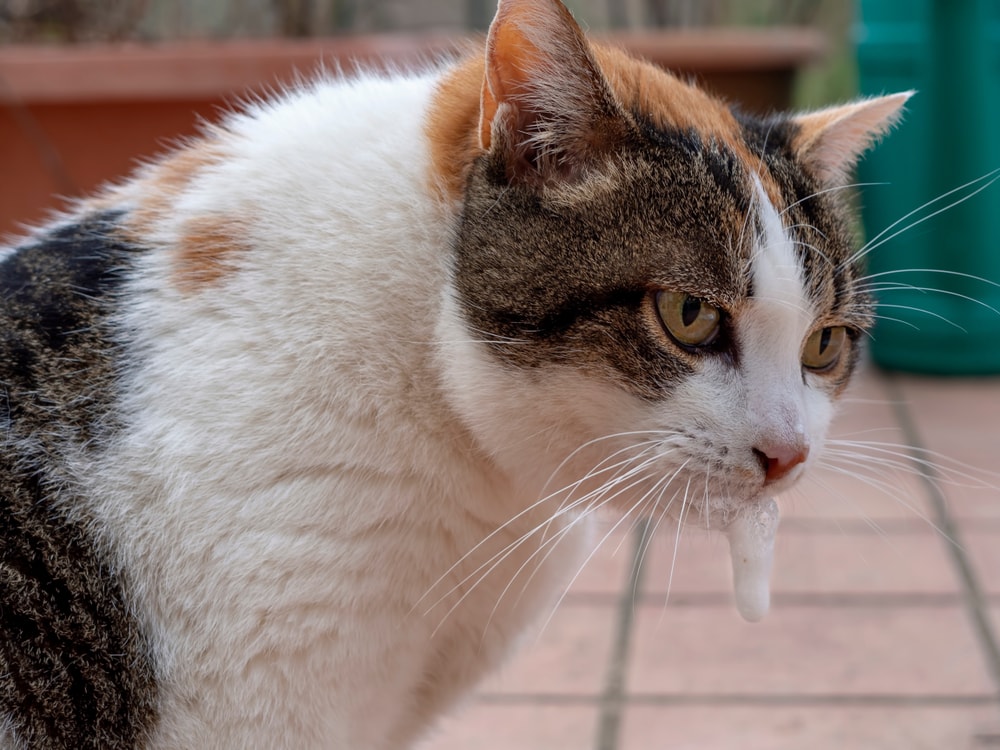
Conclusion
Generally, cats eating paint is not a common issue that cat owners deal with. However, it can still happen. Possible consequences of cats eating paint will largely depend on the type of paint they were exposed to, and signs may also vary depending on how much was ingested. It is always better to be prepared for any possible issues and to know as much about the best way to address them.
If you do notice your cat eating paint or have reason to believe they did, start by calling your vet or an emergency vet.
Get Hepper In Your Inbox


Pet care tips from our vets and experts, straight to your inbox.
You may opt-out at any time. View our Privacy Policy for more information.
As a veterinarian, Lauren is happy to share her experience in emergency medicine and cats, with everyone. She enjoys sharing insightful, real life tips for having cats as part of your life, and what to do in critical situations with your pets.
Lauren is a vet with over a decade of experience in cats and dogs, along with infectious diseases. She loves teaching, and lectures for students, owners, and clinicians, on various topics.
Lauren received her degrees from Murdoch University, in Perth.
Experience
Education
Join the conversation
Ask a question, share your story, or send private feedback.