Hepper is reader-supported. When you buy via links on our site, we may earn an affiliate commission at no cost to you. Learn more.
Do Cats Get Cold? How to Tell & Ways to Prevent It (Vet-Approved)


In this article
Cats are adaptable animals, but they can still get cold when the temperatures start to dip. Even though they are covered in fur, they can suffer from cold-related illnesses. Plus, being cold is just uncomfortable for them!
You want the best for your cat, so if they need a little help staying warm this winter, we have suggestions to help you. If you have a cat that likes to wander outdoors, always make sure they’re inside overnight, especially during freezing temperatures. Cats, like people, can get too cold. They need to be protected from the elements.
In this article, we look at ways to tell if a cat is cold and what you can do to help indoor and outdoor cats battle frigid conditions. Let’s get started.

How Cold Is Too Cold for Cats?
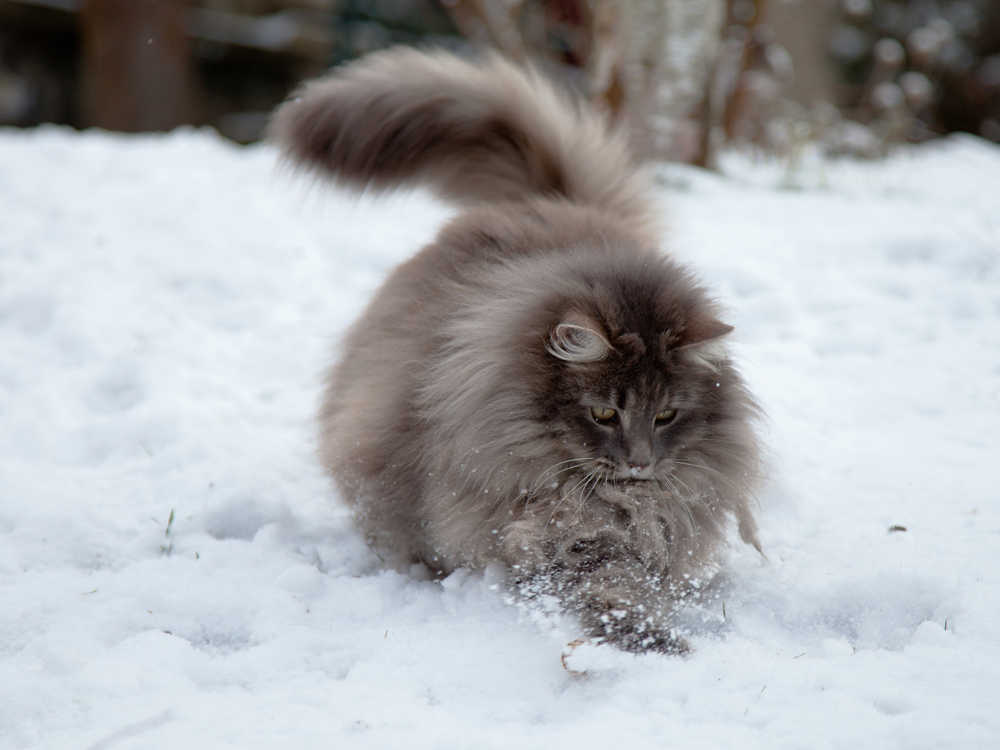
Many cats can handle cold temperatures well. But cold and extreme cold are different. Extreme cold is dangerous for any animal or person. Cats like to be warm all the time. You may notice your cat seeking out a warm place in the house or wanting to snuggle near or on you whenever it’s cold.
Your cat’s age, body weight, and any health conditions will all factor into the coldest temperature that your cat can handle. Thinner, elderly cats need help regulating their body temperatures and cannot tolerate the cold for long.
A Cat’s Body Temperature
A healthy cat’s body temperature is between 101°F and 102.5°F. Anything over 104°F means the cat has a fever. Anything below 99°F means your cat is too cold.
Since cats run hotter than humans, they can get cold faster than we do. On average, cats cannot tolerate anything below 45°F for long periods. In the winter, if your home is kept between 60°F and 70°F, your cat should be just fine. Make sure they have cozy spots, like beds or blankets, to lounge in if they feel chilly.
Long-haired cats may stay warmer indoors than cats with short hair. If your cat wanders outside, keep them inside during cold weather or make sure their time outdoors is limited. If the temperature outdoors is less than 45°F, always keep your cats inside.
The 6 Signs That Your Indoor Cat Is Cold
Cats are masters at hiding their ailments and discomfort. If you notice the following signs in your cat, they are likely too cold.
1. Increased Cuddling
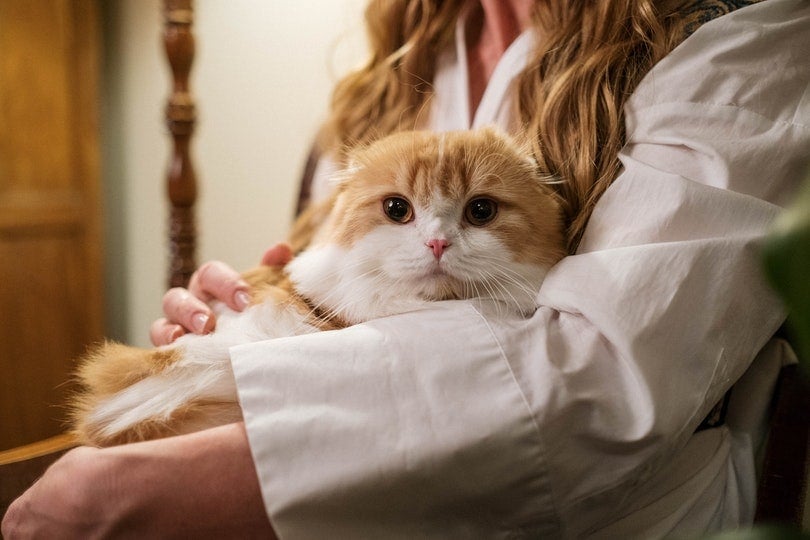
While this is a welcome behavior for most cat owners, if your cat is always trying to cuddle with you during the winter months, they may be looking for warmth. Cats instinctually huddle together for body heat. Your cat is being super affectionate because you provide a warm place to take a nap.
2. Seeking Out Warm Areas
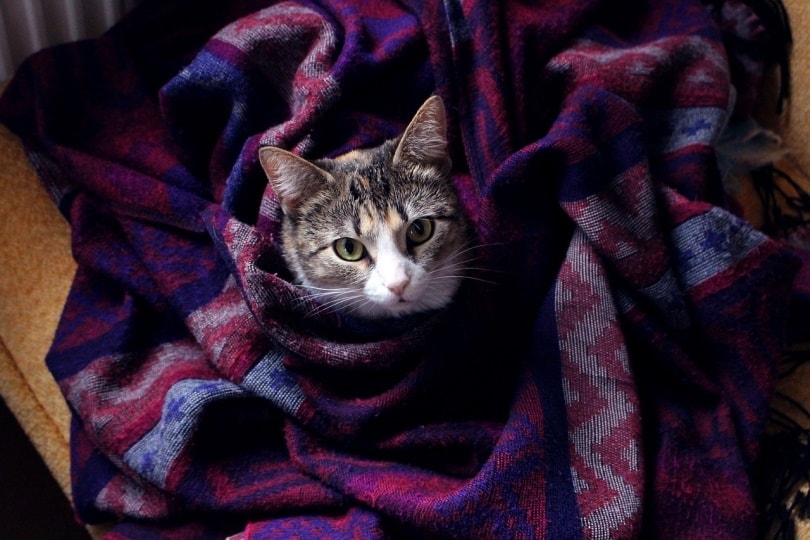
Burrowing under covers, finding the only patch of sunlight streaming through a window, or lying in front of heat sources means your cat is trying to raise their body temperature.
3. Shivering
A tell-tale sign that your cat is cold is seeing them shiver. If your cat is physically shivering, it’s important to warm them up right away.
4. Feeling Cold to the Touch
Ears, paws, tails, and noses will feel cold to the touch if your cat is cold. These body parts lose heat first. If these areas feel cold, your cat is uncomfortably cold.

5. Curling Into a Tight Ball
To retain body heat, cold cats will curl up as tight as they can to sleep. Paws and tails are usually tucked underneath them to keep these extremities as warm as possible.
6. Hunching Down and Puffing Up
If a cat is in a hunched position and puffing their fur, they’re trying to stay warm.
How to Help Indoor Cats Stay Warm
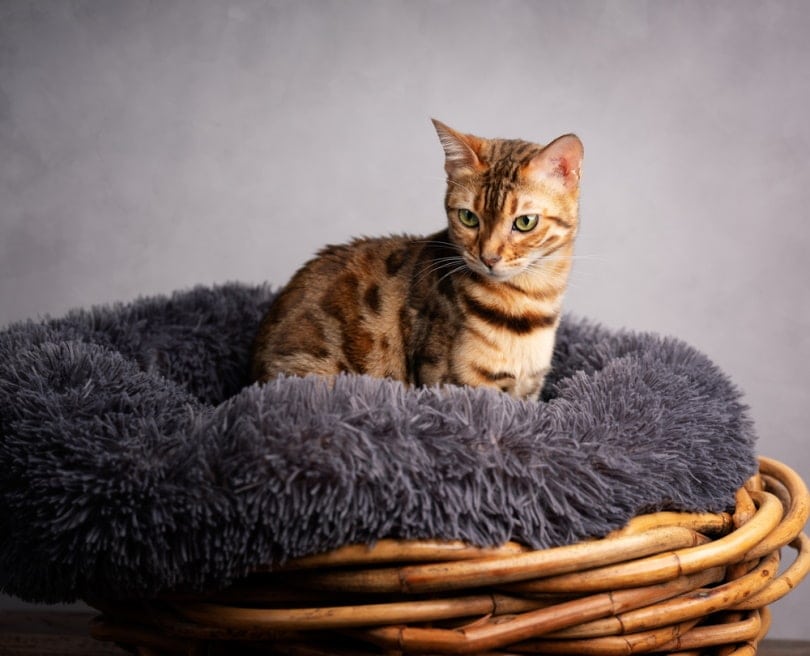
Cats need help staying warm. People can use blankets and bundle up in layers of clothing to stay comfortable. Cats can’t do this. You can greatly benefit your indoor cat by having plenty of toasty warm places to sleep. If your cat likes to burrow under the covers, provide warm flannel blankets for them. Don’t cover them yourself or swaddle them, though. Cats don’t like to be restricted, but they will enjoy burrowing however they choose to. Also, try the following:
1. Give Them Sunlight
Place a cat bed next to a window that gets the most sunlight streaming into your home.
2. Self-Warming Items
Use a heated or self-warming bed to help your cat retain most of its body heat. Self-warming beds reflect the cat's body heat at them. Heated beds need to be plugged in but won’t get hot enough to overheat your kitty.
3. Snuggle with Them
Let your cat snuggle next to you under the covers. In bed or on the couch, your cat can get warm quickly this way. You can stay warm too!

4. Give Them Extra Snacks
Give your cat extra snacks if they often seem to be cold. Cats burn calories for energy to stay warm, so they may need more food around this time. Don’t go overboard, though! You don’t want your cat to gain extra weight.
5. Play with Them
Play more with your cat so they get more exercise and raise their core temperatures. Active cats are warmer than cats lying still. Encourage running, jumping, and chasing behaviors to get your cat’s muscles moving.
6. What About Hairless Cats?
If you have a shaved or hairless cat, you may need to take additional steps. If your home is cold, your hairless cat will need extra help staying warm. In addition to these steps, consider getting a sweater or jacket for your cat to wear. While many cats don’t like clothing, a hairless cat may require it to help them stay warm.
How to Help Outdoor Cats Stay Warm
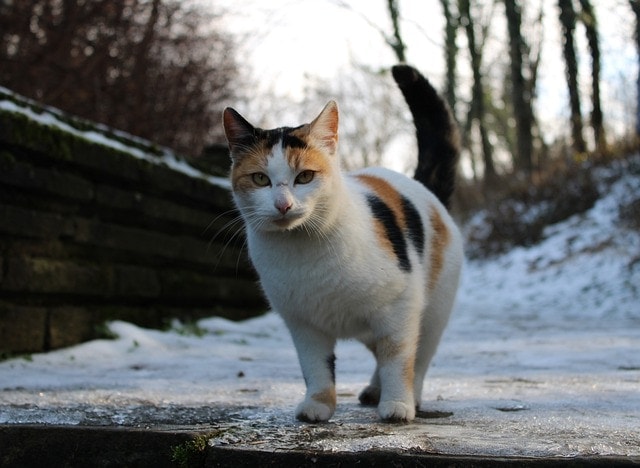
Outdoor cats, known as feral cats, are cats that live outside their entire lives. These cats have never had a home and they’re not tame. Since these cats have never been touched by humans, they can’t be adopted into loving homes. Many cities and counties have Trap-Neuter-Release programs in place. The cats are trapped in humane traps, brought into rescue facilities to be sterilized and vaccinated, and then returned to the street to live.
These programs greatly reduce the number of feral cats on the street. However, these cats still need care. They must be fed and protected from the elements to survive. Many feral cat colonies have dedicated caregivers who tend to them daily. If you are a caregiver or notice feral cats living in your neighborhood, there are ways that you can help them stay warm in the winter.
1. Provide Shelter
If you’re handy, you can build a shelter for cats yourself. If you’d prefer to buy one, you can get this Kitty Tube that is insulated and has an option for an electric heater. Use straw for insulation and bedding. Blankets and towels can get wet from snow and freeze, becoming dangerous for cats to sleep on.
Place the shelter in a low-traffic area, ideally where there is a wall or fence to block the wind.
2. Provide Food
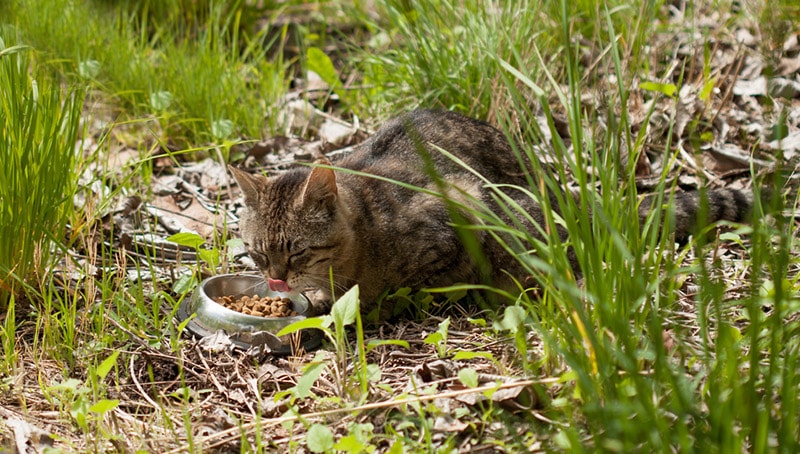
Cats burn energy to try to stay warm and to do this, they need calories. Dry food is ideal because it won’t freeze. If you do put out canned food, warm it up first and place it outdoors at scheduled times. This can teach the cats to show up at that time for a hot meal that keeps them warm. Always check back, and remove any canned food that is frozen or dried.
3. Provide Water
This is probably the most important way that you can help cats in the winter. The dry, cold air and no available water sources will dehydrate a cat quickly. Cats still need water in the winter.
Many people stop putting water out in the winter because it freezes and they believe that cats just eat snow instead. But when cats are already cold, eating snow can be dangerous to them. Not only do they need to use energy to melt the snow enough to turn it into water, but the snow could also lower their already low body temperatures.
You can put new water bowls out regularly, removing the frozen bowls and replacing them, or you can invest in a heated water bowl. These bowls require electricity to run, but you won’t have to worry about it freezing. Your outdoor cats can enjoy the water and avoid dehydration.

When to Worry About Cold Cats
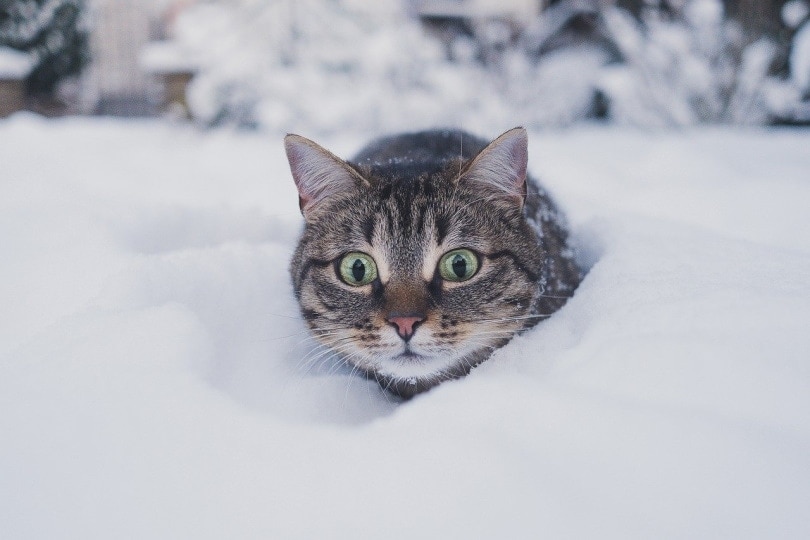
Cats can suffer from frostbite and hypothermia if they are exposed to cold weather. Frostbite is especially dangerous. If the temperature is below 32°F, blood vessels constrict to preserve the cat’s body temperature, reducing blood flow to the extremities. Paws, ears, and tails are at an increased risk for this condition.
Frostbite symptoms include:
Hypothermia occurs when the cat’s body temperature drops below 100°F. As this continues to drop, the heart and organs slow down. If this isn’t treated, it can lead to organ failure and death.
Hypothermia symptoms include:
If you notice any of these signs in your indoor or outdoor cats, take them to the vet immediately. With feral cats, it may not be as easy to get them to the vet because you can’t touch them. In this case, try to lure the affected cat into a trap using food. Once the cat is trapped, cover the trap with a towel or blanket, and take the entire trap to the vet. They will know how to sedate and treat a feral cat there.
Final Thoughts
Cats get cold just like people do and need help staying warm. Providing warm, cozy spots for your cat during cold months will help them be nice and toasty inside. If you have outdoor cats, providing warm shelters, food, and water will help them through the winter.
If you notice that your cat is exhibiting signs of being cold, we hope that you’ve learned a few fun and easy ways to help them warm up. Snuggling close together all winter will keep you both warm and help you bond too!
See also:
Featured Image Credit: Vikifawn, Pixabay
Get Hepper In Your Inbox


Pet care tips from our vets and experts, straight to your inbox.
You may opt-out at any time. View our Privacy Policy for more information.
Nicole is a lover of animals of all sizes but is especially fascinated with the feline variety. She’s the proud mom of Baby, a Burmese, and works every day so he can relax in the sunshine or by the fire. She’s always had a cat in her home and has spent countless days with others, observing behaviors and softening up even the grouchiest of the lot. Nicole wants to share her kitty expertise with you so you and your cat can live happy, healthy, and care-free.
Join the conversation
Ask a question, share your story, or send private feedback.