Hepper is reader-supported. When you buy via links on our site, we may earn an affiliate commission at no cost to you. Learn more.
How To Train a Dachshund: 10 Vet Approved Tips


In this article
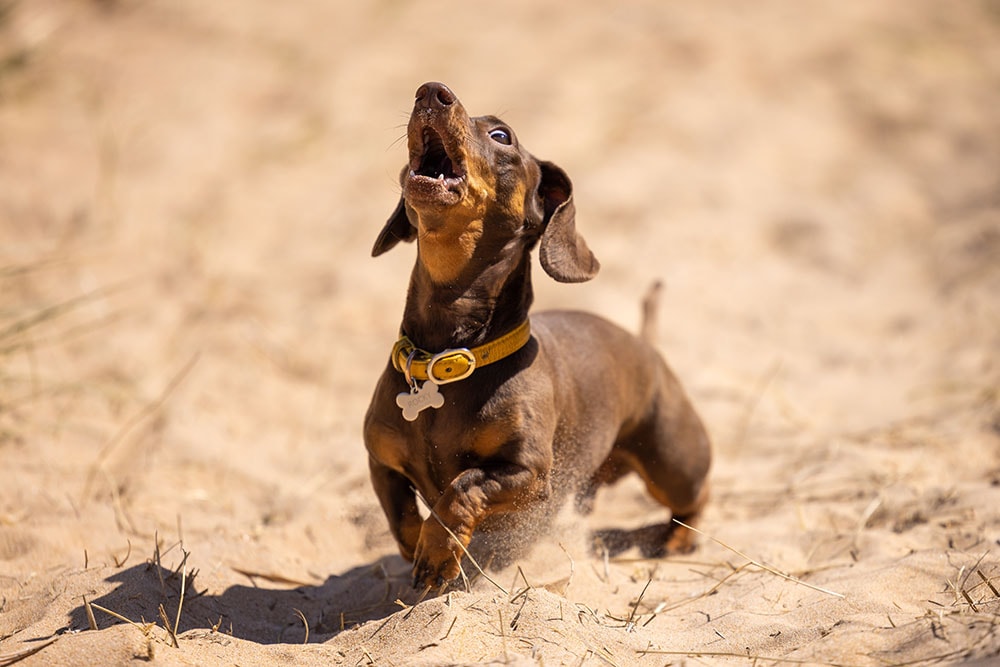
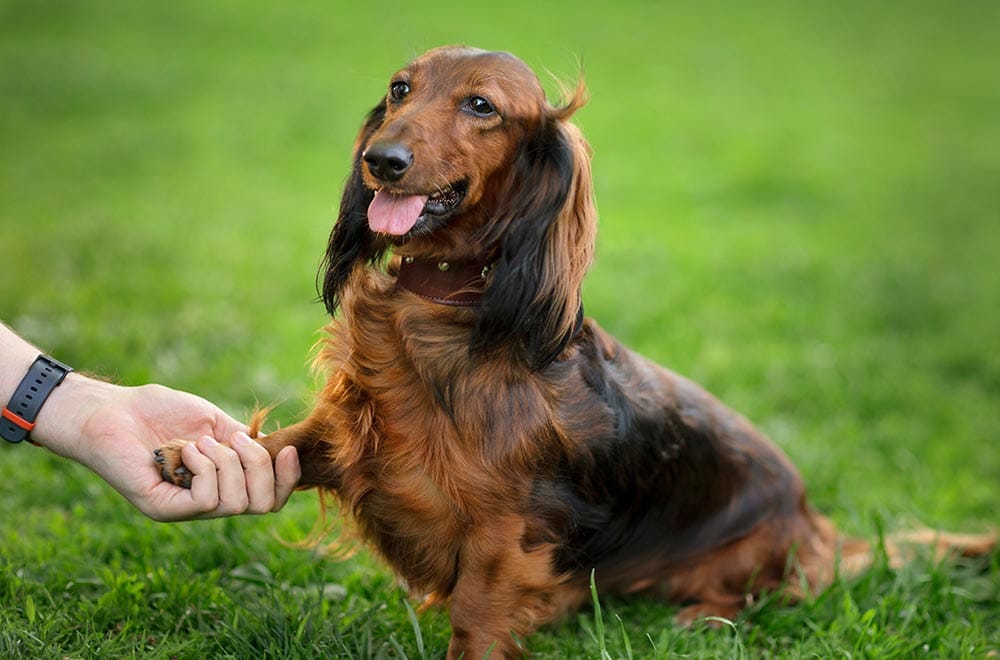
Dachshunds are tenacious, intelligent little dogs with a long history. Brave and loyal, the “sausage dog” originated in Germany in the 18th century and was bred to hunt badgers in their sets.
The Dachshund’s signature long body and short, stubby legs, paired with its loose skin and keen nose, made it excellent for trailing and chasing down badgers into tight tunnels and burrows without the risk of their skin tearing if caught.
First known as “Dachs Kreiger” or “Badger Warrior,” the humble wiener dog rose in popularity in the United States to become the country’s 12th most registered dog to the American Kennel Club in 2018.
While these little dogs are intelligent, they can be stubborn. So, what’s the best way to train them? Read on to find out more.

Are Dachshunds Easy to Train?
Dachshunds are intelligent, tenacious dogs with the capacity to be trained quickly. However, they are stubborn, and due to their scent-dog and badger hunting natures, they can become fixated on what they are doing (such as digging) and can take some convincing to leave their activity and concentrate on training.

Basic Training Tips
Dachshunds need basic training, as all dogs do. Basic training with commands such as sit, stay and recall can help keep your pup safe, entertained, and alert, with regular training time helping you bond.
Using tasty treats or motivators and going at your dog’s pace are good places to start when it comes to training. As Dachshunds can be stubborn at times, consistency and keeping them interested can help speed up training and build your pup’s confidence.
If you need help with training your dog, we suggest speaking to an online vet for tips and tricks.
The 10 Simple Steps to Train a Dachshund
1. Begin as a Puppy

There are some important windows in a puppy's development that are perfect to start implementing basic training.
Your puppy will respond to your tone of voice, as well as your actions and chosen words to try and discern what you want them to do, and basic commands such as sit, stay, and down are all things you can teach your young puppy to get them ready for positive socialization and further training.
2. Socialize
Another key period in your puppy's life is the socialization period, occurring at 3 weeks and diminishing at 12 weeks of age. This is a crucial step for training and setting up your Dachshund for positive interactions with dogs, people, and other animals for life.
Socializing your Dachshund during this period means letting it stay with its mother and littermates until it is at least 8 weeks old. Socialization will also train them not to be afraid of certain things, such as vacuum cleaner noises or people at the door.
This early training can help to address unwanted behaviors like barking and jumping up before they begin.
3. Find Out What Motivates Your Dachshund
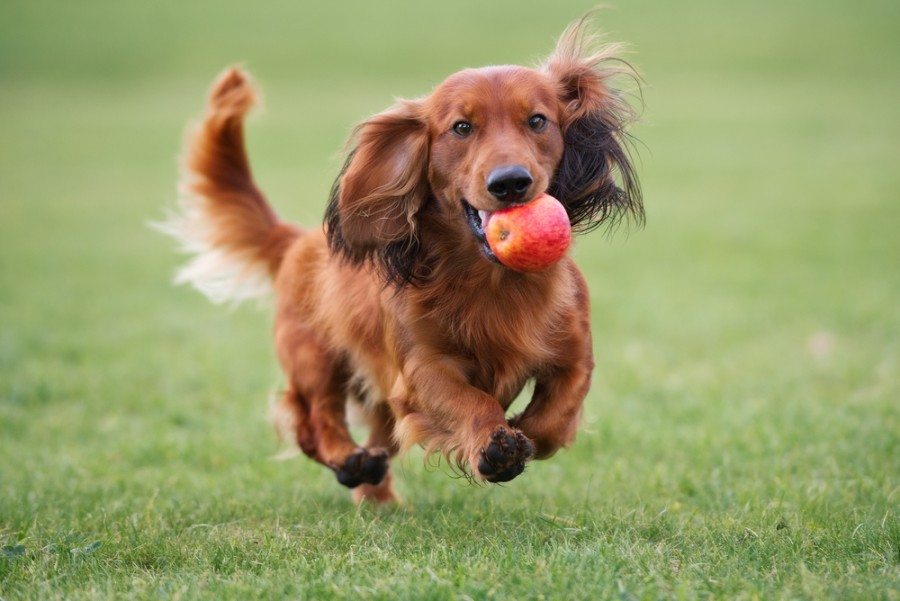
Every dog is different, and your little sausage dog will have different things they go crazy for, whether a tasty treat, a favorite game, or a trusty toy.
Finding out what motivates your Dachshund will give them the incentive to sit and pay attention to what you're trying to teach them and be an excellent reward for all their hard work.
4. Pick and Choose Your Words
Several words can be used for all sorts of commands in dog training, from sit to stay to lie down to lay.
Picking ideally one word per command and sticking with it, such as “Sit” rather than “Sit Down” or “Down” rather than “Lay Down,” can not only streamline the training process by giving your Dachshund a short, clear word to associate with the action you want them to perform but can also avoid confusion.
5. Use Short Sessions
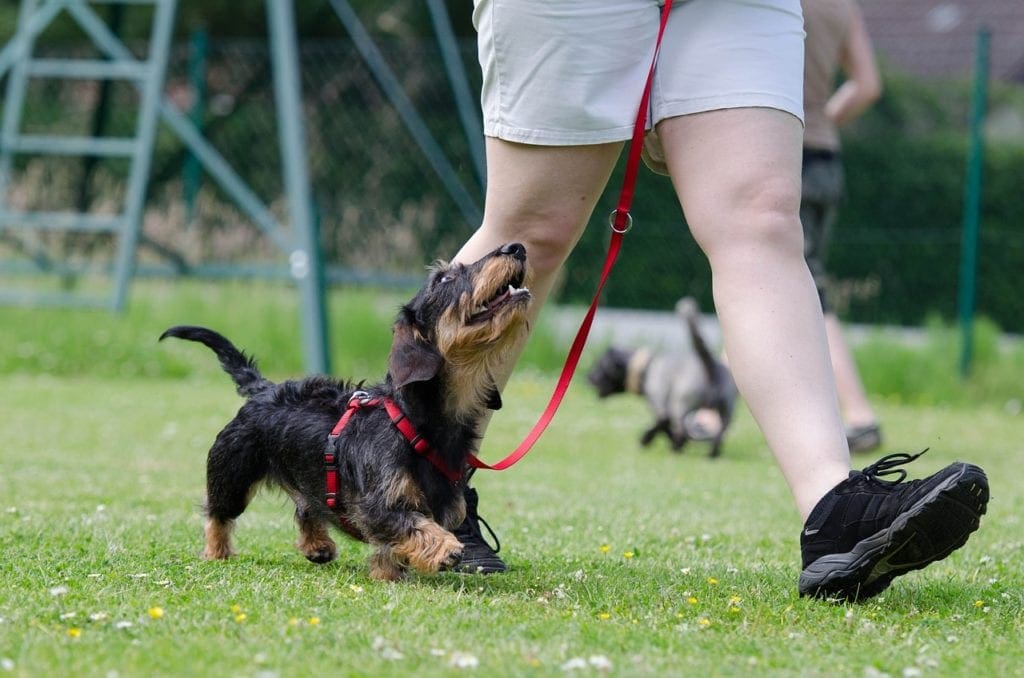
Dachshunds only have short attention spans (as do most dogs when starting training), so keeping your training sessions short and sweet will keep them from getting bored or associating the training with frustration.
When training with your Dachshund, due to their sometimes stubborn nature, keep training sessions to 15 minutes max, but always take notice of their behavior. You may have to cut sessions short if your dog seems frustrated.

Advanced Training Tips
6. Be Consistent
Dogs thrive on consistency, being creatures of habit and routine. If you plan your training sessions with your Dachshund, you’ll help them learn what to expect and get into the right mood for training.
The timing of your training and how you approach it (such as what words, actions, and rewards you give) can be more important than the training sessions themselves. A routine can also help your dog to learn faster, as using the same words and actions when training means effective communication between you and your pup.
7. Clarify Your Aims
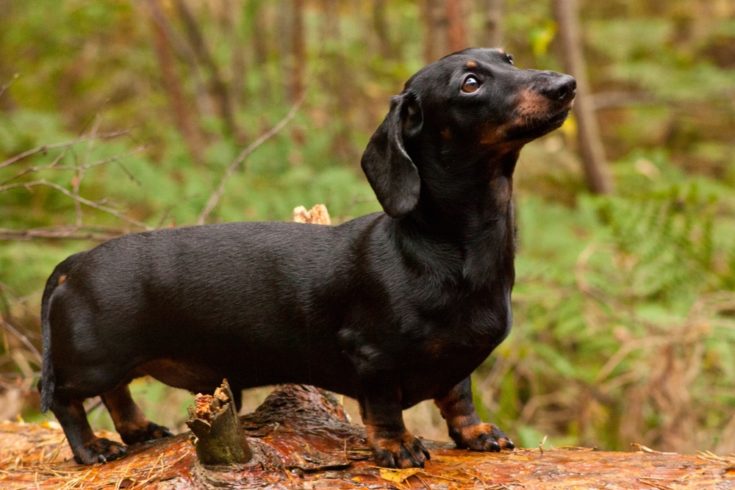
Starting your training with your Dachshund with a clear aim will ensure you both reach your goals, communicate effectively, and don’t get frustrated, as it's essential to let your pup know what you want them to do.
If you aim to teach them not to bark, for example, using the same command each time is vital, and know that laughing or encouraging them to bark at other times will confuse them and can undo any training progress you've made.
8. Master the Basics
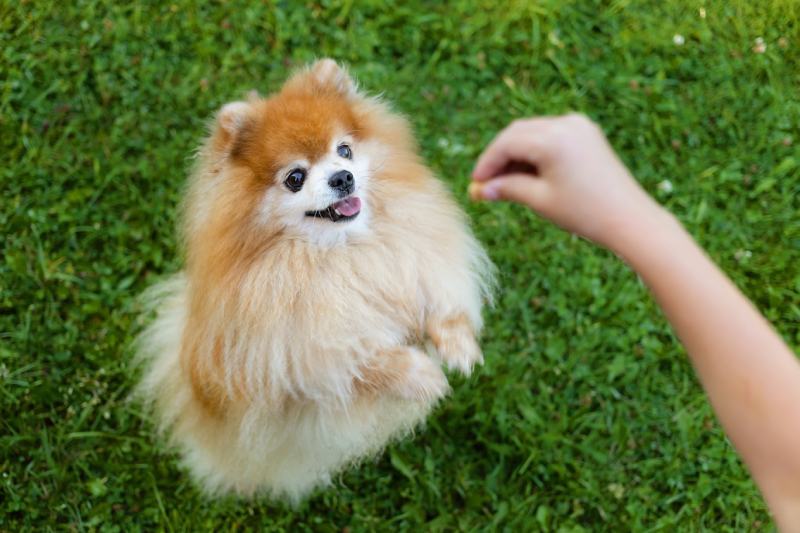
Often, basic commands can lead to more advanced ones once your Dachshund gets the hang of them. For example, the “sit” command can be maneuvered into “down” by holding a treat out and sliding it close to the floor away from your dog from between their front paws, encouraging them to lie down.
These basic training tricks can also help build your dog’s confidence in its abilities.
9. Use Only Positive Reinforcement
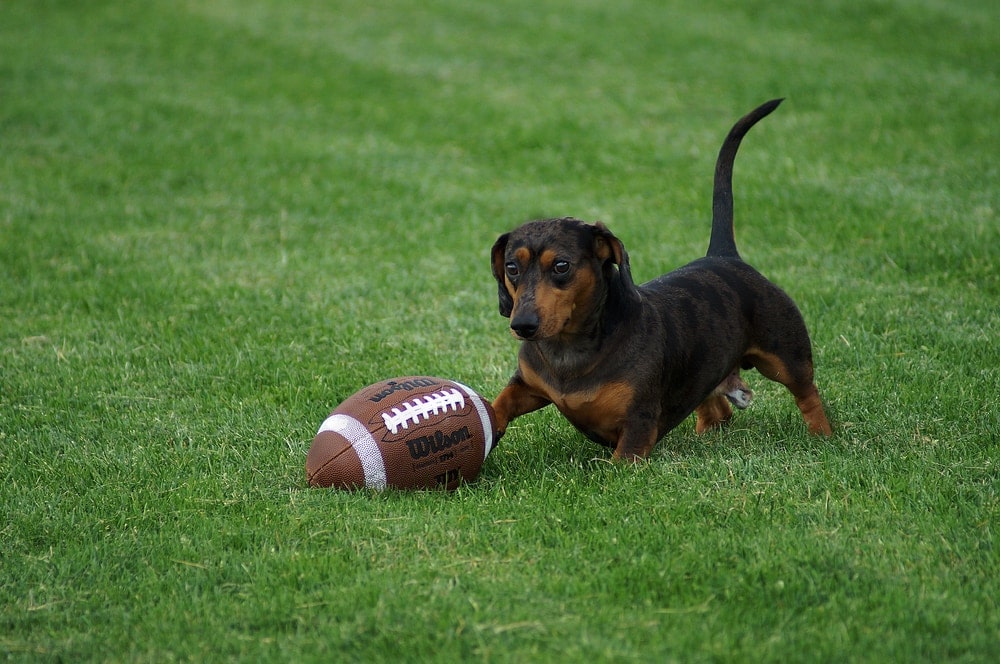
Training takes time, effort, and practice, and because Dachshunds are known for sometimes only playing by their own rules, a patient and encouraging hand are needed.
The communication between you and your pup needs to be effective to make progress with training, and punishment (such as shouting when your dog doesn't do something you want them to or does something you didn't want them to do) will only scare them.
If you use positive reinforcement and praise, it is a clear signal to your Dachshund that the behavior you’re trying to train them to do is exactly right and will net them a tasty treat or lots of cuddles if they do it again, which they’ll really try to do.
10. Take Notice of Your Dachshunds Behavior
Lastly, looking at how your Dachshund is behaving is a critical training element. Identifying the behavior that you do and don't want, as well as watching for any behavioral changes, can speed training and help to solidify good behavior in your dog’s brain, as rewarding good behavior as soon as it’s done will help your Dachshund to make the connection between behavior and reward.
Final Thoughts
While the steadfastness of a Dachshund’s personality can make training more difficult, being consistent and finding the proper motivator for your dog will make a world of difference in training. Build their confidence and let them know they're doing a great job, and you'll soon have a dachshund who is perfectly trained and happy as can be.
Sources
https://www.akc.org/expert-advice/training/how-to-train-a-dachshund-puppy/
https://www.akc.org/expert-advice/dog-breeding/creativity-and-timing-key-to-puppy-socialization/
https://www.akcpetinsurance.com/blog/canine-fatigue-6-signs-your-training-session-is-done-
https://www.preventivevet.com/dogs/does-your-dog-need-daily-routine
https://tractive.com/blog/en/training-en/consistency-and-rituals-in-dog-training
Featured Image Credit: Leka Sergeeva, Shutterstock
Get Hepper In Your Inbox


Pet care tips from our vets and experts, straight to your inbox.
You may opt-out at any time. View our Privacy Policy for more information.
Beth is a mom to two babies: one with four legs, and one with two. Beth has years of practical experience as a veterinary care assistant, working in both the operating room and in consult, expanding her knowledge to gain certification in her favorite subject: feline behavior and well-being! When she's not writing about her favorite topics (cats, dogs, and creature comforts), she's looking after her two-year-old daughter and her energetic eight-year-old Nebelung, Kiba. When she gets a moment's respite, Beth loves to read fiction books. Horror is her number one genre, with fantasy and rich history being her second option.
Join the conversation
Ask a question, share your story, or send private feedback.