Hepper is reader-supported. When you buy via links on our site, we may earn an affiliate commission at no cost to you. Learn more.
Kidney Disease in Cats: Causes, Signs & Treatments (Vet Approved)

In this article
Kidney disease is a broad term that includes any time the kidneys do not work correctly. It can be a long-term, chronic problem that slowly degrades the system over time, or it can occur suddenly.
Both can be caused by numerous things that create complex changes that impair function and cause diseases in the kidneys. However, in cats, when most people refer to kidney disease, they are referring to chronic kidney disease, a syndrome where the kidneys progressively fail over time. It is common in cats, especially older felines.
This article will describe kidney disease, and since acute and chronic kidney disease are different, it will discuss them separately.

What Is Kidney Disease?
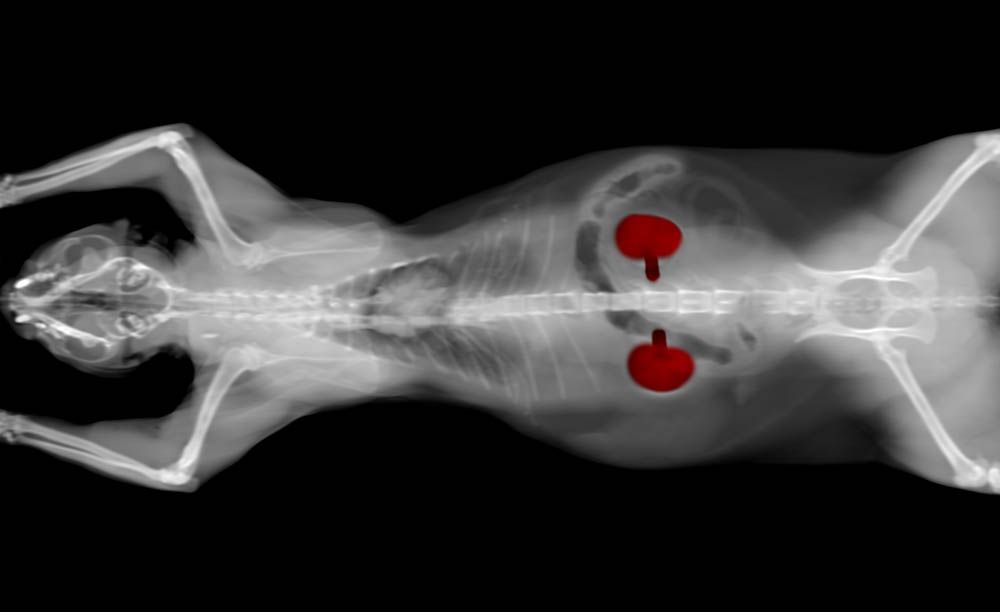
The kidneys filter the blood. They filter out the metabolic waste material that is transported away from organs by the blood to the kidneys and out of the body as urine. When kidney disease develops, the tiny filters that accomplish this fail to do their job for whatever reason.
Chronic Kidney Disease
In chronic kidney disease, the kidneys progressively lose the ability to filter the blood and create urine. As the kidney struggles to retain normal function, the metabolic waste that the kidneys are supposed to eliminate builds up in the blood. This buildup of waste material in the blood causes some of the clinical signs that can make kidney disease unpleasant for cats.
It also means that the parts of the kidney that still work have to work extra hard and are strained, so they are quicker to burn out and also fail. It becomes a vicious cycle where things get worse.
Acute Kidney Disease
In acute kidney disease, something makes the kidneys fail to function, and the metabolic waste builds up suddenly and dramatically. The sudden change in the biochemistry of the blood because of waste buildup usually makes the cats feel very sick.
The kidneys also try to overcompensate because the blood is now out of balance, and they work even harder to eliminate it by generating extra urine. As a result, a cat with acute kidney disease easily and quickly becomes dehydrated as the kidney pulls too much liquid out of the blood to make the extra urine.
While chronic kidney disease can linger for a while, in acute kidney disease, the onset of symptoms happens suddenly and dramatically. Both cause the cat to feel sick and get dehydrated easily.
What Are the Signs of Kidney Disease?
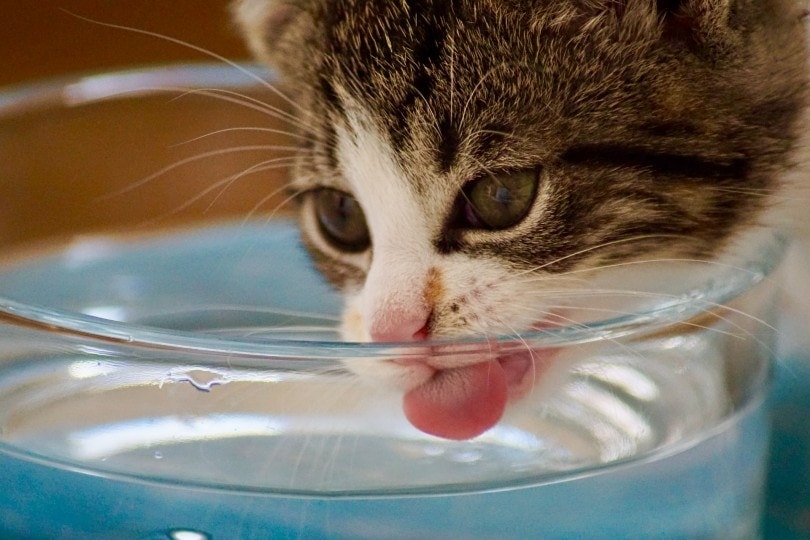
The most telltale sign of kidney disease is a change in the amount of water a cat drinks and the amount they urinate. Signs in both types of kidney disease can include vomiting and dehydration. However, there are differences between the signs indicating chronic or acute kidney disease.
Signs of chronic kidney disease include:
Acute kidney disease signs vary slightly:
As a side note, an older cat with a poorly groomed coat is not always a sign of old age. It can be a sign of disease. Old cats that are healthy keep their coats healthy. Diseased cats cannot grow a full coat. Have them checked by a vet, even if they are old.

What Are the Causes of Kidney Disease?
Chronic Kidney Disease
Chronic kidney disease is a vicious cycle, as more of the kidney fails to function normally, it causes more damage to the functioning parts of the kidney as they work harder and harder to keep up. The progressive degradation of the kidney slowly builds on top of each other until the entire thing functionally collapses.
Chronic kidney disease occurs mostly in older cats. The older they are, the more likely their kidneys are damaged. It also tends to occur simultaneously with other chronic diseases that also occur in older cats.
Acute Kidney Disease
Acute kidney disease is usually caused by things that invade and infect the kidneys and cause them to stop working as well, such as:
- Bacteria
- Viruses
- Poisons (ethylene glycol-antifreeze)
- Medications (NSAIDs)
- Toxic foods (grapes, salty treats)
Both chronic and acute kidney disease can also be caused by the following:
Acute kidney disease can be reversed. As long as it is caught and treated before the damage becomes permanent, cats can survive acute kidney disease. In chronic kidney disease, the changes are permanent, and the cats cannot heal from it.
How Do I Care for a Cat with Kidney Disease?
Chronic Kidney Disease
A cat with chronic kidney disease will not heal. Once the damage is there, it is there and the disease keeps adding on top of itself. However, there are things you can do to slow it down.
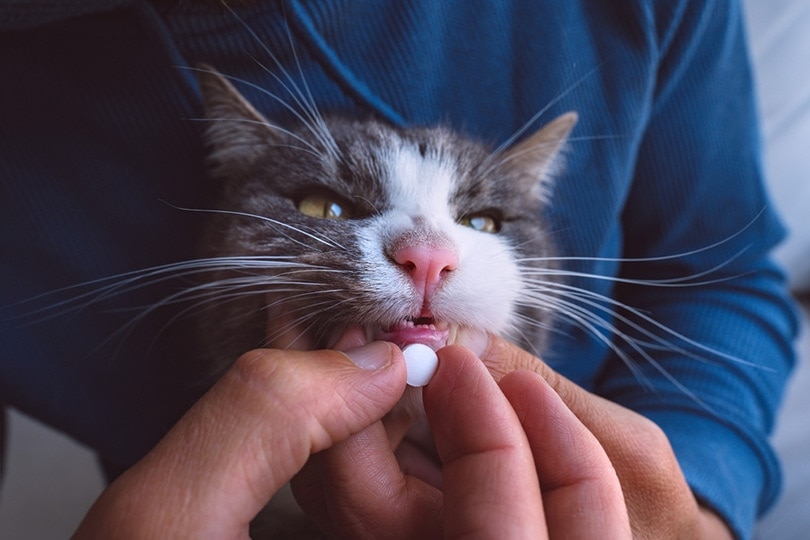
To slow the progression of the disease and to help a cat with chronic kidney disease feel better in general, bring them to a vet first. Here is a list of some of the simpler things that you might try, especially with the approval of your vet. Some work better for certain cats than others, so it may take a bit of trial and error to find the things that work best.
- Prescription diets for kidney disease.
- Medications for pain, antinausea, blood pressure, and/or others, etc.
- Increasing water intake
- Regular vet check-ups
- Fluid therapy
Acute Kidney Disease
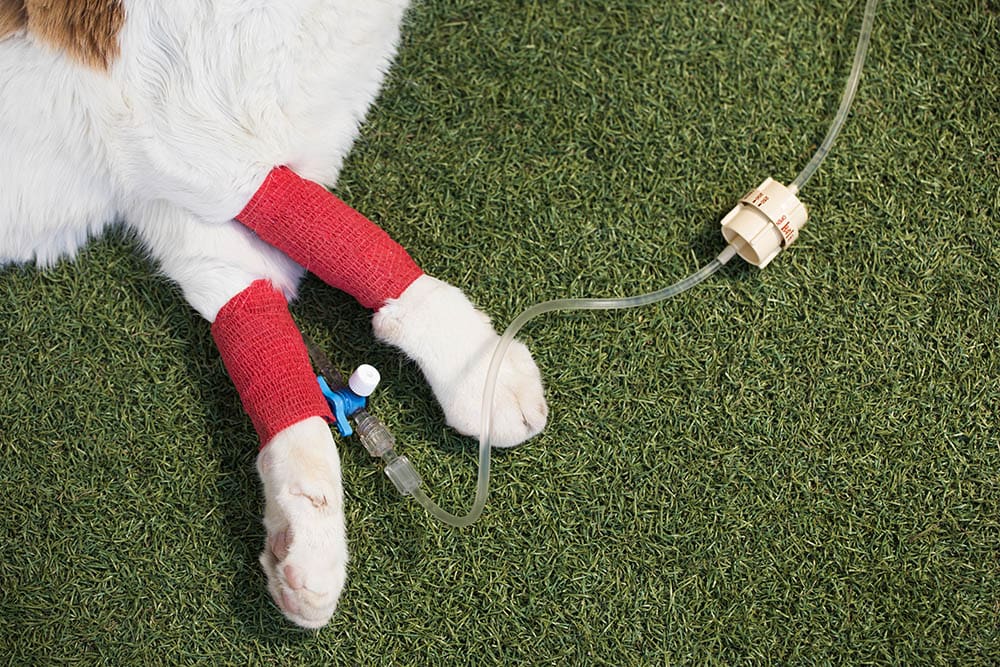
A cat with severe enough acute kidney disease will probably need to be hospitalized. Even if it's not severe, they will need a vet check. Remember, the earlier you catch acute kidney disease and provide medical support, the greater the chances of survival. Do not wait to see if it gets better.
Most of the time, IV fluid therapy or subcutaneous fluids are necessary to help keep everything flowing through the kidneys as they struggle to survive.
Acute kidney disease is an urgent disease that needs immediate therapy. With the right medical help, some cats can completely recover, unlike chronic kidney disease.
Frequently Asked Questions (FAQs)
1. Why will my cat not eat its prescribed kidney disease diet?
This is one of the biggest challenges when treating kidney disease. The commercial diets for treating kidney disease are effective at slowing the disease down and decreasing clinical signs of the disease—if the cat actually eats it.
But many cats do not like the new food and simply will not eat it. Plus, many cats with chronic kidney disease are already losing weight because they do not want to eat already. So, convincing them to eat a new food is next to impossible. Give the new diet a good old try. But if your cat is refusing to eat, talk to your vet.
Most likely, they will advise that eating anything is better than not eating the best stuff. Sometimes it's about just making them as happy as they can be in the moment.
2. How can I get my cat to drink more water and stay hydrated?
Add water to their food. As long as they are eating, and don’t mind it, add as much water to their food as they will tolerate. Give them lots of water bowls to choose from. Provide still and running or bubbling water. Some like to drink moving water, others like it still and fresh.
Reduce competition for water. If there are other pets, make sure your cat never feels intimidated by them when they go to drink water.
3. Is my cat in pain because of their chronic kidney disease?
It depends on how severe it is. Severe kidney disease does not feel good. We are not exactly sure if it hurts cats exactly. Maybe it does. But it certainly does not feel good. They certainly can feel very sick.
They often do not want to eat or drink. They might not want to play the games they used to. They might not be interested in the things they used to love. All of these are signs of discomfort. We are also pretty sure kidney disease makes them feel nauseated, which is why they don't eat and vomit (and lose weight). Medical treatment can help alleviate discomfort, but it does not cure it—and it might still be too much.
Ultimately this is a conversation to have with your vet. And to check in regularly with them if you are concerned. Setting up regular check-ups to assess their quality of life can be helpful for your cat's comfort and your own peace of mind.
Conclusion
Kidney disease is a tough one. It is complex, confusing, and difficult to treat. Each cat will respond to the disease and treatment a little differently, which is why you need an individualized plan for your special cat.
Ultimately, being attentive and caring are the best things for it. Keeping your cat comfortable and happy means extra love and care when they have a chronic disease.
Featured Image Credit: Sisacorn, Shutterstock
Get Hepper In Your Inbox


Pet care tips from our vets and experts, straight to your inbox.
You may opt-out at any time. View our Privacy Policy for more information.
Dr. Chantal is passionate about the human-animal bond and improving animals' lives through their connections with their human companions. She has worked with many different species, big and small, including dogs, cats, birds, rabbits, guinea pigs, reptiles, amphibians, and even horses and mice. Chantal is excited to share her knowledge using her writing to help people connect with their animal friends.
Dr. Chantal believes that the best way for animals to be healthy is for their humans to understand their needs and well-being. She loves spreading her knowledge to as many people as she can through her writing.
Education
Dr. Chantal graduated from the Royal Veterinary College in London, England, where she received her vet degree. She then received her Masters in Conservation Medicine from Tufts University.
Experience
Dr. Chantal has worked with animals her entire life in many fields, even outside of veterinary medicine. She managed horse barns, worked as a dog trainer, and as a wildlife biologist before attending vet school. Chantal has been a veterinarian for over three years and continues to work with dogs, cats, and exotic animals. And, she still knows a thing or two about horses.
Join the conversation
Ask a question, share your story, or send private feedback.