Hepper is reader-supported. When you buy via links on our site, we may earn an affiliate commission at no cost to you. Learn more.
Can Cats Recover From Kidney Failure? (Vet Answer)

In this article
To answer this question, it is first important to distinguish between acute and chronic kidney failure. Let's take a closer look.

Acute vs Chronic Kidney Failure in Cats
Acute kidney failure, also called acute kidney injury (AKI), occurs when the kidneys stop working due to damage occurring in a short period of time (hours to days). This can happen for a variety of reasons, some of which include:
The likelihood of recovery from AKI depends on what caused the failure and how much the kidneys are damaged before treatment can be initiated. Unfortunately, a large review of cases including all causes of AKI showed that only 46.9% of cats survived. It is reported that approximately half of the cats who do recover from AKI have permanently impaired kidney function.
Chronic kidney failure, usually referred to as chronic kidney disease (CKD), is primarily a disease of older cats. It results from kidney damage happening gradually over months and even years. Sadly, CKD has no cure. The amount of time cats live with CKD varies widely, but mostly depends on how early in the course of disease they are diagnosed.
The International Renal Interest Society (IRIS) has developed staging guidelines for CKD based on specific blood and urine test values. Based on these stages, a retrospective study provided helpful insight into survival times for cats with CKD. Most cats with early-stage disease lived for several years, while cats diagnosed in the most advanced stage passed away or were euthanized within a few months.
What Are the Signs of Kidney Failure In Cats?
Cats with acute kidney injury (AKI) often:
Signs of chronic kidney disease (CKD) may be less obvious and appear more gradually:
As CKD progresses, symptoms become similar to those listed for AKI.
How Is Kidney Failure Treated in Cats?
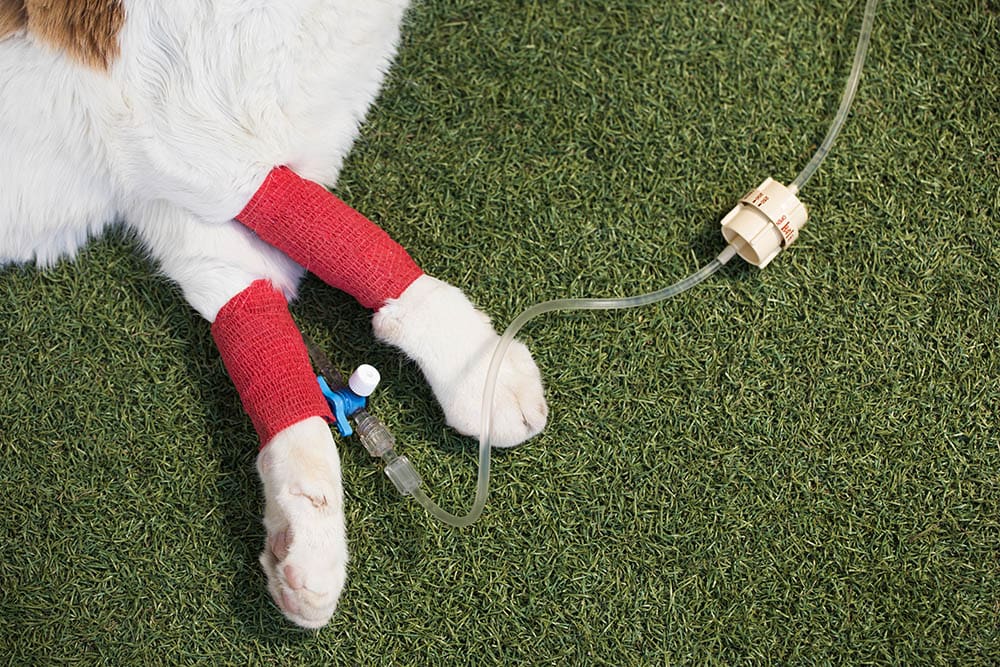
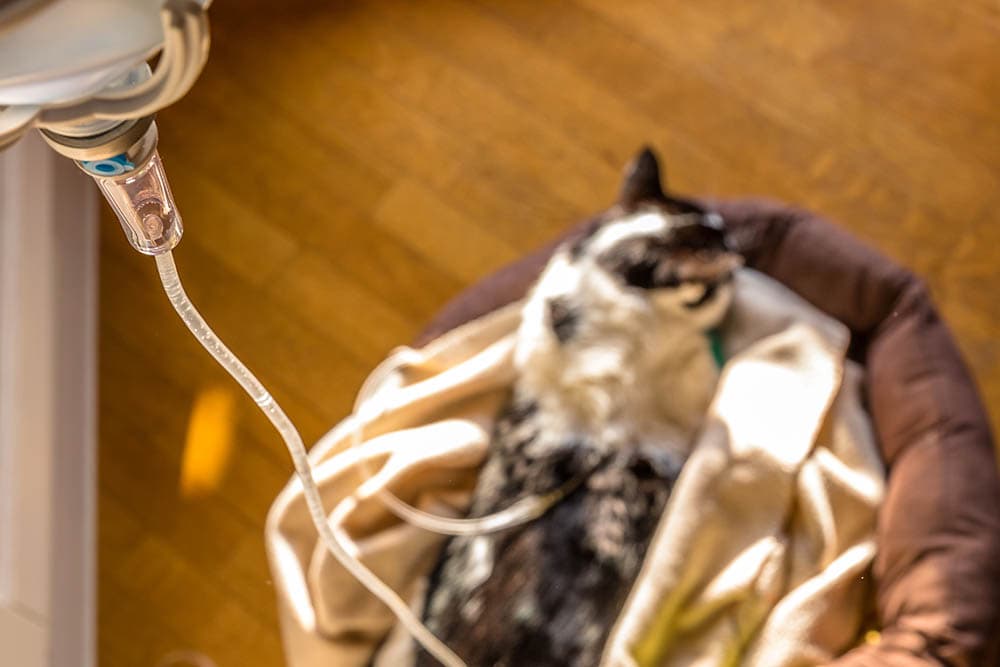
Acute kidney injury (AKI) requires urgent, aggressive treatment in a veterinary hospital. Intravenous (IV) fluid therapy is critical, along with other supportive care and close monitoring. Hemodialysis is sometimes performed but it is an expensive treatment and not widely available. However, there is some evidence that it may improve outcomes for cats with severe AKI if implemented right away.
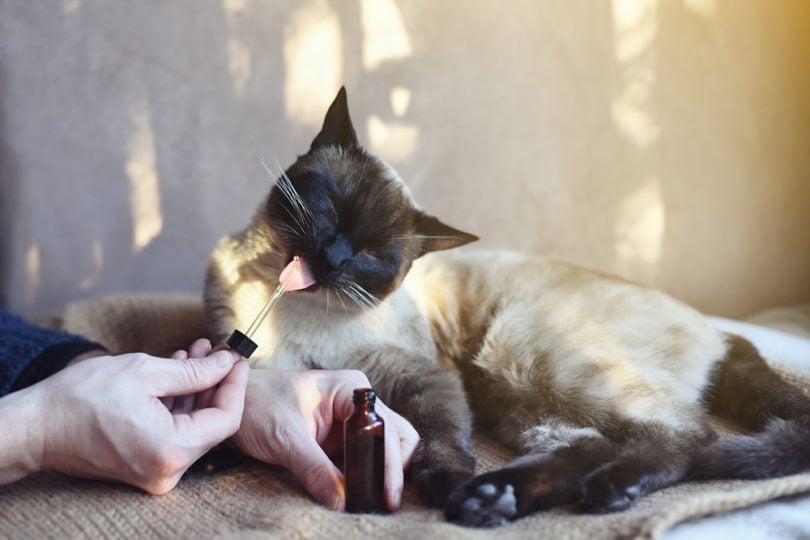
Treatment of chronic kidney disease (CKD) is focused on keeping the cat feeling as good as possible and slowing the course of disease. This can involve:
Hemodialysis is not typically recommended for cats with CKD.
Can Kidney Failure Be Prevented?
For many causes of acute and chronic kidney failure, the answer is unfortunately no.
However, here are some things you can do to help keep your cat’s kidneys healthy:
Most importantly, if you have any concerns about your cat’s health, please make sure you contact a veterinarian.
Featured Image Credit: ojos de hojalata, Shutterstock
Get Hepper In Your Inbox


Pet care tips from our vets and experts, straight to your inbox.
You may opt-out at any time. View our Privacy Policy for more information.
Dr. Sharon (as she is known by her clients) has had an intense love for animals for as long as she can remember. She grew up in Guelph, Ontario and fulfilled her childhood dream by obtaining her Doctor of Veterinary Medicine (DVM) degree from the Ontario Veterinary College in 2009. She has since found joy working in a variety of small animal clinics, focusing on cat and dog care. She loves sharing her expertise and empowering pet owners to take the best possible care of their fur babies!
Sharon currently lives in beautiful British Columbia with her husband, daughter, and Parker, her loveable Great Dane. When she’s not at work, she enjoys clogging, photography, and exploring the outdoors with her family.
Dr. Sharon (as her clients call her), was raised in Guelph, Ontario, and has loved animals for as long as she can remember. She fulfilled her childhood dream when she obtained her Doctor of Veterinary Medicine (DVM) degree. Sharon now lives in British Columbia, Canada with her husband, daughter, and Parker, their loveable Great Dane. When she’s not working, she enjoys clogging, photography, hiking, and camping with her family.
Education
Dr. Sharon obtained her DVM in 2009 from the Ontario Veterinary College in Ontario, Canada.
Experience
Dr. Sharon loves sharing her knowledge and empowering people to take the best possible care of their fur babies, which she has been able to do through her work. She has practiced in a variety of small animal clinics since graduating, with a main focus on cats and dogs.
Check out some of our top posts written by our veterinary team:
Why Does My Dog Snore? Should I Act?
My Cat Ate Paint! Our Vet Explains What to Do Now
How Common is Heartworm in Cats? 7 Things to Know About Heartworm Disease
Join the conversation
Ask a question, share your story, or send private feedback.