Hepper blog

Search our database of over 9,984 posts with up-to-date information from our experts and veterinarians.

Hepper is reader-supported. When you buy via links on our site, we may earn an affiliate commission at no cost to you. Learn more.

How Many Kidneys Do Cats Have? Vet-Reviewed Facts

By Rachael Gerkensmeyer · Reviewed & fact-checked by Dr. Paola CuevasVet Approved
Dr. Paola Cuevas
Reviewed & Fact-Checked byDr. Paola CuevasMVZ (Veterinarian)
Paola Cuevas is a veterinarian and animal behaviorist, with over 18 years of experience working with a variety of species. Her passion is animal welfare and focuses on the importance of preventive medicine. Paola has skills in the fields of nutrition, microscopy, clinical pathology, diagnostic imaging, and endoscopy as well as extensive experience in animal training through positive reinforcement. As our in-house veterinarian, Paola is very happy to share her knowledge and experience with our readers and hopes to be helpful with any issue presented by your non-human family members.View authorThe information is current and up-to-date in accordance with the latest veterinarian research. Read about our vets
Share
Ask us a question in the comments
cat sleeping in a cat bed at the patio sunbathing belly up

Cats are fascinating creatures that can do amazing things, like climb up the curtains on our windows at home. They don’t eat the same way we humans do, as they are obligate carnivores that require only animal protein to stay healthy throughout their lives. On the other hand, we humans are omnivores and require just as many fruits and veggies as animal protein to stay healthy.

So, you may wonder whether cats have the same organs as humans do. One thing people often wonder is how many kidneys cats have. Are cats designed like we are to brave this mighty world? Yes, for the most part, they are, which means that most cats have two kidneys. They are built like most other mammals on this planet. Read on to learn more!

Most Cats Have Two Kidneys

As most mammals do, cats have two kidneys to help remove waste from their bodies. Their kidneys work the same way that ours do, so it is vital to ensure that they stay healthy as time goes on. Feeding your cat a quality diet and keeping them away from known toxins (like certain cleaning products) is a great way to support good kidney health in your pet.

red scottish fold cat on a dark background
Image by: Alexander Sobol, Shutterstock

Cats Sometimes Have Only One Kidney

While rare, some cats are born with only one kidney. Sometimes, cats develop health problems that cause one kidney to fail, leaving them with only one good kidney left to keep them afloat. However, cats can live long and healthy lives with just one kidney to rely on. Clean water, dietary management, fresh air, and a relaxed environment are essential for cats with one kidney.

A veterinarian will likely prescribe a special diet and specific lifestyle guidance to help ensure that a cat living with one kidney can live a long life. However, it is up to the cat owner to ensure that extra precautions are taken to keep a cat with one kidney healthy. Sadly, cats with either one or two kidneys can develop kidney disease.

Cats are Susceptible to Developing Kidney Disease

Up to 30% of cats develop kidney disease after the age of 10. Modern technology and healthcare have made it possible for cats with kidney disease to live longer and happier lives, but the disease is irreversible and requires regular medical attention. Because so many cats suffer from kidney disease, it is important to understand the signs that all owners should keep an eye out for, whether their feline family members are 5 or 15 years old.

Veterinary clinic examining a radiograph of a Persian cat
Image Credit: 135pixels, Shutterstock

Signs of Kidney Problems in Cats

Cats tend to show some signs of kidney disease once the disease sets in. Discovering these signs early on will give your cat a better chance of surviving and even thriving in the coming years.

The most important signs to keep an eye out for include but are not limited to:

  • Decreased urination
  • Increased interest in drinking water
  • A loss of interest in food
  • A general display of lethargy
  • Gastrointestinal distress
  • Seizures
  • Mouth sores (ulcers)
  • A disinterest in being social

If your cat displays any of those signs, it is important to see your veterinarian as soon as possible. Letting the signs fester may likely harm your pet more and result in the development of worse signs.

Conclusion

Cats have the same number of kidneys that humans do, cats on a dry food diet tend to develop kidney disease more often. Therefore, it is important to keep kidney health at the forefront when creating a care plan for your furry loved one. Make sure they drink plenty of water and include wet food in their diet to prevent kidney disease. Your vet can help you understand the chances of your cat developing kidney disease, help you create a plan to keep your cat's kidneys healthy and provide you with the support you need to care for your kitty if they do end up developing kidney disease.


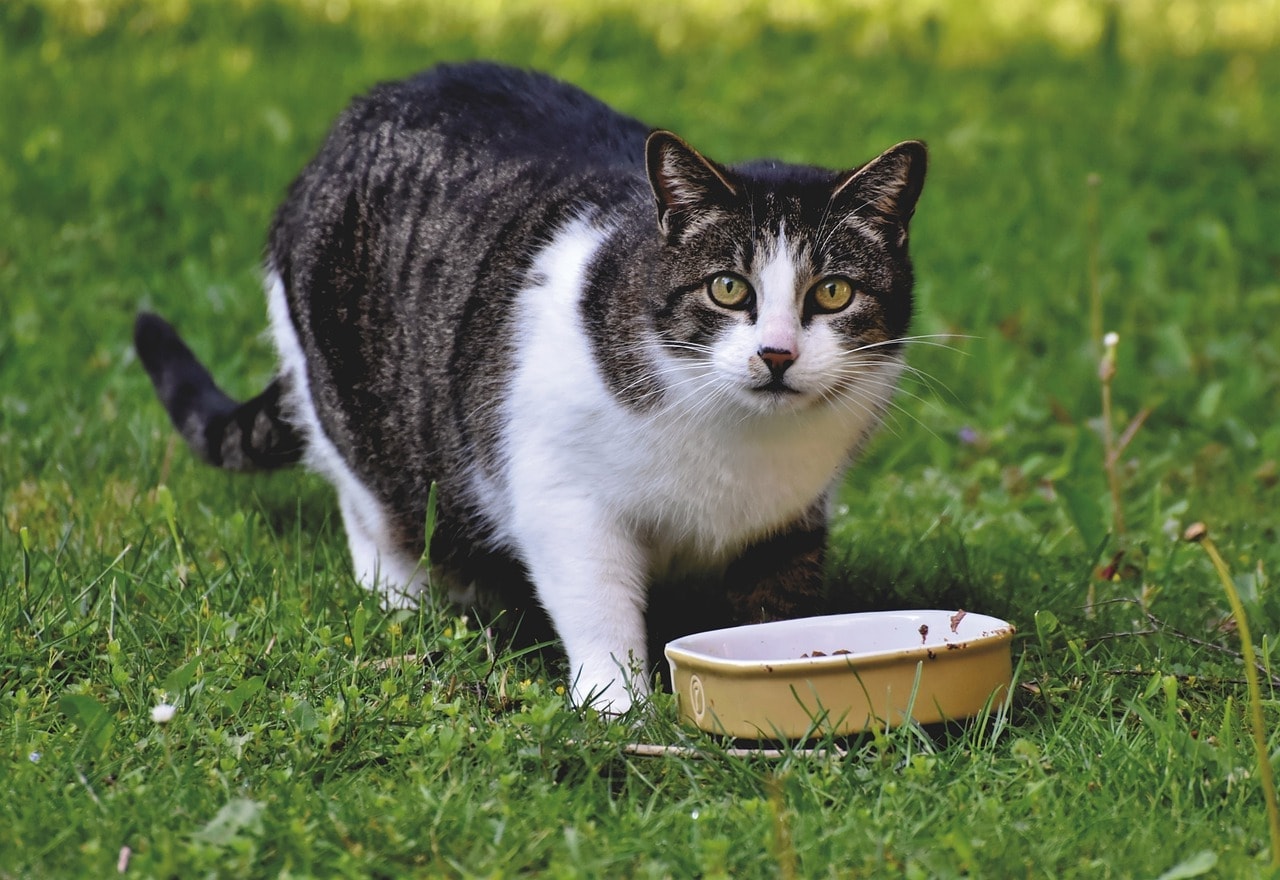
Featured Image Credit to Jim Black, Pixabay

Get Hepper In Your Inbox

Pet care tips from our vets and experts, straight to your inbox.

List

Select all that apply.

You may opt-out at any time. View our Privacy Policy for more information.

Rachael Gerkensmeyer
Authored by

Rachael Gerkensmeyer

Join the conversation

Ask a question, share your story, or send private feedback.

Rate this post
Required to post. Only our editors see your rating.
Who should see this?

A human reviews every comment before it appears. Your email is never published.

Picked to go with this article

Kidney Disease in Cats: Causes, Signs & Treatments (Vet Approved)

Kidney Disease in Cats: Causes, Signs & Treatments (Vet Approved)

Kidney disease is a broad term that includes any time the kidneys do not work correctly. It can be a long-term, chronic problem that slowly degrades the system…

Dr. Chantal Villeneuve
By Dr. Chantal Villeneuve ·
How Many Hearts Does a Cat Have? Vet-Reviewed Facts & Tips

How Many Hearts Does a Cat Have? Vet-Reviewed Facts & Tips

You may know that certain animals can have more than one heart—octopus, squid, and hagfish, for example. They need their extra hearts for various reasons. So,…

Ashley Bates
By Ashley Bates ·
Can Cats Recover From Kidney Failure? (Vet Answer)

Can Cats Recover From Kidney Failure? (Vet Answer)

To answer this question, it is first important to distinguish between acute and chronic kidney failure. Let's take a closer look. Acute kidney failure, also ca…

Dr. Sharon Butzke
By Dr. Sharon Butzke ·
Is My Cat Drinking Enough Water? Here’s What to Look For

Is My Cat Drinking Enough Water? Here’s What to Look For

Water is essential for life and just like us cats need to stay well hydrated to maintain their health. Although domestic cats are descended from the African wi…

Rachael Gerkensmeyer
By Rachael Gerkensmeyer ·

Keep reading

More stories you might like

How to Help a Cat With Kidney Disease Gain Weight: 6 Vet-Reviewed Solutions

Kidney disease, whether acute (short-term) or chronic (long-term), is a common affliction for our feline friends. To manage this disease, you’ll need to work c…

Elizabeth Gray
By Elizabeth Gray ·
How to Help a Cat With Kidney Disease Gain Weight: 6 Vet-Reviewed Solutions

How Many Stomachs Do Cats Have? Vet-Verified Anatomy Facts

Understanding your cat’s digestive system is one way to make sure they stay healthy. Cats are obligate carnivores, meaning they require animal protein in their…

Nicole Cosgrove
By Nicole Cosgrove ·
How Many Stomachs Do Cats Have? Vet-Verified Anatomy Facts

Cat Anatomy Basics: 9 Essential Feline Body Parts

Most of us don't think too much about cat anatomy. We know what they need to survive and thrive, and for many of us, that's good enough. However, you're truly…

Chantelle Fowler
By Chantelle Fowler ·
Cat Anatomy Basics: 9 Essential Feline Body Parts

How Much Water Do Cats Need? Vet-Verified Signs, Causes & Prevention of Dehydration

Cats in the wild will get most of their water from the moisture content in their food. However, a cat's captive diet typically has a low moisture content, espe…

Nicole Cosgrove
By Nicole Cosgrove ·
How Much Water Do Cats Need? Vet-Verified Signs, Causes & Prevention of Dehydration

Can Cats Drink Tap Water? Vet-Reviewed Safety Tips

Water is a vital resource that sustains all life, from humans to plants to pets like cats and dogs. We know cats need water, but what type of water is best? Ca…

Nicole Cosgrove
By Nicole Cosgrove ·
Can Cats Drink Tap Water? Vet-Reviewed Safety Tips

How Many Days Can a Cat Go Without Water? Vet-Verified Facts & Safety Tips

Cats and water aren’t great matches. We all know how they feel about getting wet, especially when it comes to bathing. Besides their less-than-loving feelings…

Genevieve Dugal
By Genevieve Dugal ·
How Many Days Can a Cat Go Without Water? Vet-Verified Facts & Safety Tips

Benefits and Downsides of Wet Food for Cats: Vet-Reviewed Nutrition & Diet Facts

One of the most confusing things to many pet owners is that there are two different foods, dry kibble, and wet food. Many people ask us if cats need wet food a…

Ed Malaker
By Ed Malaker ·
Benefits and Downsides of Wet Food for Cats: Vet-Reviewed Nutrition & Diet Facts

Potassium Supplements for Cats: Uses & Side Effects (Vet Answer)

Potassium is an important electrolyte for many functions in the body, including the functioning of the nerves, muscles, and the heart. Potassium is essential f…

Dr. Kelly DeBaene
By Dr. Kelly DeBaene ·
Potassium Supplements for Cats: Uses & Side Effects (Vet Answer)