Hepper is reader-supported. When you buy via links on our site, we may earn an affiliate commission at no cost to you. Learn more.
Pomsky (Pomeranian & Husky Mix): Info, Pictures, Facts, Traits
In this article
Breed Overview
Height:
Weight:
Lifespan:
Colors:
Suitable for:
Temperament:
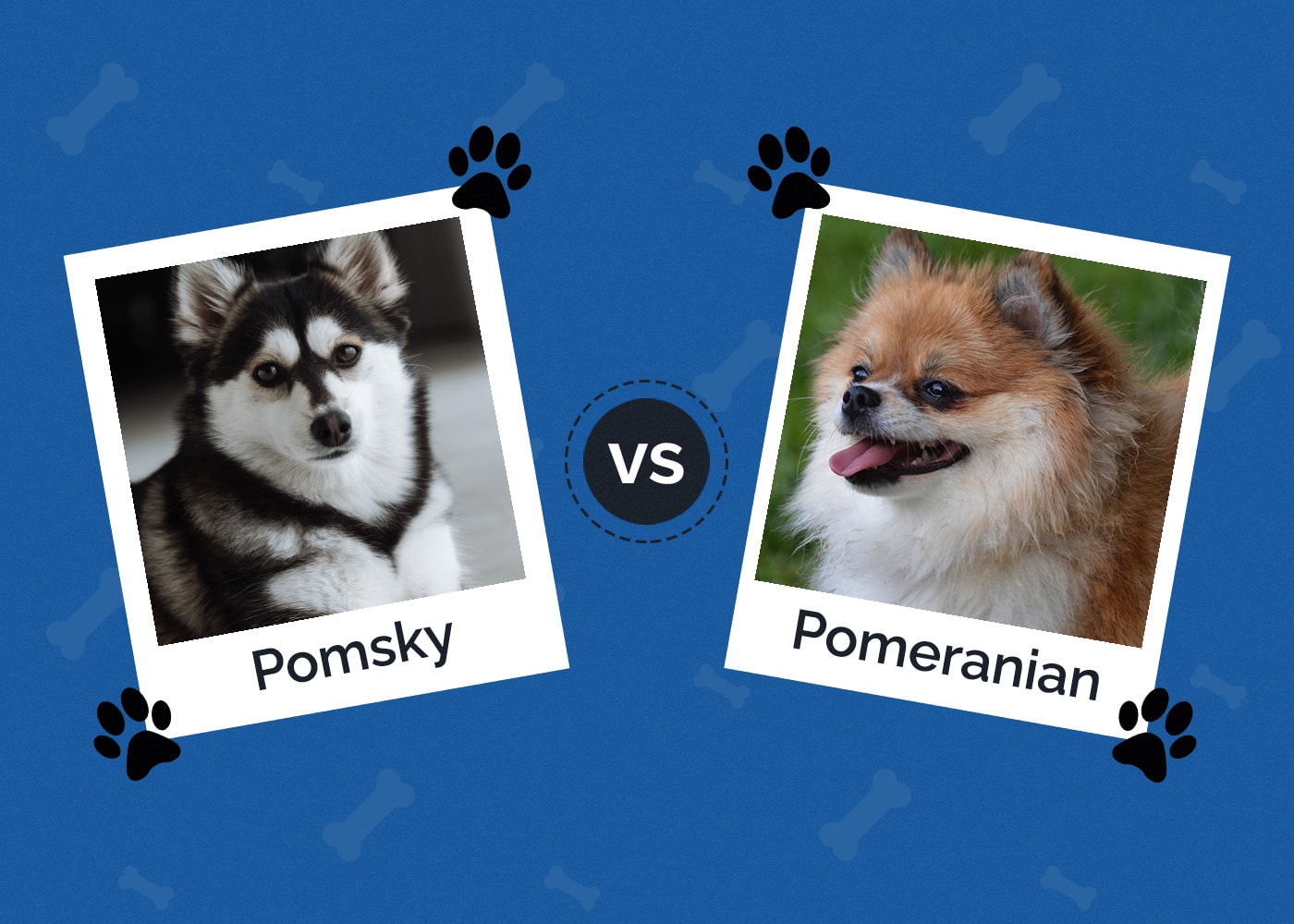
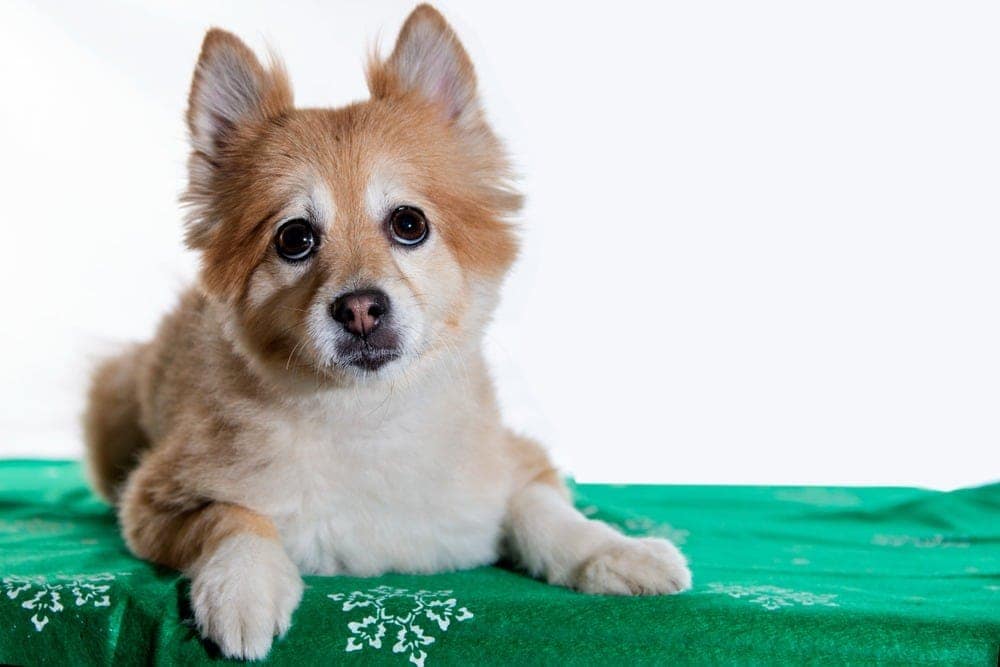
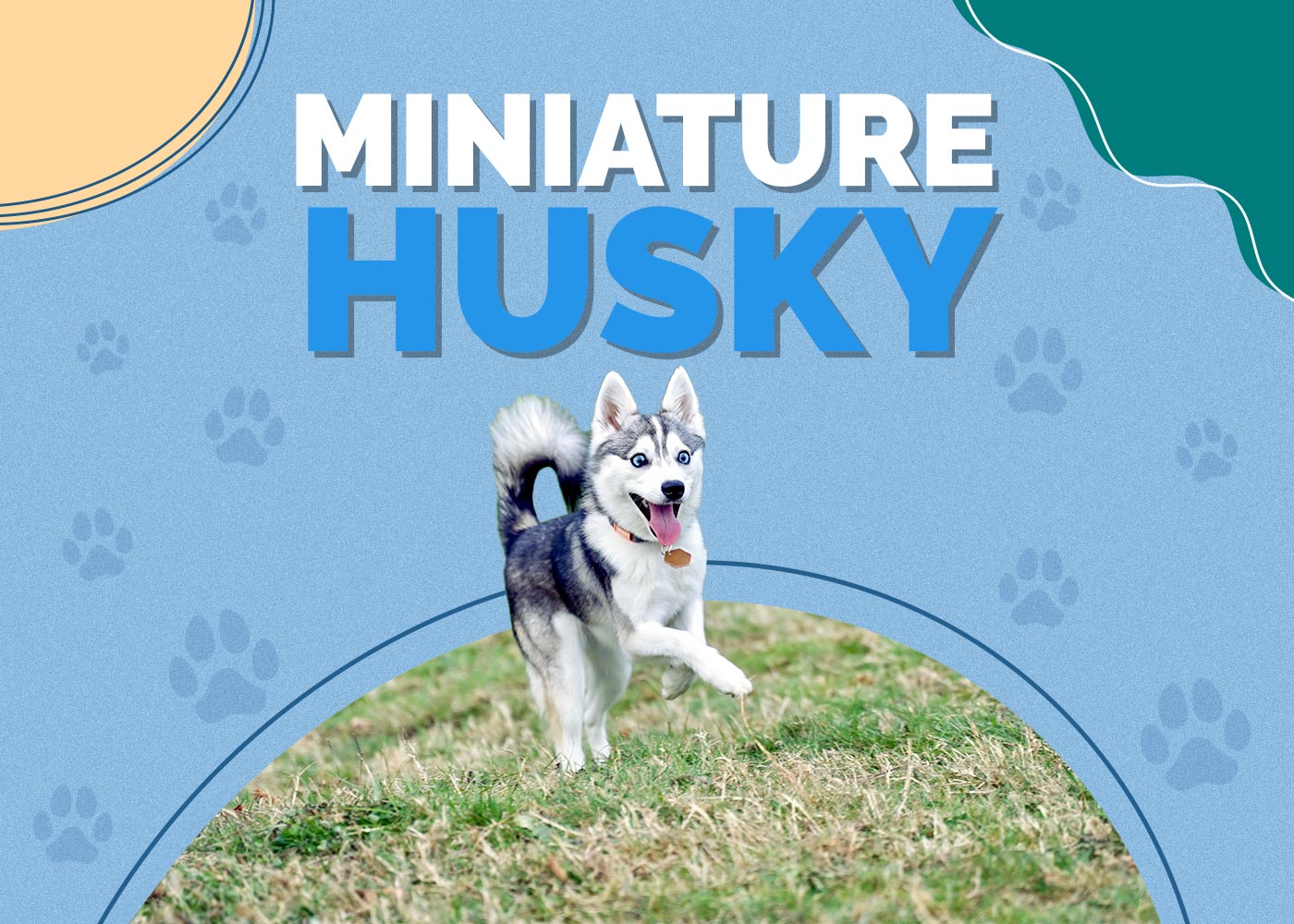
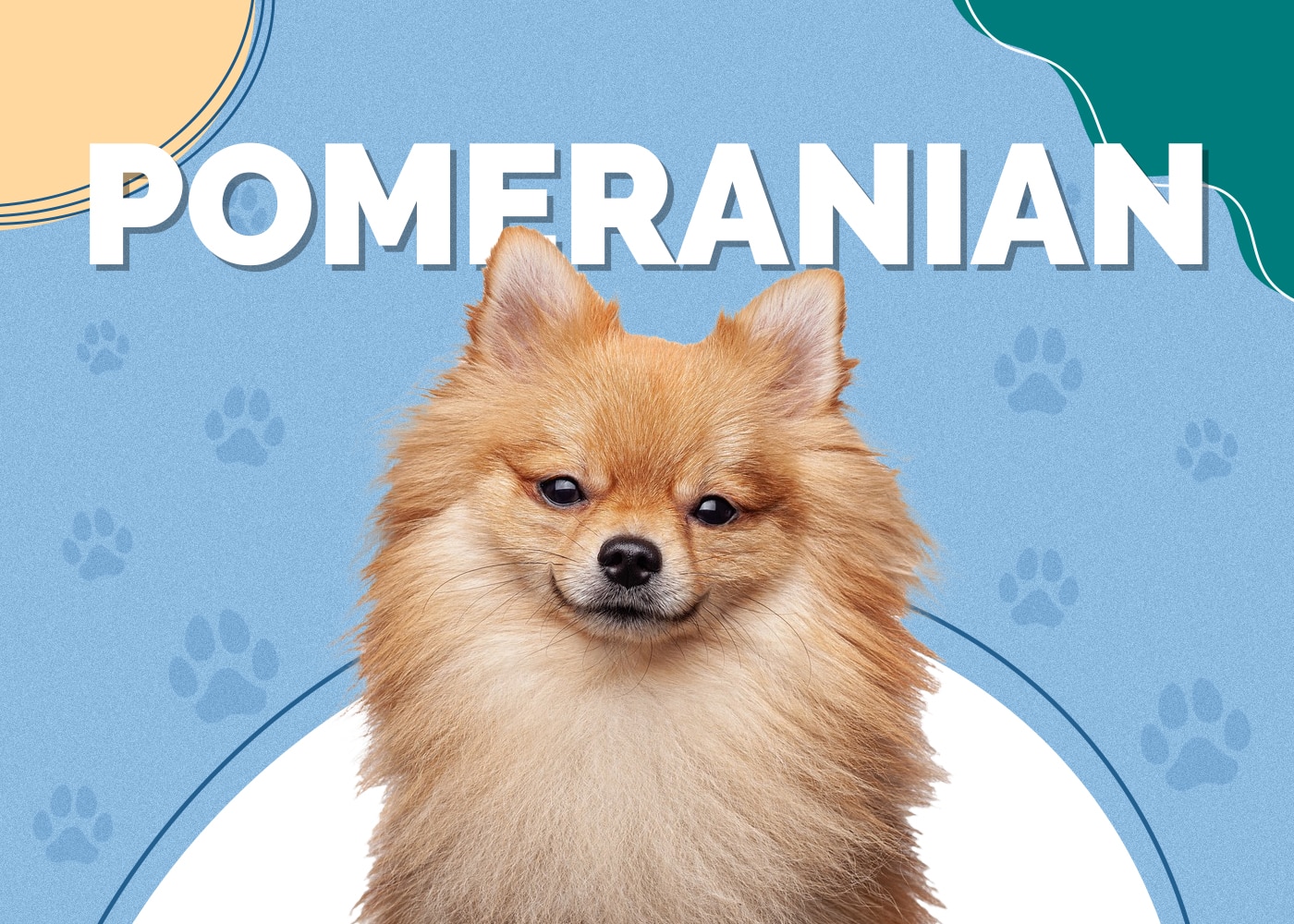
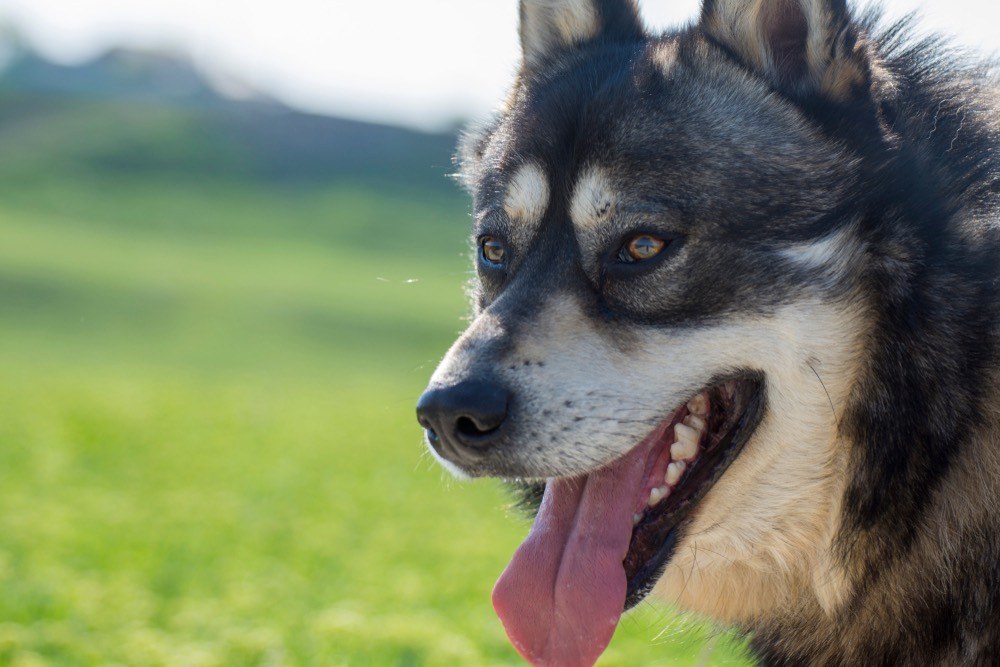
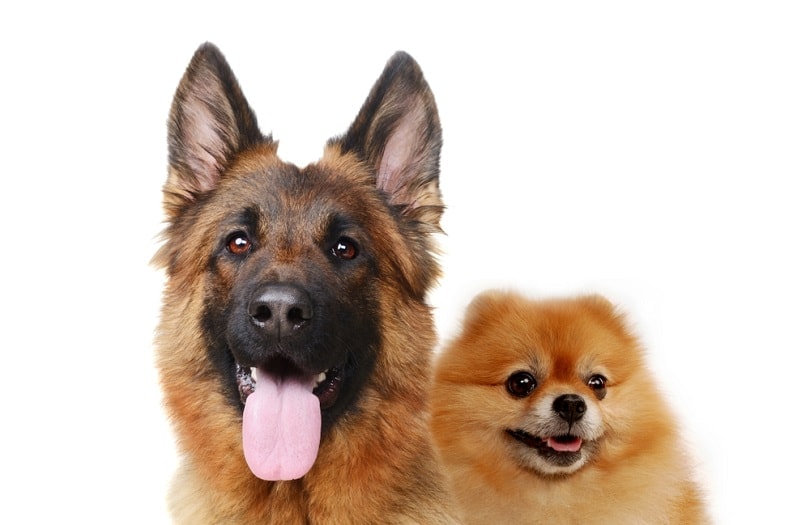
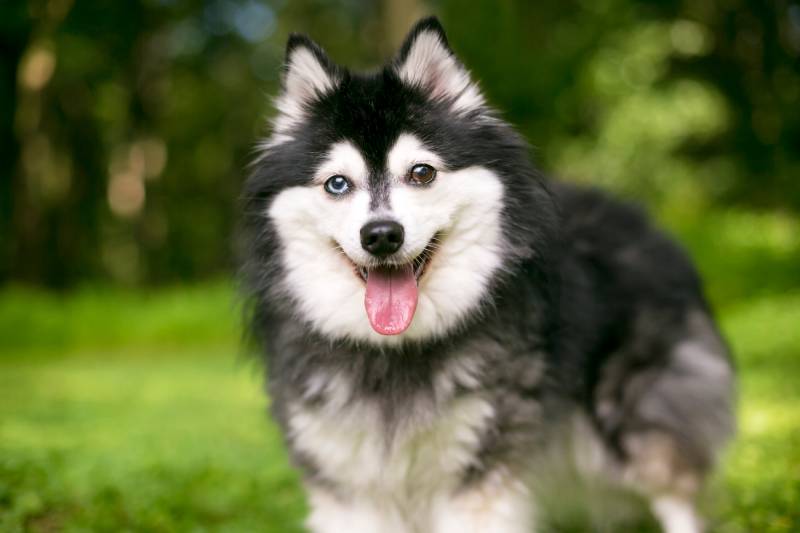
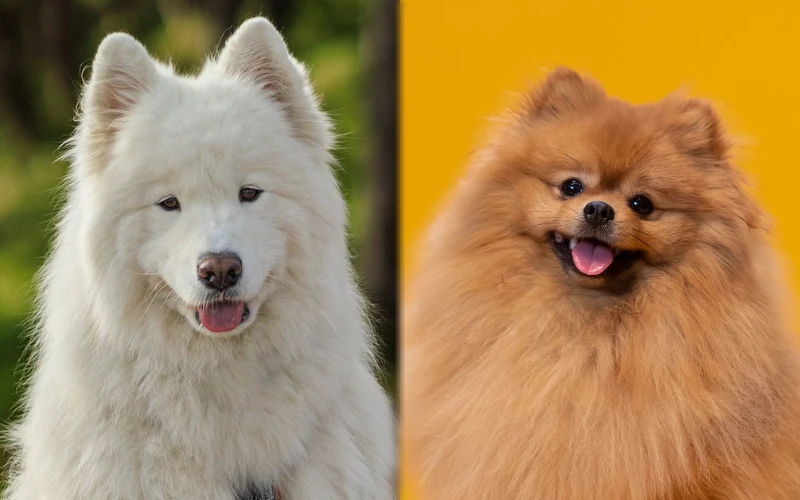
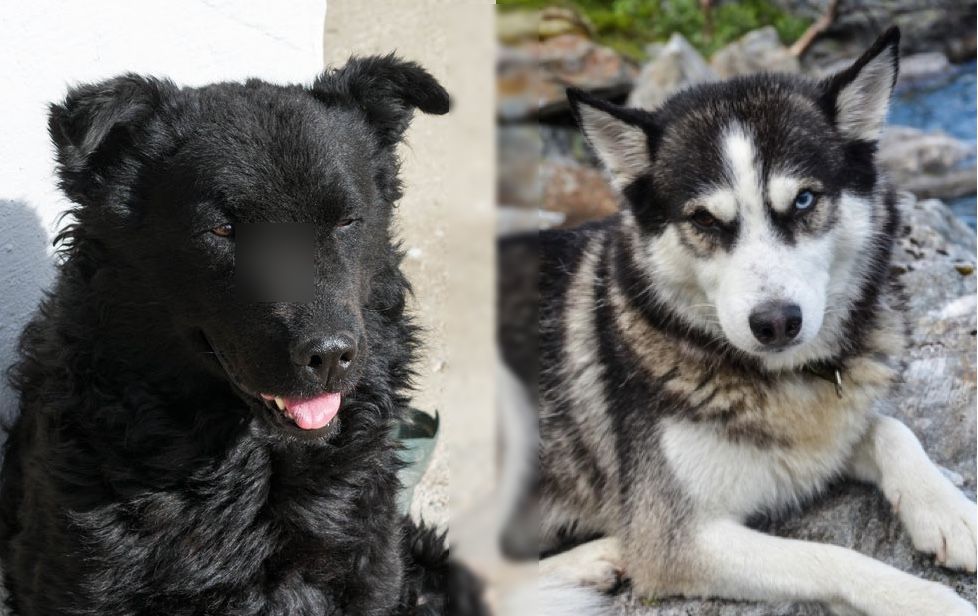
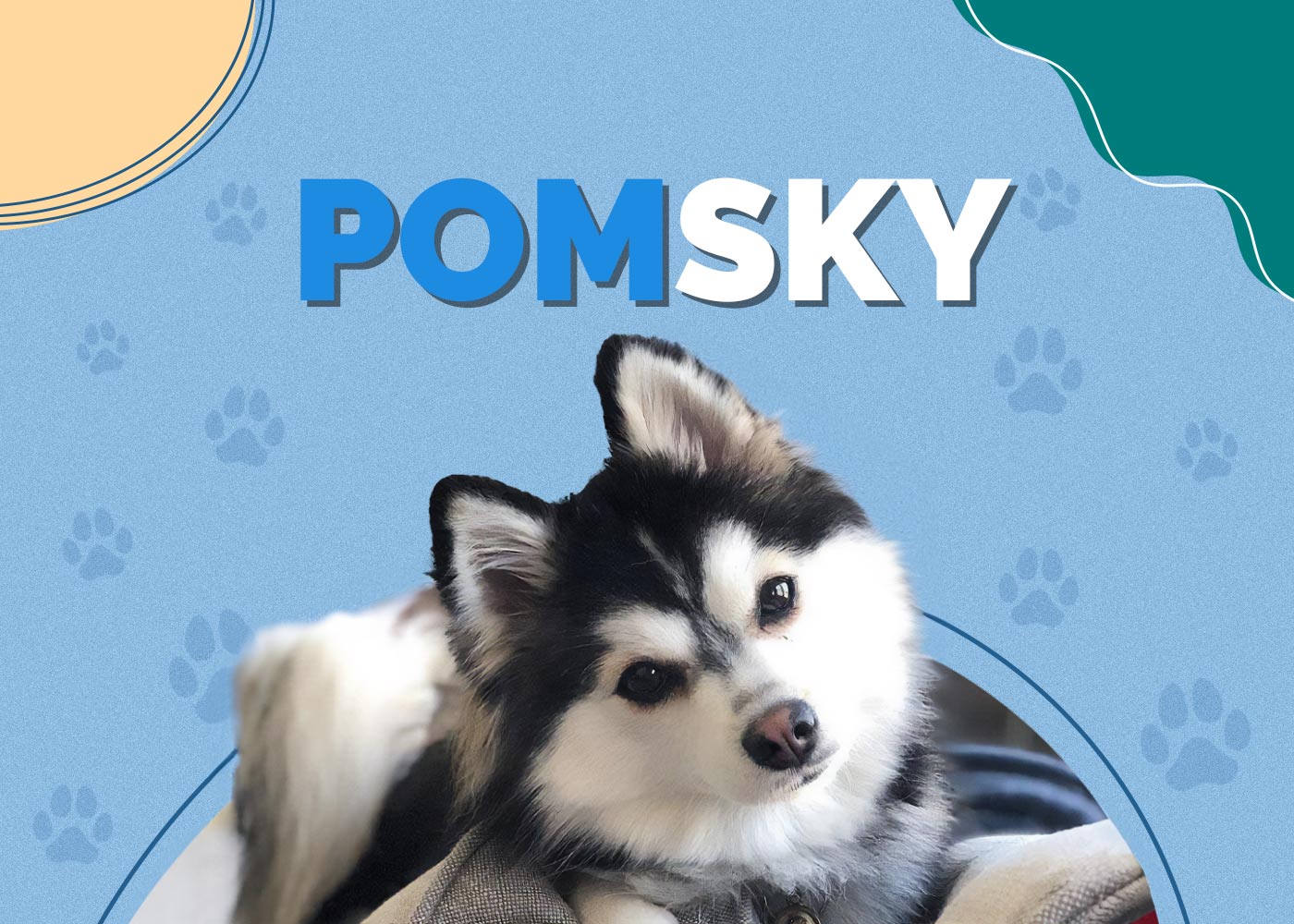
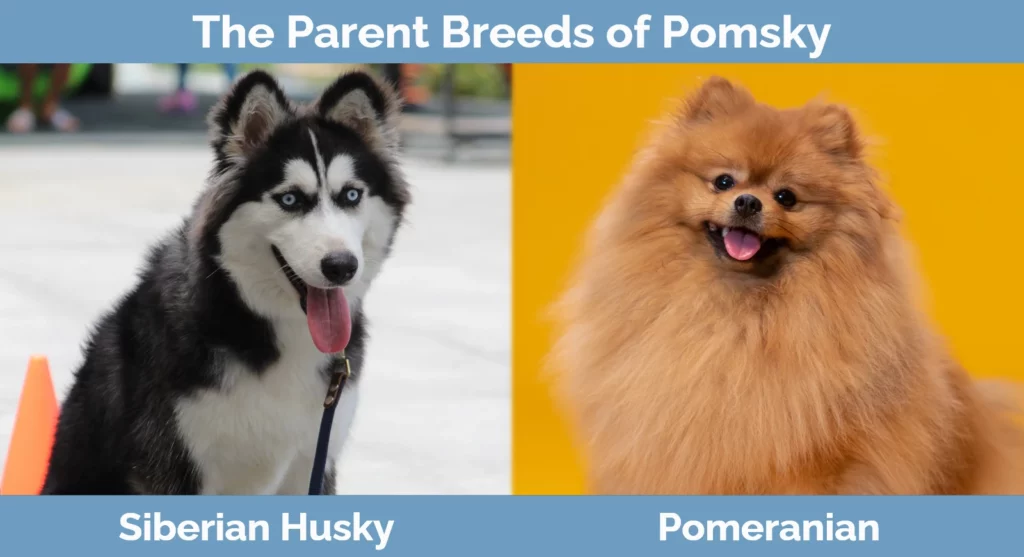
Have you ever encountered a dog that looked like a tiny Siberian Husky? Since miniature Huskies aren’t a real thing, what you likely saw was a Pomsky! A Pomsky is a hybrid, or “designer,” dog breed created by crossing a Siberian Husky with a Pomeranian. While these dogs take after both parent breeds, they’re most famous for looking like Husky "forever puppies."
Unfortunately, being irresistibly cute isn’t always a good thing. Thanks to Pomsky’s charming good looks, puppies are in high demand and sell for a hefty price. But many new owners don’t realize how much work caring for these dogs can be! After all, both Pomeranians and Huskies are known for having big personalities.

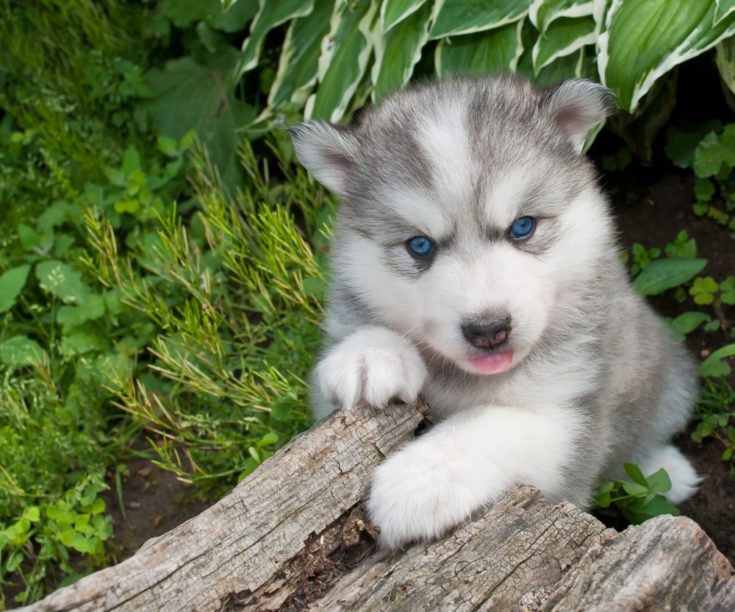
Pomsky Puppies
Pomsky Characteristics
In recent years, it feels like more and more people either want or already own a Pomsky. While these miniaturized Huskies aren’t everyone’s cup of tea, there’s no denying just how popular they’ve become.
Of course, you should never buy or adopt a dog based on looks alone. Instead, choosing a dog should be based on your lifestyle and how much time you’re willing to devote to its care. If you bring home a dog with completely different needs than what you can provide, you’ll both be in for a rough time!
As far as designer breeds go, the prevalence and availability of the Pomsky almost rival that of the Labradoodle. Obtaining one of these dogs often means putting down a large deposit or going on a breeder’s waitlist. But if you have the money, finding a breeder with puppies on the way probably won’t be too hard. On the flip side, these dogs get scooped up quite quickly, especially when put up for adoption through shelters or rescues. For prospective owners set on bringing home a Pomsky, buying is almost always going to be the simpler option.
Temperament & Intelligence of the Pomsky 🧠
Like its parent breeds, the Pomsky is known for its intelligence. However, Pomskies aren’t easily distracted by performing tasks or solving puzzles as you might expect from a Border Collie or Poodle. Instead, Pomskies are prone to random bursts of energy and often, anxiety.
The Pomsky’s high intelligence means this dog is prone to boredom and craves companionship from their human family. These dogs are best suited to households with plenty of activity and don’t do well when left alone for long periods. Unfortunately, a bored Pomsky can quickly turn into a fluffy ball of destruction (and its small size won’t do much to slow it down!).
Aside from the Pomsky’s overall personality, you should know that this can be a vocal cross-breed. Huskies and Pomeranians are known for their vocalizations, so it’s likely your new Pomsky will take after the habits of one or both breeds. The Pomsky’s size makes it an obvious choice for apartment dwellers, but consider your neighbors too!
Are These Dogs Good for Families? 🏡
Unfortunately, Pomskies don’t tolerate young children well. On top of having a short fuse when it comes to things like ear- and tail-pulling, the Pomsky’s high prey drive can be triggered by running children.
Families with older children who know how to behave around small dogs should have no problem introducing a Pomsky into their home.
Does This Breed Get Along With Other Pets? 🐶 😽
Bringing a Pomsky into a home with other animals is tricky. Sadly, these dogs are almost always unsuitable for households with cats or smaller pets. Just like with children, some Pomskies view cats and other small animals as prey. Not only is this stressful for everyone involved, but it could also put your other pets in danger.
When it comes to living with or socializing with other dogs, Pomskies do all right on average. While some Pomskies will display “Little Dog Syndrome,” squaring up against dogs much larger than them, others take after the Husky’s strong pack mentality and thrive around fellow canines.
For your Pomsky’s safety and emotional well-being, we recommend using positive reinforcement and carefully supervising time spent around other dogs.

Things to Know When Owning a Pomsky
Pomeranians and Huskies are quite different dogs when it comes to day-to-day care. Before deciding if a Pomsky is an ideal pup for you, it’s important to know where their needs land in the grand scheme of things.
Food & Diet Requirements
As a fairly small breed, the Pomsky requires far less food than its Husky parent. On average, a Pomsky requires around 2.5 cups of food per day, split into several small meals.
Keep in mind that this amount is just an average. When determining the appropriate portion size for your Pomsky, refer to the feeding guidelines for the specific food you’re using. If you have any questions or concerns about your dog’s diet, weight, or digestive health, schedule an appointment with your vet.
Exercise 🐕
While the Pomsky takes after the Husky in terms of physical exercise, its much smaller size makes a major difference. About 45 minutes of moderate exercise each day is enough to keep your Pomsky happy and healthy. Pomskies generally prefer unstructured playtime to traditional walks, but you shouldn’t forego trips around the neighborhood altogether. Typically, your Pomsky should walk about 10 miles per week, spread out over several outings.
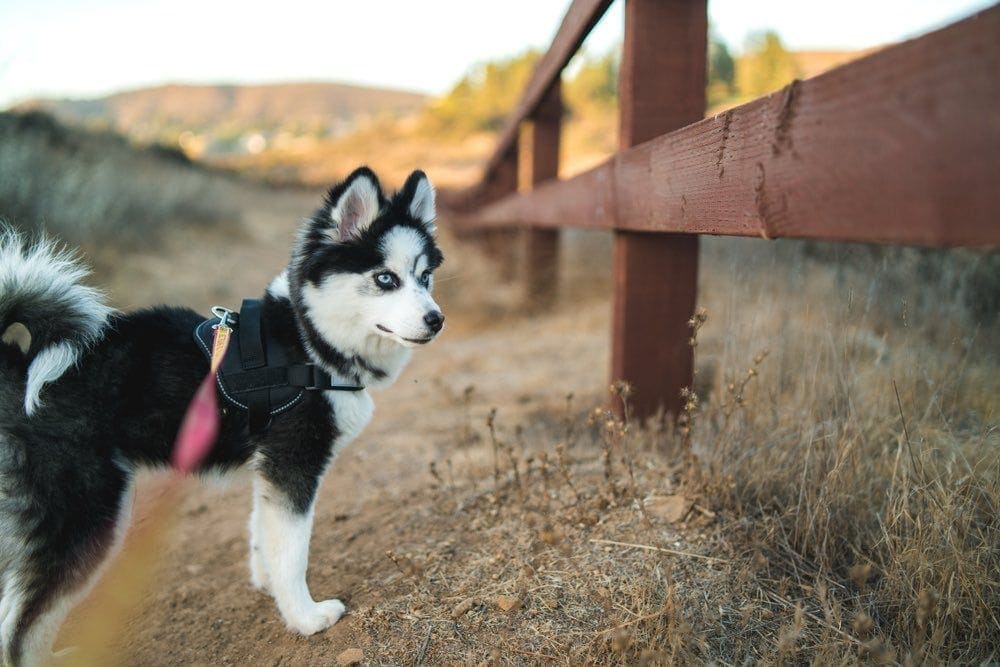
Depending on your dog’s genetics, keep in mind that your Pomsky might be prone to “bolting” at a moment’s notice (a common habit of Huskies!). We always recommend using a secure leash and harness when walking any dog.
Training 🦮
Pomskies are extremely bright, but you shouldn’t conflate this with trainability! Just like the Husky (and to a lesser extent, the Pomeranian), Pomskies tend to prefer doing things their own way. Tons of consistent, positive reinforcement is key to training a Pomsky. Special attention should also be paid to early socialization, as these dogs can quickly become wary around strangers.
Since Pomskies often inherit the Husky’s high prey drive, time spent around small pets, children, or wild animals should always be closely supervised. As with any dog, these instincts can override any training when you least expect it!
Grooming ✂️
If you know anything about Huskies, you know that their double coats can be a shedding nightmare. Pomeranians are also known for their high-maintenance locks. If you think owning a Pomsky will be any different, you’re in for a rude awakening. The Pomsky might be smaller than their Arctic-ready relative, but they still bear the thick, double-layered coat. Combine that with the dense, mat-prone hair from the Pomeranian, and you have a dog who is going to require daily grooming.
On top of daily brushing to prevent loose hairs and matting, the Pomsky’s coat will change with the seasons. If you adhere to a regular grooming regimen, however, you can keep this shedding period from wreaking havoc on your furniture, clothing, and carpets.
The severity of your Pomsky’s biannual shedding may vary with your location—regions with more dramatic seasonal changes might trigger a thicker winter coat.
Health and Conditions ❤️
Despite the dramatic difference in size between the Pomeranian and Husky, the Pomsky bears fewer health risks than many other designer dog breeds. Still, you should be aware of and prepared for common health conditions found in this cross-breed.

Male vs Female
Overall, there are no notable differences between male and female Pomskies. On average, male Pomskies may measure a few pounds heavier and an inch or two taller than their female counterparts, but there is no guarantee that a male will always be bigger than a female Pomsky.
Your Pomsky’s personality and physical health will be more dependent on strong, responsibly bred genetics than on its sex.

3 Little-Known Facts About the Pomsky
1. Pomskies were created in 2012.
Some reports place the Pomsky’s origin around 2009, but the first officially recorded Pomsky litter was born in 2012. This first litter was bred (through artificial insemination) by Tressa Peterson and Joline Phillips of Arizona.
Let us explain: In 2011, photos started circulating online of a “Pomeranian/Siberian Husky mix.” Of course, the adorable stature of these purported Pomskies gained quite a fanbase. However, these photos—shared on popular news platforms like Buzzfeed—were not of a real Pomsky but of a Finnish Lapphund puppy.
Rumor is that it was these exact photos that inspired Peterson and Phillips to breed the first Pomsky litter.
3. Pomskies aren’t recognized by most breed organizations.
Since the Pomsky is a hybrid, it’s not recognized by large dog breeding organizations like the American Kennel Club. While many owners don’t care about registering their dog with one of these organizations, it can make finding a reputable breeder more difficult.
Fortunately, there are other resources available for Pomsky breeders, owners, and fans. Some of the most popular Pomsky clubs include the Pomsky Owners Association, the Pomsky Club of America, and the International Pomsky Association.
Final Thoughts
While it’s true that the Pomsky has increased in popularity almost exclusively because of its good looks, this is a great dog for the right household. Prospective owners who are active, have a moderate amount of free time, and are looking for a canine companion to keep them on their toes will love this hybrid breed.
Unfortunately, many new owners decide to bring home a Pomsky without researching their basic needs or temperament. Pomskies might be small, but there’s a great deal of sass and energy packed into these little bodies. But by learning about these dogs and what day-to-day ownership entails, you’re one step closer to giving one lucky Pomsky the ideal home.
See Also:
Featured Image By: Pomsky Dog Breed (Paulconwall, Wikimedia Commons Attribution-Share Alike 4.0 International)
Get Hepper In Your Inbox


Pet care tips from our vets and experts, straight to your inbox.
You may opt-out at any time. View our Privacy Policy for more information.

Nicole is a lover of animals of all sizes but is especially fascinated with the feline variety. She’s the proud mom of Baby, a Burmese, and works every day so he can relax in the sunshine or by the fire. She’s always had a cat in her home and has spent countless days with others, observing behaviors and softening up even the grouchiest of the lot. Nicole wants to share her kitty expertise with you so you and your cat can live happy, healthy, and care-free.
Join the conversation
Ask a question, share your story, or send private feedback.