Hepper is reader-supported. When you buy via links on our site, we may earn an affiliate commission at no cost to you. Learn more.
Puli Dog Breed: Info, Pictures, Characteristics & Facts
In this article
Breed Overview
Height:
Weight:
Lifespan:
Colors:
Suitable for:
Temperament:
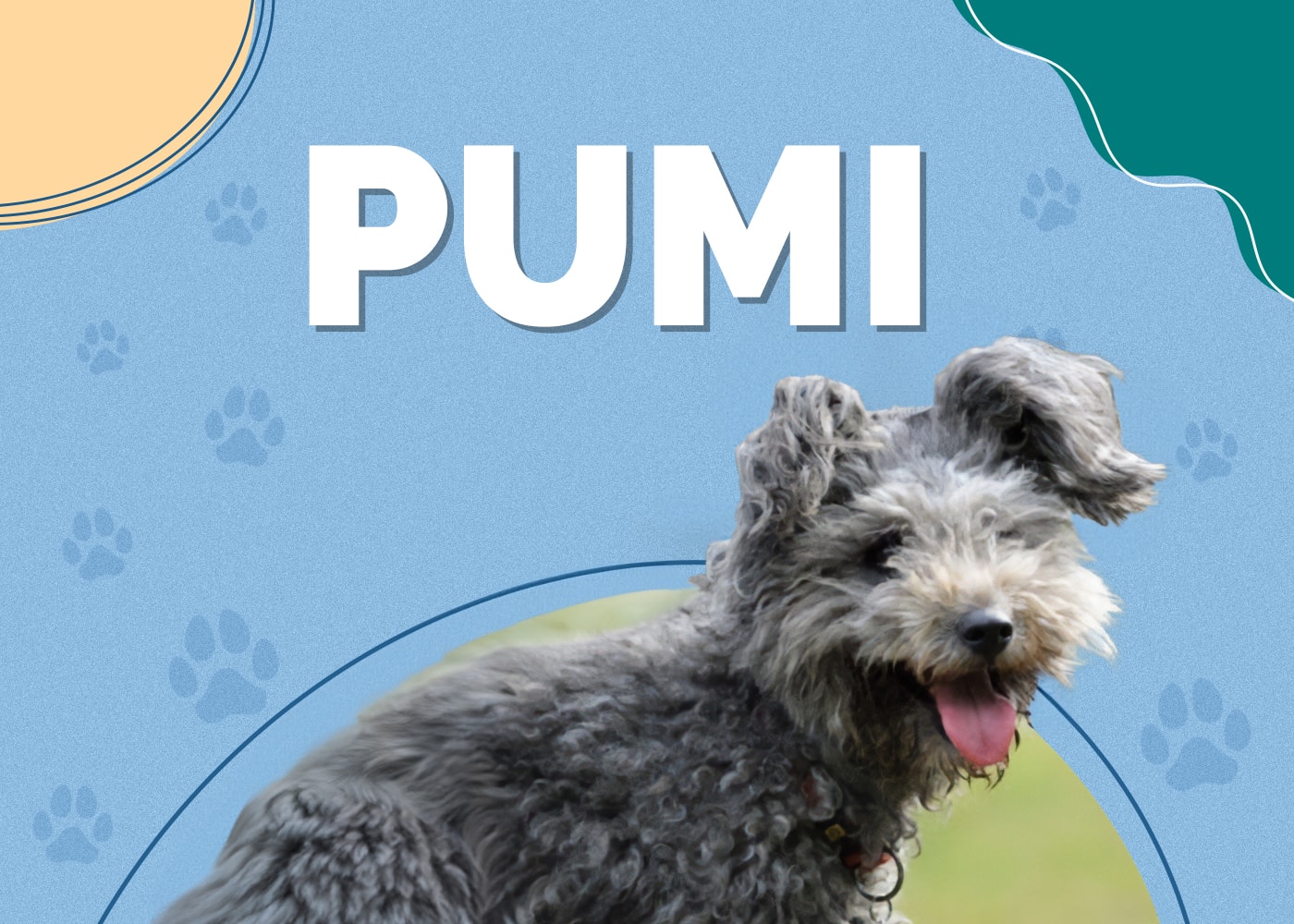
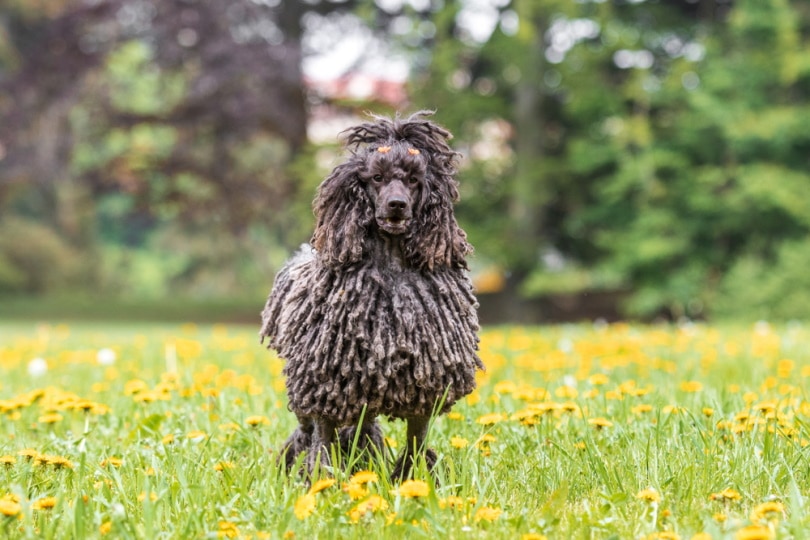
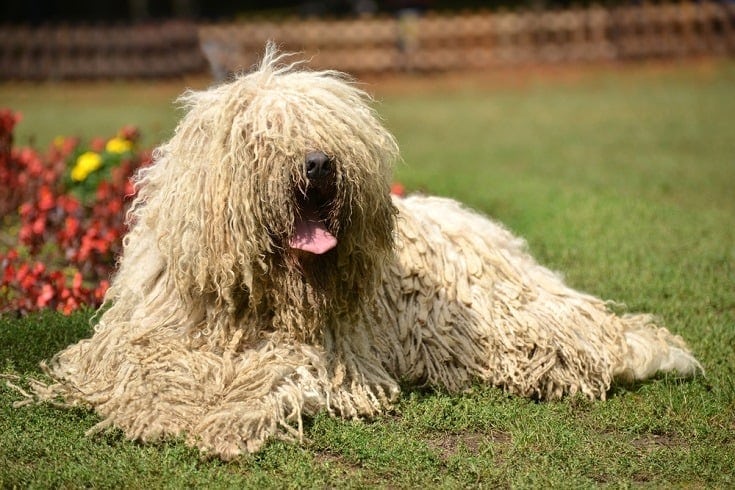
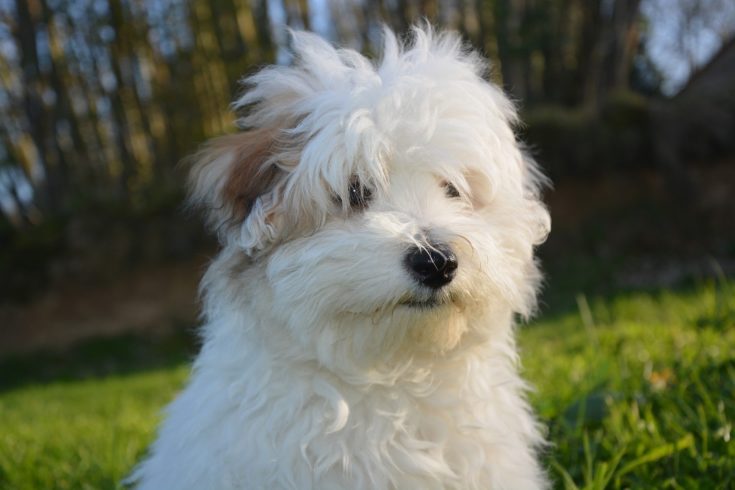
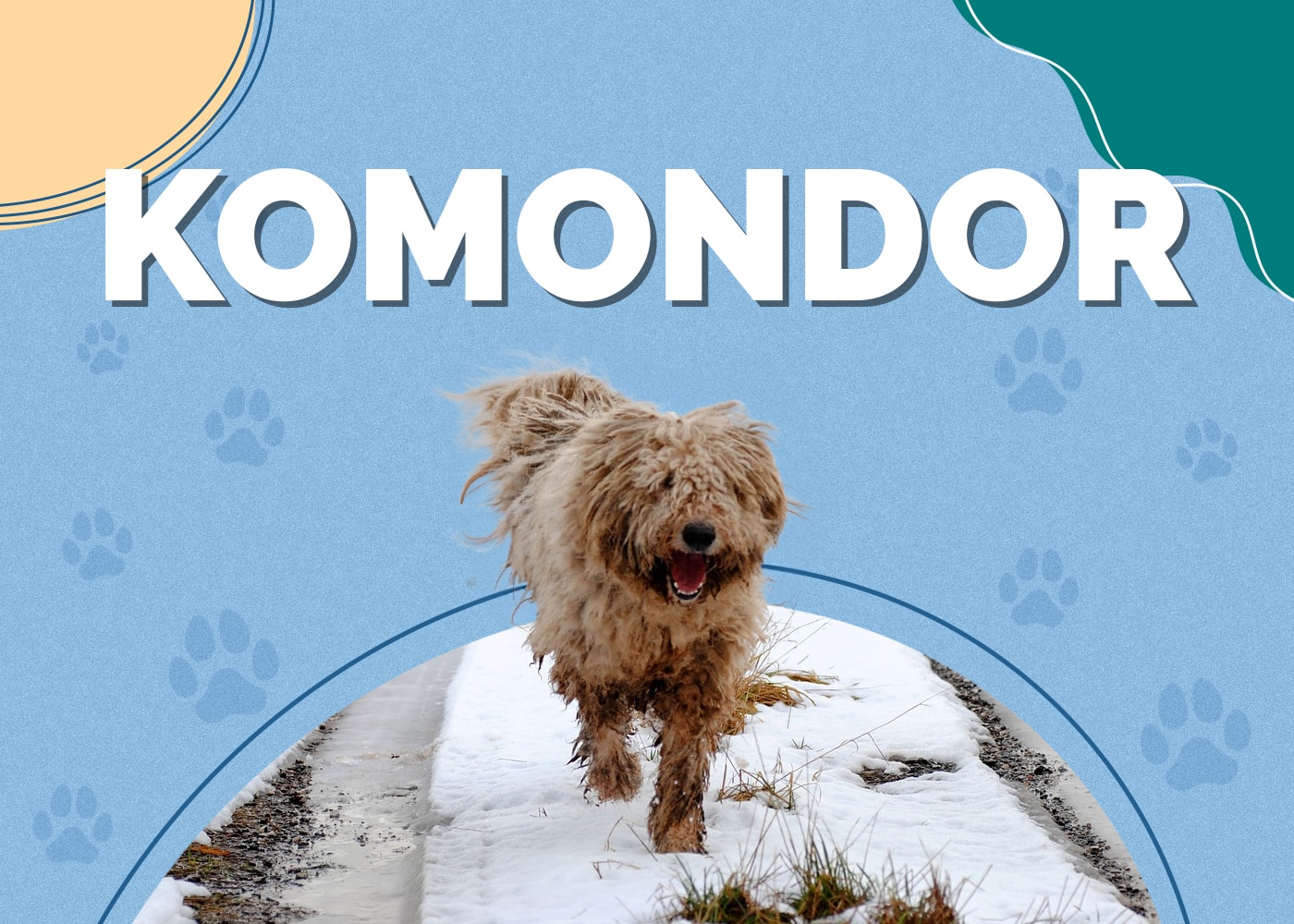
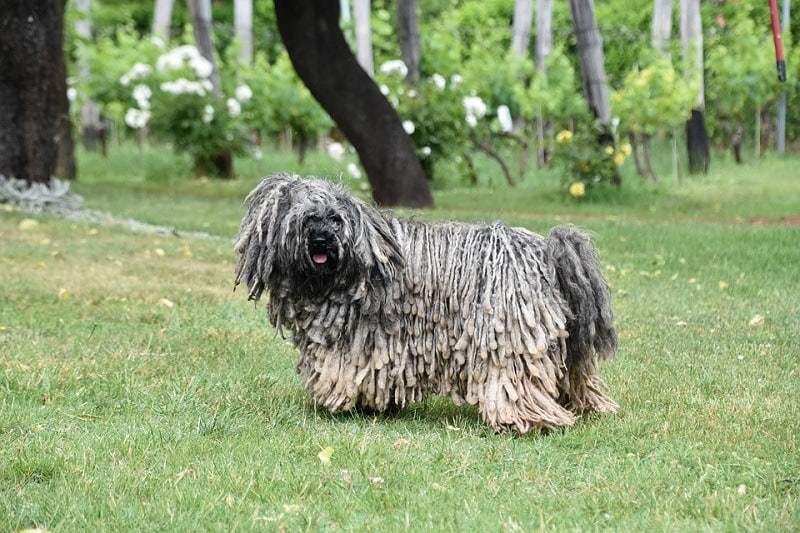
The Puli is a compact dog covered with profuse hair naturally occurring in cords that give it its shaggy appearance. It likes to work closely with humans and is a quick learner. The cords are dense and weatherproof and require a lot of attention.
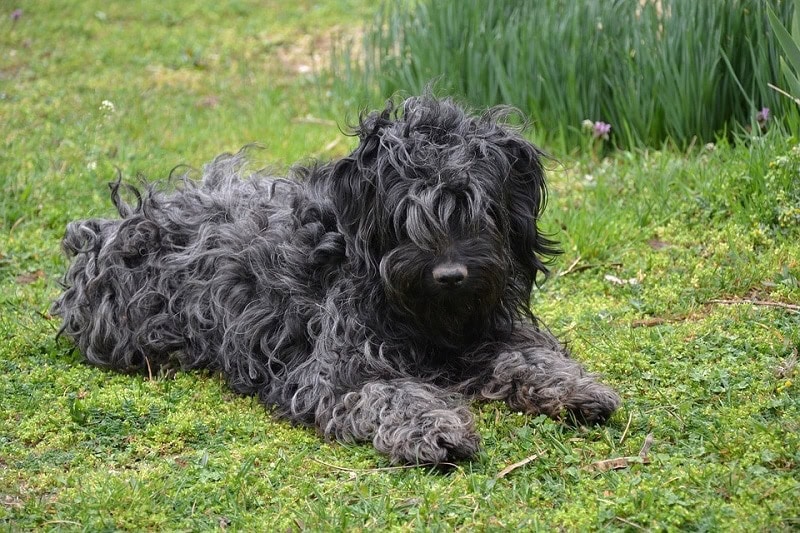
The Puli is known as the acrobat of the dog world. It is a compact square shape and stands around 17 inches tall. Its head is proportionate to its body and it has almond-shaped eyes that are deep-set and large. It has large floppy ears and a short tucked-up tail. Only solid-colored dogs are permitted to compete, but they are allowed a small white spot on their chest.

Puli Puppies
Puli Characteristics
The Puli is not a common breed, so be ready to be put on a waiting list. If you are put on a waiting list, you can expect to pay more. A competition-quality dog and breeding rights will also cost more than a regular puppy, and any special tests the breeder does that look for genetic abnormalities may also increase the cost of the dog. In some cases, you can find this breed at the local shelter at a significant discount, and though they may be older they are usually quite grateful and will provide you with extra affection.
The Puli tends to be a loyal and loving dog that makes an excellent pet for families or individuals looking for a watchdog. Be ready for an adventure of a lifetime when you welcome a Puli into your home.

Temperament & Intelligence of the Puli 🧠
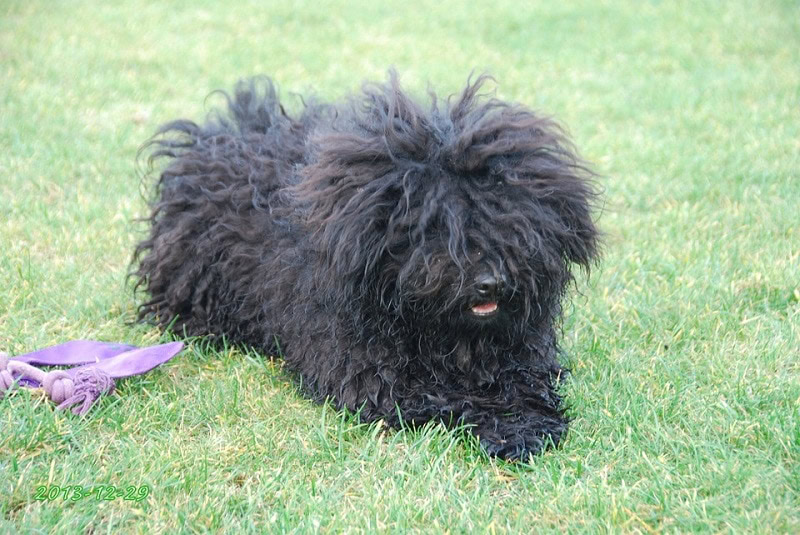
The Puli is often compared to a bouncing spring because they are extremely lively and energetic. They can change direction quickly and jump over tall fences from a standstill. They keep their high energy level well into their teens and they also have a strong opinion that they don't mind sharing with their owners. They have sharp eyesight and fantastic hearing and love to play watchdog. However, their herding instincts can cause them to nip and even bite a stranger so early socialization is required to keep everyone safe.
Are These Dogs Good for Families? 🏡
The Puli is a fantastic family dog that takes its responsibilities very seriously. It likes playing watchdog and will keep your house safe, but it also likes hanging out with the family and playing games. Some Pulis demonstrate a dominant personality and will require an experienced owner to manage them. They can be demanding and even manipulative at times and they won’t tolerate harsh handling.
Does This Breed Get Along with Other Pets? 🐶 😽
The Puli will often struggle to get along with other pets because they may be bossy and territorial toward other animals, especially smaller animals like rodents and birds. Early socialization and behavioral puppy classes may help cut down the risk to other pets.

Things to Know When Owning a Puli
Let's discuss a few things you should consider before purchasing a Puli for your home.
Food and Diet Requirements
The Puli is an active dog so it requires a high quality, high protein diet. Make sure the brand you choose has a whole meat like chicken, beef, or turkey listed as its main ingredient. It should also contain real fruits and vegetables as well as fish oil or flaxseed to provide omega fats. It's important to avoid overfeeding because obesity can lead to several health problems, including dental disease.
Daily Exercise Requirements 🐕
The Puli is a very active dog that requires quite a bit of exercise. You will need to provide your pet with plenty of mental and physical activity each day to keep them happy, healthy, and fit. We recommend 30 minutes of brisk walking or playing Frisbee each day.
Training 🦮
The Puli is more than capable of learning amazing tricks and following complex commands. However, they are very stubborn and strong willed and will require a lot of patience and positive reinforcement keep them focused on the training session. Holding your sessions at the same time each day will help get them on a schedule while treats can keep them focused. Keep the session short, only four 5 or 10 minutes is perfect to prevent them from getting bored and pursuing other interests.
Grooming ✂️
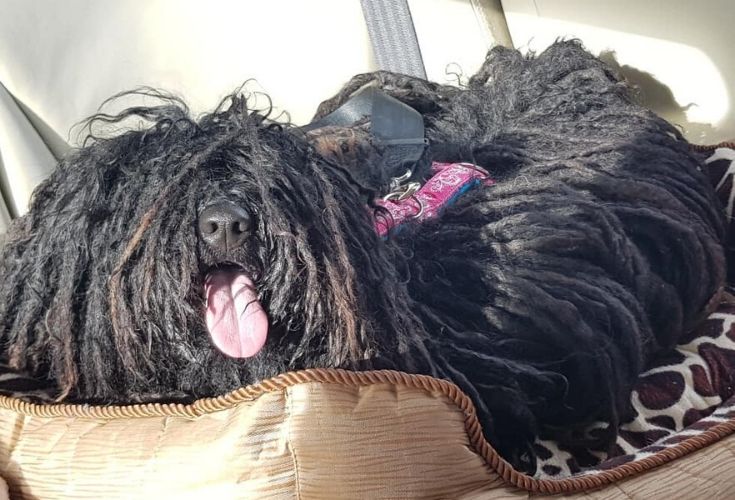
The Puli breed will require very little maintenance for the first year until the second coat begins to develop. Once this process begins, you will need to separate the cords manually with your fingers frequently to keep them from getting tangled. Once the cords are in place, occasional bathing and cord separation is all that is required. You will also need to dry and clean your pet's ears frequently to reduce the risk of infection and trim the nails about once a month, or when you hear them clicking on the floor.
Health and Conditions ❤️
The Puli is considered a healthy dog with a long lifespan, but like most purebreds, it’s prone to a few genetically transmitted health risks.
Male vs Female
The male Puli is slightly larger than the female and tends to be more stable in mood. However, they can also be a little more bold and aggressive. The female Puli is generally more affectionate and can prefer alone time when they are down. They are also more opinionated and sassy.

3 Little-Known Facts About the Puli
1. The Puli coat is unique to the dog world and features a dense, woolly undercoat with a long corded outer coat.
2. The Puli has been herding sheep in Hungary for over 1,000 years.
3. The Puli Almost went extinct in the 17th century but was brought back in the early 1900s by a devoted breeder named Emil Raitsits.
Conclusion
The Puli makes a great family pet and its high activity level is fun for the children. It doesn't like its long cords pulled so it's not great to have around toddlers and its herding nature will cause it to chase after any small animals so it's not the best choice if you have other pets. However, they make great watchdogs and can accompany you jogging or hiking. They love games and their attempts to control you can be quite amusing. They have few health problems and a long lifespan so they will provide you with many years of great companionship.
We hope you have enjoyed reading over this look into the Puli purebred and have found your next pet. If you or someone else you know is interested in this unique-looking dog, please share this complete guide to the Puli on Facebook and Twitter.
Featured Image Credit: kidsnewshu, Pixabay
Get Hepper In Your Inbox


Pet care tips from our vets and experts, straight to your inbox.
You may opt-out at any time. View our Privacy Policy for more information.

Nicole is a lover of animals of all sizes but is especially fascinated with the feline variety. She’s the proud mom of Baby, a Burmese, and works every day so he can relax in the sunshine or by the fire. She’s always had a cat in her home and has spent countless days with others, observing behaviors and softening up even the grouchiest of the lot. Nicole wants to share her kitty expertise with you so you and your cat can live happy, healthy, and care-free.
Join the conversation
Ask a question, share your story, or send private feedback.