Hepper is reader-supported. When you buy via links on our site, we may earn an affiliate commission at no cost to you. Learn more.
Red and Brown Poodles: Facts, Origin & History (with Pictures)
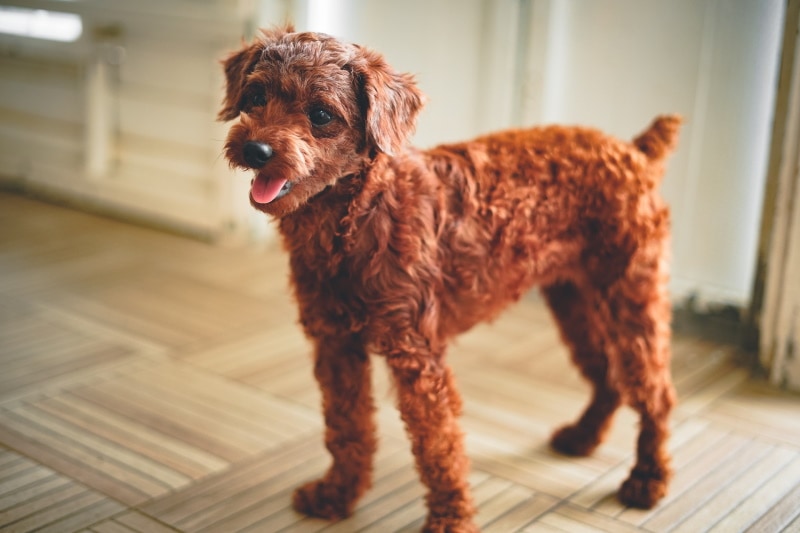
Poodles are always in the top ten most popular dog breeds, and it isn’t hard to see why. They come in several different sizes, are clever and friendly, and have absolutely gorgeous coats. In pop culture, poodles are always white and often dyed over to be bubblegum pink or bright blue.
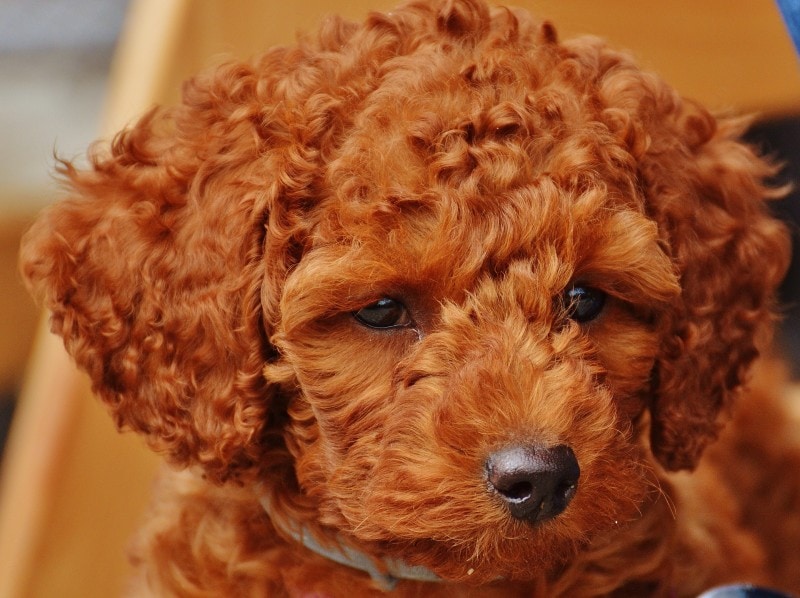
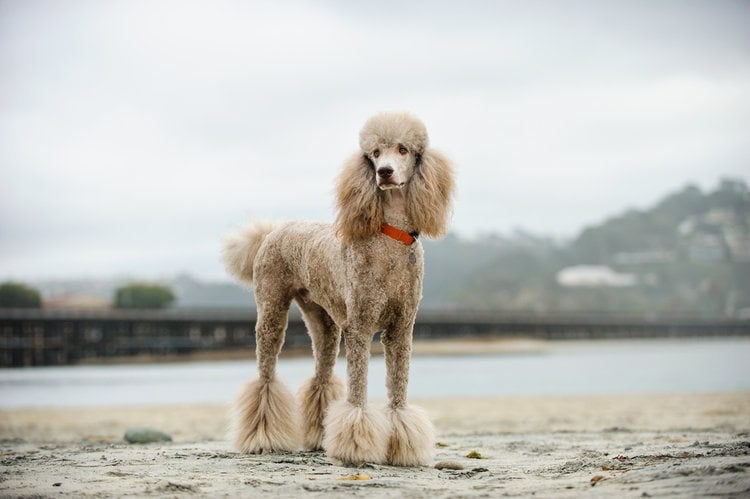
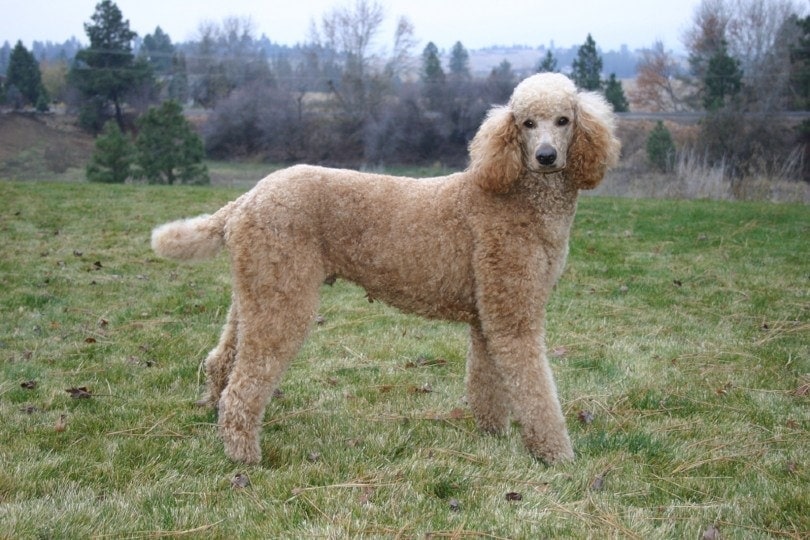
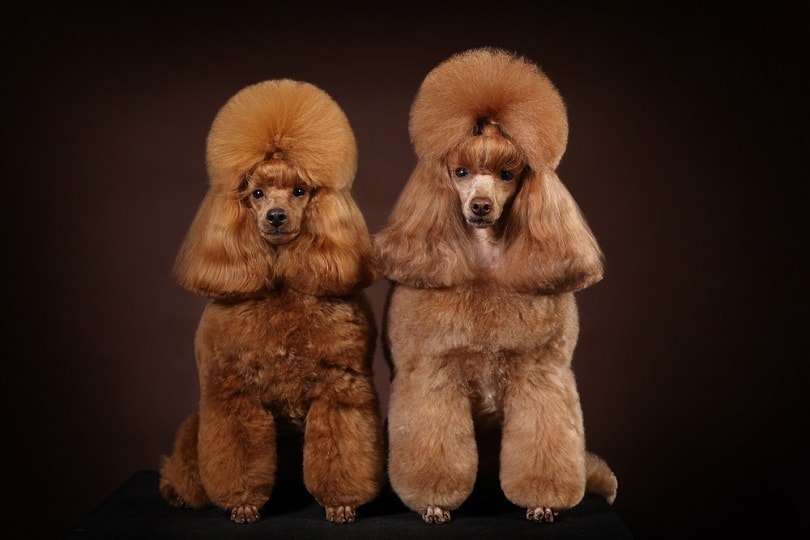
But real poodles come in all sorts of shades and colors. Two of our favorite coat colors for poodles are red and brown. These coat colors aren’t as iconic as white or black, but they are some of the most highly sought-after colors out there.

The Earliest Records of Red and Brown Poodles in History
Poodles have a long history, going back centuries in Germany. They were first bred as working dogs meant to retrieve waterfowl. The name “poodle” actually comes from the German word meaning “to splash.” The word for puddle actually has the same origin!
Poodles may have originated in Germany, but they spread into France as well, becoming popular fowling dogs there. Eventually, poodles became so iconic that they’re considered an official symbol of France.
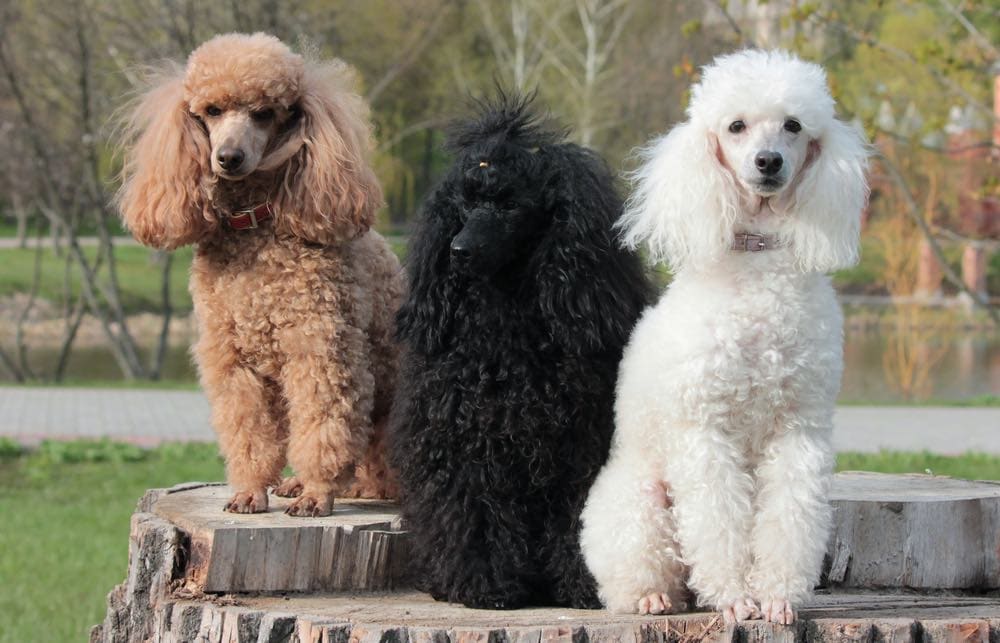
These early poodles came in three main colors—white, black, and brown. Brown poodles are still one of the most common colors today, and many owners love their rich, chocolatey coats. But it wouldn’t be until centuries later that red poodles hit the scene.
How Red and Brown Poodles Gained Popularity

Over time, the poodle’s soft, low-shedding fur and good temperament made them a popular pet. By the middle of the 1900s, these dogs were one of the most popular pet breeds in America. It was around this time that breeders started looking for ways to set their poodles apart, and that included breeding in new coat colors.
Apricot poodles were all the rage when Ilse Konig, a well-known poodle breeder, began to develop a darker red gene in her spare time. She started by breeding a reddish Standard Poodle to an apricot Miniature Poodle, which gave her a litter of red puppies! More breeding helped her to standardize this color.
Formal Recognition of Red and Brown Poodles
The Poodle was one of the first breeds recognized in formal show rings. It was recognized by the Kennel Club of the UK in 1874 and the American Kennel Club in 1886. The poodle wasn’t a particularly popular or notable dog until 1935 when it first won Best in Show at Westminster and demand began to rise worldwide.
Brown poodles have been recognized by most clubs from the very beginning, but red poodles took some time. The red coloring is the rarest and most recently recognized color of poodle. It was added to the AKC list of acceptable colors in 1980.

Top 3 Unique Facts About Red and Brown Poodles
1. Red Poodles Are Thought to Have a Unique Rufus Gene
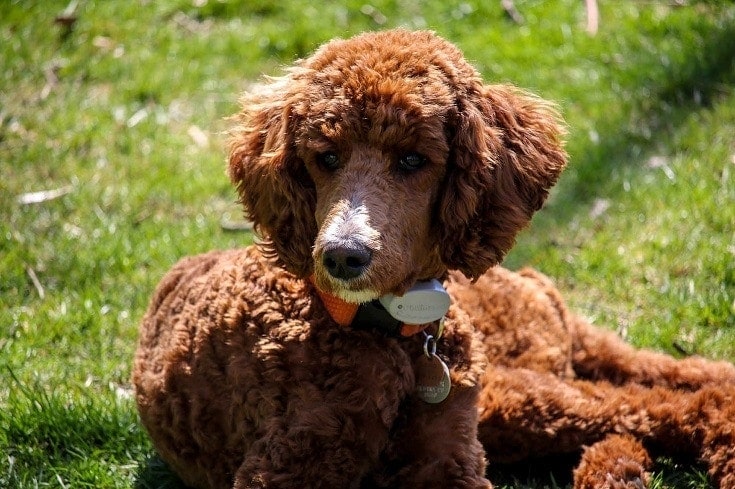
We aren’t quite sure of the DNA of their red coats, but it’s thought that a separate gene is responsible for their coloring. This gene, called a rufus gene, washes apricot and brown poodles’ coats with a rich red color. It won’t have an effect on white or black poodles, though.
2. Poodle Fur Color Can Be Any Shade of Apricot, Red, or Brown
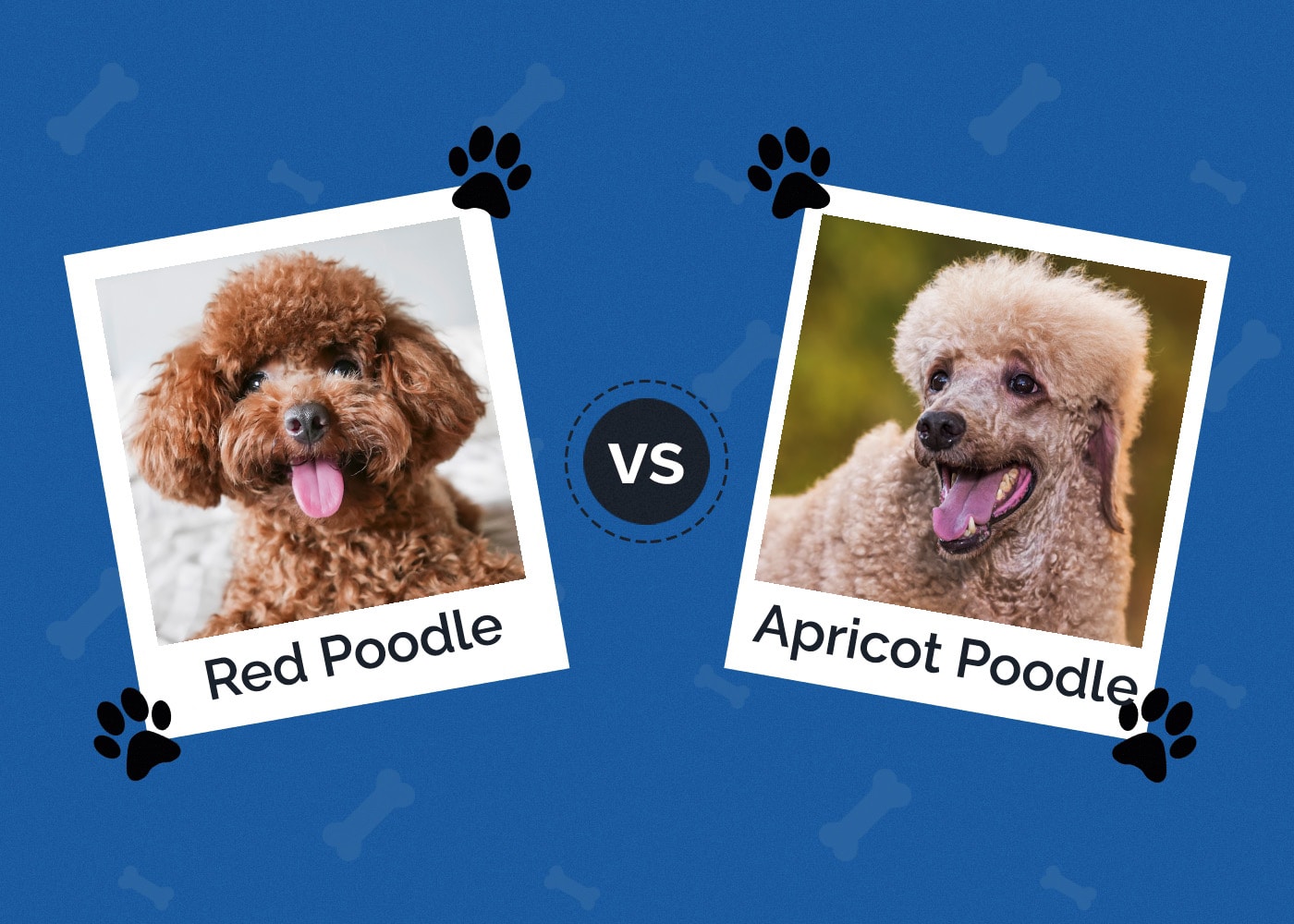
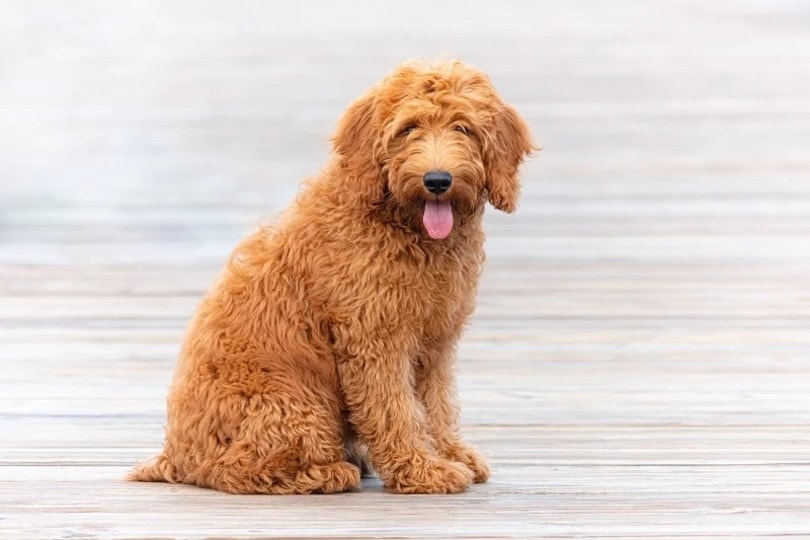
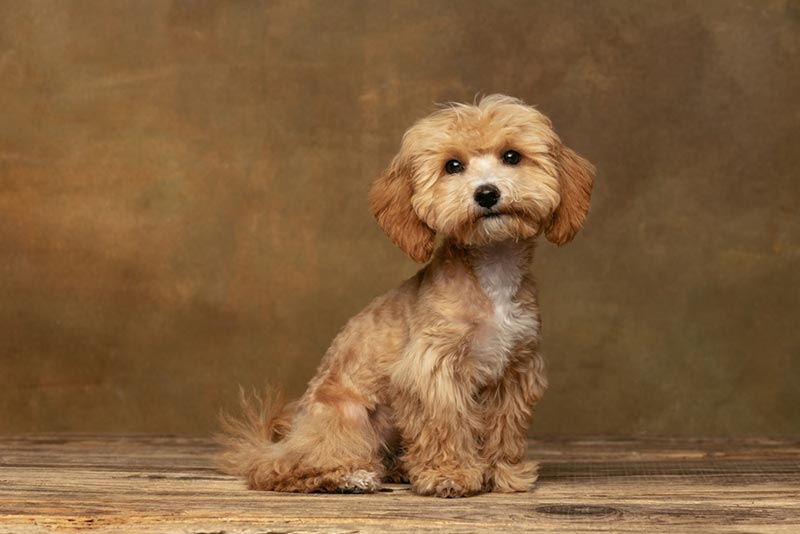
Fur color is a spectrum, and there are lots of shades available. Apricot is a pale cream color, while brown poodles are a deep chocolate. Red coats can be anywhere in between the two—from “strawberry blonde” to a rich, deep auburn.
3. It Takes Until Adulthood to Know a Red Poodle’s Final Coat Color
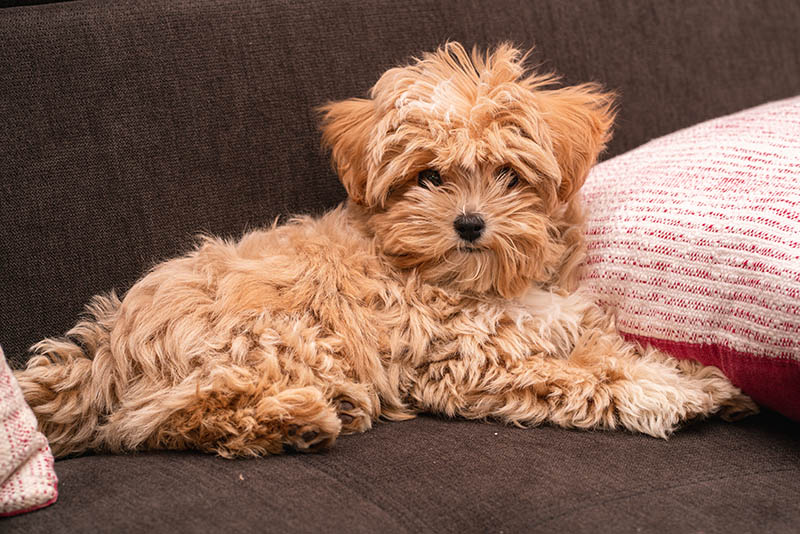
One of the most frustrating aspects of poodle coat color is fading. Red poodle puppies might go through many colors as they age before settling at their adult shade. Although some poodles might go from red to brown as they get older, it’s more common to “fade.” That means that a bright or dark red poodle puppy might end up looking like a pale red or apricot by the time it's an adult.
If you want to avoid fading, the best bet is to find a long line of red poodles. If both parents have dark red coats, chances are it will stay in the puppies. On the other hand, recent ancestry with apricot or silver fur makes it more likely that your poodle will fade in time.
Do Red and Brown Poodles Make Good Pets?
Red and Brown Poodles are great pets, but owners should be aware of their needs before adopting. Poodles sometimes get the stereotype of a vain lapdog, but the opposite is true. These dogs are intelligent and energetic, and they require lots of stimulation and exercise. A Standard Poodle requires about an hour of exercise a day. Miniature and Toy sizes also require lots of activity. Poodles are highly trainable and can be a great pet for families, but they are a big commitment.

Conclusion
These beautiful coat colors are a little less iconic than the bright white poodle, but they’re no less pretty. Brown poodles have a long and proud history, going back to the very foundations of the breed. On the other hand, red poodles are bold newcomers to the scene, and it’s only been in the past few decades that they’ve gained recognition. A rich red coat is one of the rarest colors you can find. If you’re lucky enough to own one of these poodles, you’ll have a dog that will definitely stand out in a crowd.
Sources
Featured Image Credit: Afif Ramdhasuma, Pexels
Get Hepper In Your Inbox


Pet care tips from our vets and experts, straight to your inbox.
You may opt-out at any time. View our Privacy Policy for more information.

Chelsea Flake Mortensen is a writer with a passion for pets. She grew up around everything from cats to chameleons and loves working with all kinds of animals. Chelsea has a BA in English and Creative Writing from Brigham Young University.
Chelsea loves reading, writing, sewing, and board games. She's lived in half a dozen US states and two countries. She is currently living in New England with her husband. Her articles have been featured in various magazines and literary journals for children and adults. Her writing has been translated into over 40 languages.
Join the conversation
Ask a question, share your story, or send private feedback.