Hepper is reader-supported. When you buy via links on our site, we may earn an affiliate commission at no cost to you. Learn more.
Royal Canin Dog Food Review 2026: Recalls, Pros & Cons
In this article
Our Final Verdict
Finding the right dog food for your pet can be a difficult road to travel. It can be even trickier if your pet has specific needs. If you have been traveling down the pet aisle, one brand that you might be curious about is the Royal Canin Dog Food. This science-based company has more than 200 formulas to target your pup’s specific health needs.
In the article below, we will share with you all the details you need to make a good decision for your pet. We will outline the different formulas and clue you in on what you need a prescription for and what is available on retail shelves. All your questions will be answered and maybe a few details you were not aware of! Overall, though, you will find out why Royal Canin is a 4.1-star option in our eyes.

At a Glance: The Best Royal Canin Dog Food Recipes:
| Image | Product | Details | |
|---|---|---|---|
|
Size Health Nutrition Medium Adult Dry |
|
Check Price |
|
Size Health Nutrition Medium Puppy Dry |
|
Check Price |
|
Size Health Nutrition Maxi Adult |
|
Check Price |
|
Breed Health Nutrition Labrador Retriever Adult |
|
Check Price |
|
Breed Health Nutrition Chihuahua |
|
Check Price |
Royal Canin Dog Food Reviewed
Royal Canin is a French-based brand that formulates “precise, effective nutrition” for your dog, as well a, providing “tailored nutrition” based on your pet’s age, size, breed, and health needs. They use a scientific approach based on in-house research when developing their pet food.
They have been dedicated to helping dogs (and cats) find forever homes, as well. In the United States, they are the primary provider of dog meals for the Puppies For Parole foundation based in Missouri. This non-profit is run by the Missouri DOC where they help transition dogs from shelters into their new homes.
You can find Royal Canin manufactured on every continent, except Antarctica. They have developed and produced diets based on customary factors such as age and size, but they also have breed-specific meals and veterinary diets for specific health concerns.
Before we get into their overall formulas though, let’s first take a look at their background, ownership, and sourcing.
Who Makes Royal Canin and Where Is It Produced?
In 1968, a French veterinarian named Jean Cathary developed the first dog meal and Royal Canin was born. Cathary wanted to make pet meals that would be based on research, scientific data, and precise diets to accommodate specific needs.
Since the 1960s, the brand has expanded to cover the globe. It launched in the US in 1985, and has since been purchased by the Mars PetCare umbrella. That being said, Royal Canin still maintains its headquarters, plus (in the USA), all of its products are made in in-house manufacturing facilities.
Royal Canin has headquarters and production plants in Missouri and South Dakota. All of their ingredients are sourced from farms in these two states, as well. Although the global Royal Canin company states they source “worldwide”, they also have a ten-point quality testing protocol which includes checking for things such as mycotoxins and oxidation. Be that as it may, “made in the USA” isn't found on their labeling.
An Overview of Royal Canin’s Products
One of the most popular features of this brand is its abundance of formulas. The company makes over 200 different recipes that are designed to be beneficial to your dog’s specific needs. Thankfully, the different meal ranges are broken up into categories to make finding the right food a bit easier.
Though we would be happy to give you a rundown of all the different types of food, we all have jobs, lives, families, and pets. That being the case, we will give you a generalized rundown of what you can expect. The first thing to note, however, is Royal Canin has two lines: retail and veterinary diet. We will tackle the retail side first.
Retail
This retail range of dog food can be found at basic locations such as PetSmart, Chewy.com, and Amazon.com among others. This is an average-priced meal that costs more, depend ing on formula. Some meals are decent, while others are a bit high. You can also find their food in either wet or dry options. They carry a line of treats, too.
The retail end is divided again into two sub-categories. You will either be in the “size” section or the “breed” section. Let’s look at the “size” recipes first.
Size Formulas
The size formulas are broken down by age, need, and obviously, size. First, you can find formulas that are meant for puppies from newborns to one year, adults from one to seven years old, and seniors who are seven-plus.
You can also break down the age by size. For example, you can find “large” puppy formulas or “small breed” seniors. The sizes range from very small, small, medium, large, and very large. Beyond that, there are specific needs within these ranges. Take a look at some of the available formulas:
Breed
Besides the above formulas, Royal Canin has also introduced a line of dog food that is designed for specific breeds. There are more than 20 purebred recipes you can choose from and each formula takes into account their weight, size, predisposed health conditions, and much more.
One thing to note is the meals in this range are made with pure-bred dogs in mind. Mixed pups are typically better off with one of the “size” recipes. The “breed” line is also broken down by age range. For example, you can find German Shepherd Puppy food or Senior Chihuahua meals.
Veterinary Diets
On the other end of the Royal Canin dog food line is their Veterinary Diet range. These recipes are also available in dry food, wet food, and treats. The wet food comes in a variety of styles based on your dog’s needs. For example, there is loaf in sauce, pouches, mousse, and gel in-tray.
These recipes were formulated by veterinarians to target specific health issues your canine may face. Although you can find them on sites such as Chewy.com, you'll need a prescription as some of the formulas contain an active ingredient.
Like the retail line, many of the vet diets are broken down by either age or size, but not always. Again, this is an area where your vet will recommend the meal based on your pet’s needs. You should also note that this side of the dog food aisle is quite expensive.
Below, we have picked out a few of the more popular Veterinary Diets, but keep in mind it is only a small handful.
Though some of these formulas aren’t divided by age or size, they may be specific to those areas anyway. What’s more, some recipes have several options. In the case of the gastrointestinal diet, you can find it in moderate calorie, low fat, or fiber diets.

Other Important Details About Royal Canin Dog Food
With all the information above, it is clear to see that this brand offers an option for almost all dogs. That being said, there are a few details that we wanted to discuss to give you the full outline of the company. For example, one noticeably absent aspect of the above lists is the flavors.
Flavors
Royal Canin does not emphasize the recipes or “flavors” of their meals. In fact, the only way to know whether your dog’s palette will be tempted is by checking the ingredients list, which we will get into later.
Website
Something else of note is their website. Most shoppers are likely to spend a little time on a brand’s site, especially if they are dishing out a considerable amount of money. It is unfortunate to note the site is not as user-friendly as we would like. One of the reasons behind this is because the formulas are not clearly labeled.
Take the Adult Beauty In Gel food. You may think this is a meal designed to create a shiny coat when in actuality, it is a small breed, adult food for sensitive skin. Other examples are things like terms that are missing such as “grain-free”; which they do not offer. When dealing with over 200 options, this can quickly become frustrating when browsing their online site.
Finally, the ingredients within the formulas are the most concerning, which brings us to the next topic.
Overall Nutritional Value
We want to start this discussion by letting you know that all of the Royal Canin’s dog food formulas are guided by the AAFCO nutritional guidelines. The food consists of many vitamins, minerals, nutrients, and supplements to support your dog’s overall health.
Some basics you can expect to find in the formula are:
Though these things are beneficial to your pet, there are some absentee ingredients such as probiotics that have been clinically proven to promote things like gut health and the digestive system.
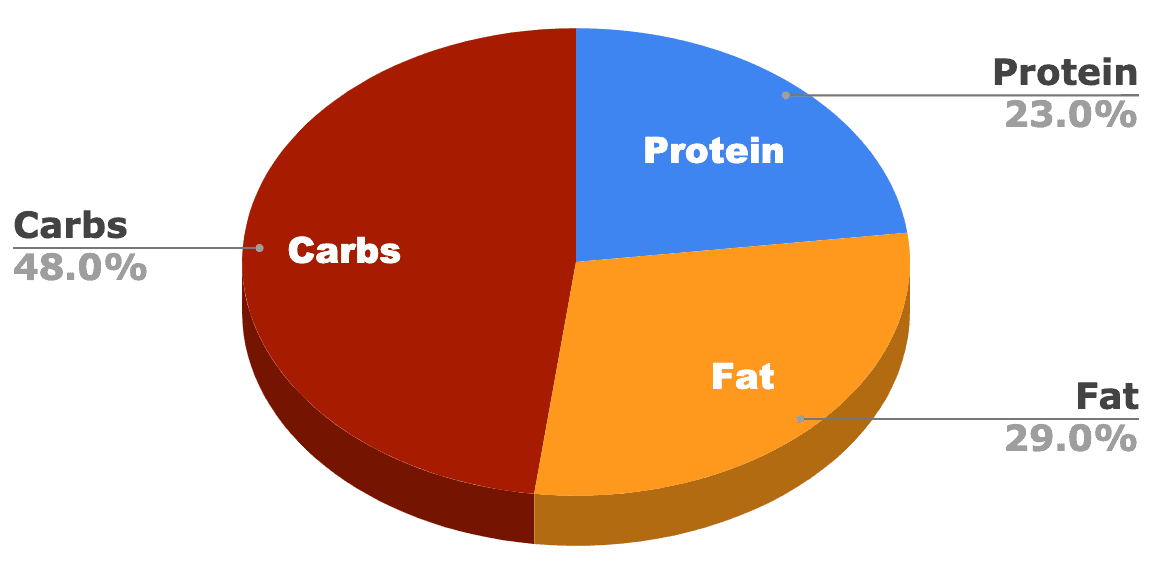
On the other hand, the nutritional value is more or less on par for what is considered healthy for your pet. Below, we have given you the average values based on 12 random picks from each type of food. Also, please note that we did not take into account the Veterinary Diets as those values can vary based on specific health issues.
As you can see, though these percentages are not terrible, there is certainly room for improvement, especially in the protein department. The low amount of protein can be traced back to the ingredients which are our next topic.
A Quick Look at Royal Canin Dog Food
Pros
- Over 200 varieties
- Sourced in the USA
- Breed-specific formulas
- Vet diets
- Decent nutritional values
- Additional nutrients
Cons
- Some formulas are very expensive
- Low protein
- Website is not user friendly
- No grain-free option
- Ingredient issues
Ingredients Analysis
As we have alluded to above, there are some concerning factors regarding the ingredients in this brand’s dog food. The first issue is their formula is not all-natural. They do not have a grain-free option, and we have not seen a meal that contains real meat.
Also, a lot of the ingredients we have been trained to look out for like “by-product meals” and “soy” are all found in the recipes. That being said, Royal Canin has stated specific reasons for each ingredient listed.
Below, you will find a list of the most concerning ingredients. All of these are found in multiple meals and are also above the halfway mark on the ingredients list meaning they are the more concentrated items within the recipe.
These items, like the organs, are good for your pup. The problem is the quality of the meal. There are two classifications for this type of food-human grade and feed grade. In feed-grade, the quality is much lower. The National Agricultural Law Center has found that most pet food by-product meals contain things like dead animal parts, fat, grease, and other waste from restaurants and supermarkets. What’s more, feed grade food can by-law contain toxins that would not be apparent in human-grade food.
This is why the quality of by-products is important. Royal Canin states they test for toxins and apply rigorous inspections. However, the quality is not verifiable outside their lab.
- Corn: Corn is another ingredient that has been found not only near the top of the list, but it is one of the first ingredients. Corn holds almost no nutritional value for dogs, and they cannot digest it.
- Corn gluten meal: Corn gluten is technically not gluten. On the other hand, it is used as a filler to boost the protein level in your dog’s food. Also, as it is corn-based, it is not easily digested by your pet.
- White rice: When it comes to grains, there are many that are nutritious for your dog. Though grain-free meals have become popular in recent years, your dog will benefit from having these ingredients. That being said, white rice is the least nutritional grain. Rice is also a carbohydrate. Though it is not a bad ingredient, it should be given in moderation.
- Vegetable oil: This ingredient can be used to help your dog’s skin and coat. That being said, vegetable oil is a low-grade ingredient that can cause more harm than good. Not only can your pet have an allergic reaction to the possible corn and soy content, but the use of this product can lead to obesity and other ailments.
- Pea fiber: Although peas can be nutritious when added to your dog’s diet, in protein form, it is used as a cheap filler and another way to boost protein levels.
- Sodium: There are several forms of sodium within the various Royal Canin formulas. Salt is unhealthy for your pet and can cause just as many issues as it can in us.
- Fructooligosaccharides: This is an ingredient that acts as a prebiotic. It is meant to feed the healthy bacteria in your pet's digestive system and promote good health. Also called FOS, this item has been linked to side effects such as stomach cramps, nausea, bloating, diarrhea, and vomiting.
- Hydrogenated yeast: Yeast is a controversial ingredient. Though it has many known benefits, it can also be hard to digest. In rare cases, it can cause bloating which can be the underlying reason for a dog’s stomach-turning in their abdomen. This severe complication is rare but deadly.
- Carrageenan: This ingredient is typically used as a filler to thicken the food’s appearance and texture. It has no known benefits for your canine, and it is not easy to digest.
- Wheat: Wheat can be quite healthy for your dog. That being said, many pups have sensitivities to this item, so caution is advised.
- Hydrolyzed soy protein: In this case, the soy is used as an additional protein product that is easier to digest for dogs with sensitive stomachs. That being said, all the soy problems still apply.
Recall History
According to our research, Royal Canin has had three recalls in recent years. Keep in mind, these are US-based recalls and do not include issues that may have occurred worldwide.
In April 2007, Royal Canin recalled a variety of their dry dog foods during the Melamine scare. The company stated the Melamine came from contaminated Chinese Rice Protein Concentrate that they sourced locally through another vendor.
Later that year in May 2007, they issued another recall for the same contamination. The second was technically a continuation of the first. In total, 23 recipes were pulled back due to the possible Melamine toxin.
The year before, on February 2nd, 2006, the brand recalled six Veterinary Diets for both dogs and cats due to elevated levels of vitamin D3. Mars Petcare, Royal Canin’s parent company, has had its fair share of recent recalls, as well.

What Other Users Are Saying
When you decide to switch up your pet’s meal, or you have a new fuzzy face around the house, comments and opinions by other customers are a sure-fire way to gauge the overall effectiveness of a product. In this case, dog food reviews can be invaluable while making the final decision.
So, without further ado, take a peek at what some of Royal Canin's customers had to say.
Chewy.com
“Our blue pit bull has the worst allergies...constantly itching, flakey skin, hot spots, and bald spots! Our vet recommended this food and in a week, we could tell the difference. Her coat was shinier and the itching was less. We had her on 4Health Lamb before this and did not see near the results. I do not leave reviews normally, but this food helped our girl and we are thrilled!”
PetSmart.com
“A co-worker suggested this product and I was a little unsure. But, once I bought it, I LOVED it! And my Chi loves it as well, helps with a shiny coat! Would recommend without a doubt!”
There is also something to be said for Chewy reviews as most people will shop there at one point or another. As they are one of the leading online retailers, we did not think it would be right to include customer reviews without mentioning them, too. Take a look at the Royal Canin reviews here.

Conclusion
Overall, Royal Canin has gone above and beyond to find specific dietary formulas to support many different types of dogs. Although they have some drawbacks to consider, the overall brand has demonstrated their dedication to promoting canine well-being.
We hope you have enjoyed these reviews, and they have helped you make the final decision about this pet food. If you would like a closer look at the company’s puppy formula or how they measure up to other brands, click over to get an even better view of what they have to offer.
Read More:
Get Hepper In Your Inbox


Pet care tips from our vets and experts, straight to your inbox.
You may opt-out at any time. View our Privacy Policy for more information.

Nicole is a lover of animals of all sizes but is especially fascinated with the feline variety. She’s the proud mom of Baby, a Burmese, and works every day so he can relax in the sunshine or by the fire. She’s always had a cat in her home and has spent countless days with others, observing behaviors and softening up even the grouchiest of the lot. Nicole wants to share her kitty expertise with you so you and your cat can live happy, healthy, and care-free.
Join the conversation
Ask a question, share your story, or send private feedback.