Hepper is reader-supported. When you buy via links on our site, we may earn an affiliate commission at no cost to you. Learn more.
9 Signs That Cat Food Has Gone Bad: Vet-Approved Food Storage Tips


In this article
We do our best to make sure that our beloved pets are eating a healthy, nutritious diet. There are many types of cat food on the market and regardless of what kind you feed your kitty, each one can go bad and be unfit for consumption.
As an owner, you want to make sure you know the telltale signs that your four-legged family member’s food has gone bad so that you can avoid feeding it to them. After all, who wants to eat rotten food?
How you store your cat’s food has a significant impact on freshness, flavor, texture, and nutritional quality. In this article, we’ll go over the signs that cat food has gone bad and how to properly store the food to extend the freshness and shelf life of your kitty’s meal.

The 9 Signs That Cat Food Has Gone Bad
1. It’s Past the Expiration Date
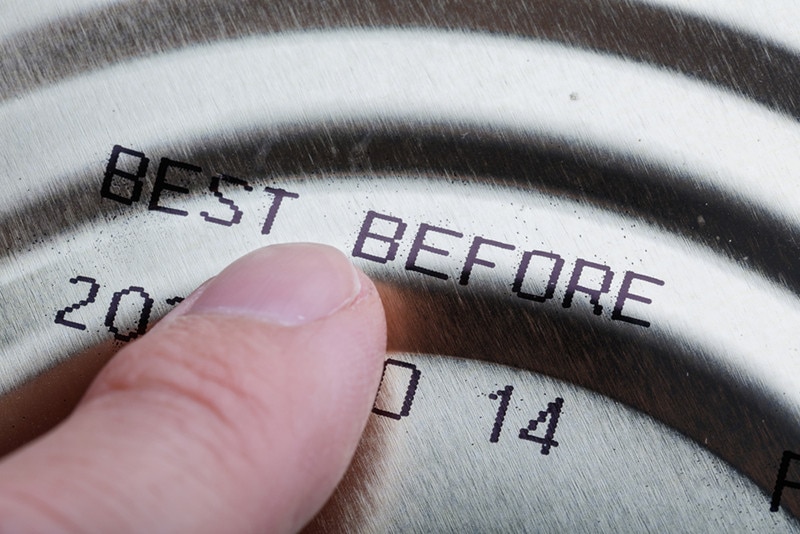
Aside from fresh produce, the foods you find in the grocery store will have an expiration date, or the “best by” date is listed somewhere on the packaging. This date stands for the last day that a manufacturer determines that a consumable product is at its best quality.
While pet foods in the United States are not required to label their products with an expiration date, many of them do because it helps them advertise how long they can ensure their product’s quality. While both dry and canned cat food have fairly lengthy shelf lives and may still be good even after the expiry date, they will still go bad eventually, in one way or another.
Even if the bag or can has not yet been opened, has no smell, or doesn’t show any other signs of contamination or spoiling, the preservatives and fats in these foods can break down over time resulting in less nutritional quality.
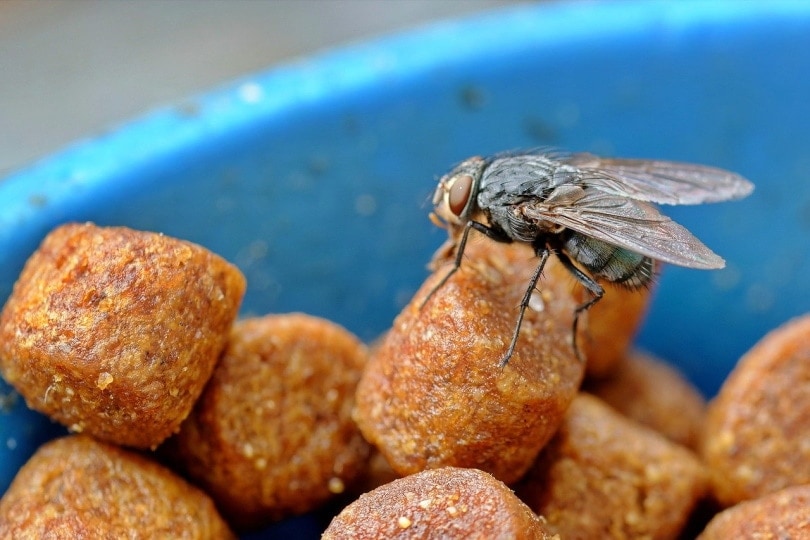
You also need to consider that the packaging is subject to breaking down over time as well. The longer it sits, the more likely it is to be exposed to moisture, insects, warmer conditions, and other types of contaminants. Biodegradable packaging is especially susceptible to breaking down if the food inside is not consumed by the expiration date.
Just because the food is past the expiration date doesn’t mean it’s gone bad, but be sure to check the date and look for any signs of contamination once you open it up. It’s not recommended to feed your pets food that is far past the “best by” date, just to be on the safe side, regardless of whether it's dry, canned, or fresh.
2. There’s a Rancid or Unusual Smell
A rancid or unusual smell is a telltale sign that your cat’s food has gone bad. You’ll already know what smells to expect from your cat’s food, especially if you’ve fed it to them before, so if you ever smell a foul odor or even a smell that just seems off, do not feed it to your cat.
Many different factors can cause your cat’s food to spoil and make it unsuited for them to consume. Heat, humidity, light, oxygen, heat, and temperature fluctuations can result in the decomposition of the organic material and result in the growth of bacteria. Once this bacterium starts growing, it’s time to throw out the food because both the quality and safety have been compromised.
Just like you shouldn’t be drinking spoiled milk, you shouldn’t allow your cat to eat any spoiled food. It’s important to read the label so that you are storing the food properly to prevent contamination and give it the longest shelf life possible.
3. You Notice Abnormal Color
Regardless of whether you feed your cat fresh, canned, or dry food, the color and shade will vary depending on the type of animal protein and what kind of ingredients are used in the formula. Even foods within the same brand will have different colors depending on the recipe.
If you are trying something new, always check the expiration date before buying and look for any signs of contamination when you open it. On the other hand, if you are opening up your normal cat food recipe that you are familiar with and you notice the color is off, you may want to give it a smell check to make sure it’s not stale or rancid before giving it to your cat.

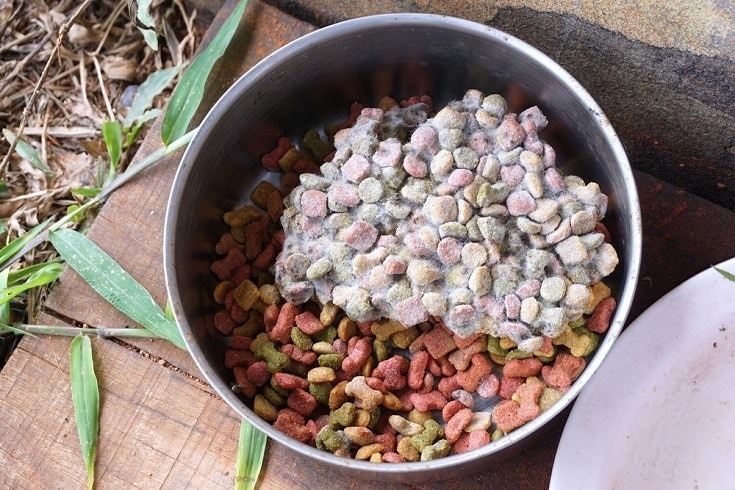
4. There’s Visible Mold
All types of cat food are susceptible to mold. High humidity or exposure to moisture are the most common reasons for mold growth on food items. Tell-tale signs of mold are white fuzzy spots, unusual colored patches, or food that's much softer than usual.
Eating moldy food can make your cat very ill, so it needs to be thrown out right away. In some cases, cats are finicky and may not eat the mold, but more ravenous eaters run the risk of becoming sick, so make sure to contact your veterinarian right away if your kitty consumed moldy food.
5. The Can or Packaging Is Bulging (Canned or Fresh Food)
Canned or fresh food packages may begin to bulge or take on a bloated appearance because of gas build-up that results from bacteria once the food has begun to spoil. If no seal has been broken and your can or fresh food packaging is bulging, it may explode and spray the contents out when you do break the seal.
The cans may also make a popping sound when you press on the top, sides, or bottom. This is common in any pre-packaged food, whether for humans or for pets, that has gone bad but is still sealed.
6. The Packaging Is Open, Leaking, or Dented Before Use
Before you purchase your cat’s food at the store, do a quick but thorough examination of each package before you bring it home. If you have the food delivered, check it before you open it because you may need to return it if it has arrived damaged in any way.
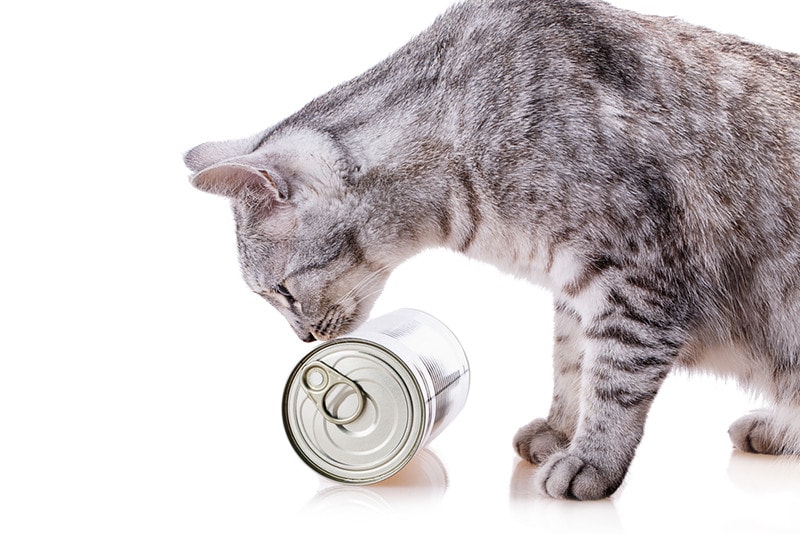
You run a risk with dented cans because this could mean that the seal has been broken, allowing for contamination. This is especially true for cans that have deep dents and are visibly punctured or leaking.
When it comes to dry kibble, you don’t want to take home any bags that are open and spilling out kibble. This could result in moisture, insects, or other forms of contaminants making their way into the food before you have a chance to serve it to your cat.
7. It’s Been Out Too Long
Each type of food’s length of freshness will vary once it has been opened and served. Some kitties may eat all their food in one sitting, while others are grazers that are perfectly fine leaving it to sit and eat as they feel hungry. If you have a grazer, you need to keep track of how long you let the food sit out.
Obviously, dry food will last the longest, but it should not be left out for more than a day or so, especially since you should not be offering a serving that is more than what a cat should eat in a 24-hour timeframe.
When it comes to wet, canned, or fresh food varieties, you should always discard them after 4 hours when left at room temperature. Leaving food out too long at room temperature can cause bacteria to grow to dangerous enough levels that it could make your cat sick.
8. Your Cat Is Refusing to Eat
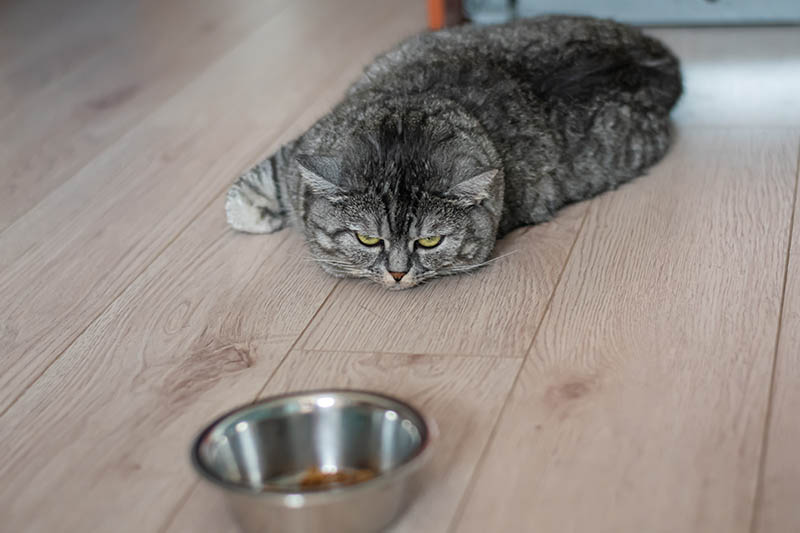
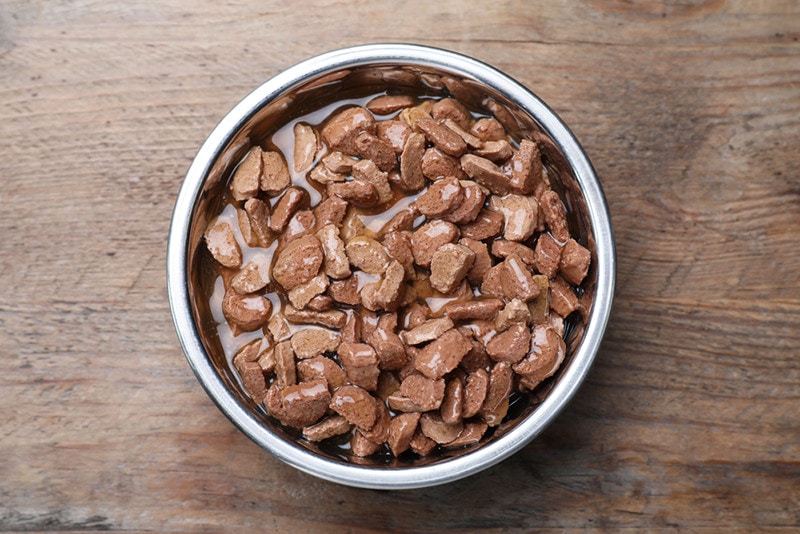
If your cat typically has a healthy appetite and they are suddenly refusing to eat their typical food, it could mean that there’s something wrong with the food. Your cat may be able to pick up on the food spoiling before you can, and since cats are often more finicky than dogs, they may refuse to eat their meal.
Keep in mind that a lack of appetite could also be the result of an underlying health condition, so you will want to get in contact with your veterinarian if your cat is refusing meals.
You should check their food to see if there are other signs it’s gone bad, but don’t hesitate to have your cat seen if the food seems fine or if there are other signs of illness present.
9. Your Cat Becomes Ill
Contaminated or spoiled food can easily cause your cat to become ill if they consume it. The bacteria that have begun to grow on the food can cause gastrointestinal problems ranging from mild to severe, but can even result in food poisoning, which can be very dangerous.
Botulism is a rare but serious form of food poisoning that is caused by bacteria called Clostridium botulinum that grows on decomposing food. It is typically caused when cats eat dead animals or rotten meat, and signs may develop within hours or even days after they’ve ingested the affected food item.
If your cat has eaten spoiled food, contact your veterinarian for further guidance. Your cat will need to be seen right away if they are showing signs such as nausea, vomiting, diarrhea, weakness, lack of appetite, excessive salivation, or any other concerning clinical sign.

How to Properly Store Cat Food
Knowing how to properly store your cat’s food is the best way to prevent it from spoiling. Depending on what type of food you feed your cat, the shelf life and storage requirements will vary. Each commercial cat food will come with storage and feeding instructions from the manufacturer, so make sure to read each label and follow instructions carefully.
Dry Kibble
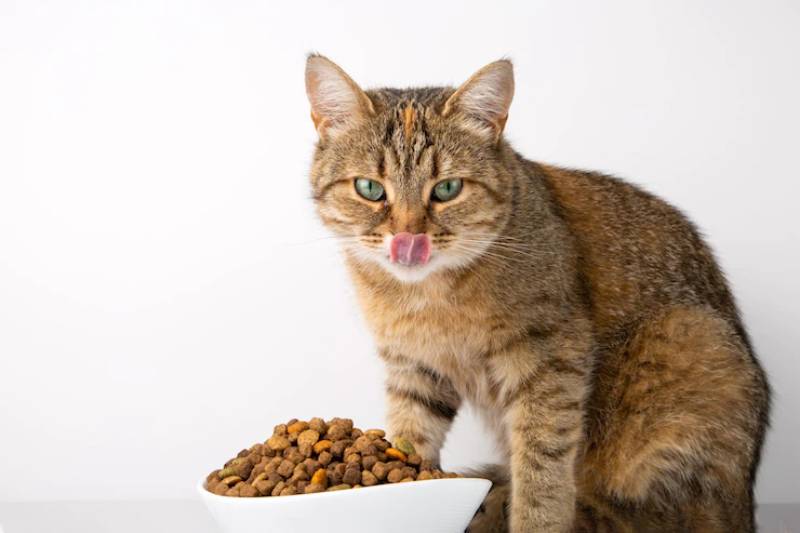
Dry kibble should be stored in a cool, dry place in temperatures under 80 degrees Fahrenheit. The bags should be opened attentively so that you can reseal the bag between uses. You can also store dry kibble in plastic, glass, or metal containers to protect it from insects, rodents, and moisture.
It’s recommended that you put the bag inside the container rather than pouring in the kibble and then storing it in a cool, dry location. As a rule of thumb, dry food should be consumed within 6 weeks of opening the bag but read the manufacturer's instructions and make sure to buy appropriately sized bags for this reason.
Wet/Canned Food
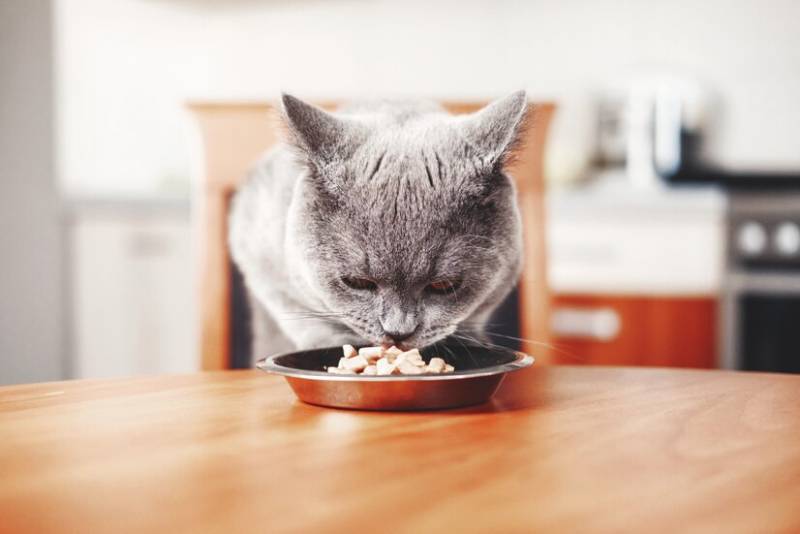
Unopened canned food has a longer shelf life and can stay fresh for years when stored in a cool and dry location and used before its expiration dates. Once the cans have been opened and the seal has been broken, the food should be stored in the refrigerator for the length of time suggested on the can or no more than 7 days.
If you don’t think the amount of food in the can will be consumed within that time frame, you can immediately freeze portions and thaw them out to feed as needed. Canned food should never be left out at room temperature for long, as it can spoil quickly. Discard it after that 4-hour mark to ensure your cat doesn’t eat any spoiled food.
Fresh Food
Fresh pet food needs to be stored in the refrigerator or freezer, much like a lot of human foods. It will keep much longer in the freezer, and you can thaw portions out when you are ready to feed your cat.
Make sure to read the manufacturer’s instructions carefully with your fresh food varieties, as the company will know the best way to store, thaw, and serve their food. Each food may be unique on the recommendations.
Like with canned food, never leave fresh food out for very long. It’s often recommended that fresh foods not be left out for more than 2 hours and discarded after that time has passed.
What Do I Do If My Cat Food Has Gone Bad?
If your cat’s food has gone bad, do not feed it to your cat or any other animal. In some cases, it may fall within a return policy, depending on how long you’ve had it, or if it arrived damaged or leaking. Check with the company you purchased from to see if a return is warranted because you may be able to get your money back or exchange it.
If the food is fine at first, but has been left out and spoiled naturally, dispose of it safely and ensure your pets cannot access it in the garbage. If your cat or any other pet in your home has eaten the spoiled food, reach out to your veterinarian to see what they recommend.
In Conclusion
There are several ways to tell if your cat’s food has gone bad. Since you never want your precious kitty to eat spoiled food, you want to avoid feeding them anything that is showing signs of spoiling or any other kind of contamination.
All types of cat food are susceptible to going bad, so make sure you check the packaging for any damage or leaks, look the food over when you open it, and give it a smell check to make sure all is well.
Proper storage practices are the best way to prevent pet food from going bad, so make sure you store dry or canned food in a cool, dry place and fresh food in the refrigerator or freezer. Don’t hesitate to reach out to your veterinarian if you have any questions or concerns about your cat’s food and how to store it.
Featured Image Credit: Kitirinya, Shutterstock
Get Hepper In Your Inbox


Pet care tips from our vets and experts, straight to your inbox.
You may opt-out at any time. View our Privacy Policy for more information.
Lindsay is a wife, mother, nature enthusiast, animal lover, and business major. She was born and raised in the United States and now lives in Tulsa, Oklahoma. She shares her home with a German Shepherd, several snakes, tarantulas, and a couple of rescue cats.
Lindsay and her husband enjoy traveling the US with their children and photographing wildlife. Lindsey is passionate about proper animal care and education around it!
Join the conversation
Ask a question, share your story, or send private feedback.