Hepper is reader-supported. When you buy via links on our site, we may earn an affiliate commission at no cost to you. Learn more.
Benefits and Downsides of Wet Food for Cats: Vet-Reviewed Nutrition & Diet Facts


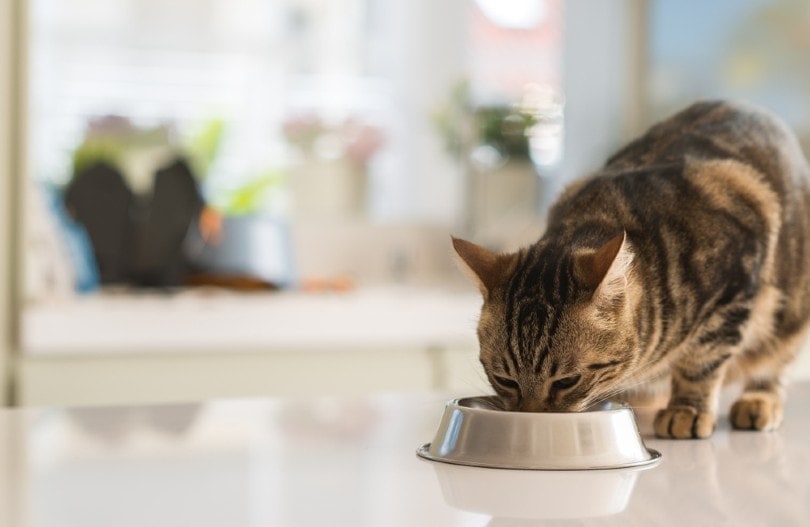
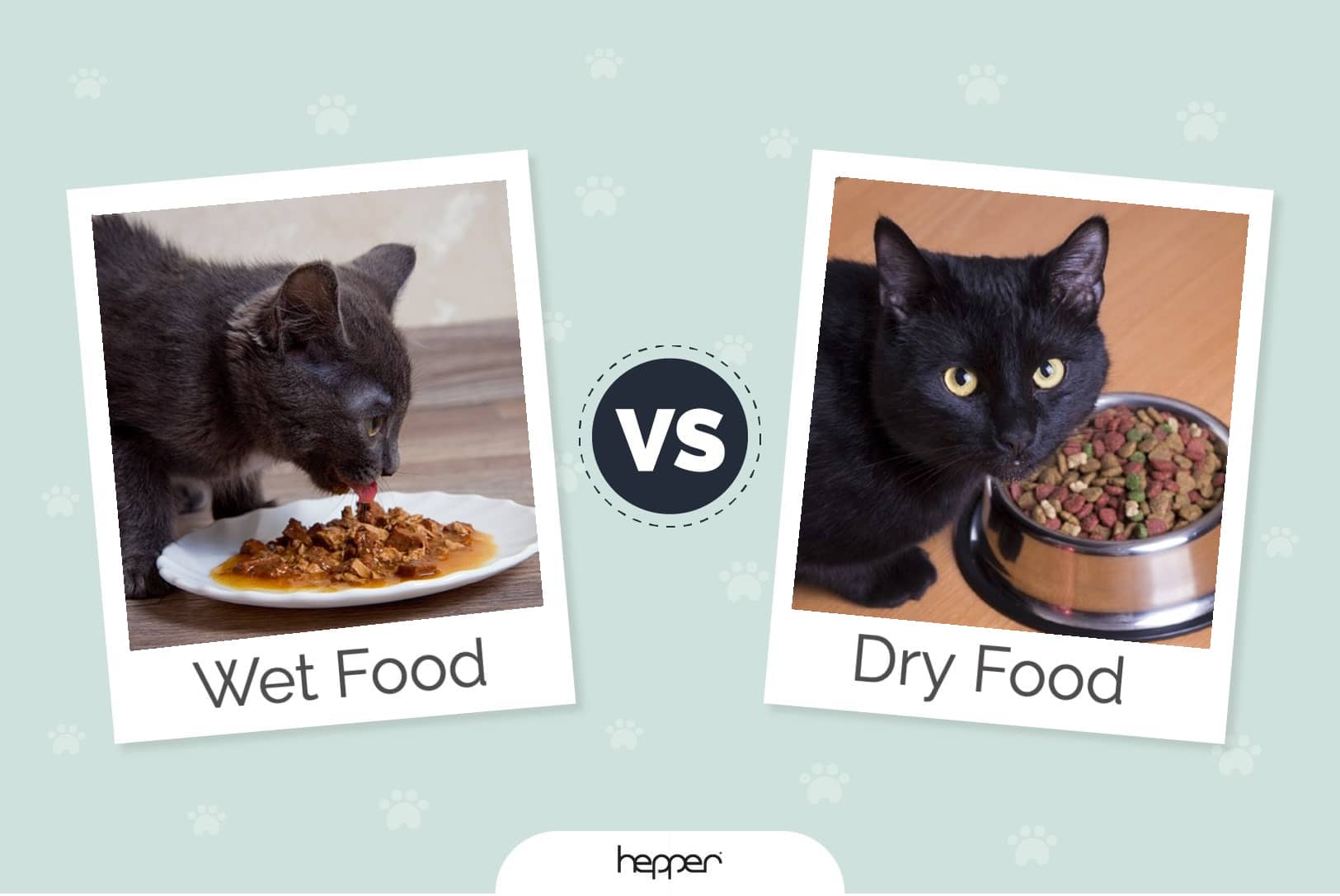
One of the most confusing things to many pet owners is that there are two different foods, dry kibble, and wet food. Many people ask us if cats need wet food at all, and the short answer is no. Your cat does not need to eat wet food to stay healthy.
However, there are several benefits as well as drawbacks to providing it to your cat, so keep reading while we look at the pros and cons to help you be more informed.

What Is Wet Food?
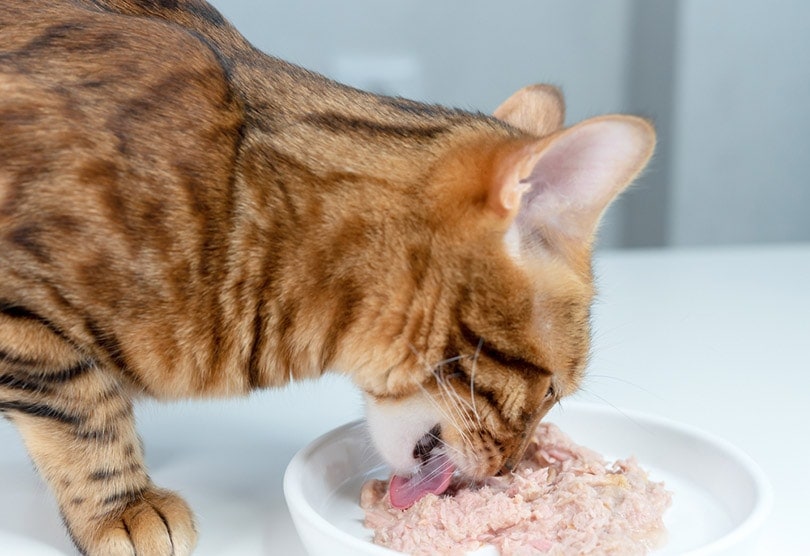
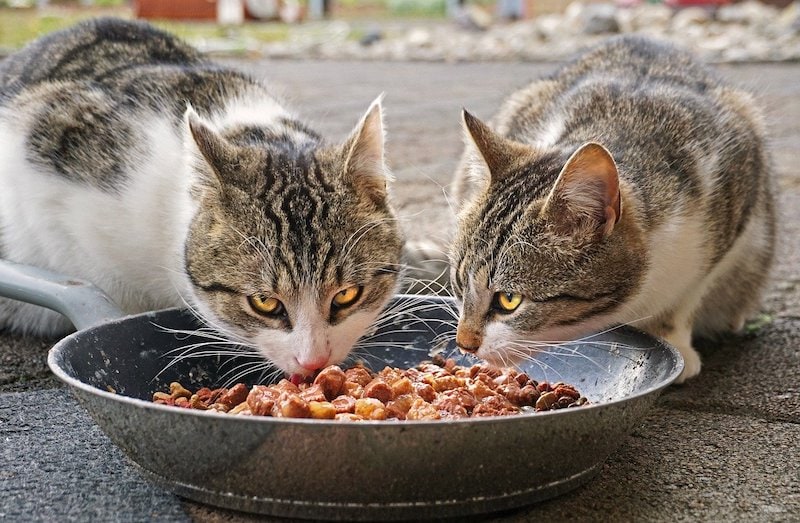
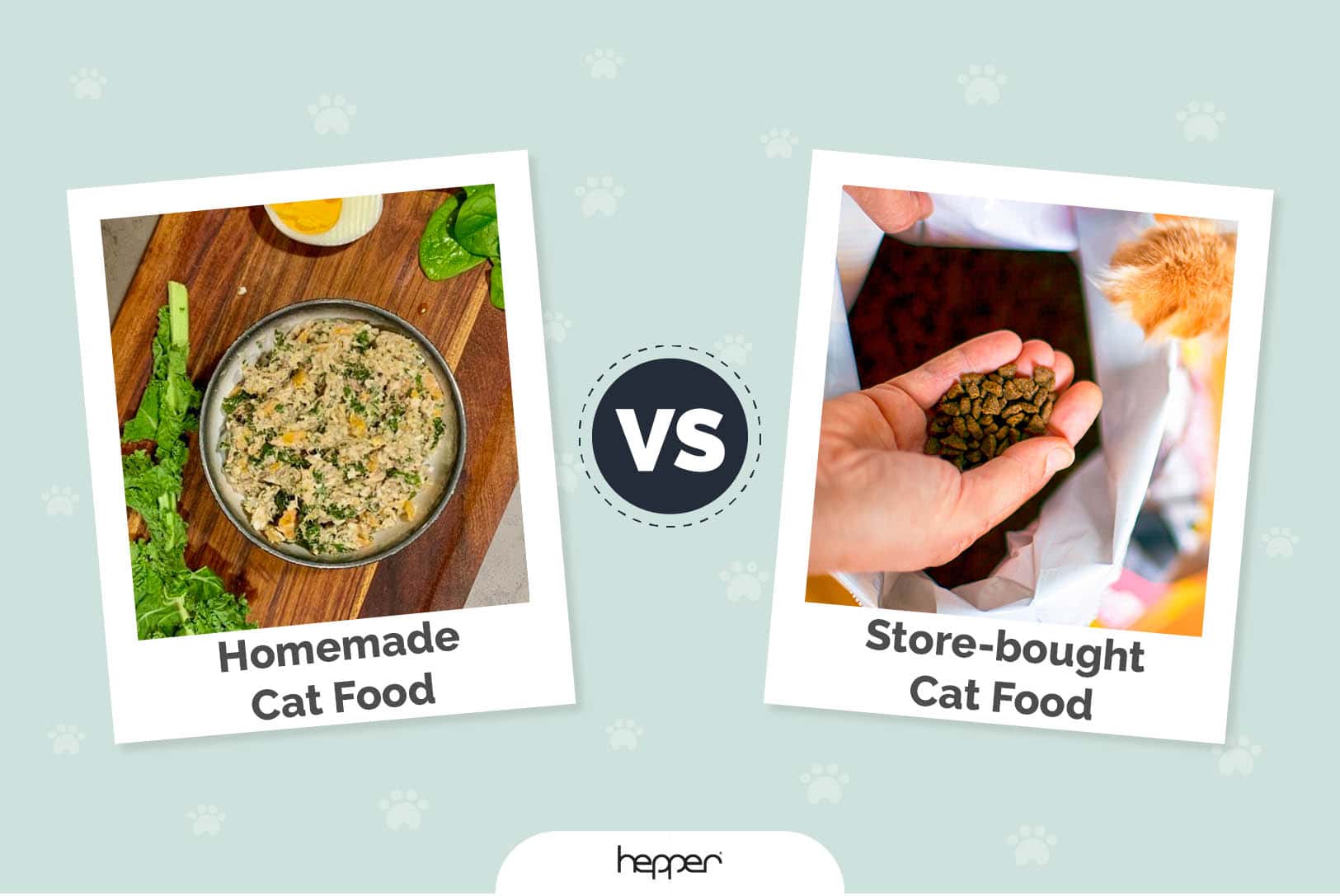
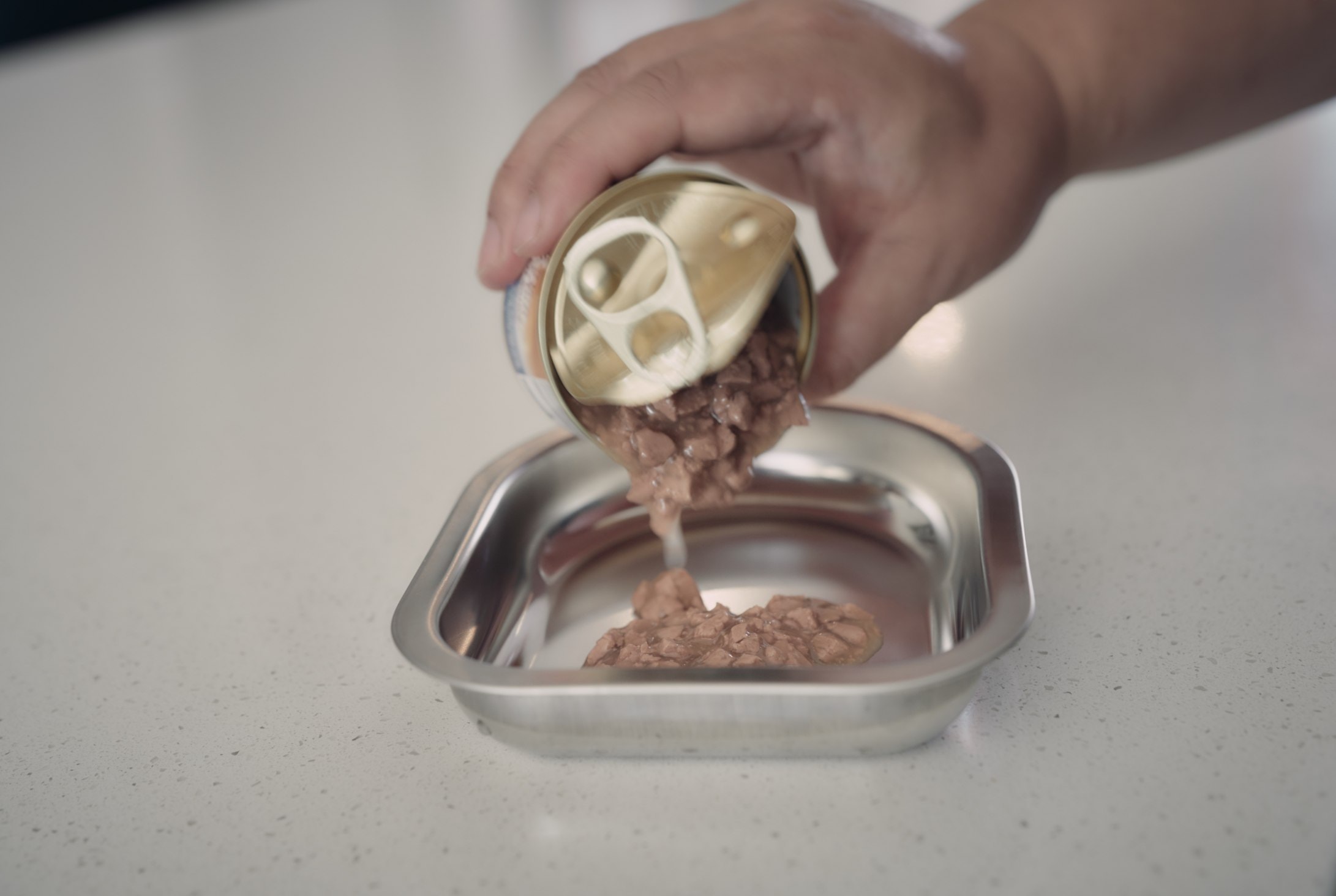
Wet cat food comes in a can and features soft food with high moisture content. It often has meat mixed with vegetables and includes vitamin and mineral fortification to ensure that your cat receives a complete meal and balanced diet, like with dry kibble.
There are several types or textures of wet cat food, including pâté, morsels, and minced, so you can ensure that your cat gets the kind that they enjoy eating.
The Top 4 Benefits of Feeding Your Cat Wet Food
1. Moisture
One of the primary benefits of feeding wet food to your cat is its high moisture content, especially when compared to dry kibble. Cats evolved from desert animals that relied mostly on the moisture of their prey for hydration, so many modern cats are not great at drinking water. The increased moisture content in wet cat food can help prevent issues like constipation. Many cats also suffer from light dehydration because they usually don’t drink enough water, so wet food can help improve their health.
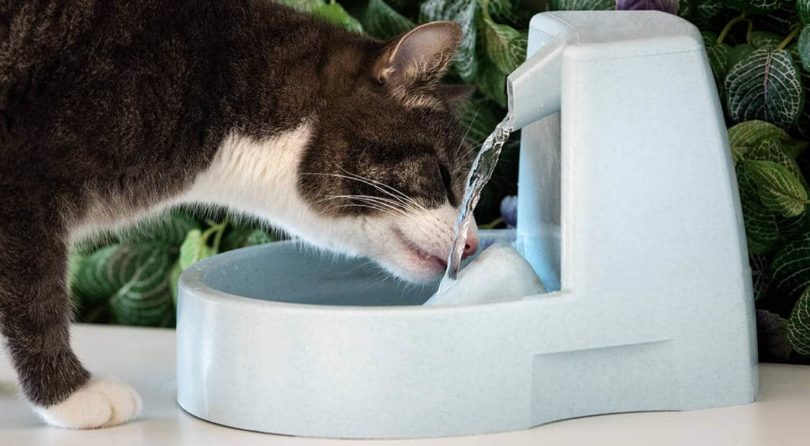
Signs of dehydration in cats include loss of energy, poor appetite, dry gums, and in severe cases, sunken eyes. Besides wet food, adding a water fountain or two around your home can help convince your cats to drink more water.
2. Rich Flavor
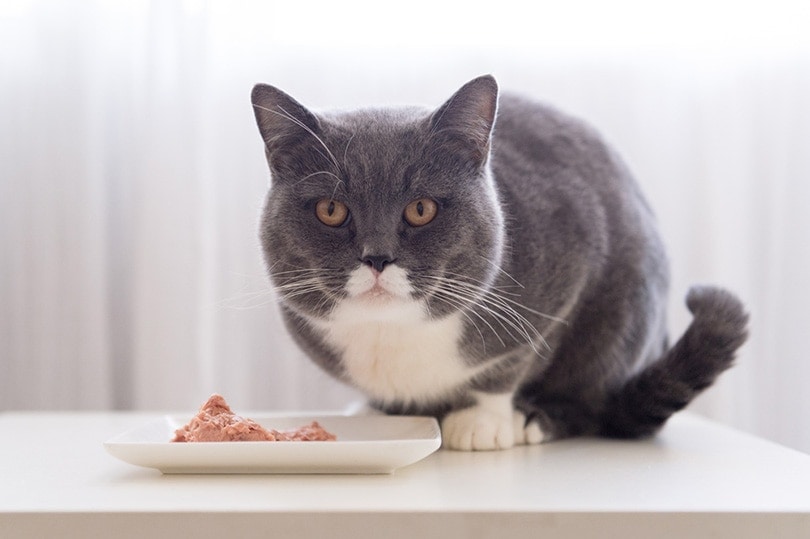
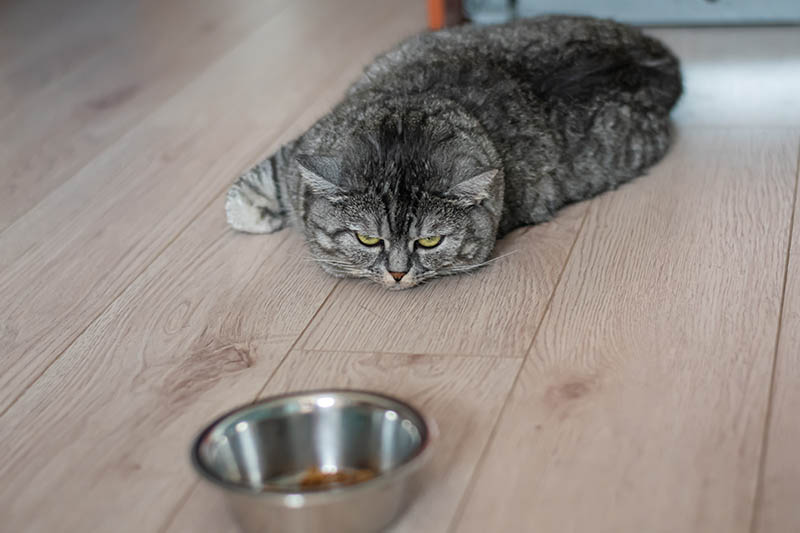
There is a richer flavor offered by wet food and our cats will almost always choose wet food over dry if given a choice. Their preference for wet food comes in handy for convincing a cat to eat their medication when it’s needed, and it can also get cats eating again if they haven’t eaten in a while.
3. High Protein Content
The high protein found in many wet foods is because they contain plenty of real meat pieces cooked inside the can. Protein is responsible for muscle growth in your cat, and animal proteins contain the important nutrients arginine and taurine, which are vital to your cat’s good health. Many other mammals, including dogs, can create these nutrients, but cats must ingest them by eating animal proteins.
Keep your cat's diet in check with our calorie calculator here.
4. Less Carbohydrates
Carbohydrates are typically used as binders to form pellets of dry cat food. Therefore, most cat dry foods are too high in carbohydrates for an obligate carnivore that should be obtaining energy mostly from protein and some fats. It is easier to find a wet cat food that has a species-appropriate macronutrient balance with high-quality animal proteins and minimal carbohydrate content.
This doesn’t mean you can pick just any canned cat food, though; you will still need to read the label thoroughly. Many manufacturers include carbohydrate sources in wet cat food simply because the ingredients are cheaper.
Regardless of the type of food your feline companion prefers, finding a bowl that is sure to keep the mess contained can be tough. Our Hepper NomNom Cat Bowl features a wide tray designed to ensure that all food stays exactly where it should—inside the bowl and off the floor. The whisker-friendly bowls fit securely into the PP plastic base and are low and wide to prevent whisker fatigue. Its contemporary style will fit seamlessly into any home and it is completely dishwasher safe.

- NO MESS - The 360° tray on this cat food and water bowl set has a raised design to catch and contain stray crumbs and drips. Protect your indoors and floors from wet and messy meals!
- WHISKER FRIENDLY - Shallow and wide metal containers with flat bottoms ensure your kitty can enjoy mealtime free from whisker fatigue!
- CHEW-SAFE MATERIALS - Kittens and cats love chewing on silicone and soft rubber - but it's a choking hazard. Our cat feeding station materials are anti-chew for a 100% safe feeding frenzy!
The 3 Main Downsides to Feeding Your Cat Wet Food
1. Dental Issues
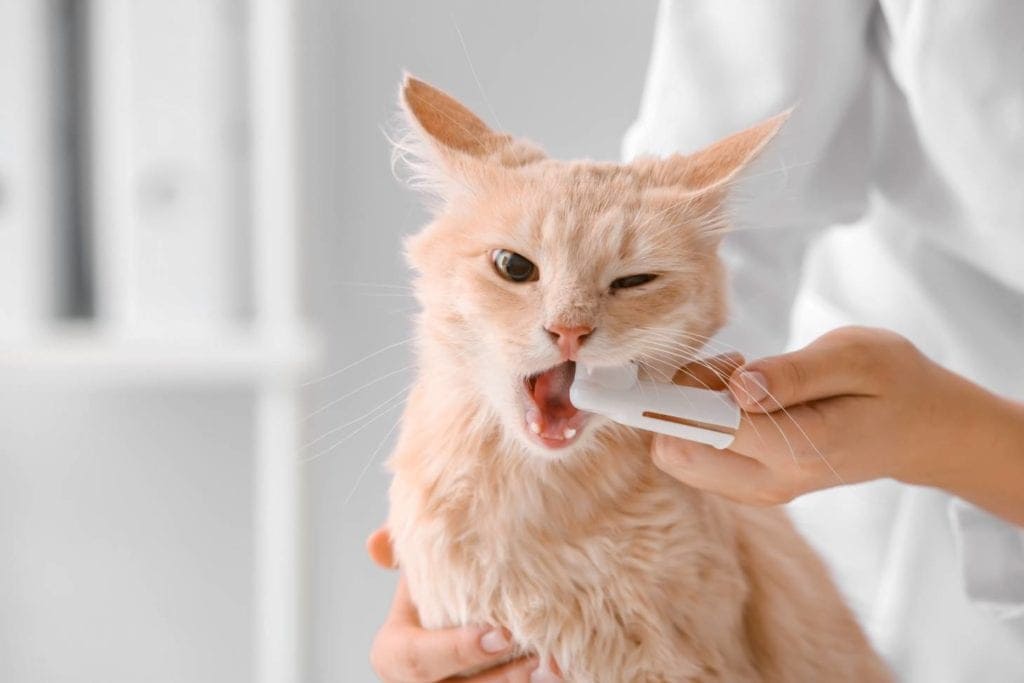
The primary reason we recommend avoiding adding wet food to your cat’s diet is that it does not help clean your pet’s teeth. While wet cat food might offer hydration and protein content that is more like a cat’s prey, it fails to provide the teeth scrubbing that would come from dealing with the rough hides, fur, and bones of their prey. Some experts suggest that more than half of cats over the age of 4 have dental problems, though the actual number may be as high as 90%.
Wet food doesn’t help scrape the teeth clean. In fact, it may leave a residue on them that helps speed up the progression of dental disease. Regular tooth brushing and professional tooth cleaning are the best way to guarantee your cat’s oral hygiene.
2. It Spoils
Due to the high moisture content, wet cat food can only sit in the bowl for a few hours before it is subject to bacteria growth. These bacteria can cause gastrointestinal issues and even intoxication in your cat, so you will need to stay vigilant about removing the food before it goes bad. Depending on the environmental temperature, wet cat food should not stay outside for more than 30 minutes to an hour.
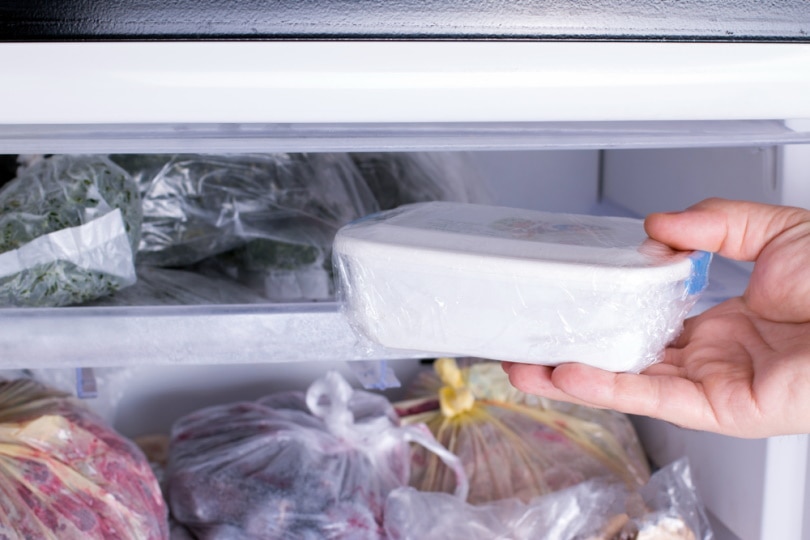
Once opened and properly resealed, wet cat food can be stored for 3 to 5 days as long as it is refrigerated. Dry food does not suffer from bacteria growth because there is no moisture, which slows bacterial contamination and reproduction, so you can leave it out for the day or overnight.
3. Expensive and Hard to Store
Another downside to wet food is that it can be considerably more expensive than dry kibble. Especially since the COVID-19 pandemic, you can expect to pay more than $1 per serving for many brands, while most dry kibble brands will be less than half that price. Once you purchase the food, it is also much easier to store dry kibble because it weighs less and comes in a larger package.
On the other hand, wet food is heavy, and each serving is in a can that you must store. If you don’t serve it all, you will need to refrigerate the remaining portion, which takes up room in your fridge.
Final Thoughts
It’s perfectly healthy for cats to eat wet food. Wet cat food is especially useful for preventing constipation or hiding a cat’s medication if they are dealing with a medical condition. It usually has less carbohydrates and a higher protein content. Wet cat food can help get a stubborn cat to eat again, but otherwise, your cat doesn’t need to eat it.
Cats can live a healthy life eating nothing but dry kibble, as long as you get a good-quality brand that makes species-appropriate formulations.
Related Reads:
Featured Image Credit: Krakenimages.com, Shutterstock
Get Hepper In Your Inbox


Pet care tips from our vets and experts, straight to your inbox.
You may opt-out at any time. View our Privacy Policy for more information.
Ed Malaker is a veteran writer who has contributed to a wide range of blogs that cover pets, tools, guitars, fitness, and computer programming. When he’s not writing, Ed is usually performing DIY projects around the house or working in the garden. He’s also a musician and spends a lot of time helping people fix their guitars and composing music for independent films.
Join the conversation
Ask a question, share your story, or send private feedback.