Hepper is reader-supported. When you buy via links on our site, we may earn an affiliate commission at no cost to you. Learn more.
5 Great Tank Mates for Figure 8 Puffer Fish (With Pictures)
In this article
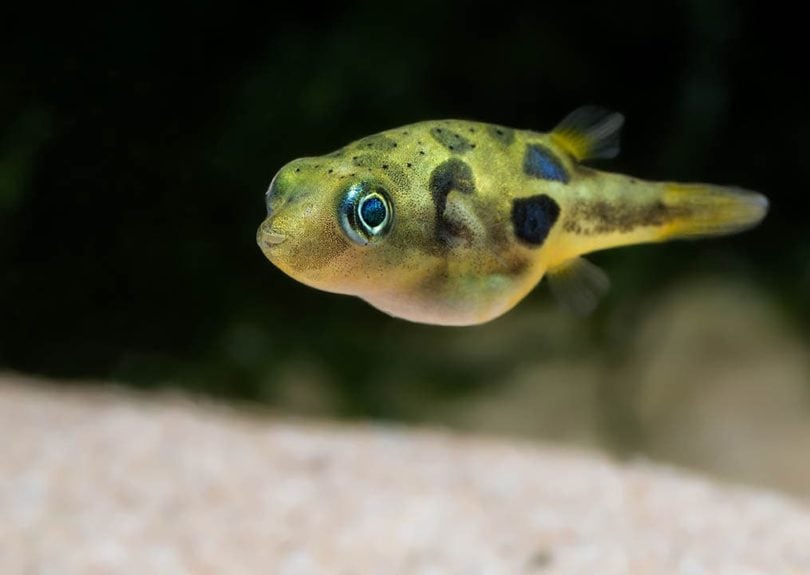
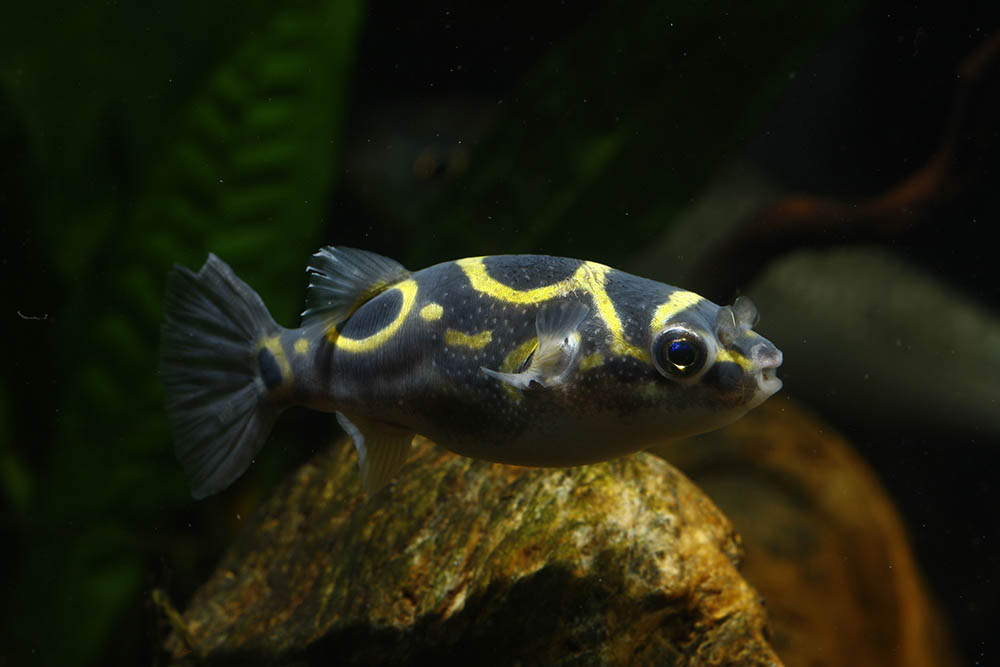
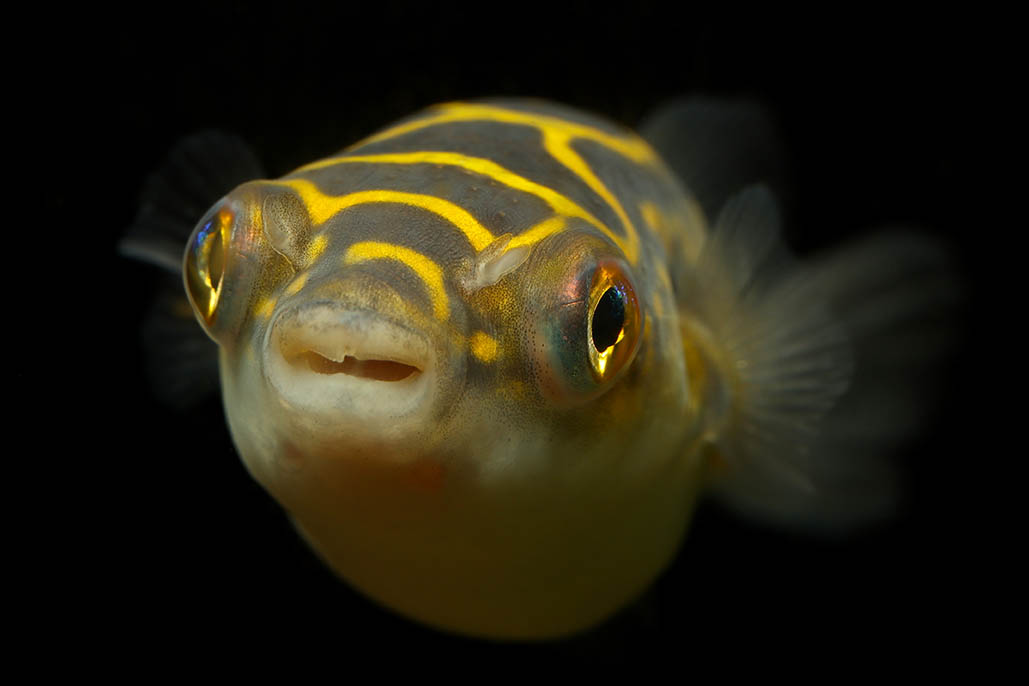
Figure 8 Pufferfish are fascinating brackish water fish. They can tolerate a higher salinity content in the water than other freshwater fish. They are commonly referred to as the Eyespot Pufferfish. These are relatively small fish and do well in heavily planted nano tanks. They have a striking appearance which has earned them their name. Their body consists of black dots along a tan-colored body. They are friendly and enjoy spending most of their time in large groups.
In this article, we'll discuss five great tank mates for the brilliant Figure 8 Pufferfish!

The 5 Tank Mates for Figure 8 Puffer Fish
1. Mollies (Poecilia sphenops) – Best for Small Tanks
| Size: | 2–4 inches (5–9 cm) |
| Diet: | Omnivore |
| Minimum Tank Size: | 15 gallons (57 liters) |
| Care Level: | Easy |
| Temperament: | Playful (should be in groups of 6 or more) |
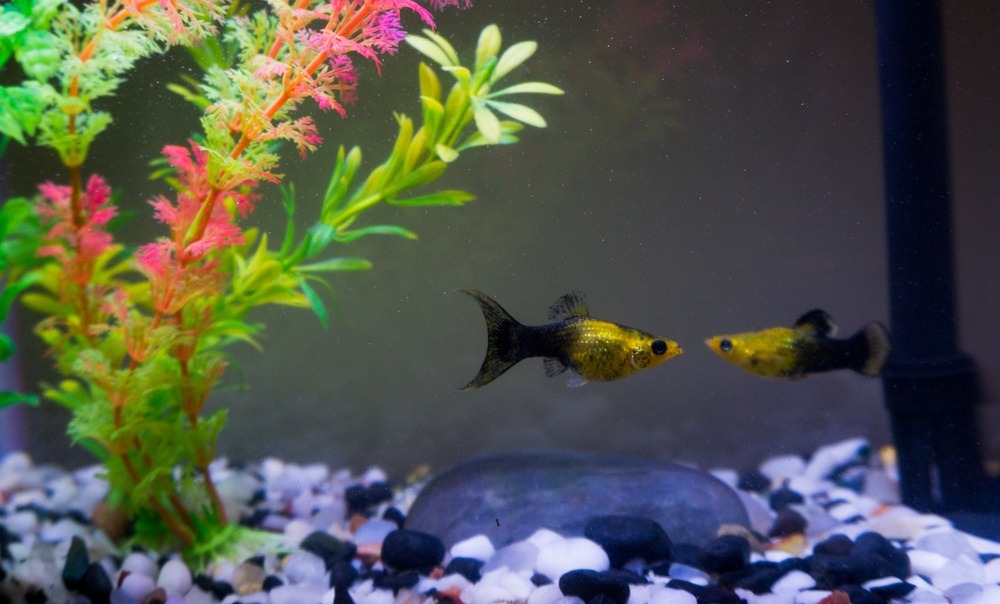
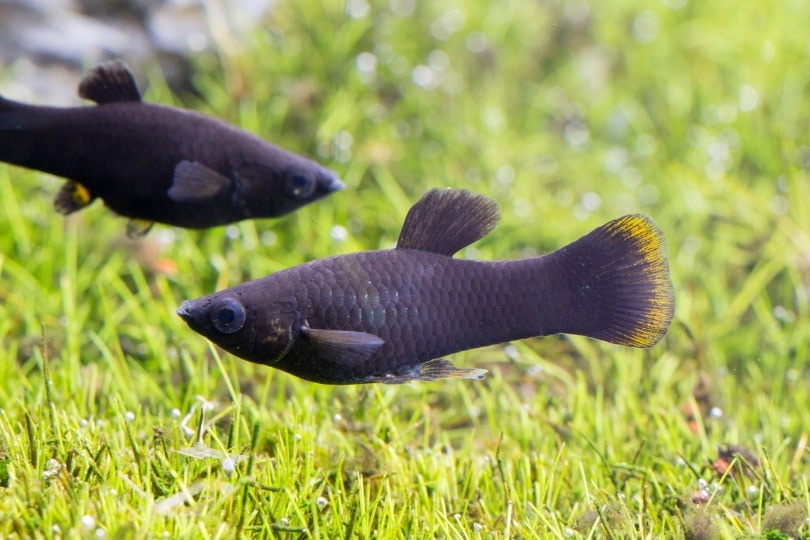
Mollies are colorful fish that can tolerate brackish waters that the Figure 8 Pufferfish thrive in. They come in a variety of different colors and sizes. The sailfin molly is the largest growing molly fish and can reach a maximum adult size of 4 inches. Mollies enjoy being in large groups so that they can feel safe. Their colors look striking when they are kept to the neutral-colored pufferfish.
2. Gobies (Gobiidae)
| Size: | 4 inches (10 cm) |
| Diet: | Carnivore |
| Minimum Tank Size: | 30 gallons (113 liters) |
| Care Level: | Difficult |
| Temperament: | Peaceful |
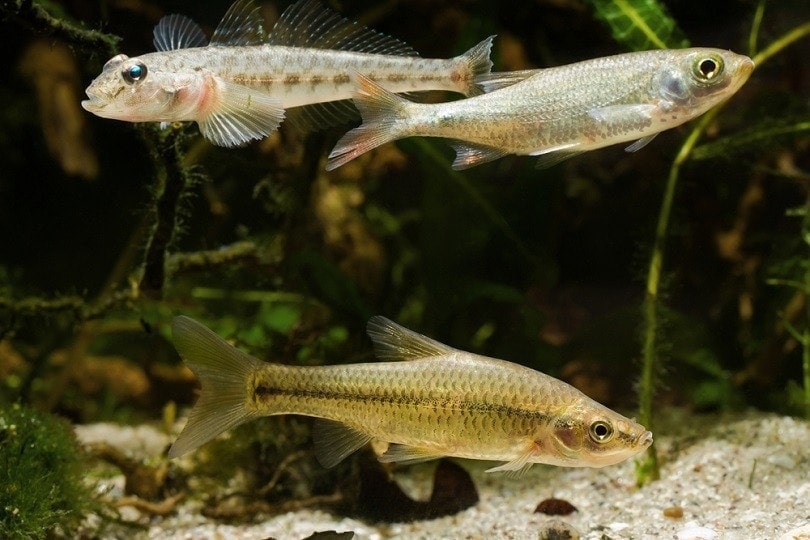
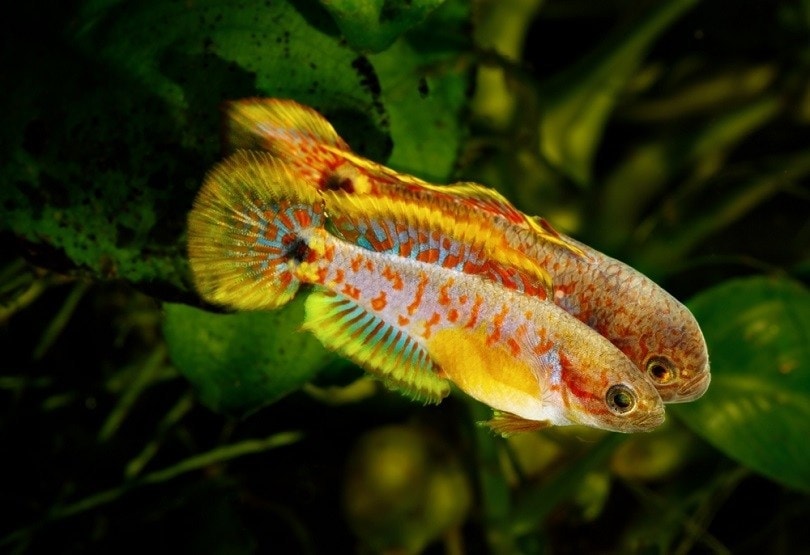
Aside from the interesting name, gobies are quite astonishing-looking fish. They have a unique body type that other freshwater fish lack. They are quite rare to find in local pet stores and are typically found in the saltwater fish area. They live in brackish waters like that of the Figure 8 Pufferfish. They are peaceful and can live in pairs or small groups.
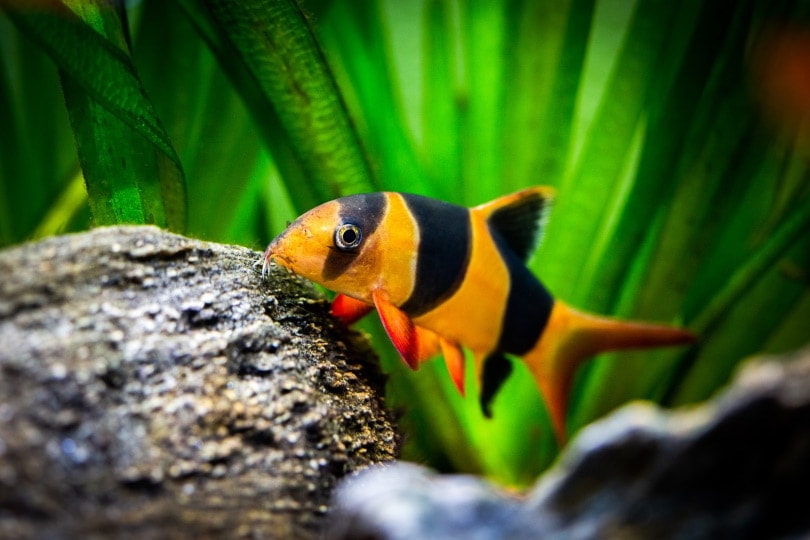
3. Clown plecos (Panaque maccus)
| Size: | 3–4 inches (8–10 cm) |
| Diet: | Omnivore |
| Minimum Tank Size: | 10 gallons |
| Care Level: | Easy |
| Temperament: | Peaceful |
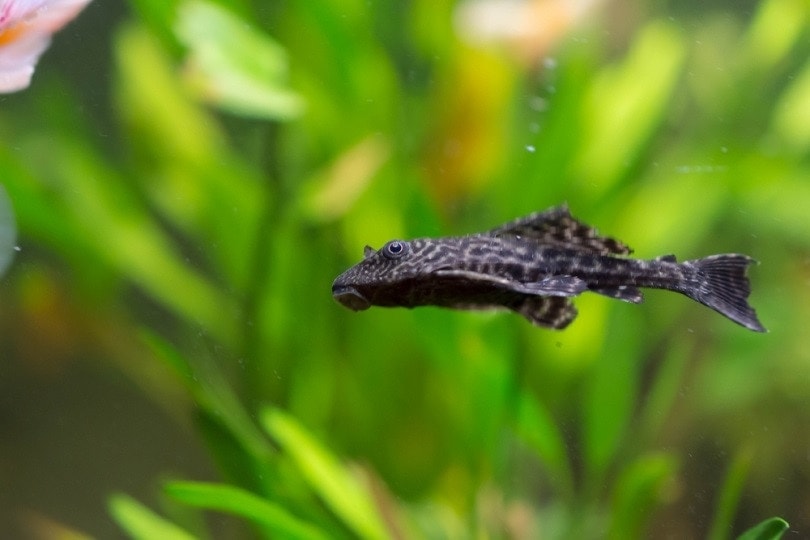
Clown Plecos do not get as large as the common pleco. This makes them ideal for the smaller-sized tanks Figure 8 Pufferfish can be housed in. They are not very tolerant of brackish water; however, they can survive in waters with low traces of salt. Clown plecos can be housed in pairs if you increase the tank size and they will do a good job at controlling algae.
4. Snails (Architaeniolossa Ampurllariidae)
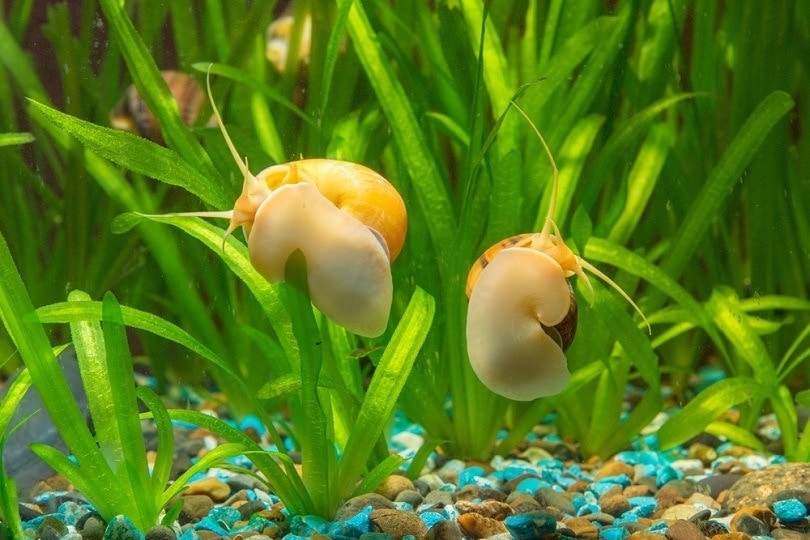
| Size: | 0.5–3 inches (1.30–7.5 cm) |
| Diet: | Omnivore |
| Minimum Tank Size: | 5 gallons (20 liters) |
| Care Level: | Easy |
| Temperament: | Peaceful |
Mystery snails and Nerite snails are more tolerant of brackish water. They can be kept in a Figure 8 Pufferfish tank if the conditions allow it. Too much salt can kill many species of freshwater snails. Nerites breed in brackish water and seem to be a better option as an invertebrate tank mate.
5. Harlequin rasbora (Trigonostigma heteromorphic)
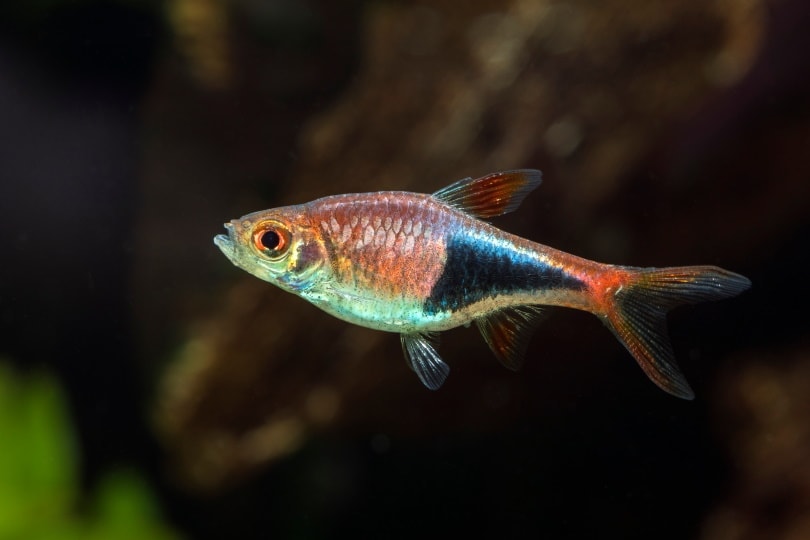
| Size: | 2 inches (6 cm) |
| Diet: | Omnivore |
| Minimum Tank Size: | 10 gallons (40 liters) |
| Care Level: | Easy |
| Temperament: | Peaceful (should be in groups of 8 or more) |
Rasboras are interesting shoaling fish with peaceful personalities. The Harlequin Rasbora is small and comes in a range of colors. They are suitable for smaller tank setups and are undemanding in terms of care. They swim around the middle of the tank with the rest of their shoal and do not bother their tank mates.
What Makes a Good Tank Mate for Figure 8 Puffers?
Figure 8 Pufferfish should ideally live alone, but if you are experienced enough to keep them with other fish, then Harlequin Rasboras and Mollies seem to be the best pick. These fish do not actively try to engage with the pufferfish, and they do their own thing in the aquarium. Snails are usually last on the list of good tank mates, mainly because puffers eat snails. However, if you start with a large snail population in the tank then the pufferfish will rather eat the smaller snails and leave the larger snails to breed and go back to their original numbers. This can be beneficial if you do not want the tank overrun with snails.
Where Do Figure 8 Puffers Prefer to Live in the Aquarium?
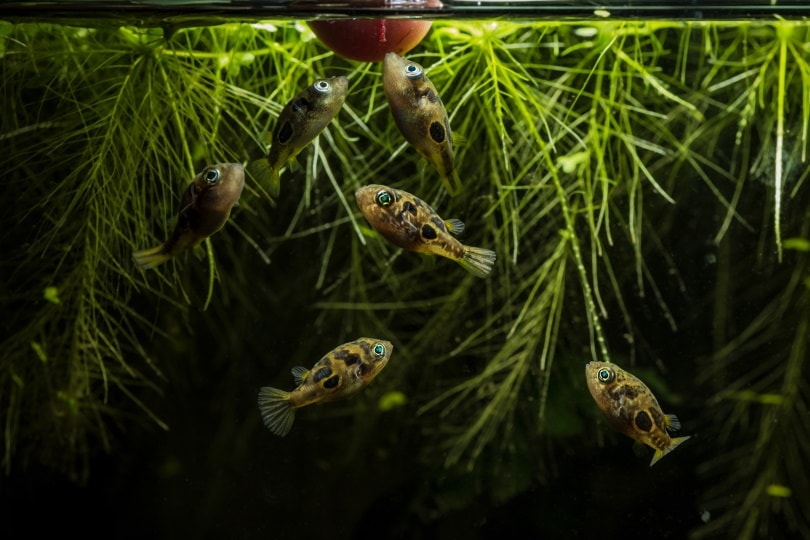
These fish are opportunistic eaters and prefer to swim at the bottom level of the aquarium where they forage amongst the plants and substrate for food. They primarily stay in groups and will not separate unless they are first to the source of food. Figure 8 Pufferfish work together to tear apart their food which is mainly mussels and other crustaceans. If the tank has a significant amount of oxygen in through surface agitation, they will rarely swim near the top level of the tank.
Water Parameters
Puffers should live in bodies of water that have small amounts of salt. They are naturally freshwater fish originating from Southeast Asia. Puffers can handle brackish waters well and they seem to prefer it. The water temperature should be kept within tropical levels at a comfortable temperature of around 75°F to 82°F. The salinity content should be kept around 1.005. This is around 1 teaspoon of salt per gallon. If you keep them with snails, plecos, or rasbora then 1 flattened teaspoon per every 5 gallons is sufficient.
Size
Figure 8 Pufferfish are small, and they only get to an adult size of 4 inches. They are not the smallest type of pea puffer and are suitable for those who want a medium-sized pufferfish for a 20-gallon aquarium or larger. The males will be smaller and narrow, whilst the females are larger with a more rounded body. Males typically only reach 3.5 inches in length at maximum.
Aggressive Behaviors
Figure 8 Puffers are not overly aggressive even though they are considered carnivores. They can be quite territorial which is why it is recommended to keep groups of puffers alone in a tank. These fish do best when kept in groups of 6 or more. This provides them with a sense of security and helps to lower aggression since in nature they are found clustering in large groups. They may get slightly agitated when new tank mates are first introduced, however, they will eventually warm up to them and pay little interest to other fish.

The 2 Benefits of Having Tank Mates for Figure 8 Puffers in Your Aquarium
Adding in-tank mates can make a puffer's tank more colorful since these fish are not very colorful themselves. Mollies in particular look attractive with figure 8 pufferfish.
Snails can contribute as a constant food source. Puffers enjoy eating young snails as this provides them with natural food that they can scavenge for and hunt themselves.
Conclusion
Figure 8 Pufferfish make great pets. Many people believe that due to these fish's natural solitariness, they cannot have other fish or invertebrates in the same tank. If you have the right conditions for the specific type of tank mate you want to keep with your Figure 8 Pufferfish, then keeping them together is generally going to be successful. If you do notice any fighting, then it is best to separate the Figure 8 Pufferfish from their tank mates.
See Also: 12 Best Tank Mates for Pea Puffers
Featured Image Credit: Pavaphon Supanantananont, Shutterstock
Get Hepper In Your Inbox


Pet care tips from our vets and experts, straight to your inbox.
You may opt-out at any time. View our Privacy Policy for more information.

Sarah is residing in South Africa with her partner and pets. She currently is interested in veterinary science and ichthyology, which she wants to study alongside her main passion: pet content writing. Sarah has over 60 fish including goldfish, tropicals, shrimp, and snails. She also keeps hamsters and a tarantula and wishes to provide quality content for readers and allow others to learn from her knowledge and experience. Sarah has much experience in all aspects of pet care, and providing the world with knowledge on ethical pet ownership is her lifelong dream.
Join the conversation
Ask a question, share your story, or send private feedback.