Hepper is reader-supported. When you buy via links on our site, we may earn an affiliate commission at no cost to you. Learn more.
Why Are Cats So Independent? 6 Likely Reasons
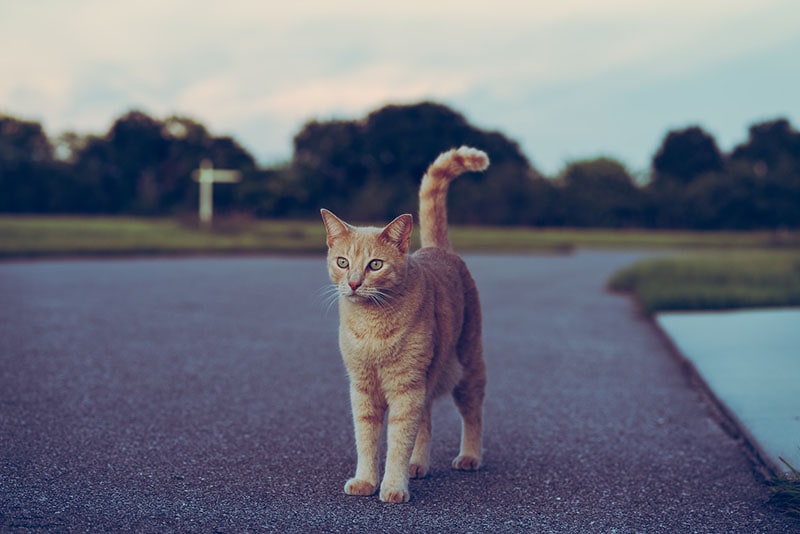
Cats have mastered the art of self-reliance. Rather than plan world domination as a group effort, cats are more likely to sit on the sidelines and watch everything go up in flames without a care in the world.
As apathetic as cats appear, they have their reasons for being so independent and chill. In fact, several factors have molded cats to be the individualistic furry critters they are today. Here are a few.

The 6 Likely Reasons Cats Are So Independent
1. Cats Are Less Domesticated
The biggest reason cats are so independent? They’re not as domesticated as other animals, like dogs and cattle. Dogs and farm animals have been domesticated for centuries, establishing a beautiful bond with humans as workers, protectors, and food sources.
Conversely, cats don’t fall into this category, at least not as much. They chose to stick around for practical reasons. Humans attract mice and therefore provide a consistent means of food.
2. Cats Are Vicious Killers
Humans may attract juicy mice, but a whole world of food is still ready to be found, and cats are excellent hunters. Everything about cat anatomy makes them the perfect killing machine.
Cats are flexible and fast, allowing them to efficiently stalk, climb, and chase prey. A rustle in the bushes or a chirp in the trees will easily trigger a cat’s hearing. At night, cats use their Splinter Cell-like night vision to track nocturnal creatures, too.
And when captured, the prey doesn’t stand a chance at escape. Cats have sharp claws, pointed teeth, and a sandpaper tongue designed to lick the flesh off fresh prey.
Their ability to find food so effortlessly helps cats survive outdoors better than other animals. Cats can scavenge places other hunters cannot.

3. Cats Are Extremely Curious
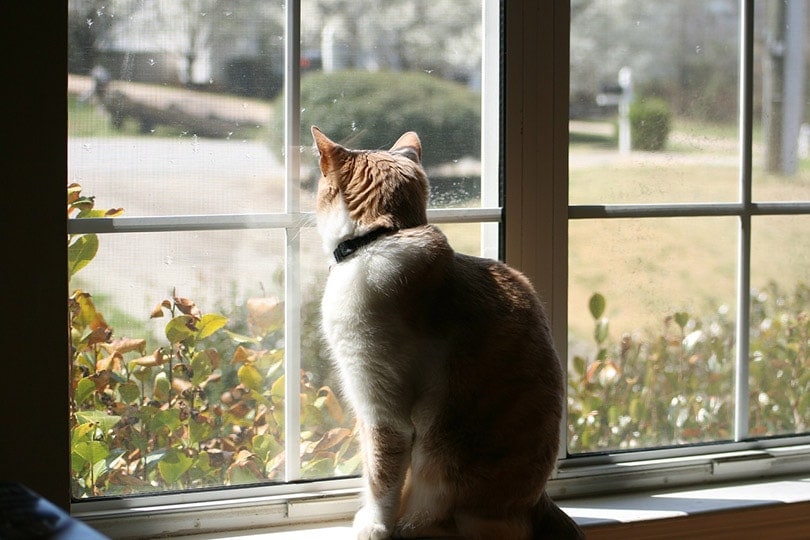
Because of their unique physical abilities, cats are curious, leading them to new territories. Rooftops, garages, treetops, storm drains, and miles and miles of outstretched field- a cat will explore it all, and willingly do it alone.
Cats don’t crave companionship like other animals. They would rather Indiana Jones themselves on independent explorations.
4. Cats Are Tied to Territory
Even though their curiosity gets the best of them, cats take their territories seriously, and sometimes, this causes them to make executive decisions about where they live.
Cats are known to wander back to homes where they used to live simply because that’s what they know. It doesn’t matter if a new family lives in the house. They’ve spent time urinating in the bushes, marking trees, and hunting wildlife. Having all that taken from them is a slap on the tail.
Not all cats will do this, but it’s common to hear about cats returning to familiar territory. After all, cats are creatures of habit. They prefer what they know over something new any day.
5. Cats Are Difficult to Read
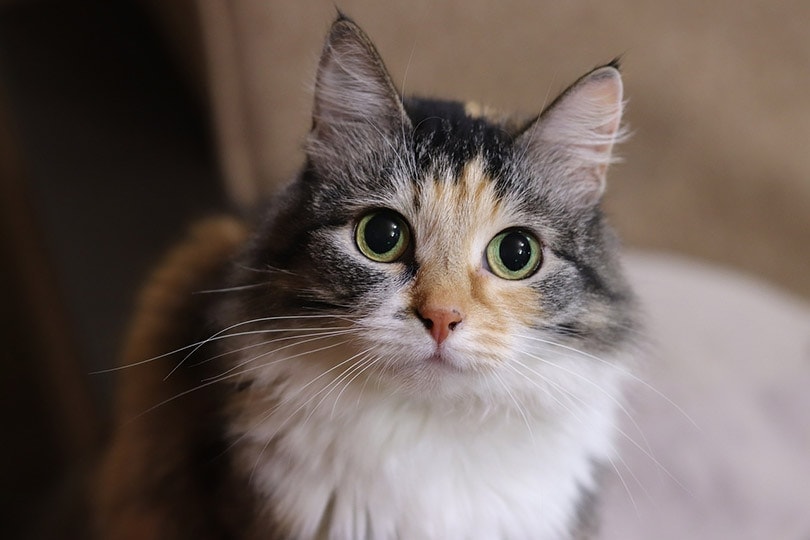
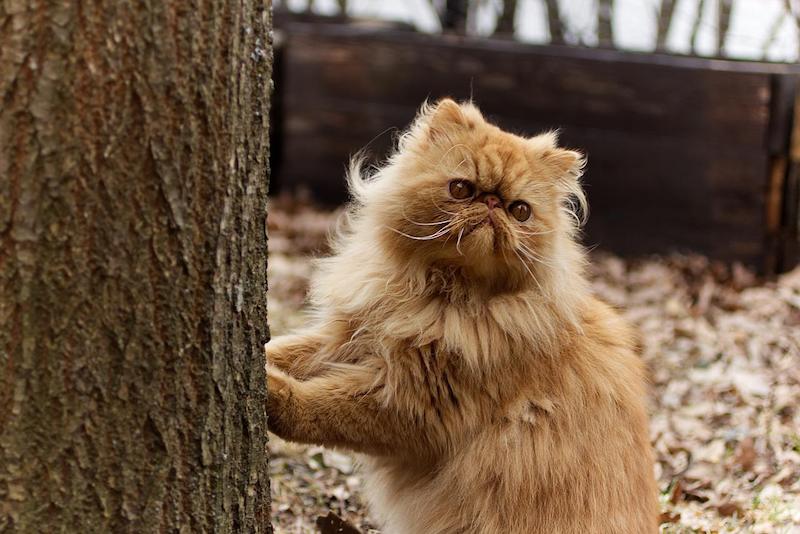
Unlike dogs, cats don’t have eyebrows, so they don’t show much emotion through their faces. Their blank stares are jokingly deemed judgmental, but that’s just their resting face.
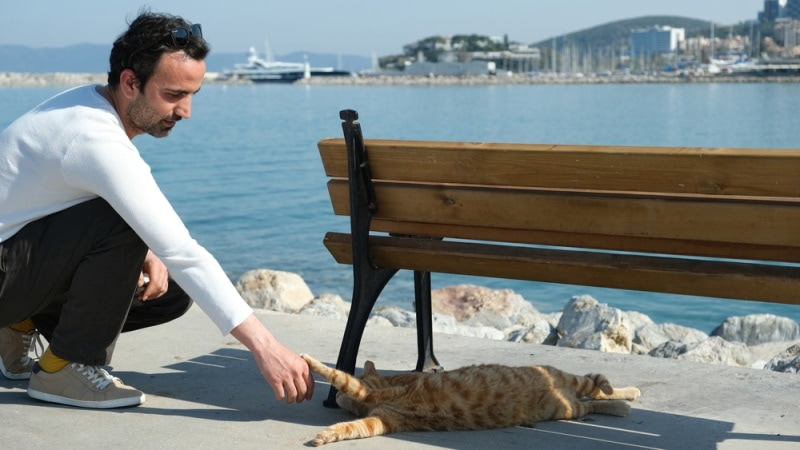
Cats rely much more on body language than verbal language or facial expressions. Exposing their bellies, facing their backs toward you, slowly blinking in your direction—these are all cat behaviors that express different emotions.
Cat body language makes them difficult to read, but you can and will master the art (eventually). It just takes a little practice noticing the details. With cats, you really have to read between the lines.
6. Cats Don’t Have Mixed Emotions
Mixed emotions are two or more emotions that contradict one another and typically come from the same event or moment. For example, you can feel excited that your friend was accepted into a prestigious college but sad they will move away.
Feeling two or more emotions simultaneously is part of life and is one of the reasons life is so complex. Making decisions is tricky when you feel two completely different emotions so strongly.
However, cats—or any animal—don’t experience mixed emotions. Instead, they feel one emotion at a time. Making decisions for a cat is simple because they’re executed out of instinct with only one emotion in mind.
That said, cats still feel the same primary emotions we feel: fear, love, joy, distress, anger, anxiety, surprise, and disgust. They just process these emotions differently.
So, if your cat isn’t in the mood for love and affection, it’s not because they don’t love you. Other emotions just require their attention.

Wrapping It Up
Cats are independent creatures. For the most part, everyone knows this, especially cat owners. This often comes across as ungrateful or judgmental. After all, we are their staff, aren’t we?
The truth is, cats just have a different perspective on life. They feel the same emotions as we do but act on those feelings differently from other animals. The key to understanding cats is to understand their behavior. We can appreciate their independence much more once we do.
Sources
Featured Image Credit: Josue Aguazia, Unsplash
Get Hepper In Your Inbox


Pet care tips from our vets and experts, straight to your inbox.
You may opt-out at any time. View our Privacy Policy for more information.

Cassidy is a vet tech and pet sitter who has more recently become a pet writer. She loves cats and dogs and has had dozens of pets over the years. Her specialty is the human-animal bond.
Cassidy and her husband currently live in Kansas with a German Shepherd named Raven, two cats named Lucy and Streudel, and several backyard chickens.
Join the conversation
Ask a question, share your story, or send private feedback.