Hepper is reader-supported. When you buy via links on our site, we may earn an affiliate commission at no cost to you. Learn more.
What to Feed Your Dog When Out of Dog Food: 12 Safe Options


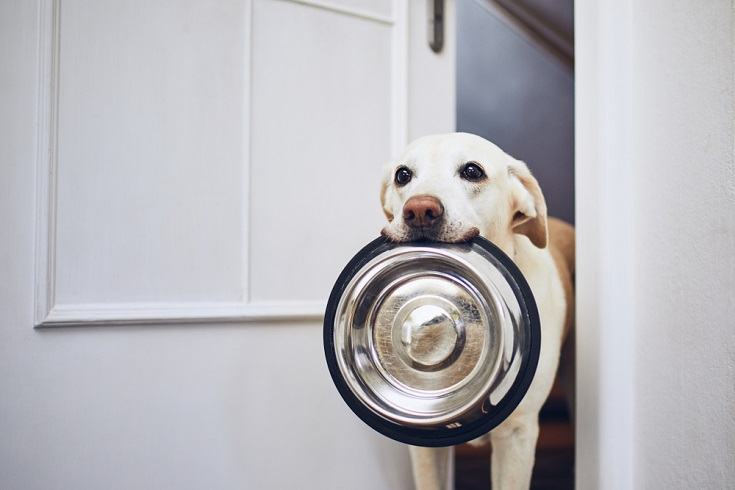
It happens to just about every pet owner sooner or later: You go to feed your dog their supper, only to remember with horror that you gave them the last of their kibble for breakfast that morning.
It’s too late to go to the store, so what do you do?
Don’t panic. Chances are that you have plenty of food lying around the house that you can feed your dog to get you out of this pinch. None of the foods below should be given to your dog as their full-time diet, but they can all help you get out of a jam for a meal or two.

Before We Begin: Things to Look for in a Makeshift Dog Food
The list below isn’t comprehensive, so besides telling you what foods are okay to give your dog, we’re going to teach you what to look for in a temporary kibble substitute.
The main thing you want is to combine a lean protein with a complex carbohydrate. That gives your dog a nice balance of nutrients and long-lasting energy, so they should stay satiated until their next meal.
Avoid any human foods high in sodium and fat. While these can eliminate hunger, they’re incredibly unhealthy for your dog. If you give your dog enough of either ingredient, you run the risk of causing pancreatitis or sodium poisoning, either of which can be fatal.
Hopefully this goes without saying, but double-check any food before giving it to your dog to make sure it isn’t toxic to pups. Grapes, chocolate, and macadamia nuts are just a few of the foods that you should never offer a pooch.
Finally, remember that it’s not the end of the world if your dog misses one meal. As long as they’re not at death’s door, they can skip a meal without missing a beat. It’s much better to let your dog go hungry for 12 hours than it is to feed them a horribly unhealthy substitute. The list below is not comprehensive, so use it as a guideline rather than a hard-and-fast rule. Also, you’ll want to combine several of the foods below if possible so you have an equal mix of lean protein and complex carbs. A consultation with a vet can also help ensure that you are providing your dog with the proper nutrients.

The 12 Best Foods to Give Your Dog (With Pros & Cons)
1. Cooked Chicken
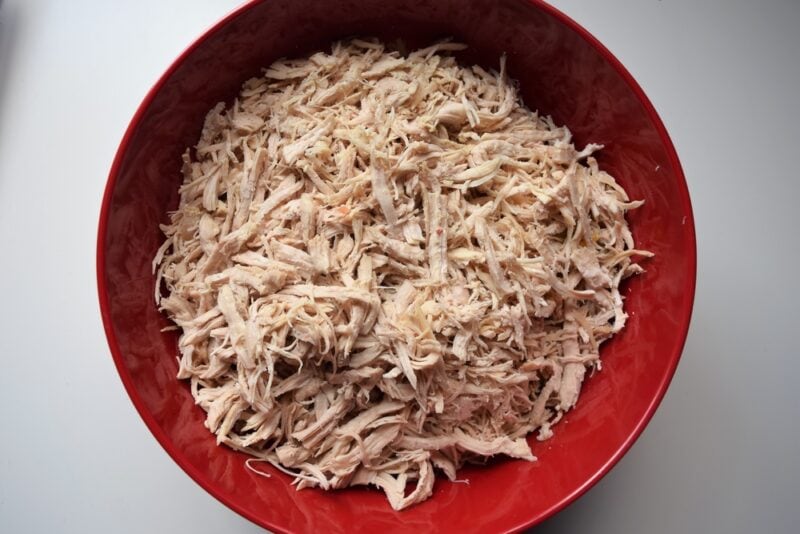
There’s a reason that chicken is a staple in many dog foods, and that’s because it’s fantastic for your pet. It’s extremely filling and packed with lean protein, and most dogs find it irresistible. Just don’t season it before you serve it.
Don’t give your dog raw chicken from unknown sources, though, as it can be contaminated with Salmonella and other microbes. Also, remove any bones before feeding, as cooked chicken bones can break and become lodged in your dog’s esophagus or puncture their intestines during digestion.
Pros
- Lean protein
- Dogs love the taste
Cons
- Has to be cooked
- Need to remove bones before feeding
2. Plain Yogurt
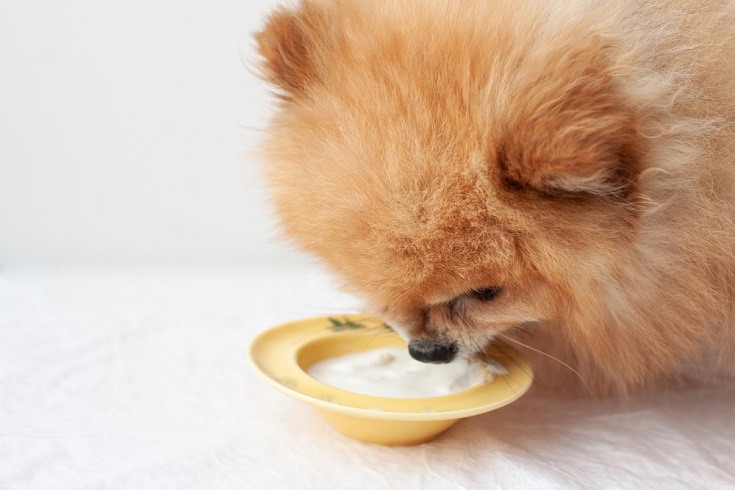
Plain yogurt is another fantastic food for dogs and one that you might want to consider adding to your pup’s kibble (once you restock, anyway). It’s loaded with probiotics, which help digestion, so it’s also a good choice for serving if your dog comes down with diarrhea or other digestive issues.
Many yogurts are packed with sugar and other questionable ingredients, though, so make sure the one you give your dog is plain and organic, if possible. Also, some dogs have problems digesting dairy, so you may want to skip this one if your pooch has a milk intolerance.
Pros
- Has probiotics
- Good for digestive issues
Cons
- Many brands are packed with sugar
- Not all dogs tolerate dairy well
3. Eggs
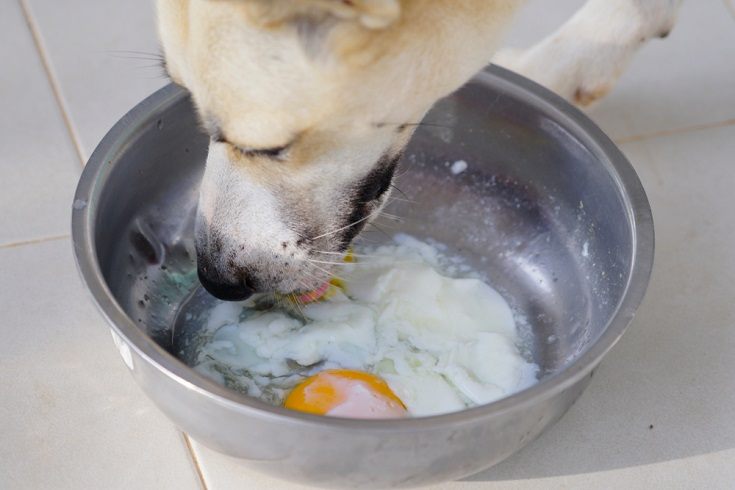
Most dogs love eggs, and it doesn’t matter how you prepare them (although if you cook them over-easy, you get the pleasure of watching your dog lick up all the yolk). Eggs are another high-protein food, and they’re cheap.
As with dairy, some dogs don’t tolerate eggs well, so they may have digestive issues afterward. Eggs are not meant to be the only protein source for your dog, but if you only feed them to your dog in an emergency, it shouldn’t be too big of a deal.
Pros
- High in protein
- Inexpensive
Cons
- Some dogs have issues digesting them
- Not meant to be the sole protein source
4. Sweet Potatoes
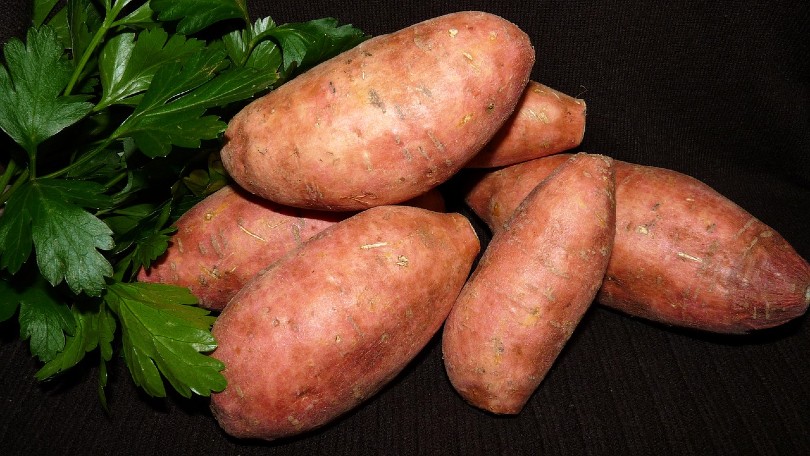
Sweet potatoes are a great veggie for dogs, as they’re high in fiber and rich in a variety of vitamins. They also take a long time to break down, ensuring that your dog stays full for hours.
They are quite starchy, which could lead to weight gain over time, but we’re not dealing with the long-term here. Be sure you cook them, though, as raw sweet potatoes can cause potentially deadly intestinal blockages.
Pros
- High in fiber
- Take a long time to digest
Cons
- Starchy
- Can cause blockages if served raw
5. Broccoli
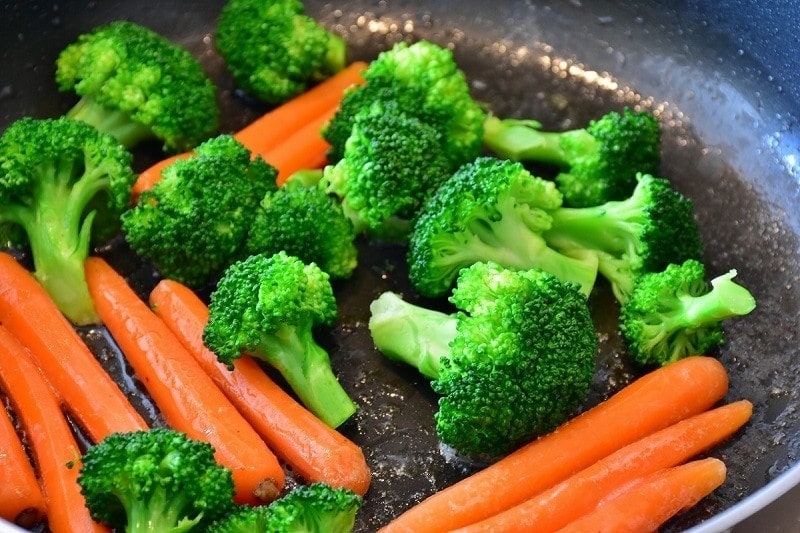
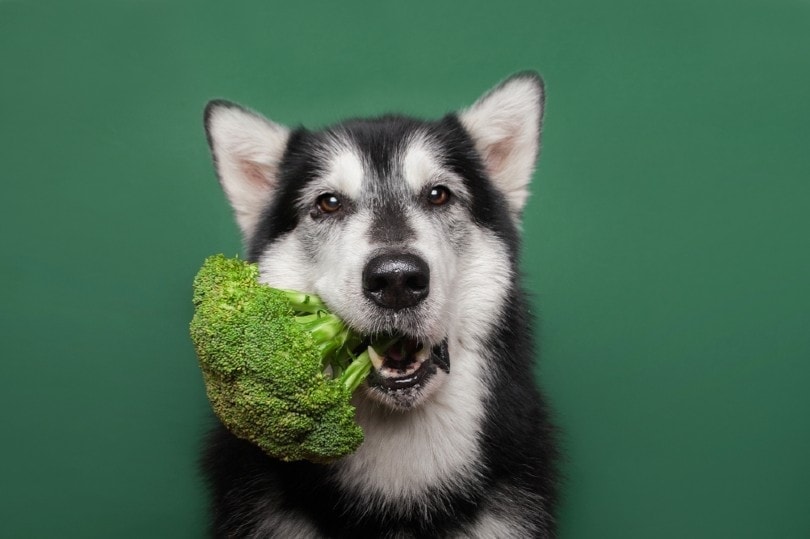
Broccoli is one of the absolute best foods you can feed your mutt (and it’s not bad for you, either!). It’s packed with all sorts of nutrients and is equally good served cooked or raw.
Just don’t overdo it, as feeding your dog too much broccoli can actually cause gastric irritation and bloating. Luckily, it takes many florets to get to that point, so you should be fine. You’ll likely have more of a challenge getting your dog to eat any than getting them to eat too much.
Pros
- Nutritious
- Can be served cooked or raw
Cons
- Too much can cause gastric irritation and bloat
- Many dogs don’t like the taste
6. Low-Sodium Cold Cuts
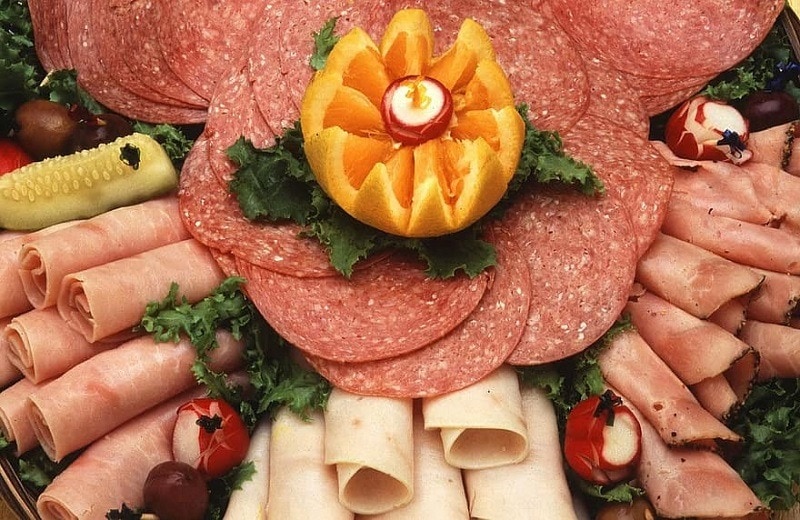
It’s important to understand that “cold cuts” is not referring to processed bologna or similar. Instead, we mean low-sodium cuts of turkey and chicken bought fresh from the deli.
Dogs will love it, but feeding them enough to fill them up can get expensive. Also, there’s not much in deli meat, nutritionally speaking, except for protein.
Pros
- High in protein
- Dogs love it
Cons
- Fairly pricey
- It doesn’t offer much in terms of nutrition
7. Oatmeal
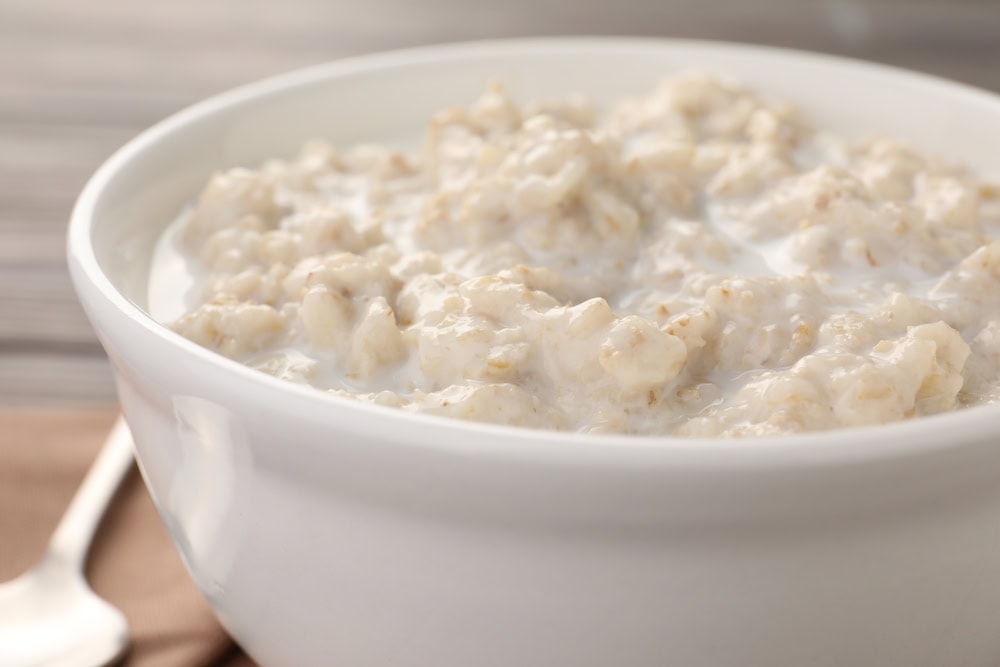
A bowl of plain oatmeal may be just what the doctor ordered for your pooch. It’s full of fiber and extremely gentle on tummies, so the brief change in diet shouldn’t cause too many digestive issues.
Make sure you don’t add any sugar or other additives, though.
Pros
- Large amount of fiber
- Gentle on stomachs
Cons
- Fairly bland
- Can’t be served with sugar or other additives
8. Salmon
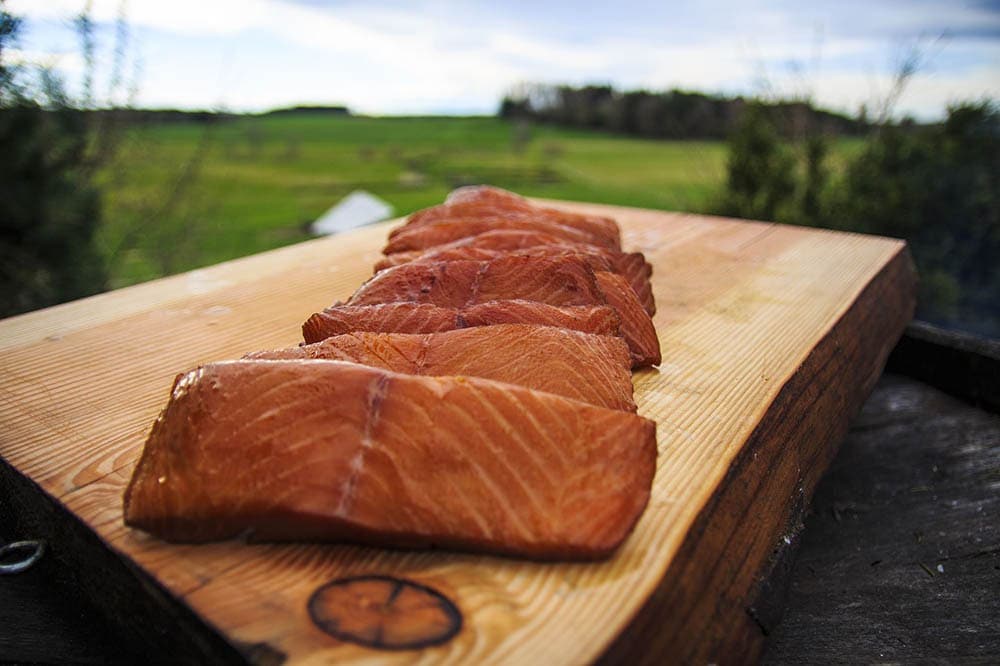
Just about any fish is good for dogs, and salmon is the best of the bunch. It’s filled with protein and omega fatty acids, which helps keep your dog’s coat, eyes, and brain healthy.
Be sure to cook it thoroughly, though, as undercooked salmon can have deadly parasites in it. Also, depending on where the fish is caught, it could be high in mercury or other contaminants.
Pros
- High in protein
- Filled with omega fatty acids
Cons
- Dangerous if not thoroughly cooked
- Can be high in mercury and other contaminants
9. Rice
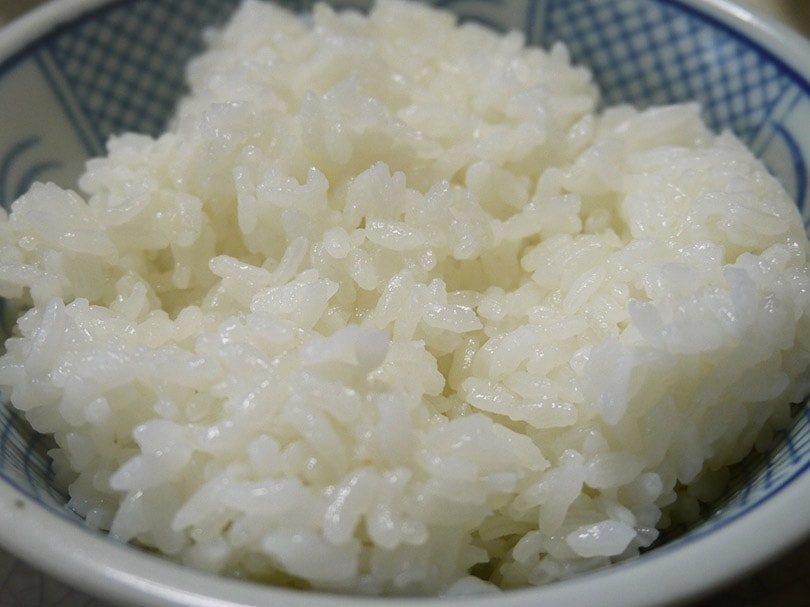
Rice is gentle on stomachs and easy to prepare. It also pairs perfectly with many of the meats on this list, as it helps to add inexpensive bulk to the meal.
It has a high glycemic index, though, which could spell trouble for dogs with health issues like diabetes. Rice does not cover your dog’s protein requirements as it is mainly a carb, so limit the amount you feed your pup.
Pros
- Gentle on tummies
- Pairs well with meat
Cons
- High glycemic index
- Not nutritionally complete for a dog
10. Ground Beef
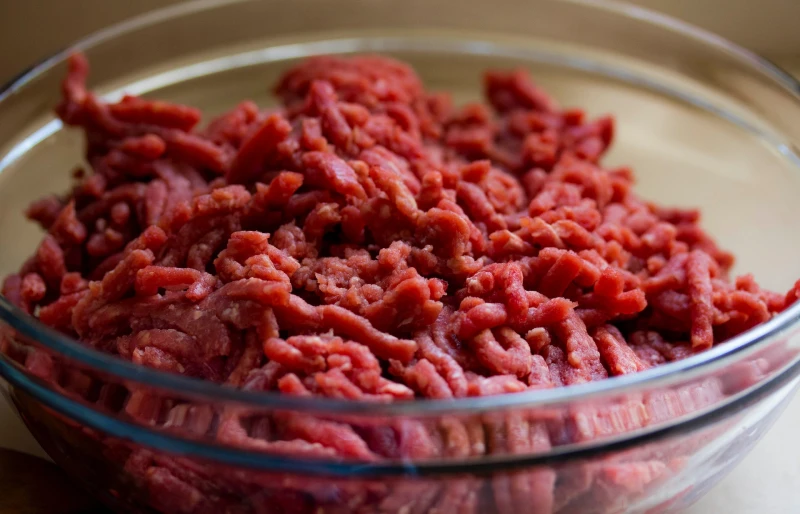
Ground beef is an excellent choice because you can completely control the protein/fat ratio, and it’s easy to prepare. There’s not much risk to your dog if you undercook it either (although we don’t recommend it).
There’s not much downside to ground beef, other than it’s expensive and you’ll need to drain the grease. Just be sure you don’t season it — and no, this doesn’t give you an excuse to take your dog to McDonald’s.
Pros
- Easy to control protein/fat ratio
- Not risky if undercooked
Cons
- On the pricey side
- Have to drain the grease before serving
11. Mild Cheese

Colby jack and cheddar are two kinds of cheese that most dogs love (assuming that they aren’t lactose intolerant, of course). They have quite a bit of calcium and vitamin A, both of which are essential for healthy skin and bones.
It’s packed with fat, though, so don’t feed your pooch too much. Also, the more you feed your dog, the more likely you’ll have to deal with a constipated pet for a few days.
Pros
- Dogs love the taste
- Has calcium and vitamin A
Cons
- High in fat
- Can cause constipation
12. Beef or Chicken Broth
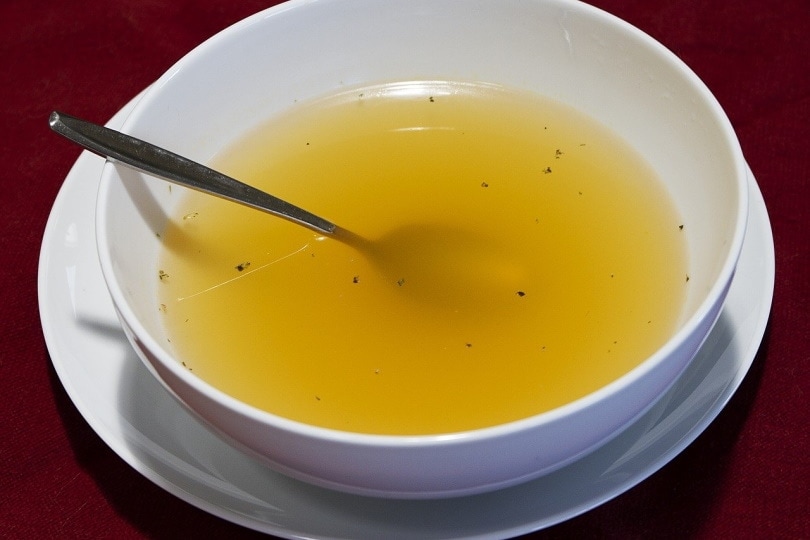
While this isn’t enough to be a meal, a little broth can be a lifesaver if your dog is turning their nose up at one of the foods above. It’s a great way to get your dog to eat rice and broccoli, for example.
When preparing the broth for your dog you should not add salt. Remember to remove all the bones before offering the broth to your dog. Never feed your dog a cooked bone.
Pros
- Adds flavor to healthier foods
Cons
- Not a meal in and of itself
- High in sodium

Dog Food Substitutes: A Nutritious Meal in a Pinch
There’s a good chance that you have at least some of the foods listed above in your kitchen right now, so there’s no need to panic the next time that you run out of dog kibble.
Rustling up a quick, nutritious meal for your dog is easy, and in many cases, your dog will find the substitute food just as appetizing as their regular chow.
Just be sure to switch your dog back to their regular food as soon as possible. Not only will that reduce the risk of an upset stomach, but it will also prevent your dog from thinking that “personal chef” is part of your job title.
Featured Image Credit: Jaromir Chalabala, Shutterstock
Get Hepper In Your Inbox


Pet care tips from our vets and experts, straight to your inbox.
You may opt-out at any time. View our Privacy Policy for more information.
Nicole is a lover of animals of all sizes but is especially fascinated with the feline variety. She’s the proud mom of Baby, a Burmese, and works every day so he can relax in the sunshine or by the fire. She’s always had a cat in her home and has spent countless days with others, observing behaviors and softening up even the grouchiest of the lot. Nicole wants to share her kitty expertise with you so you and your cat can live happy, healthy, and care-free.
Join the conversation
Ask a question, share your story, or send private feedback.