Hepper is reader-supported. When you buy via links on our site, we may earn an affiliate commission at no cost to you. Learn more.
2 Types of Beagles: Info, Pictures & History

When it comes to charm and soulful expression, few breeds can match the Beagle, one of the most well-known purebred dogs worldwide. These small hunting dogs have the keen noses and vocal abilities of larger hounds, but their size and outgoing nature make them extremely popular as pets.
In this article, you’ll learn more about the two types of Beagles, including facts and history. We’ll also discuss some of the most popular Beagle hybrids and answer frequently asked questions about the breed.

How Are Beagles Classified?
Purebred Beagles are classified into two types based on their size, specifically by height. Weight is not considered part of the classification process, but shorter Beagles generally weigh a bit less because they’re smaller. The upper range of acceptable Beagle height varies slightly between dogs bred in the United States and the United Kingdom.
Besides their height, there’s no difference between the two types of Beagles. Both Beagles have the same colors, body type, and personality. They were both bred to serve as pack hunters for small game, mainly rabbits.
The 2 Types of Beagles
1. “Standard” Beagle
Breed Overview
Origin:
Lifespan:
Height:
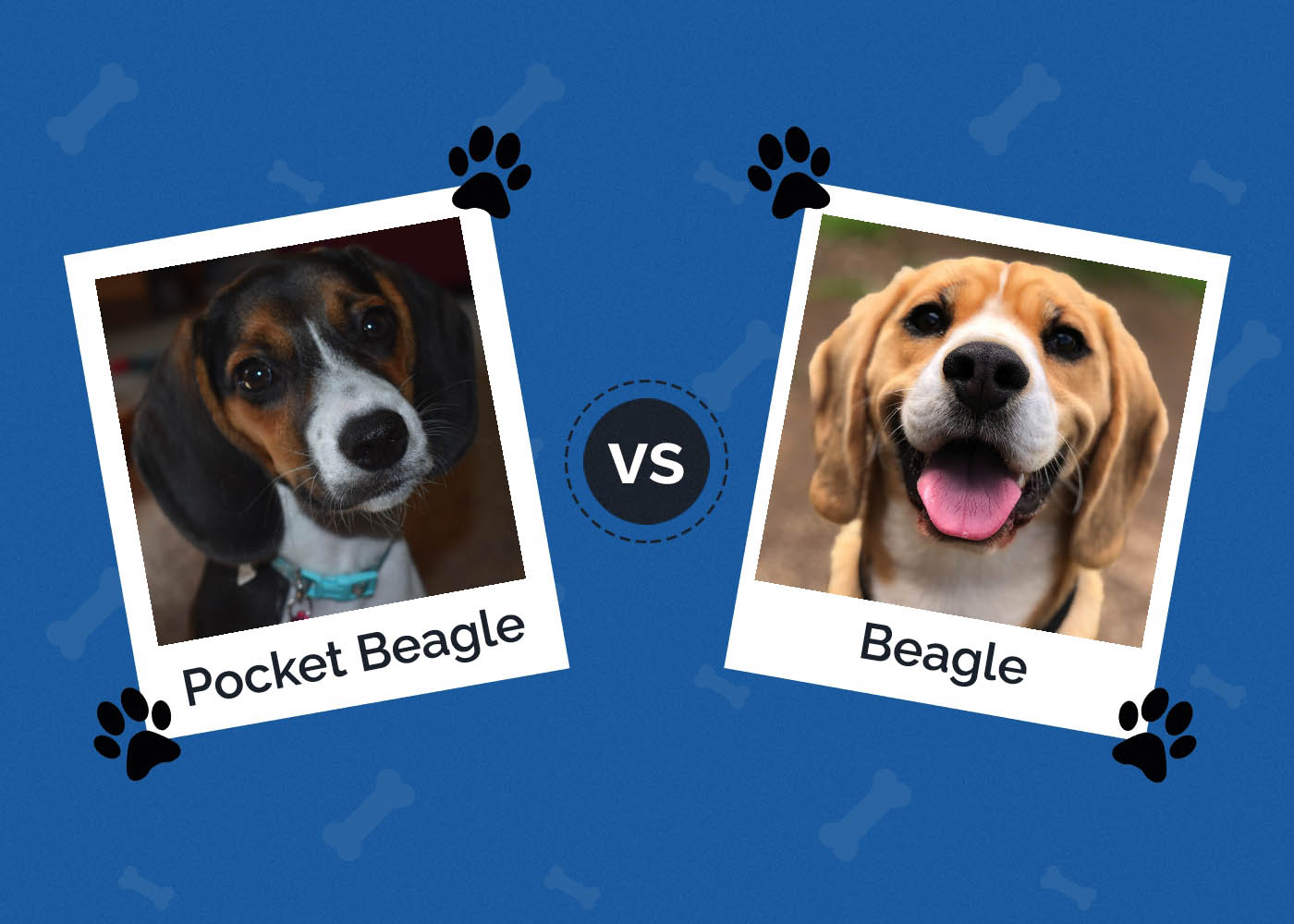
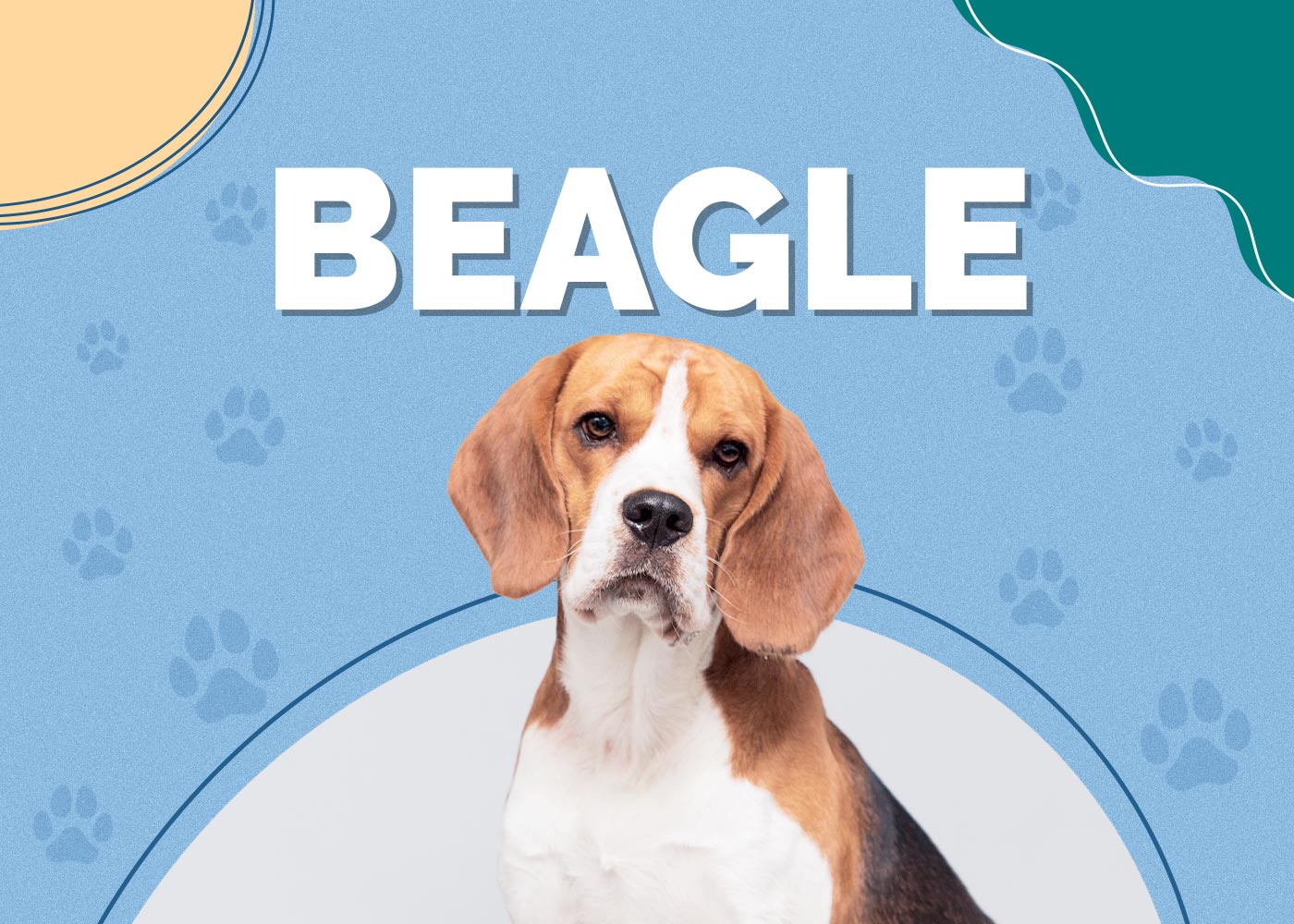
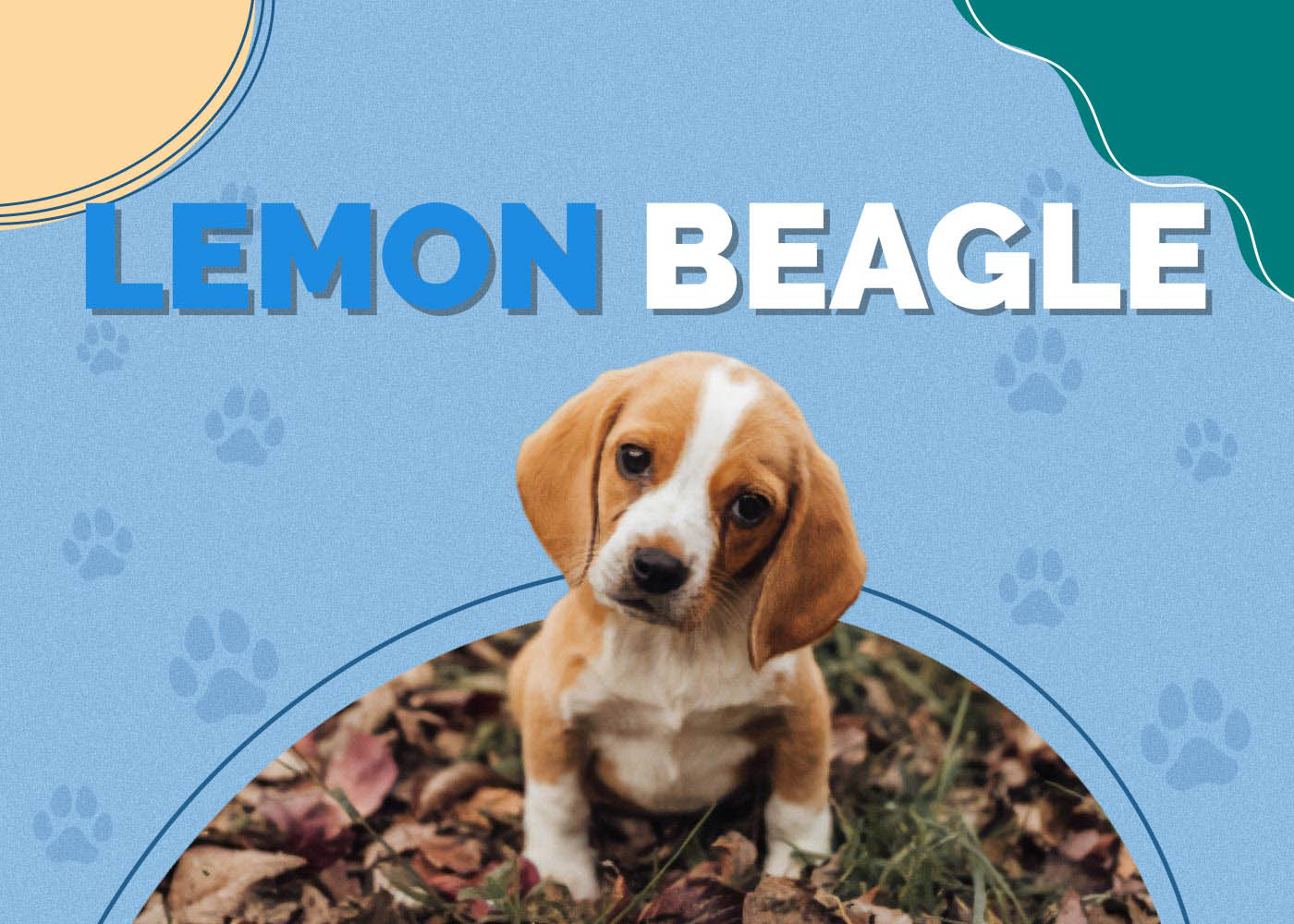
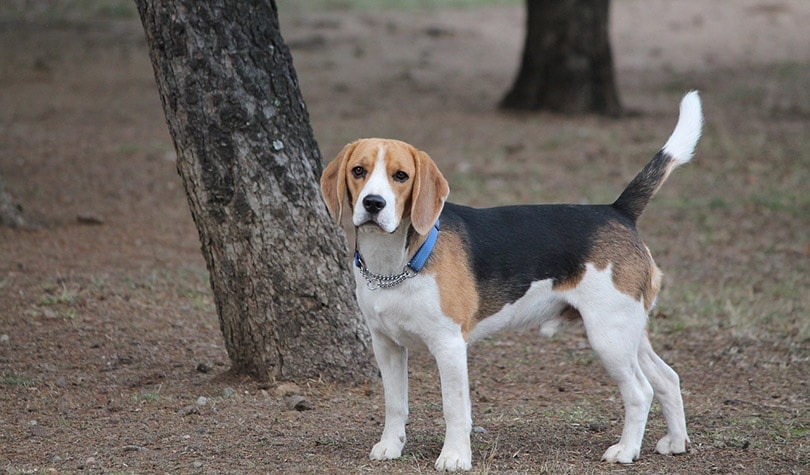
Standard Beagles are the taller of the two types of Beagles, and they can be 13–15 inches tall in the United States. Beagles in the UK can be up to 16 inches tall. Generally, they weigh between 20 and 30 pounds. They are found in several colors, including tricolor, red, tan, brown, or lemon with white.
The breed's early history is not entirely clear, but they are thought to have originated in England. Small hounds, like modern Beagles, were used to track rabbits and hares, gaining popularity in the 1500s.
Beagles were brought to the United States in the mid-19th century, where they currently reside in the top 10 most popular breeds, according to the AKC. They’re still used for hunting, but they are more frequently found as pets or working as detection dogs for law enforcement and customs officials.
2. “Pocket” Beagles

Breed Overview
Origin:
Lifespan:
Height:
Although they are not a separate breed, “pocket” Beagles are the smaller of the two types. They can’t be more than 13 inches tall, with no lower height limit. Typically, these smaller Beagles weigh less than 20 pounds and are found in the same colors as a standard Beagle.
Like the regular-size Beagles, these dogs also most likely originated from England. It’s not clear when the two types of Beagles became separate sizes. However, early Beagles in the United States were generally shorter, more like Dachshunds.
Larger Beagles imported from England helped develop the breed in America. “Pocket” Beagles are also used for rabbit hunting or scent detection work. They are especially popular pets because of their petite size and adorable features.

Frequently Asked Questions About Beagles
What Are Some Common Beagle Mixes?
Like many popular breeds, Beagles are purposely crossed with other dogs to produce hybrids. Some of the most popular Beagle hybrids include:
- Puggle (Pug x Beagle)
- Cheagle (Chihuahua x Beagle)
- Poogle (Poodle x Beagle)
- Borgi (Corgi x Beagle)
- Peagle (Pekinese x Beagle)
Are Beagles Hypoallergenic?
Neither type of Beagle is considered a hypoallergenic dog. Beagles have a double coat that sheds year-round. They experience heavier seasonal shedding as well.

Are Beagles Good with Kids?
Typically, Beagles make excellent family pets who get along well with kids. They have the energy levels, curiosity, and playfulness to be wonderful companions for active children.
Their size makes them small enough not to overwhelm young kids but sturdy enough to handle regular play. Like any breed, Beagles should be socialized with kids from an early age. Children should be taught how to respect the dog’s space and handle them correctly.
Are Beagles Good with Other Pets?
Since they were bred to hunt in packs, Beagles usually get along well with other dogs. At the same time, their hunting instincts may lead them to chase cats or small exotic pets, especially rabbits. It’s essential to socialize and supervise all interactions between Beagles and other pets. They may not be a good match for homes with nervous kitties or pet rabbits.

Are Beagles Easy to Train?
Like most hounds, Beagles can be stubborn, making training a bit challenging. The good news is they’re also food-motivated. Patience, a positive attitude, and a pocketful of treats will help make training a Beagle go more smoothly.
Final Thoughts
These two types of Beagles are similar in every way except their size. While they’re popular pets for a reason, they aren’t the ideal fit for every living situation. Beagles can be loud, which may not fit well into apartment life.
They also need a lot of exercise and are fantastic at getting themselves into trouble if left alone too often. They’re challenging to train and can’t be trusted to run off-leash in an unfenced area, as they’ll follow any interesting scent they find.
The droopy ears and adorable face of the Beagle are hard to resist, but make sure to do your research before deciding if they’re the right breed for you.
Related reads:
Featured Image Credit: Sigma_S, Shutterstock
Get Hepper In Your Inbox


Pet care tips from our vets and experts, straight to your inbox.
You may opt-out at any time. View our Privacy Policy for more information.

A lifelong lover of all creatures great and small, Elizabeth got her first cat at 5 years old and at 14, she started working for her local veterinarian. After spending more than 20 years working as a veterinary nurse, Elizabeth decided to step away to become a stay-at-home parent to her daughter. Now, she is excited to share her knowledge with our pet parents. Elizabeth lives in Iowa with her family, including her two fur kids, Linnard, a husky mix and Algernon, the worldʻs most patient cat. When not writing, she enjoys reading, watching soccer, and spending time outdoors with her family.
Join the conversation
Ask a question, share your story, or send private feedback.