Hepper is reader-supported. When you buy via links on our site, we may earn an affiliate commission at no cost to you. Learn more.
5 Types of Goldendoodles: Generations Explained
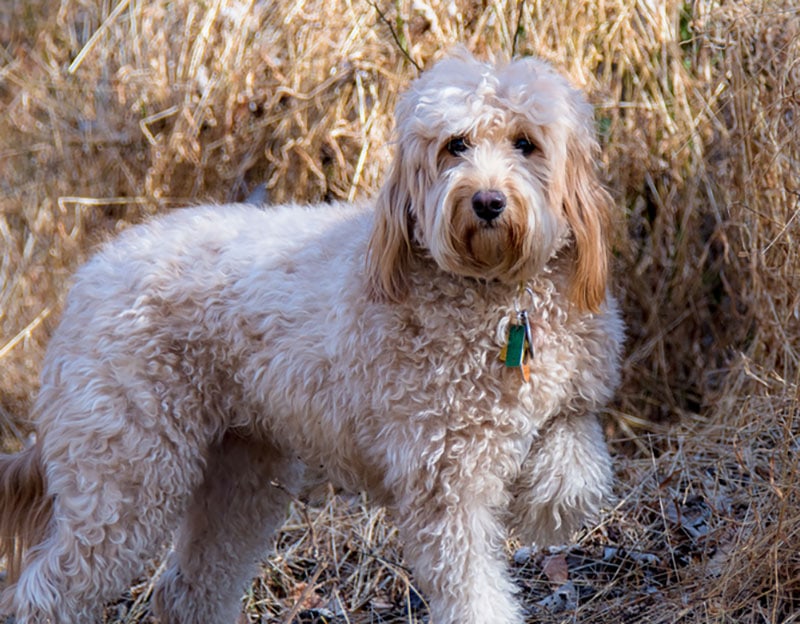
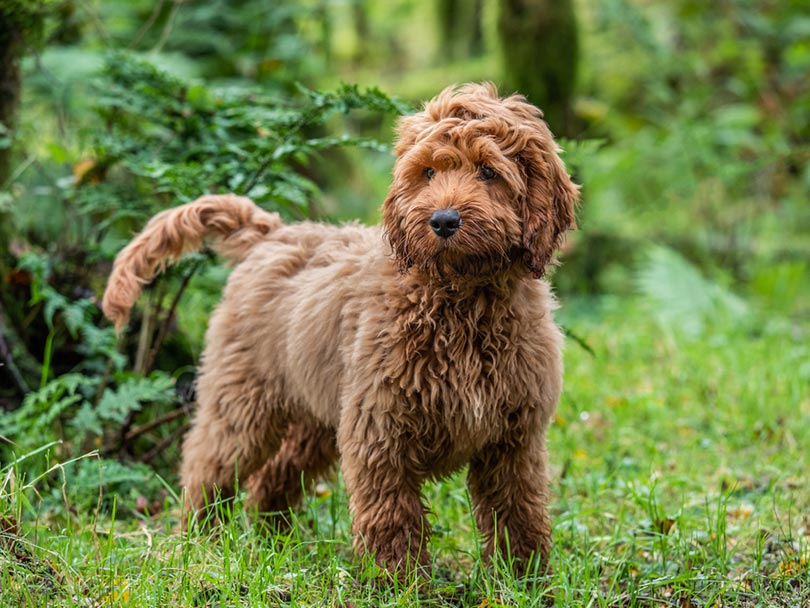
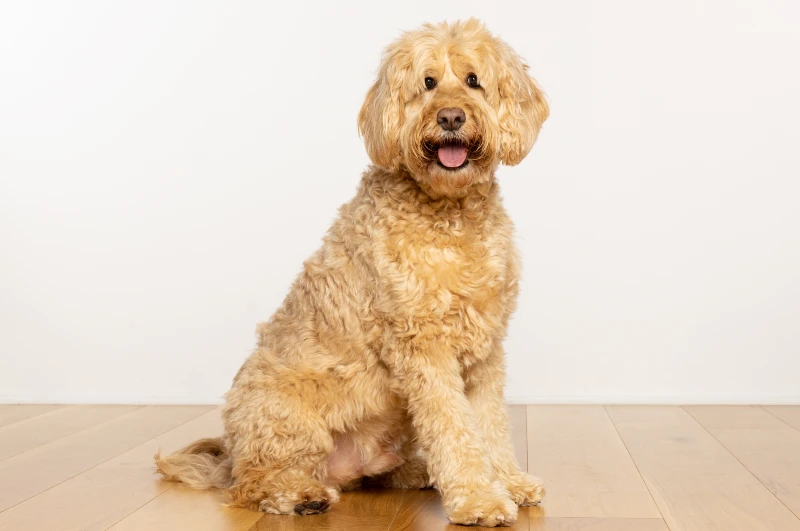
The Goldendoodle is easily one of the first and most popular designer dog breeds. They love their owners, have great personalities, and when bred correctly, should be a low-shedding dog. The offspring of the Poodle and Golden Retriever, these dogs have been around since 1969. This means there have been many generations of these dogs created and crossbred. Read on below to learn more about the types of Goldendoodles out there so you can determine which type is best for you and your family.

The 5 Types of Goldendoodles
1. F1 First Generation

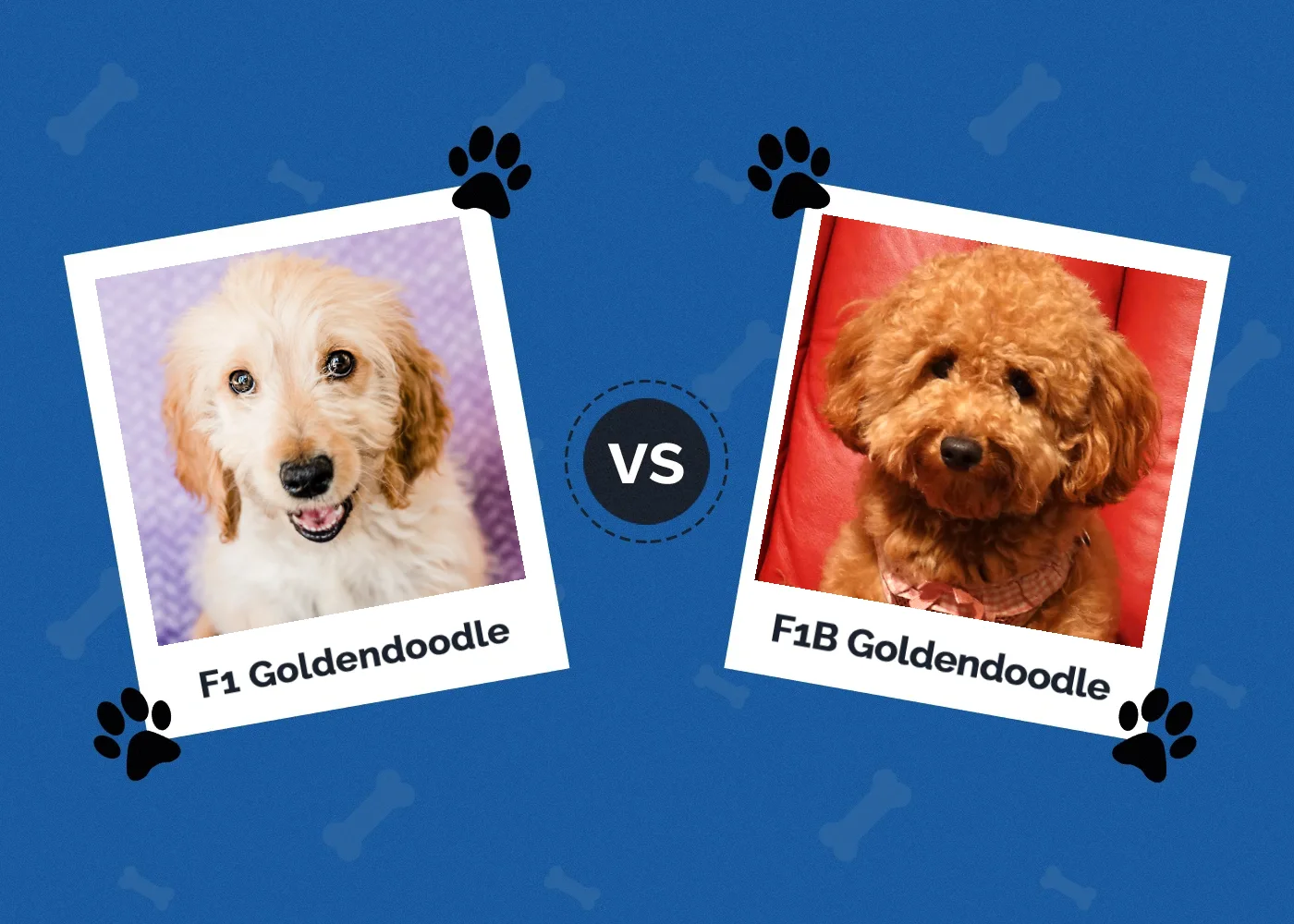
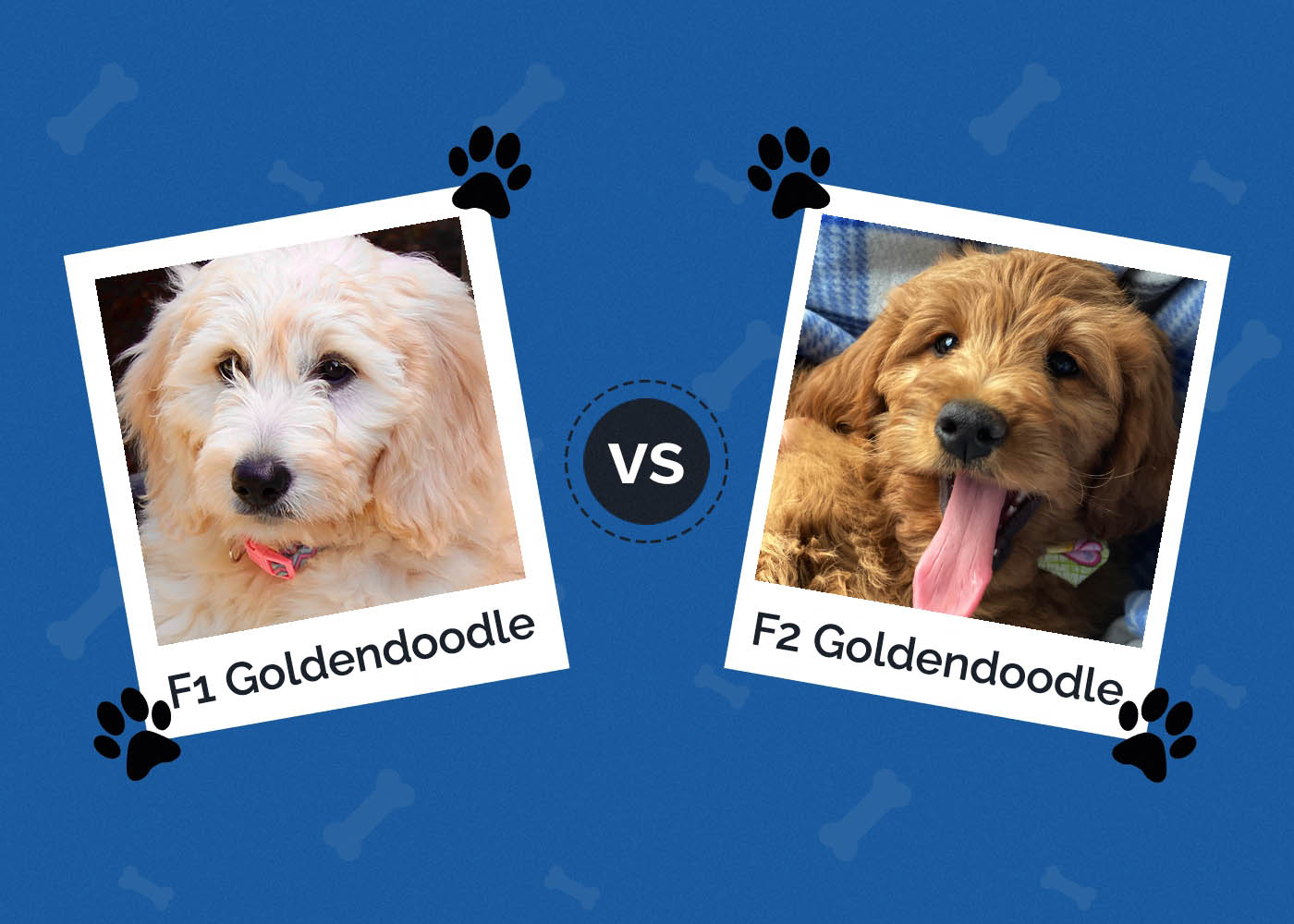
F1 Goldendoodles are the first generation results of breeding a full-blooded Golden Retriever and a full-blooded Poodle. Being the first generation, these dogs often inherit “hybrid vigor.” This means they have healthier biological functions than other generations of dogs. You’ll also find there is a decrease in health issues that are often found in purebred dogs.
F1 Goldendoodles tend to range in shedding levels from light to heavy. The coat of this dog is anywhere from 3 to 5 inches in length and requires a moderate amount of care. When it comes to allergies, mild sufferers may do fine with these dogs but they aren’t recommended for those who have severe allergy issues.
2. F1b First Generation Backcross

An F1b Goldendoodle has been backcrossed to one of the parent breeds. This means a first-generation hybrid dog bred with another full-blooded Golden Retriever or Poodle. While these dogs are still technically first-generation dogs, the characteristics of the parent breed it was bred with will increase. Often, this backcrossing is done with an F1 Goldendoodle and a full-blooded Poodle to make them more hypoallergenic. Unfortunately, this can also cause health issues and means more testing should be done on the litter.
There is a 50% chance of F1b Goldendoodles being hypoallergenic. The other 50% could be low to heavy shedders. You’ll also find that these dogs will inherit more of the coat and traits of the parent breed it was backcrossed with.
3. F2 Second Generation
This Goldendoodle is created when the parents are both F1 Goldendoodles. Unfortunately, these Goldendoodles have a high potential of creating shedding puppies. This is thanks to the possibility of the Retriever genes united when they are crossed. Thanks to genetics, you can even find yourself with full Golden Retrievers or Poodles when crossing two Goldendoodles.
It's hard to predict how much F2 Goldendoodles will shed. This is why breeders prefer not to work with this type of Goldendoodle. It’s also suggested that people with bad dog allergies avoid this type of Doodle for safety reasons.
4. F2b Second Generation Backcross
Known as second-generation backcross pups, F2b Goldendoodles are created by crossing the F1 and F1b Goldendoodles. While the traits and coats of F1 Goldendoodles feature predictable outcomes, the F1b is a mystery. There should also be more genetic testing done due to the mixing of parents with the same ancestry breeds.
It's difficult to determine how much F2b Goldendoodles will shed thanks to the unreliable coat genes of the F1b parent. You’ll also find that it's unlikely to find low shedding or hypoallergenic traits in these dogs unless the breeder does testing to determine the potential.
5. F3 and Multigenerational Goldendoodles
The unpredictable F3 Goldendoodle can be created by either breeding an F1b to an F2b, an F1b to an F1b, two F3s, two F2bs, or an F2 to another F2. Breeders often call these multigenerational Goldendoodles. You’ll find that the traits of these dogs are quite unpredictable and require a lot of genetic testing.
The likelihood of getting a low-shedding or hypoallergenic dog of this type is dependent on the breeder. If they understand coat testing, it’s possible to breed parents that don’t shed to create a non-shedding litter.

What's the “F”?
Now that we’ve covered the types of Goldendoodles, let's explain the phrasing used. When it comes to generations of Goldendoodles, the “F” used in labeling stands for Filial Hybrid. This is how a hybrid dog that is born from breeding two purebred dogs is referenced.
What's the “B”?
When you see a “B” at the end of the generational labeling it is referring to backcrossing. In most cases, this means the Goldendoodle has been bred with a full blooded Poodle. It can also mean the same for breeding back with a Golden Retriever, but using the Poodle is more common due to their low-shedding traits. You may even see “BB” which means the backcrossing has happened twice.

Conclusion
As you can see, there are several generations of Goldendoodles to choose from. Before you bring a Goldendoodle home, take the time to speak with your breeder to determine which generation your pup is. You’ll also want to know about any genetic testing done to ensure your pooch is healthy.
Featured Image Credit: Marcello Sgarlato, Shutterstock
Get Hepper In Your Inbox


Pet care tips from our vets and experts, straight to your inbox.
You may opt-out at any time. View our Privacy Policy for more information.

Melissa was born and raised in the mountains of East Tennessee where she spent her time writing in an old notebook and playing outside with her pets. As an avid animal lover, she has brought many into her home over the years. Currently, she is the mom of 5 fur babies. Her 2 cats, Princess and Pepper are total opposites who demand attention. Her dogs Jazzy, Whitey, and Demon are full of spunk and keep the entire family on their toes.
Beyond life as an animal mom, Melissa is a dedicated wife and mother to 2 children. Writing in her old notebook led her down the path of becoming not only a freelance writer but a published Indie author under the pen name, Rena Marin.
Join the conversation
Ask a question, share your story, or send private feedback.