Hepper is reader-supported. When you buy via links on our site, we may earn an affiliate commission at no cost to you. Learn more.
19 Questions to Ask a Dog Breeder (Essential)

Welcoming a new puppy into your family is a wonderful experience, but for things to go smoothly, you must be cautious when choosing a dog breeder for your new four-legged companion. You need to look for someone reputable who follows the practices of proper and safe breeding, as that will be the foundation of your puppy’s health and temperament.
But how can you be sure whether a particular breeder is good or bad?
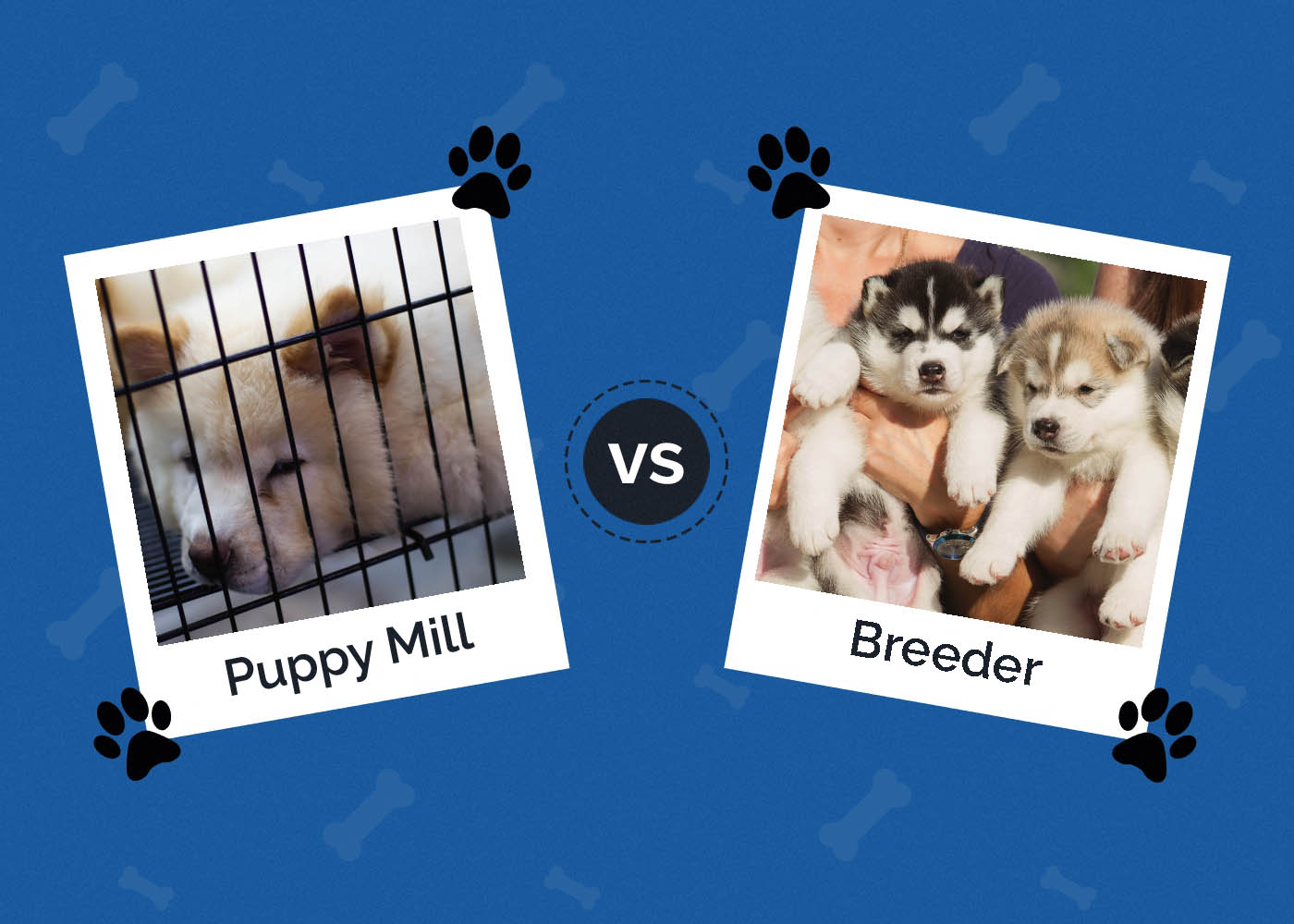
Unfortunately, many puppy mills and “backyard breeders” produce unhealthy puppies and keep them in horrible conditions. To determine if a breeder is legitimate and knows what they are doing, you’ll need to ask them several questions that will help you understand their practices and intentions.
Here is a list of 19 essential questions to ask a dog breeder. You’ll also learn why these are important, how the answers will benefit you, and how to recognize red flags.

The 19 Questions to Ask a Dog Breeder
1. How Long Have You Been Breeding?
One of the first questions that you should ask the breeder is how long they have been breeding dogs. This enables you to see if the breeder has experience and knowledge.
The more experience and involvement in canine clubs and associations they have, the better. It is also good if the breeder and their dogs participate in competitions and shows, as those participations confirm that a breeder is reputable.
If a breeder has little to no experience and has just started breeding, it might be best to look for someone with a more stable background. Also, keep in mind that breeders that breed more than two dog breeds at a time are typically up to no good.
Red Flags
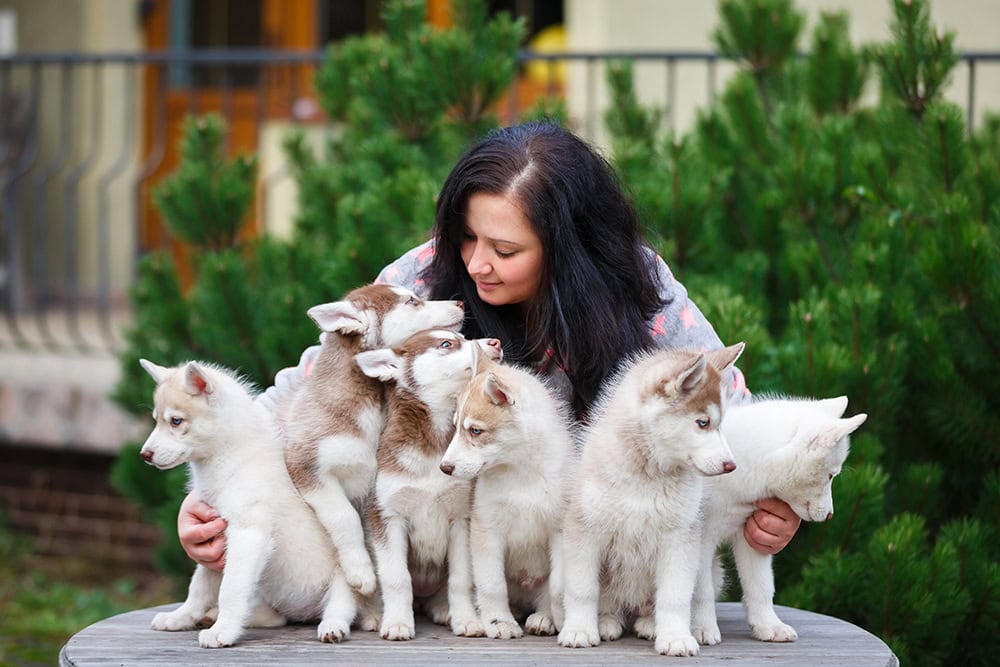
2. How Many Litters Have You Bred So Far?
When it comes to a reputable dog breeder, experience in this field is essential. That said, “too much experience” might also be concerning. If the breeder has more than four to five litters per year or has multiple litters of different dog breeds, that might be a sign that something shady is going on.
The situation is also tricky if the breeder has no experience and hasn’t had any previous litters. These breeders can gain credibility points by talking about their mentors and the way that they’ve established their dog breeding program. Without such information, though, it’s best to stay away from breeders without experience, as you may end up in an unpleasant situation.
Red Flags
3. Have You Bred the Puppies Yourself?
Even after confirming that the breeder has the experience and a good reputation, it’s still important to ask the person if they’ve bred the puppies themselves. This question will ensure that the breeder you’re talking to has bred their puppies and that they don’t come from another breeder or a puppy mill.
Red Flags
4. Can I Meet the Parents of the Puppies?
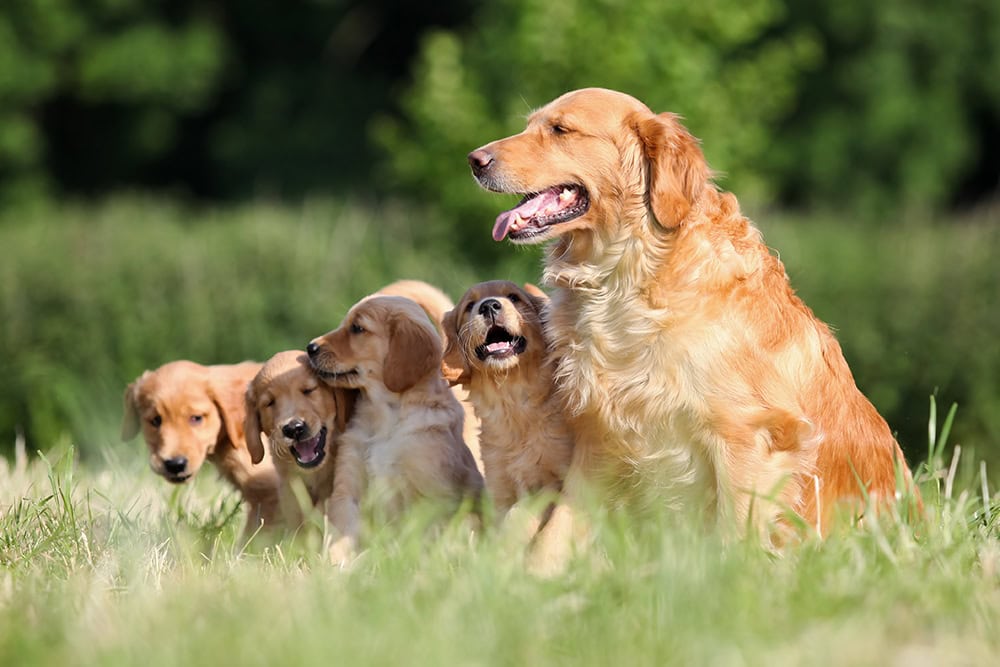
Genetics plays a huge role in how dogs will look and act. So, before buying a puppy, ask the breeder if you can meet the parents. This will allow you to see how they look and get to know their personalities. Key things to take into consideration are how the parents act, if their temperament is what you’re looking for, and if their size, appearance, and grooming needs suit your needs.
Although you still won’t be 100% sure how your puppy will turn out, this encounter will enable you to get a general picture of what your pup will be like and determine if you’d be a good fit.
If the breeder hesitates about you meeting the parents, that might be worrisome. Any reputable breeder will approve such encounters without issues and provide as many details about the puppy’s parents as necessary.
Red Flags
5. Can You Give Me the Registration Details of the Parents?
Purebred dogs bred in the U.S.A. are usually registered with the American Kennel Club or occasionally, the Canada Kennel Club. This registration helps establish the fact that a dog is a purebred and contains valuable information about the canine.
That said, you should always ask the breeder to see the registration details of the parents. This way, you can check that the puppies are purebred and confirm that the breeder is legitimate.
Having any hesitations about showing you the registration details, not having the parents registered, or having them registered with unknown associations are suspicious; try to avoid such breeders.
Red Flags
6. How Old Is the Mother? How Many Litters Has She Had?
To produce the best and healthiest offspring, dogs shouldn’t breed at just any point in their lives. Ask the breeder how old the puppy's mother is and how many litters she has had. This question will enable you to determine if the breeder is following the practices of proper and safe breeding.
No female dog (dam) should be bred while younger than 18 months, as such pregnancies carry various risks for both the mother and the puppies. Also, reputable breeders should stop breeding their females when they reach middle age, which can vary based on the dog breed.
Another thing to keep in mind is that a dam shouldn’t have more than six litters per lifetime; any more than that should concern you.
Red Flags
7. Have There Been Health Tests Performed on the Puppy’s Parents?
Puppies can experience genetic problems and get hereditary conditions from their parents. Therefore, you should always ask the dog breeder if health tests have been performed on the puppy's parents.
Every breeder needs to do these health tests for their dogs to ensure that they’re indeed healthy and that they have no genetic diseases associated with their breed.
If the breeder hasn’t done these tests, there are various problems that you could encounter with the puppies, which is why it’s best to steer away from such breeders.
Red Flags
8. How Many Puppies Are There and How Old Are They?
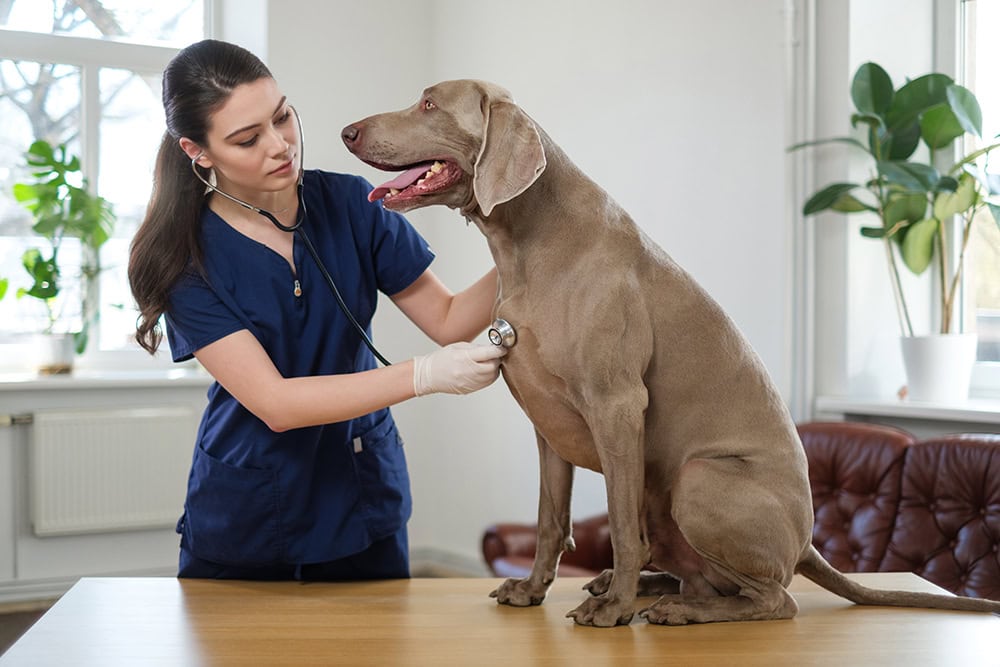
When getting a new puppy, arrange visits so you can see multiple puppies and determine which one fits your personality. Ask the dog breeder how many puppies there are and how old they are.
The answer to this question will give you general information about the litter, and you’ll be able to confirm the information once you meet the puppies. If there’s an inconsistency in the number of puppies in the litter or their age, it might be best to look for other breeders.
Red Flags
9. Will the Puppies Be Registered?
After asking the breeder to see the registration of the puppies' parents, ask if the puppies will also be registered. This is important because it will confirm the dogs’ pedigree and provide other information about the date of birth, breed, and parents’ names.
Unless discussed otherwise for a specific reason, the breeder is fully responsible for registering the puppies and forwarding the registration certificates to their new owners upon purchase.
Breeders with unregistered puppies may be up to no good, so it’s best to look for someone who provides these documents.
Red Flags
10. Have the Puppies Had Any Health Issues?
Before getting a puppy, you must ensure that your furry friend will be healthy, which is why you should always ask dog breeders if the puppies have had any health issues.
You can confirm a few of the health risks by checking the parents’ health tests, but it’s also important to check that the puppies haven’t suffered from any health problems since birth.
If the breeder cannot confirm that the puppies have been healthy, consider checking with other breeders who can prove their puppies are developing properly.
Red Flags

11. Can I See Where the Puppies Are Kept?
When meeting the puppies, you should ask the breeder to see the place where they are kept. Unfortunately, many dogs are born and live in horrible conditions, so seeing where the puppies are kept will help you verify if you’re talking to a reputable breeder who respects the standards of safe dog breeding and care.
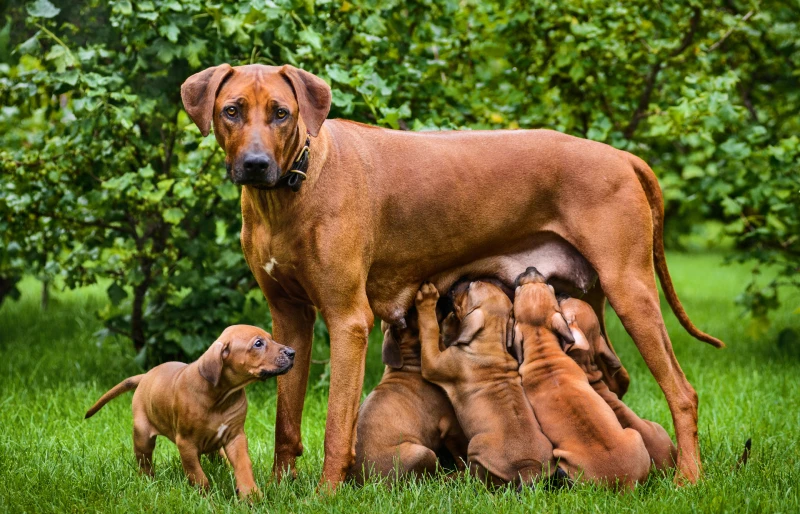
The space where the puppies are kept should be spacious, warm, and clean, and the puppies should be spending time with their mother while being weaned.
If the breeder hesitates to show you where the puppies were born and where they’re kept or if the environment looks unsanitary, it might be better to look for other breeders that follow guidelines for responsible dog breeding.
Red Flags
12. How Do You Socialize Puppies?
Since puppies spend a decent amount of time with their breeders before getting to their new homes, the breeders have to take care of general training, including socialization, to help the puppies adjust to their new lives and families. Therefore, this is an essential question to ask a dog breeder.
You should find out if the puppies have been exposed to other animals and people and how they behave when they have companionship.
The puppies are supposed to be cheerful and interested in contact; any sign of being scared, anxious, or unusually shy may indicate that something is off.
Red Flags
13. Are the Puppies Up to Date With All the Necessary Vaccinations?
You should verify that the puppies have received all the necessary vaccinations. The breeder is responsible for taking the pups to the vet and giving them their needed shots before they get to their new homes.
The breeder should also have a shot schedule for your puppy upon purchase; it will help you coordinate the next vaccinations that your puppy will need.
If the breeder hasn’t vaccinated the puppies or doesn’t have the needed medical papers, go to another breeder. These things must be taken seriously, as they could impact your dog’s health.
Red Flags
14. Have the Puppies Been Treated for Worms and Other Parasites?
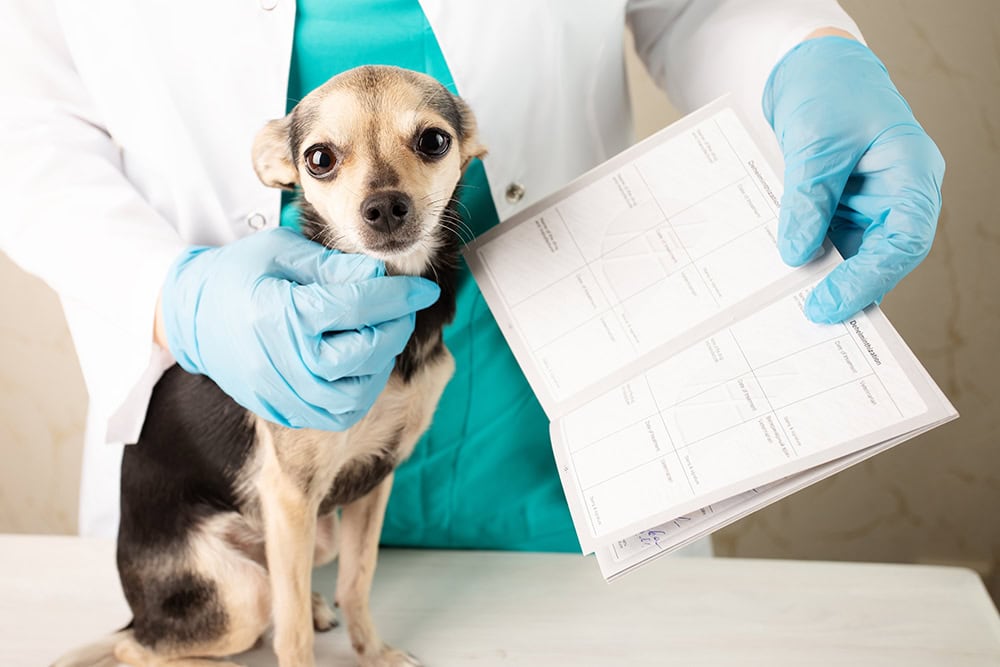
Besides getting their vaccines, the puppies should receive worm and parasite treatment before getting to their new homes. Ask the breeder if the puppy you’re interested in has been treated.
Generally, most dogs get worm treatment multiple times throughout their puppy stage, at around 2 weeks old, 5 weeks old, and 8 weeks old.
Red Flags
15. Is there a Health Guarantee and a Contract Provided?
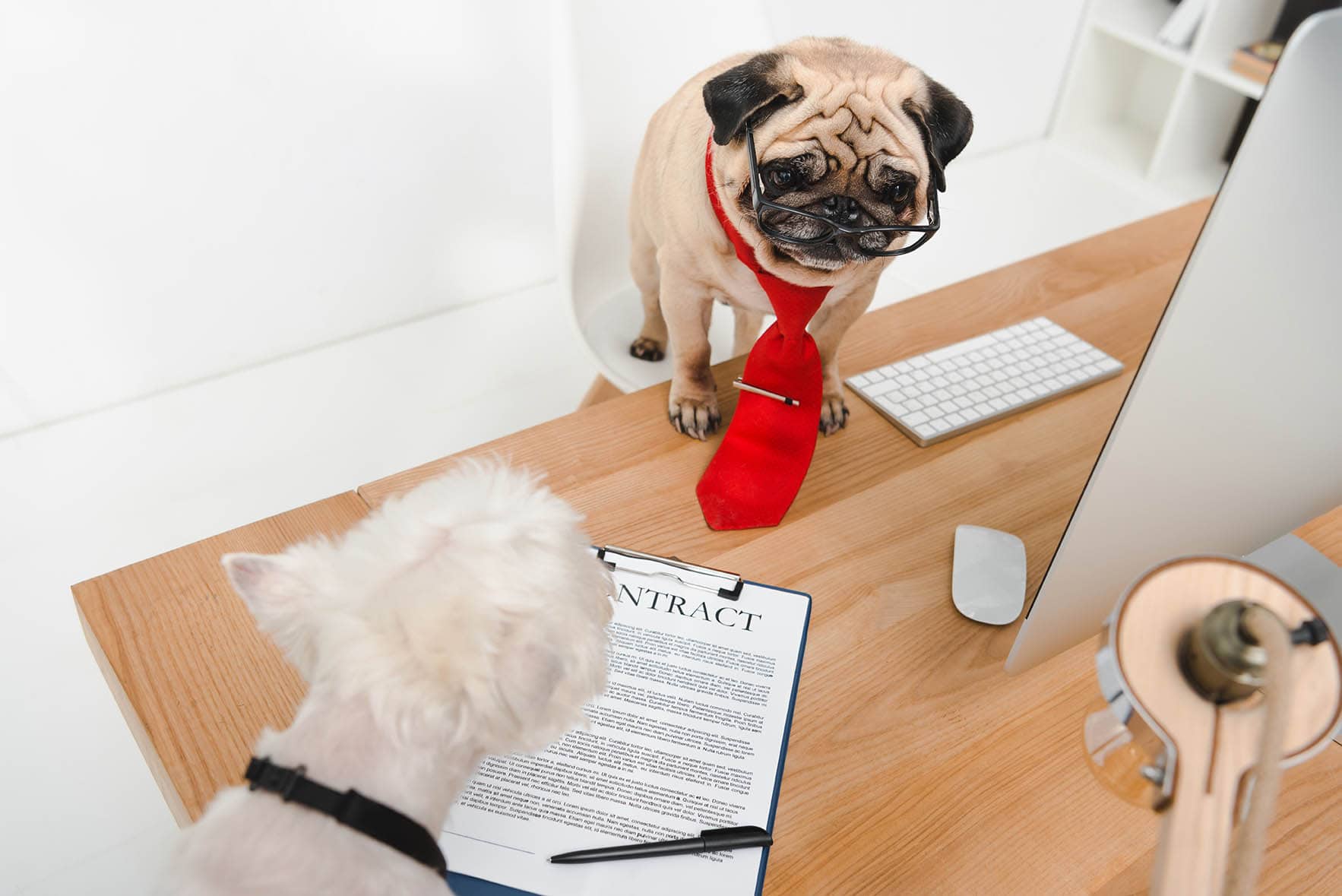
When getting a puppy, you shouldn’t believe a breeder’s word alone when making the deal. Ask them if they provide a health guarantee and a contract. This way, you’ll protect yourself and your puppy in case something happens, and the breeder will be fully responsible for any faulty information or deceit.
Before picking up your dog, verify with the breeder what will happen if the puppy gets severely ill or if you’re unable to care for the puppy for some reason.
Good, reputable breeders will offer you a guarantee that covers conditions specifically known for that particular dog breed and various other perks that will benefit both you and the dog in uncomfortable situations.
Red Flags
16. Do the Puppies Have Some Form of Identification (Microchips)?
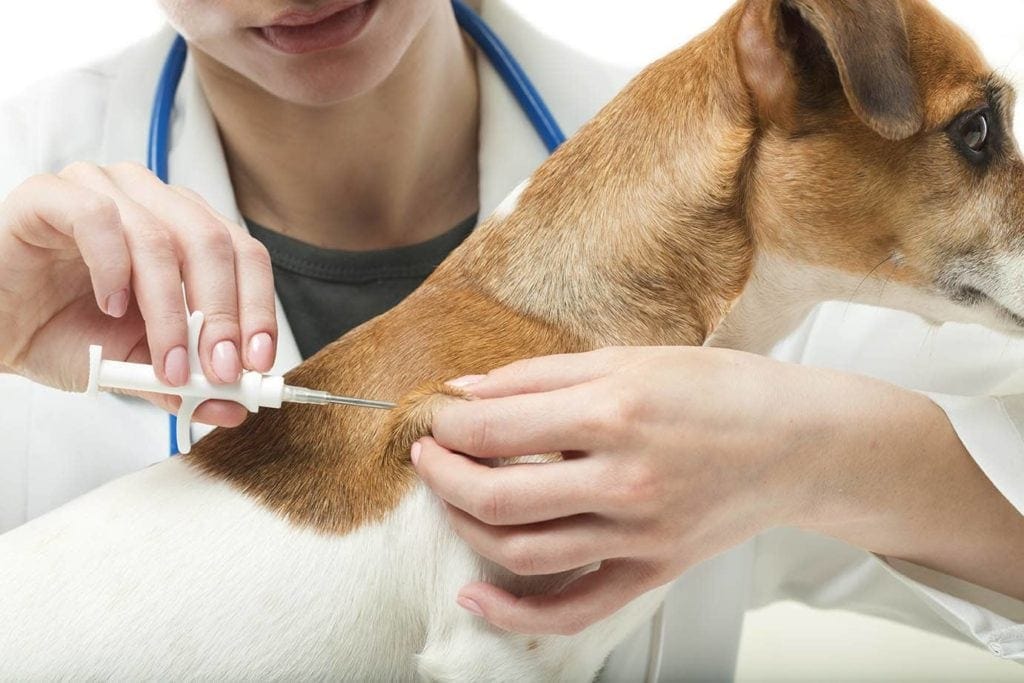
A good question that you can ask the dog breeder is if the puppies have some form of identification, such as microchips.
Dog breeders are obligated to microchip their puppies, so not having this identification is a big red flag.
Red Flags
17. When Can I Take the Puppy Home?
If you like a particular puppy and you’d like to add them to your family, ask the dog breeder when you can take the puppy home.
Generally speaking, puppies shouldn’t leave the place where they were born too early (until they’re at least 8 weeks old), as that’s an essential period that they should spend with their mother and bond with their puppy siblings.
However, they also shouldn’t leave their den after they’re over 12 weeks old, as they may have trouble socializing and adapting to a new family.
Red Flags
18. How Can We Stay in Contact After I Pick Up the Puppy?
A good, reliable, and reputable breeder will always initiate contact to ensure that everything is going well after you get the puppy and that they are adjusting to their new life.
Just in case the breeder doesn’t initiate contact, ask how you can stay in touch after you get the puppy. Responsible breeders can be a true gold mine for first-time dog owners, and they can provide aid and advice in the tough situations that new dog parents might experience in their journey.
If a breeder hesitates to provide you with contact information, doesn’t stay in touch after you get the puppy, or pretends that they’ll stay in touch but that doesn’t happen, know that such a business is probably shady.
Red Flags

19. What Are Your Requirements for the People Looking to Get One of Your Puppies?
When getting a dog from a reputable breeder, you should know that it’s not all about you, and that’s precisely what sets good and reliable breeders apart from scammers and fishy deals.
If the breeder has good intentions with their puppies, they will also have questions for you, in order to ensure that one of their puppies is going to a good home. If the breeder doesn’t initiate questions on their own, ask them what their requirements are for people looking to get one of their dogs.
Their response should give you a clear picture if they really care for the dogs or are just doing this for money.
Red Flags

Conclusion
If you are thinking of getting a puppy as a new family member, these are the essential questions to ask a dog breeder to ensure that your future companion will be healthy and grow properly.
Do not be afraid to talk to multiple breeders to find the most reliable one and get the best puppy for you. Remember to pay attention to the red flags, and never get a puppy from a breeder who seems shady.
Sources
https://humanecanada.ca/wp-content/uploads/2020/03/Essential-questions-to-ask-a-breeder.pdf
https://www.akc.org/expert-advice/puppy-information/questions-to-ask-your-potential-breeder/
https://www.ckc.ca/en/Articles/Choosing-a-Dog/Ten-Questions-To-Ask-The-Breeder
https://www.thekennelclub.org.uk/getting-a-dog/buying-a-dog/questions-for-the-breeder/
Featured Image Credit: Malivan_Iuliia, Shutterstock
Get Hepper In Your Inbox


Pet care tips from our vets and experts, straight to your inbox.
You may opt-out at any time. View our Privacy Policy for more information.

Visnja is a content writer that covers various topics such as DIY, pets, home improvement, travel, gardening, and more.
She is a young mom and a college student, who didn’t have enough time to balance her personal and work life, so after multiple years of working a regular 9 to 5 job, she decided to pursue her passion and make a living out of it. She has been writing for a couple of years, helping people find valuable and interesting information online.
Join the conversation
Ask a question, share your story, or send private feedback.