Hepper is reader-supported. When you buy via links on our site, we may earn an affiliate commission at no cost to you. Learn more.
Utonagan Dog: Care Guide, Pictures, Temperament & More
In this article
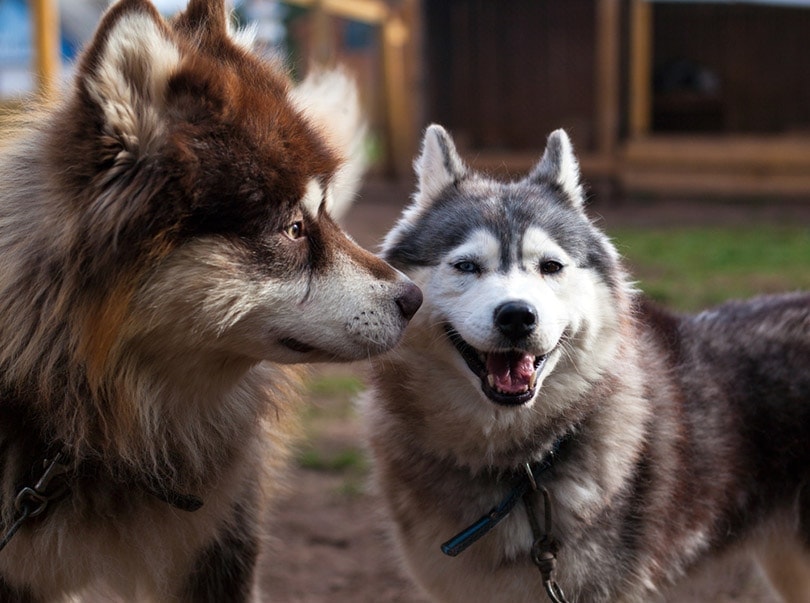
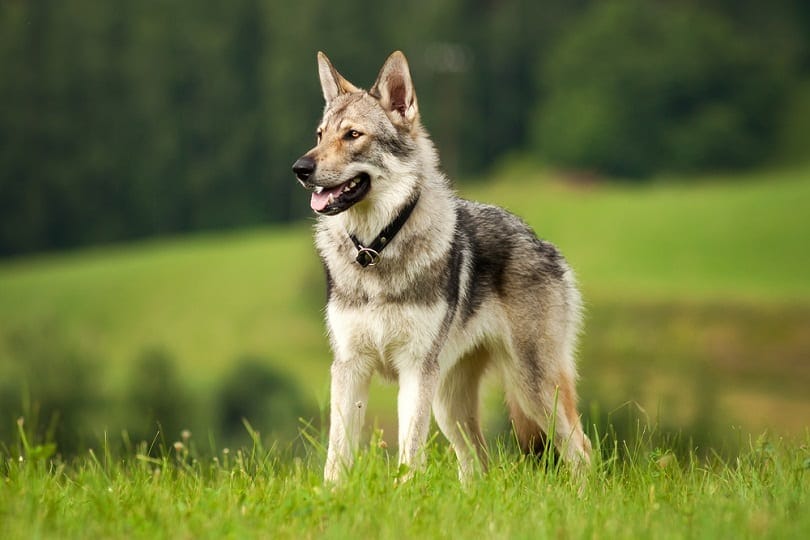
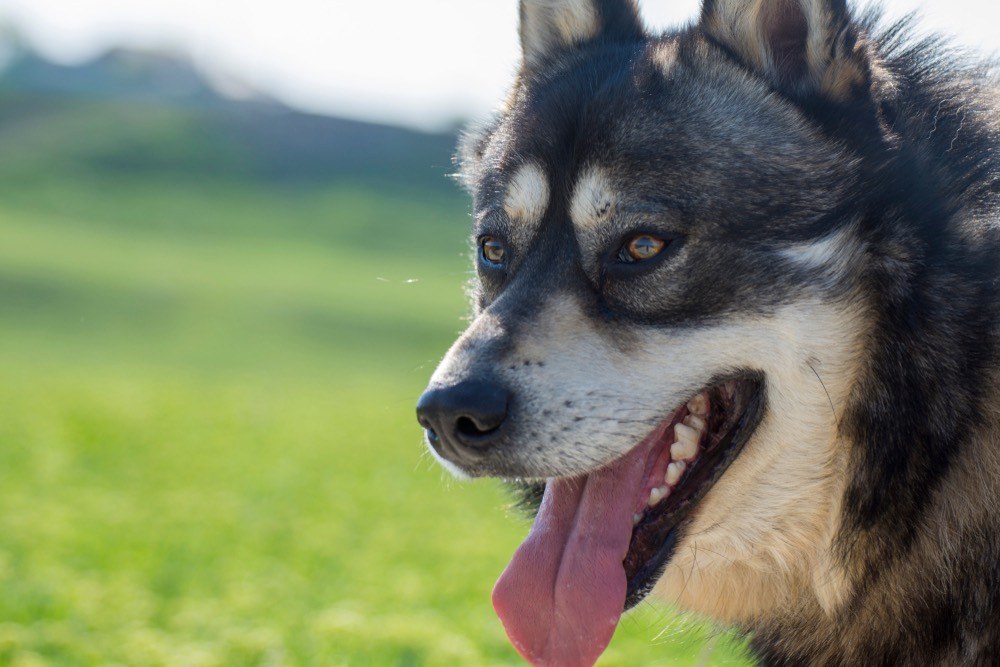
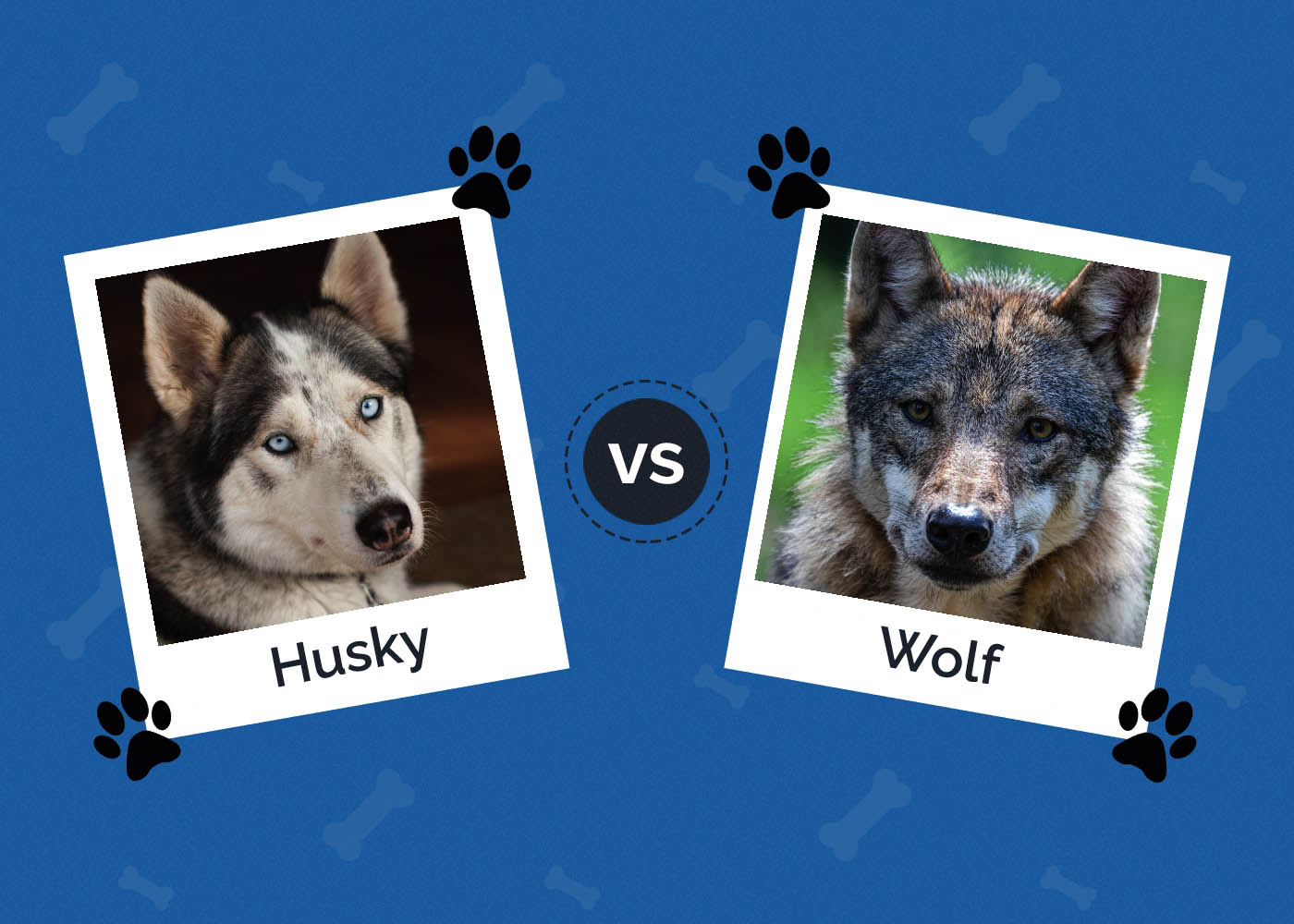
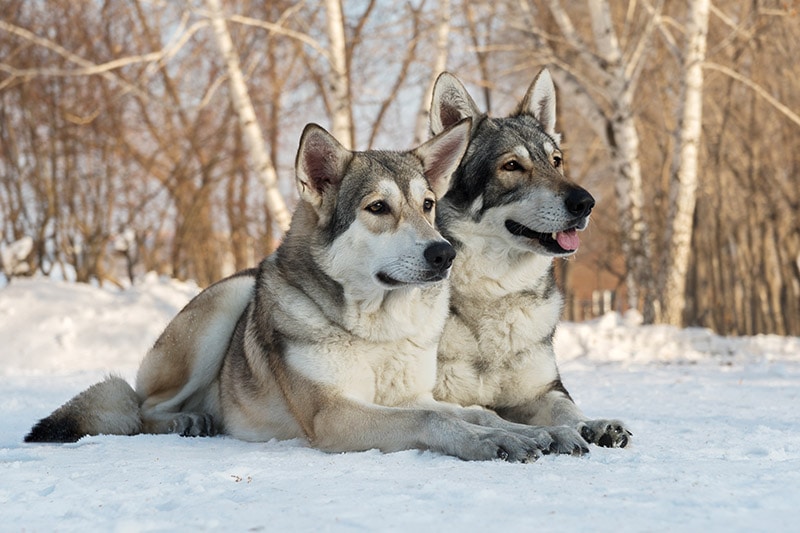
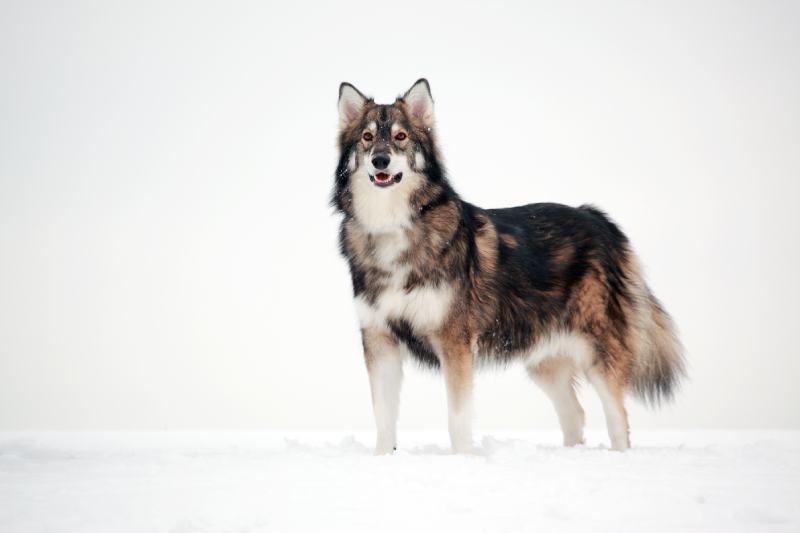
Wolves are beautiful creatures, but certainly not suitable as a pet. If you love the look of a wolf, you might be interested in the Utonagan dog breed. Their personality couldn't be further from their wild counterparts, which makes sense, considering they have zero wolf DNA. These gentle, affectionate, and well-balanced dogs make fantastic companions but are not right for every home.
Read on to learn more about this unique breed to determine if it’s suitable for your family.
Breed Overview
Height:
Weight:
Lifespan:
Colors:
Suitable for:
Temperament:
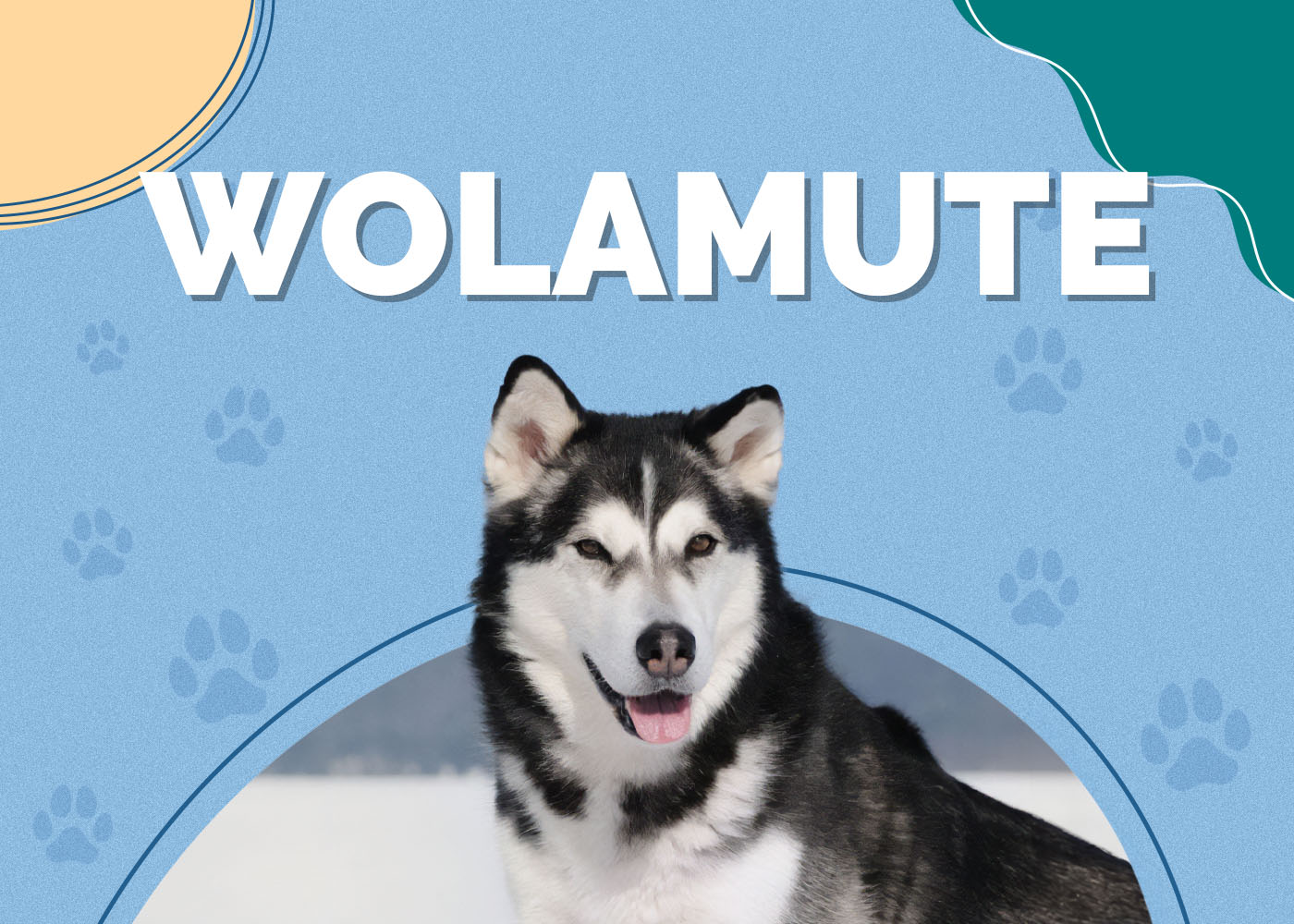
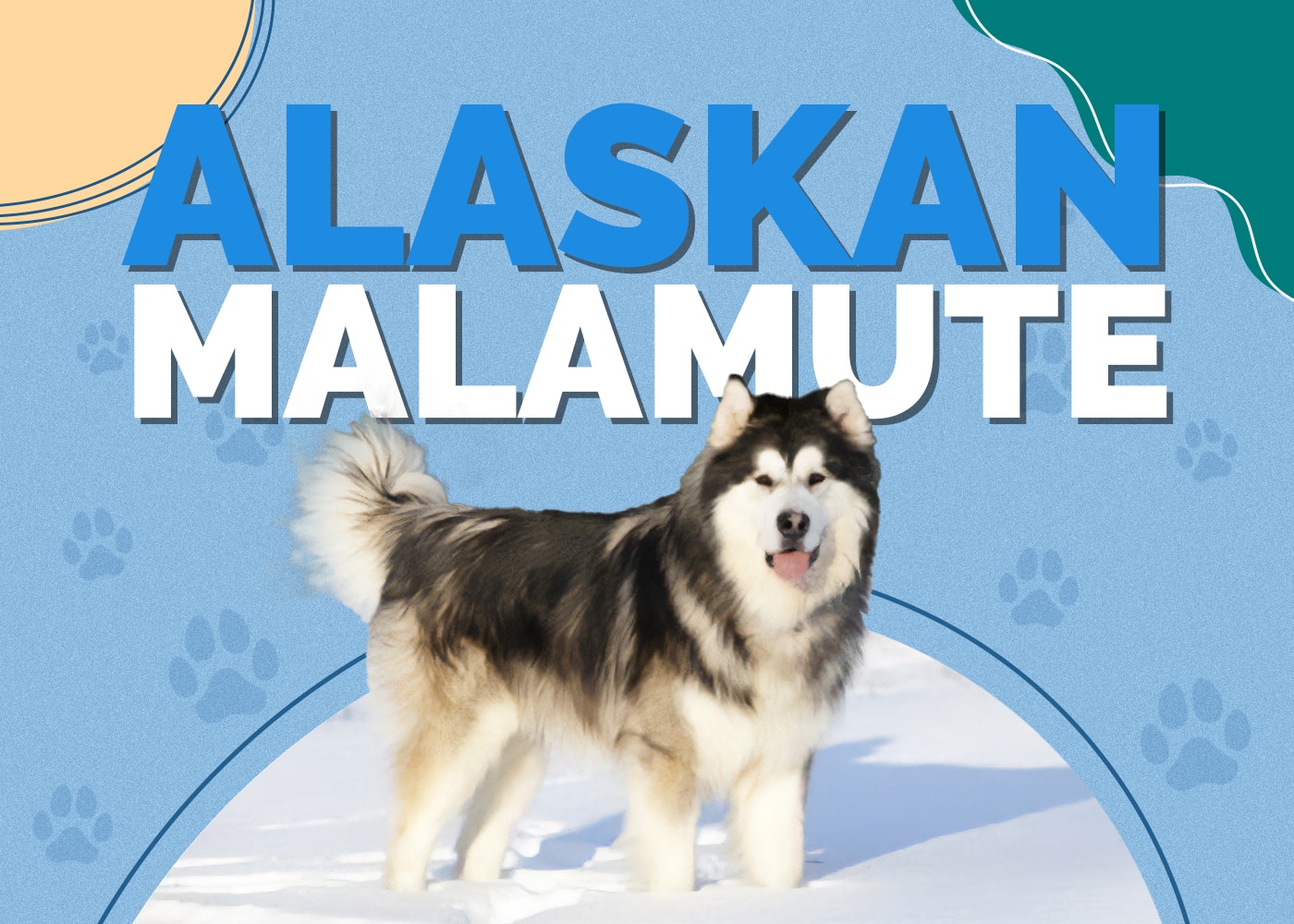
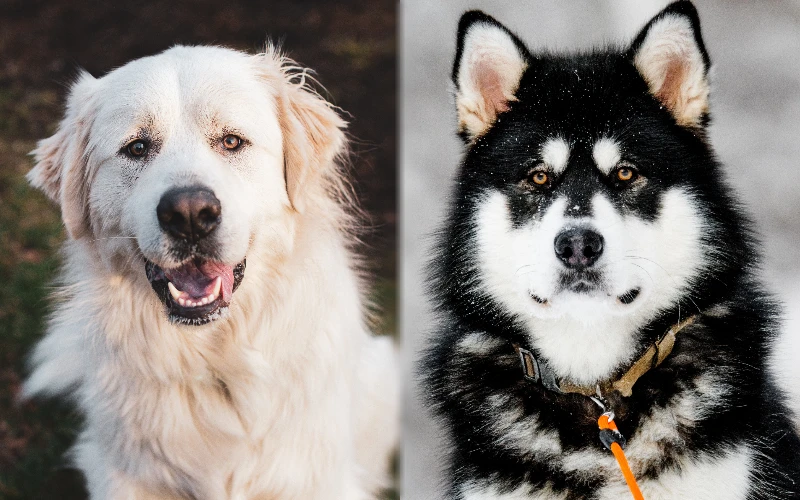
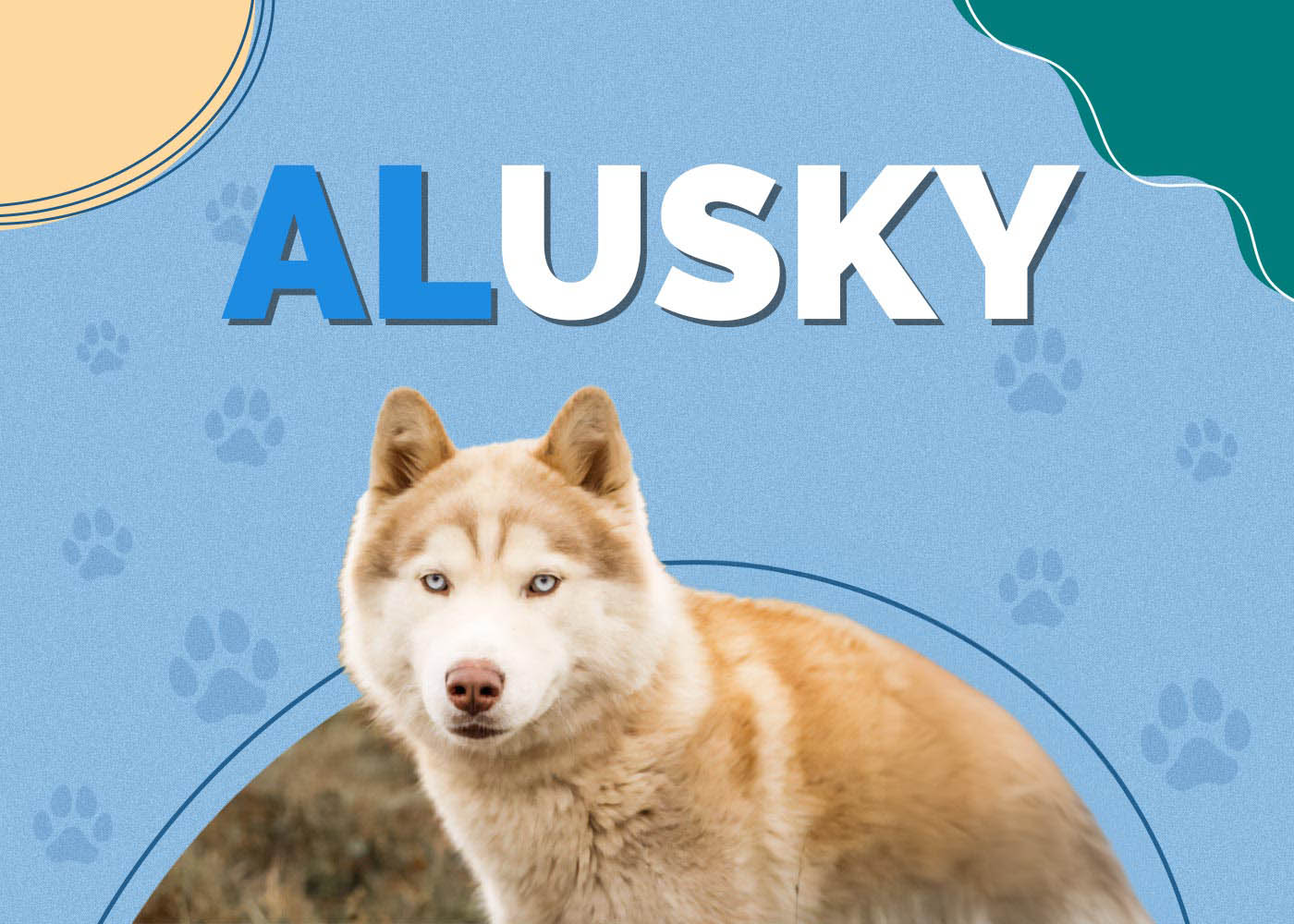
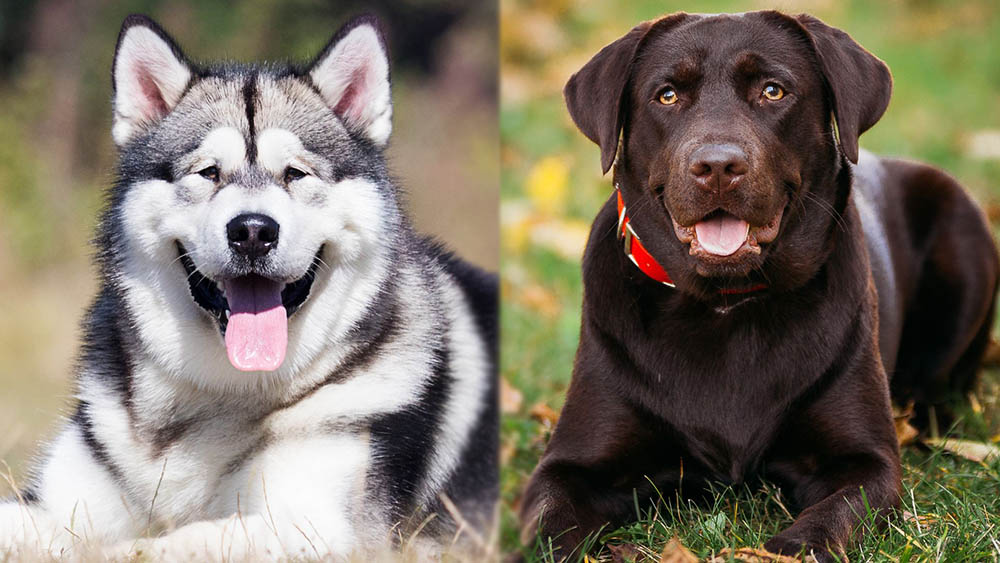
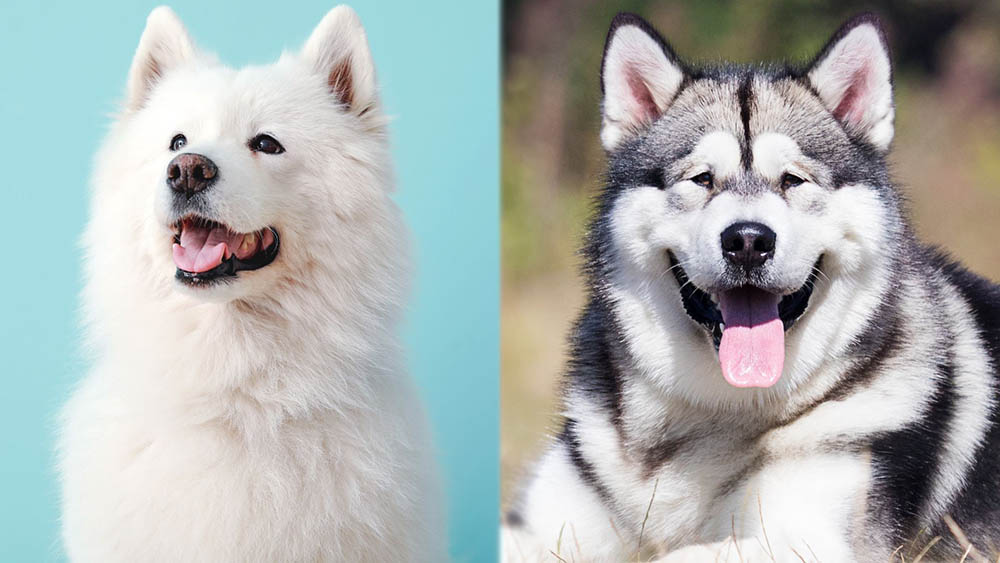
The Utonagan is a relatively new breed developed during the 1980s by a breeder who wanted a dog that would look like a wolf but still be as well-tempered as its domesticated counterparts. The Utonagan was created using Siberian Husky, Alaskan Malamute, and German Shepherd DNA, along with the DNA of five other unidentified breeds.
Utonagan Breed Characteristics

Utonagan Breed Puppies
The Utonagan is a rare and incredibly difficult-to-find breed. There are questions about how ethical it is to breed a designer dog such as the Utonagan, so finding a breeder may prove to be impossible. That's not to say you won't find a Utonagan for adoption. You may be able to find one at a shelter or rescue in your area, but we wouldn't recommend having your heart set on it.
Utonagan dogs require training and socialization as soon as they come home. These dogs will grow to be large and may be prone to dominance, so the sooner you can begin training them, the better. We recommend investing in obedience classes to enlist the help of a professional trainer to better your chances of successful training.
Temperament & Intelligence of the Utonagan
The Utonagan wasn't bred for any specific working purposes, though they are highly intelligent and can be trained to perform multiple tasks. Don't let its wild appearance fool you; this breed is known for its friendly demeanor and easygoing attitude. Utonagan dogs are active, alert, energetic, and consistently even-tempered. That said, they can be prone to behavioral problems if not given enough mental or physical stimulation. They may be dominant, so they require an owner willing to set clear boundaries and take the role of alpha.
Are These Dogs Good for Families? 👪
Utonagan dogs generally get along just fine with all people, including children. In fact, they particularly love children. They make fantastic family dogs thanks to their love, gentle, and even-tempered nature. However, because this is a large breed, it's best to wait until your kids are a bit older before adopting one. They can weigh over 100 pounds when fully grown and can unintentionally hurt small and young children simply due to their size and high energy levels.

Does This Breed Get Along With Other Pets?
The Utonagan can get along fine with other pets thanks to their gentle and playful disposition. However, because they are related to dogs with high prey drives, care should be taken when introducing a Utonagan into households with small animals, including smaller dogs, cats, birds, rodents, and reptiles. A slow and deliberate introductory period should occur regardless of what other animals you have in your home.
Things to Know When Owning a Utonagan Dog
Food & Diet Requirements
Since Utonagans are a large breed, their owners need to feed them high-quality food that fuels their high exercise needs and sufficient enough protein to support their muscles. As a large dog, they can be prone to hip dysplasia, so they mustn't be overfed, as being overweight can contribute further to such orthopedic issues. In addition, Utonagans may be more likely to develop obesity, so owners need to ensure their pups are eating the proper portions and getting enough exercise daily.

Exercise 🐕
Utonagans have high exercise needs and require daily exercise to stay happy, healthy, and well-behaved. This breed does not do well with boredom, as they can exhibit negative and destructive behaviors if they don't get enough physical and mental stimulation. Potential owners should be prepared to spend at least an hour, if not more, playing with and exercising their Utonagan daily.
These big dogs do best with families that have a nice, big, fenced-in yard to run around in.
Training 🎾
Utonagan dogs are highly intelligent and generally do well with training. Most are easy to train, though training and socialization should begin during puppyhood to ensure your dog grows up to be a well-behaved and well-rounded adult.
However, the Utonagan can be prone to dominance, so their owners must be willing to set boundaries and take the alpha role. Additionally, the entire household must be on board with training to help create consistency in their dog's life.

Grooming ✂️
Grooming a Utonagan is a process that requires a dedicated and experienced owner. Thanks to their thick double coats, they need more maintenance than other dog breeds. They will shed year-round but heavily twice annually.
A Utonagan must be brushed and combed daily during the shedding season and several times weekly for the remainder of the year. Their coat will be thicker during the colder months than the summer, so more maintenance will be required during the winter.
Health and Conditions 🏥
Utonagans typically have a longer lifespan than other breeds of their size. However, that doesn't mean that it isn't at risk of developing certain health conditions. In fact, Utonagans are surrounded by controversy in the breeding world due to the small breeding pool and high incidence of health issues.
As mentioned above, Utonagans may be prone to obesity, so all owners must keep a close eye on their dog's weight. Even a few extra pounds can cause joint issues, heart problems, and conditions like diabetes mellitus.
Hip dysplasia is another commonly seen health issue with this breed. This inherited condition occurs when the ball and socket don't fit or develop properly, resulting in rubbing and grinding instead of smooth sliding against each other. This can cause deterioration over time and even loss of joint function.
As a large breed, Utonagans may also develop bloat, a life-threatening condition that occurs when a dog's stomach fills with fluid or food and twists on itself. Bloat is a medical emergency that requires immediate veterinary care for the best outcome. A dog's risk of developing bloat can be reduced by feeding your pup smaller meals, encouraging slower eating, and avoiding exercising post-meal. Some owners also opt for a prophylactic gastropexy, where their dog's stomachs will get tacked to the right side of the body wall, holding the stomach in place and preventing it from twisting.
Male vs Female
Male and female Utonagans are generally the same size, though males can be larger. As for personality traits, there are no scientifically proven differences between the genders. However, some owners and anecdotal evidence suggest that males are more affectionate and easier to train than females. This, of course, isn't true of every individual, as each dog has their own personality traits that make them unique.

3 Little-Known Facts About the Utonagan
1. The Utonagan’s history is a little fuzzy
Because Utonagan is a mixed breed, there is no clear history as there is with purebred dogs. However, the known parent breeds are well-established and beloved companion dogs. The Utonagan is a hybrid between Siberian Huskies, Alaskan Malamutes, German Shepherds, and five other unknown rescue breeds.
2. Utonagans were bred to resemble wolves
The Utonagan is considered to be the original wolf dog. Breeder and dog enthusiast Edwina Harrison wanted to create a dog breed that closely resembled wolves but had a domesticated dog's sweet and gentle nature. She began by mixing her own rescue dogs with the parent breeds we know helped form the Utonagan we know today. Though this breed has several decades under its belt, it's still not yet considered a purebred, and for that reason, Utonagans are not recognized by most major breed clubs and, subsequently, are not eligible to show.
3. Utonagans are a very rare breed
If you've never heard of the Utonagan breed before reading this article, you're in good company. This is an exceedingly rare breed that's difficult to find outside the United Kingdom.
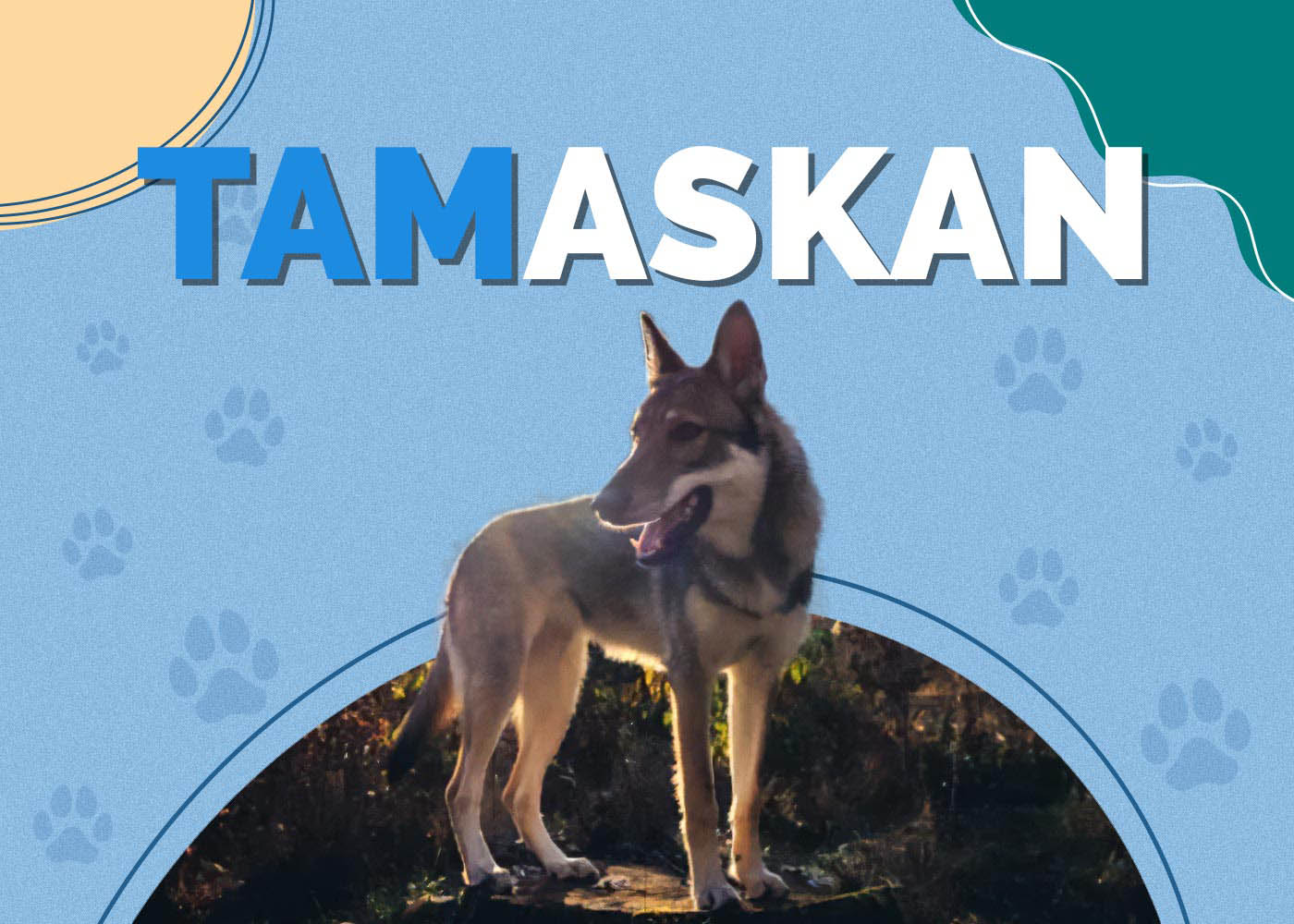
Many breeders steer clear of this breed because, as with many newer designer dog breeds bred exclusively for appearance, they may be prone to expensive health issues. People wanting to adopt a Utonagan may have better luck finding similar breeds like Tamaskan, Finnish Spitz, or its parent breeds.

Final Thoughts
There's certainly no denying the beauty that is the Utonagan dog breed. These gorgeous pups look like wolves, but their personalities couldn't be further from their wild counterparts. The Utonagan makes a great family dog thanks to their affectionate and gentle temperament. However, their somewhat unethical breeding makes finding Utonagans for adoption almost impossible. If your heart is set on adopting a wolf-like dog, we recommend considering other breeds that are a little easier to find. The Utonagan's parent breeds (Alaskan Malamutes, German Shepherds, and Siberian Huskies) are a great jumping-off point.
See Also: How Much Does a Utonagan Cost?
Featured Image Credit: Binson Calfort, Shutterstock
Get Hepper In Your Inbox


Pet care tips from our vets and experts, straight to your inbox.
You may opt-out at any time. View our Privacy Policy for more information.

Nicole is a lover of animals of all sizes but is especially fascinated with the feline variety. She’s the proud mom of Baby, a Burmese, and works every day so he can relax in the sunshine or by the fire. She’s always had a cat in her home and has spent countless days with others, observing behaviors and softening up even the grouchiest of the lot. Nicole wants to share her kitty expertise with you so you and your cat can live happy, healthy, and care-free.
Join the conversation
Ask a question, share your story, or send private feedback.