Hepper is reader-supported. When you buy via links on our site, we may earn an affiliate commission at no cost to you. Learn more.
10 Incredible Australian Veterinarian Statistics & Facts: 2026 Update

In this article
Note: This article’s statistics come from third-party sources and do not represent the opinions of this website.
While many people in Australia enjoy free healthcare, pet owners must pay vet expenses out of pocket. Of course, there is also a huge veterinary industry to help care for these pets. Not only do your average vet offices exist, but medication producers and specialists also must care for Australian pets.
There are tons of statistics surrounding this industry. However, some of these statistics are more surprising and eye-opening than others. Let’s look at some of the most interesting Australian veterinary statistics.

The 10 Australia Veterinarian Statistics
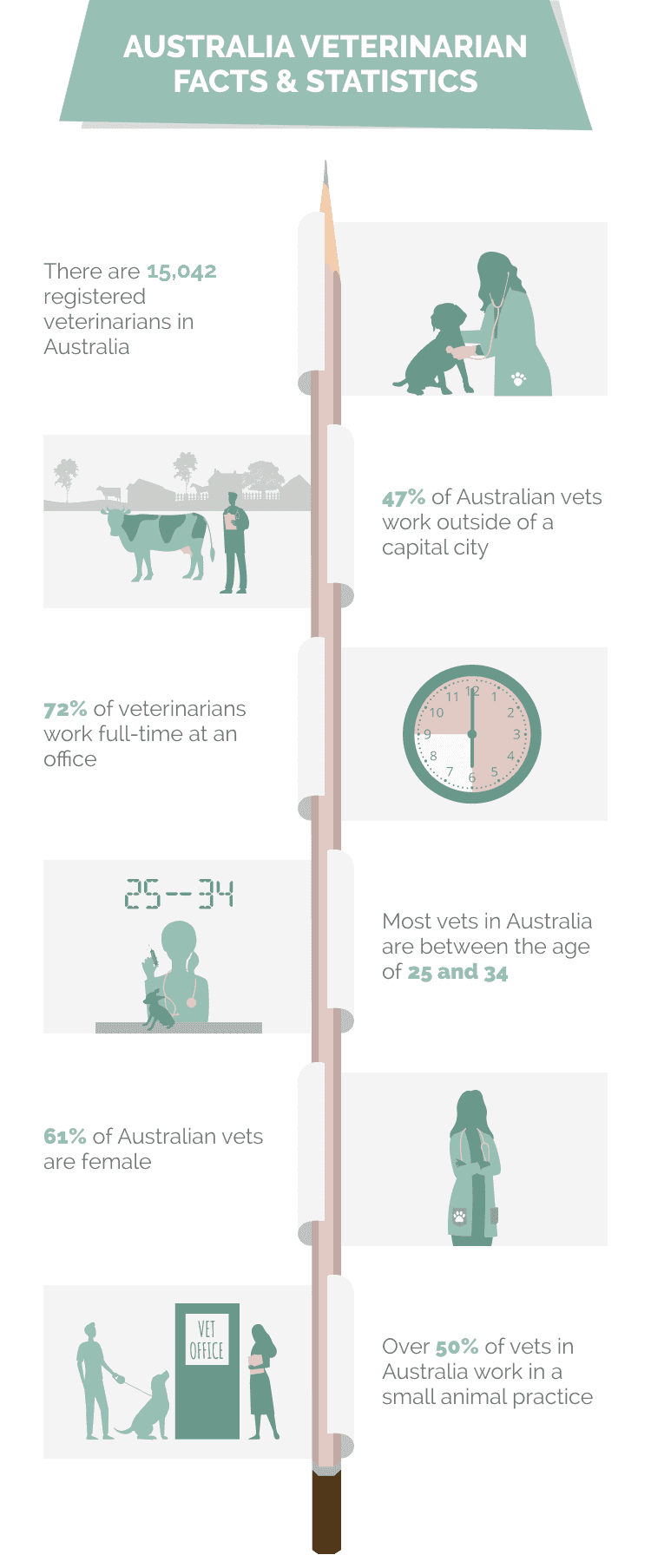
There are 15,042 registered veterinarians in Australia.
The veterinary healthcare market is predicted to reach a CAGR of 9.75% by 2027.
47% of vets work outside of a capital city, which is higher than the job average in Australia.
Most vets work in a small animal practice, but some work with larger animals like livestock.
More veterinarians are needed on farms; some have not employed a veterinarian for several years.
72% of veterinarians work full-time at an office.
Full-time workers work an average of 46 hours a week, though a third of workers regularly work overtime.
Vets must have a bachelor’s degree. However, about 16% also have a graduate degree.
Most vets are between the ages of 25 and 34. However, the median age is 39.
Females comprise 61% of the workforce, which is higher than the average of 48% in other fields.
How Many Vets Are There and Where Do They Work?
1. There are 15,042 registered veterinarians in Australia.
(IBIS World)
You must be registered and licensed in Australia to work as a vet. Currently, over 15,000 people fit into this category. This statistic doesn’t include those with degrees in the veterinary field who are not currently registered. In other words, it only includes active vets.
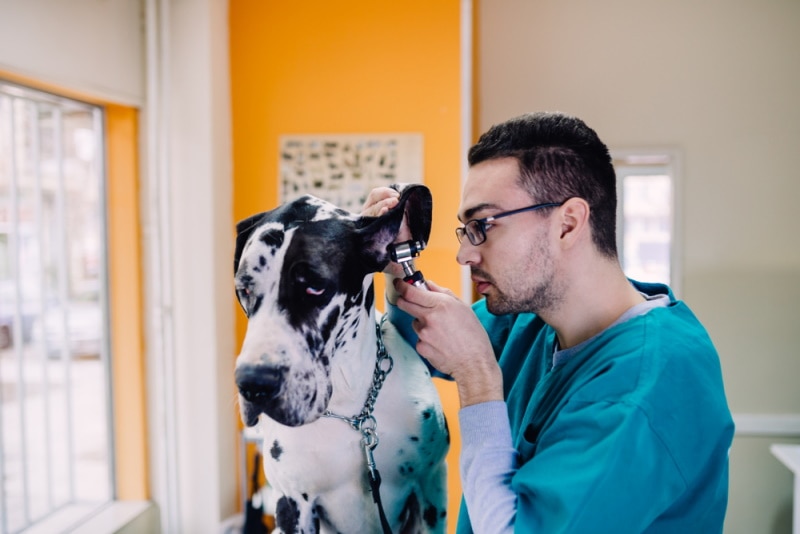
2. The veterinary healthcare market is predicted to reach a CAGR of 9.75% by 2027.
(Mordor Intelligence)
The veterinary industry is expected to expand more than the average career in Australia. The number of pets owned in Australia is increasing, and the number of vets needed to care for them isn’t expected to meet the demand.
3. 47% of vets work outside of a capital city, which is higher than the job average in Australia.
(Australian Government)
Many vets have offices outside of the major cities. This is higher than the average for Australia, where only 38% of the population lives outside major cities. Therefore, you are more likely to live in a rural area as a vet than as a member of another profession.


The Job of a Vet
4. Most vets work in a small animal practice, but some work with larger animals like livestock.
(Australian Government)
Just over half of the vets in Australia only work with small animals. Only 6% work with larger animals exclusively, usually as an employee of a larger farm. Around 16% of veterinarians work with both large and small animals. These vets likely live somewhere rural and run their own practice.
5. More veterinarians are needed on farms; some have not employed a veterinarian for several years.
(The Guardian)
This issue isn’t unique to Australia, and several countries, including the United States, need more veterinarians who can work with farm animals. Private practices that treat companion animals are more appealing to some vets because the salaries are higher, and they’re located closer to urban areas.
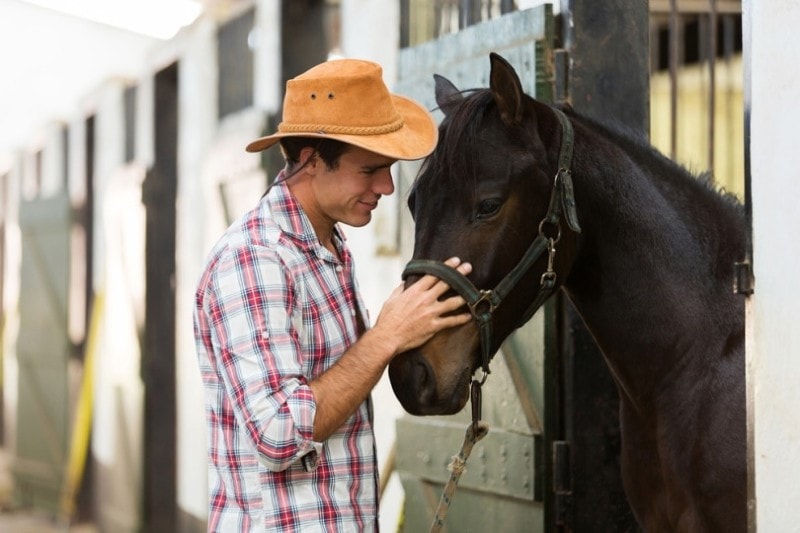
Raising horses is a big business in Australia, and approximately 1 million horses live in the country. However, of the 15,000 veterinarians, only 8% are equine specialists.
6. 72% of veterinarians work full-time at an office.
(Australian Government)
Most registered vets work full-time at an office. The remaining vets work part-time, usually at an office they do not own. Some may also work part-time for larger companies or as on-call vets in rural areas. Either way, about 28% of vets do not meet the full-time requirements.
7. Full-time workers work an average of 46 hours a week, though a third of workers regularly work overtime.
(Australian Government)
Out of all the full-time vets, the average number of hours worked each week is 46. This is about average in Australia, where the average full-time worker works 44 hours weekly.
However, about a third of veterinarians regularly work overtime, whether paid or not. Therefore, some vets are working much more.

Who Are They?
8. Vets must have a bachelor’s degree. However, about 16% also have a graduate degree.
(Australian Government)
To work as a vet in Australia, you must have a bachelor’s degree. However, another 16% of vets also have a graduate degree. On average, vets are more educated than the average Australian citizen.
9. Most vets are between the ages of 25 and 34. However, the median age is 39.
(Australian Government, ABS Census 2016)
The largest share of veterinarians is between the ages of 25 and 34. However, there are many older vets as well. These older vets push the median age to 39, even if they make up the minority of vets. It appears that many vets do not retire at an early age and may even work later into their senior years.

10. Females comprise 61% of the workforce, which is higher than the average of 48% in other fields.
(Australian Government, ABS Census 2016)
The veterinary field is mostly female, unlike other occupations in Australia. The average of all job fields is about 50/50 regarding gender. However, females are more likely to go into the veterinary field than males.
Frequently Asked Questions About Australian Veterinarians
How much does a veterinarian earn in Australia?
The average veterinarian earns about $107,099 in Australia. Entry-level positions start at around $95,000 a year, while more experienced veterinarians can earn up to $132,000. That’s about $55 an hour.
Where the vet works, their experience, and their education determine how much they are paid. The cities with the highest pay include Whyalla SA, Hobart TAS, Geelong VIC, and Canberra ACT.
(AU Indeed)
How long is vet school in Australia?
It takes between 5 and 7 years of study to become a vet in Australia. All vets must have at least a bachelor’s degree. You must also be registered and licensed to work as a vet, even if you successfully complete your degree.
Different individuals may take varying amounts of time to complete their course of study. Often, the number of courses you take at a time is largely up to you. However, to be a full-time student, you must take a minimum number of courses (though you can usually take more).
(Vet Voice)

Is it worth being a vet in Australia?
Being a vet can be a good decision if you’re passionate about animals. However, vets do not earn much more than the average salary in Australia, especially after taxes. Furthermore, the job can be stressful, requiring a fair amount of education. Therefore, being a vet isn’t as lucrative as many seem to believe.
What is the best vet school in Australia?
The best vet school in Australia is currently the University of Melbourne. However, that doesn’t mean every hopeful vet student needs to attend this school. You should also consider other facts about the university—not just the quality of its program. For instance, how much the school costs and how far away you are from the school also matter.
You should also consider the campus culture, which may or may not align with what you’re looking for.
Are vets in demand in Australia?
Yes. The veterinary field is expected to grow more than other fields. Mostly, this is because pet ownership is increasing. As more people adopt pets, the need for vets to care for them increases. Therefore, vets are going to be needed more and more in the coming years.

Summary
Veterinarians are in demand in Australia, especially in rural areas. Due to the increase in pet ownership, now would be a great time to become a vet. However, all vets must have at least a bachelor’s degree, which often takes between 5 and 7 years to achieve. Vet school is incredibly demanding and hard to get into.
The average vet is around 39 years old, though many are between 24 and 35. Veterinarians in Australia have rewarding careers, but staff shortages and an overwhelming number of new patients have made their jobs more challenging.
Sources
Featured Image Credit: Juice Flair, Shutterstock
Get Hepper In Your Inbox


Pet care tips from our vets and experts, straight to your inbox.
You may opt-out at any time. View our Privacy Policy for more information.

Kristin is passionate about helping pet parents create a fulfilling life with their pets by informing them on the latest scientific research and helping them choose the best products for their pets. She currently resides in Tennessee with four dogs, three cats, two fish, and a lizard, though she has dreams of owning chickens one-day!
Join the conversation
Ask a question, share your story, or send private feedback.