Hepper is reader-supported. When you buy via links on our site, we may earn an affiliate commission at no cost to you. Learn more.
Vitamin C for Cats: Vet-Verified Facts & Guide


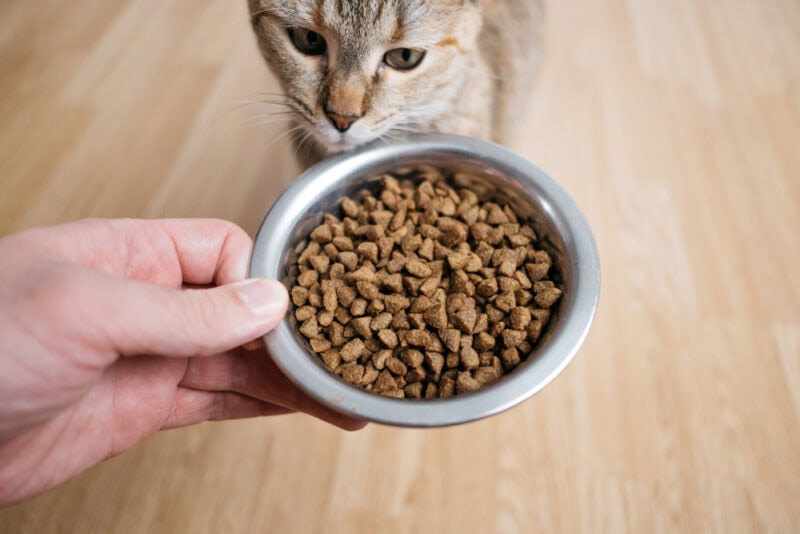
Vitamin C is an essential nutrient for cats that can support a wide range of body functions, including supporting bone and joint health and immune function. While cats are capable of producing vitamin C within their own bodies, some cats do occasionally need a little external vitamin C boost, and this is something your vet will recommend if they feel it is required.
While veterinary supplements of vitamin C exist, vitamin C is a naturally occurring compound in many foods, some of which may be suitable for cats to have as a treat. Before you start offering your cat foods with extra vitamin C, you should be aware of a few very important considerations.
Cats are obligate carnivores, and they thrive on animal protein. They do not need fruits or vegetables in their diet. Although there are fruits and vegetables that are rich in vitamin C and are considered non-toxic for cats, cats can only safely consume a small amount of them, so they will not receive any significant health benefits. Excess of fruit and veg may lead to digestive issues in cats and is certainly not suitable for those cats suffering from diabetes due to the excess sugar.
It’s important to speak to your vet if you think your cat would benefit from vitamin C supplementation, and they will be able to recommend adequate and safe supplements and dosages.

The ABCDs of Giving Cats Vitamin C
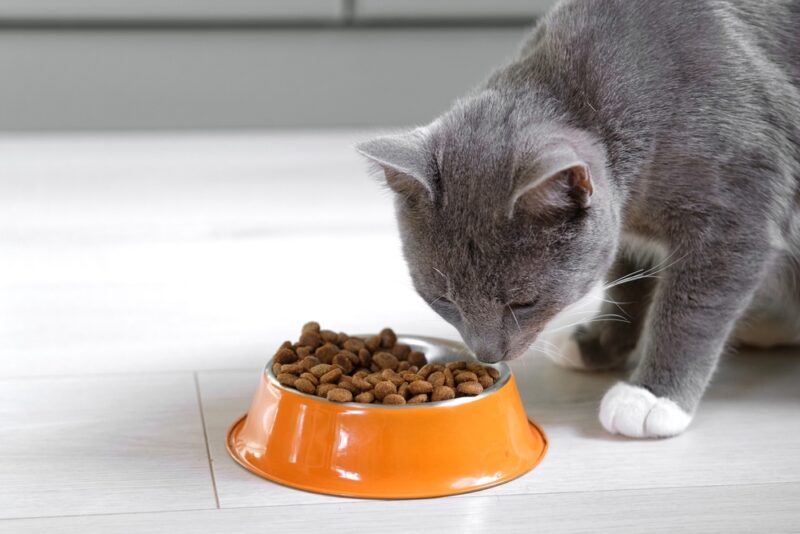
You will rarely need to add vitamin C to your cat’s diet through food or supplements, as healthy cats produce their own vitamin C. There are things to consider before attempting to supplement vitamin C for your cat, and your cat’s vet should always be consulted, especially if you intend to start your cat on a vitamin C supplement.
The ABCDs of vitamin C supplementation in cats stands for antioxidant, body requirement, calcium oxalate, and don’t assume. Here’s what you should know:
Antioxidant
Vitamin C is an antioxidant, which means it can help combat oxidation and damage to body cells. However, in large enough quantities, vitamin C can become a pro-oxidant, or the opposite of an antioxidant. This means that over-supplementation of vitamin C can lead to cell damage.
As with all things, the dose of vitamin C makes the poison, which means that an appropriate amount of vitamin C is safe and beneficial, but overdosing on vitamin C can have negative effects on your cat’s health.
Body Requirement
Cats very rarely require external supplementation of vitamin C because they are able to synthesize vitamin C within their own bodies. People require vitamin C from their diet, and in cases where foods containing vitamin C are not available, supplementation is necessary. For cats, this type of supplementation is unnecessary due to their own body’s supply of vitamin C.
Calcium Oxalate
Excess vitamin C is metabolized by the body and excreted via the urinary system. It is excreted in the form of oxalate, and excessive amounts of oxalate in the urinary system can create a buildup, leading to calcium oxalate stones. These stones can form in the bladder, kidneys, or anywhere along the urinary tract.
Calcium oxalate stones can be uncomfortable for your cat, as well as increase the risk of urinary blockages and infections. Urinary blockages can be extremely dangerous for male cats, who have a higher risk of urinary obstruction than female cats.
Don’t Assume
Don’t assume that your cat needs vitamin C supplementation, and don’t fall into the trap of assuming that because something is natural, it must be healthy for your cat. There are plenty of “natural” supplements and compounds that aren’t appropriate or safe for cats.
Always use proper judgment and the guidance of professionals before assuming that something will be healthy or safe for your cat.
Conclusion
Vitamin C supplementation is rarely needed for healthy cats. If it does become necessary, your veterinarian will advise you on how to safely provide additional vitamin C for your cat.
Sources
Featured Image Credit: Duet PandG, Shutterstock
Get Hepper In Your Inbox


Pet care tips from our vets and experts, straight to your inbox.
You may opt-out at any time. View our Privacy Policy for more information.
After nine years as a veterinary assistant, Brooke Billingsley transitioned to a career as a nurse in 2013. She lives in Arkansas with her boyfriend, sharing their home with three dogs, two cats, five fish, and two snails. A dedicated animal lover, Brooke has a special place in her heart for special needs pets, including a three-legged senior dog and a famous cat with acromegaly and cerebellar hypoplasia. Fish keeping is one of her hobbies, and she is constantly improving her knowledge to care for her aquarium pets. Brooke is an active yoga enthusiast, having obtained her 200-hour yoga teacher certification in 2020. She believes in the importance of continuous learning and dedicates time each day to developing new skills and expanding her knowledge.
Join the conversation
Ask a question, share your story, or send private feedback.