Hepper is reader-supported. When you buy via links on our site, we may earn an affiliate commission at no cost to you. Learn more.
Water Intoxication in Dogs: Causes, Symptoms & Treatment (Vet Answer)

In this article
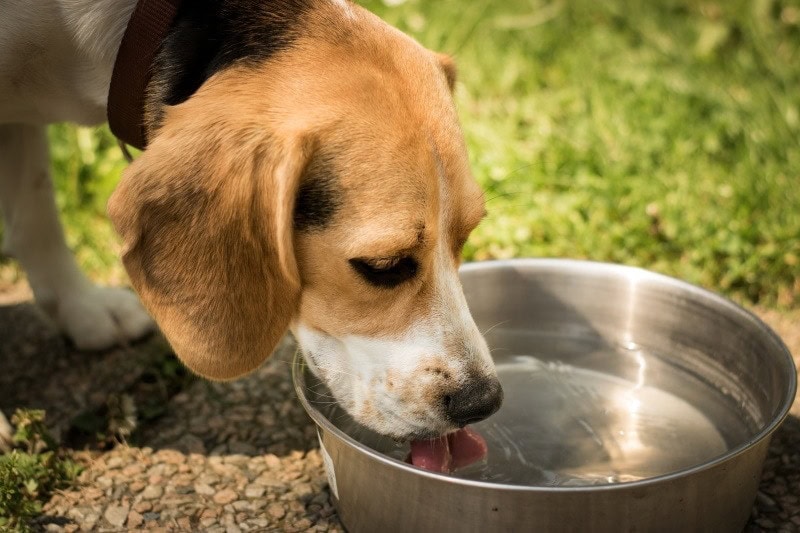
Water intoxication, also called water toxicosis, occurs when a dog drinks a large volume of water in a short amount of time and the sodium level in its blood becomes dangerously low. In this article, we will be discussing the overconsumption of freshwater (not saltwater).
Water intoxication is not common in dogs, but it can be very serious.1
If you suspect your dog may be experiencing water intoxication, please seek veterinary attention immediately!

What Causes Water Intoxication?
The symptoms of water intoxication are caused by hyponatremia, which simply means low sodium in the blood. Sodium is an electrolyte that serves many important functions in the body.
In normal healthy dogs, the kidneys are always working to keep electrolytes within very specific ranges of concentration in the blood:
- If sodium climbs above the normal range (hypernatremia), feedback from the kidneys triggers a feeling of thirst so the dog will drink water and “dilute” the sodium in their blood
- If sodium drops below the normal range (hyponatremia), the kidneys start producing large volumes of dilute urine to flush out extra fluid and “concentrate” the sodium in the blood
When a dog drinks a large amount of water very quickly, the kidneys are not able to remove the extra fluid fast enough to correct the hyponatremia (low sodium).
What Are the Symptoms of Water Intoxication?
The symptoms of water intoxication depend on how quickly the sodium level drops.
When sodium is too low, fluid is forced out of the blood into the surrounding cells, which causes them to swell. Many of the symptoms of hyponatremia result from increased pressure in the brain due to this swelling.
Here are some signs to watch for:
In severe cases, symptoms can progress to seizures, unconsciousness, and unfortunately death.
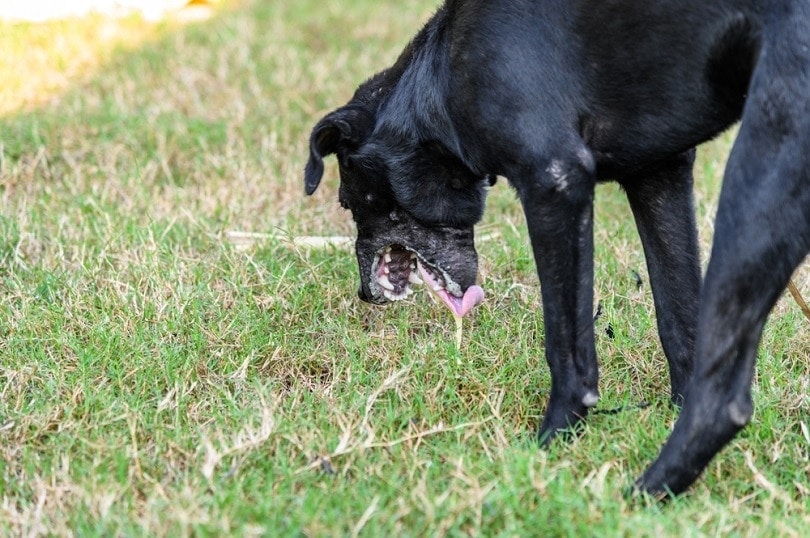
Challenges of Diagnosing Water Intoxication
Since water intoxication is rare, some veterinarians are not familiar with the condition and may never see a case in their practice. This may lead them to suspect other causes of the symptoms listed above (e.g., overexertion, head trauma).
One of the challenges in diagnosing water intoxication is that sodium starts increasing once the dog stops drinking water. By the time the dog arrives at a veterinary clinic and a blood test is performed, the sodium level may not be low enough to raise alarm.
If are concerned that your dog could have water intoxication, mention it to the attending veterinarian right away. Initiating the correct treatment in a timely manner is key to maximizing the chance of recovery.
How Is Water Intoxication Treated?
Dogs with water intoxication require urgent attention in a veterinary hospital.
Specific treatment depends on the dog’s clinical condition, but may include:
Treatment must be administered with caution and the dog must be monitored closely to ensure the sodium level doesn’t rise too high.
Can Dogs Recover from Water Intoxication?
The likelihood of a dog making a full recovery depends on how much cell damage happens before the sodium level starts returning to normal.
Dogs with mild symptoms who are treated promptly have a better chance for a full recovery. Unfortunately, the prognosis may be poor for dogs already showing signs of neurologic damage (e.g., seizures or loss of consciousness).
Which Dogs Are at Risk of Water Intoxication?
Water intoxication can happen to any dog, but owners of these types of dogs should be more vigilant:
- Breeds with highly-driven personalities (e.g., Border Collies, Jack Russell Terriers) who may want to swim or play fetch in the water excessively
- Dogs participating in water activities such as dock jumping
- Dogs with obsessive-compulsive disorder (OCD) who may repeatedly bite at waves, water from a hose, or a garden sprinkler

How Can I Prevent Water Intoxication in My Dog?
The first step in preventing water intoxication is to be aware that it can happen!
Here are some general tips:
A Note About Saltwater Toxicity
Dogs who consume a large amount of saltwater are at risk of the opposite problem, hypernatremia (when sodium levels become dangerously high). The signs and treatment may be different, but the same principles of prevention apply.
Keeping a close eye on your dog around all types of water will help make sure they have fun and stay safe!
Featured Image Credit: 584652, Pixabay
Get Hepper In Your Inbox


Pet care tips from our vets and experts, straight to your inbox.
You may opt-out at any time. View our Privacy Policy for more information.
Dr. Sharon (as she is known by her clients) has had an intense love for animals for as long as she can remember. She grew up in Guelph, Ontario and fulfilled her childhood dream by obtaining her Doctor of Veterinary Medicine (DVM) degree from the Ontario Veterinary College in 2009. She has since found joy working in a variety of small animal clinics, focusing on cat and dog care. She loves sharing her expertise and empowering pet owners to take the best possible care of their fur babies!
Sharon currently lives in beautiful British Columbia with her husband, daughter, and Parker, her loveable Great Dane. When she’s not at work, she enjoys clogging, photography, and exploring the outdoors with her family.
Dr. Sharon (as her clients call her), was raised in Guelph, Ontario, and has loved animals for as long as she can remember. She fulfilled her childhood dream when she obtained her Doctor of Veterinary Medicine (DVM) degree. Sharon now lives in British Columbia, Canada with her husband, daughter, and Parker, their loveable Great Dane. When she’s not working, she enjoys clogging, photography, hiking, and camping with her family.
Education
Dr. Sharon obtained her DVM in 2009 from the Ontario Veterinary College in Ontario, Canada.
Experience
Dr. Sharon loves sharing her knowledge and empowering people to take the best possible care of their fur babies, which she has been able to do through her work. She has practiced in a variety of small animal clinics since graduating, with a main focus on cats and dogs.
Check out some of our top posts written by our veterinary team:
Why Does My Dog Snore? Should I Act?
My Cat Ate Paint! Our Vet Explains What to Do Now
How Common is Heartworm in Cats? 7 Things to Know About Heartworm Disease
Join the conversation
Ask a question, share your story, or send private feedback.