Hepper is reader-supported. When you buy via links on our site, we may earn an affiliate commission at no cost to you. Learn more.
6 Types of Toxicosis in Dogs & What You Can Do to Help (Vet Answer)

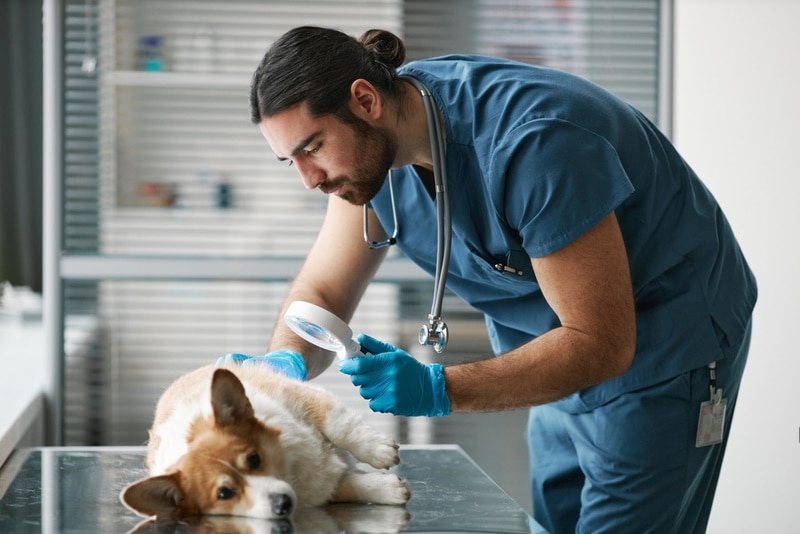
Call it what you will, toxicosis, intoxication,, or poisoning, these are all words used to represent any disease or illness that is caused by a toxic agent (man-made or natural). In other words, it is what occurs when dogs ingest, inhale, or absorb toxins from plants, animals, microbes, or man-made toxicants (chemicals).
Any substance can have toxic effects if you administer it incorrectly or in inappropriate doses.
In dogs, toxicosis very often causes nausea, drooling (hypersalivation), diarrhea, and vomiting. In severe cases, depending on the ingested toxin, dogs can suffer from kidney failure, liver failure, and/or neurological signs.
The most common toxicosis in dogs are:
The most prone to poisoning are young dogs (they chew and eat almost anything) and those who live near farms, workshops, or warehouses.

The 6 Types of Toxicosis in Dogs
1. Human Medications
Some medicines for human use are also suitable for pets, and vets can prescribe them if there is no suitable alternative made specifically for animals or the condition being treated. However, there are cases when dog owners believe that if a medicine is good for them, it will be safe for their dogs too, and go ahead and give it to their dog. Other times your dog may have come across the medication themselves and eat it, or sometimes the entire packet.

An example of a human medication that is toxic to dogs is Ibuprofen.
Ibuprofen
Signs of ibuprofen poisoning in dogs include:
If your dog has consumed ibuprofen, contact your veterinarian immediately. The severity of the signs depends on how much ibuprofen your dog has ingested, the age and weight of your dog and time frame over which this happened. Do not induce vomiting in your dog unless your veterinarian tells you otherwise.
Therapy usually consists of supportive treatment such as intravenous fluids and hospitalization.
Acetaminophen (Paracetamol)
This is an example of a medication that is sometimes used in dogs at your veterinarian’s discretion but overdose can be fatal. Only ever use acetaminophen under direction and supervision from your vet.
Signs of acetaminophen poisoning in dogs include:
Do not leave acetaminophen within your dog's reach, this drug can affect your dog’s liver severely and at higher doses cause fatalities.
As with ibuprofen, contact your veterinarian immediately if your dog has ingested acetaminophen. Do not try to induce vomiting yourself unless your vet tells you otherwise.
2. Foods
Many times, we are tempted to share the food we eat with our pets. But you need to remember that not all foods we consume are safe for dogs. Among the most common human foods that can be toxic to dogs are:

- Chocolate
- Grapes and raisins
- Garlic
- Onion, chives, leek
- Avocado
- Macadamia nuts
- Alcohol
- Coffee
Chocolate
Chocolate toxicity is a common problem in dogs and often happens when they accidentally ingest it. It is sweet, so dogs may be drawn to it.
The level of toxicity of chocolate depends on the type of chocolate (dark chocolate has a higher toxicity), how much your dog has consumed, and the weight of your pet.
Chocolate is toxic to dogs because it contains theobromine (an alkaloid) and small amounts of caffeine. Unlike humans, dogs process theobromine and caffeine more slowly. For this reason, the toxic compounds found in chocolate have time to build up in their systems and cause clinical signs associated with chocolate toxicity.
Signs of chocolate poisoning include:
If you suspect your dog has consumed chocolate, contact the vet immediately. Do not wait for the signs of illness to occur. The sooner the poisoning is treated, the more likely your dog will make a good recovery.
Garlic, Onion, Chives, and Leek
These ingredients are often used in our delicious meals, but they are toxic to dogs. Fresh, cooked or powdered, onions, chives, leek, and garlic contain toxins that destroy red blood cells and can lead to anemia.

These poisonings are very rarely fatal in dogs but can lead to severe clinical signs such as:
If your dog ingested onions, chives, leek, or garlic, contact your vet immediately.
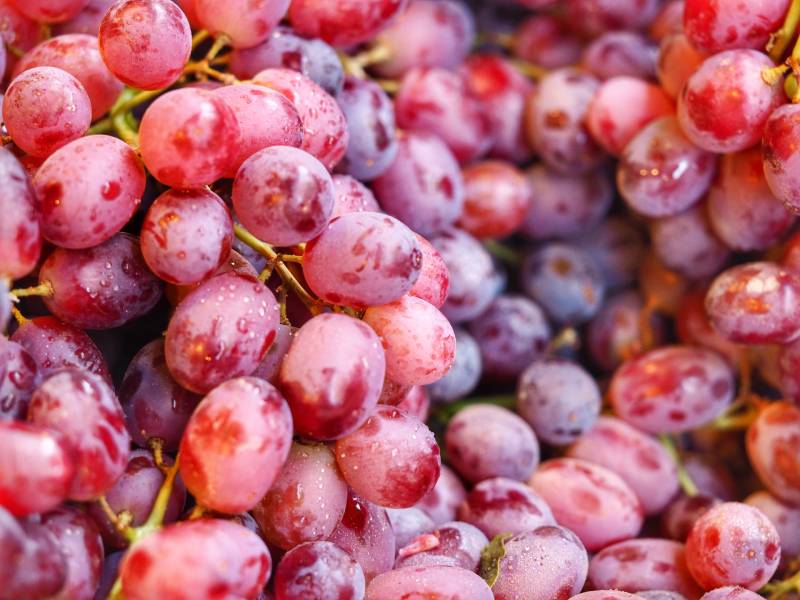
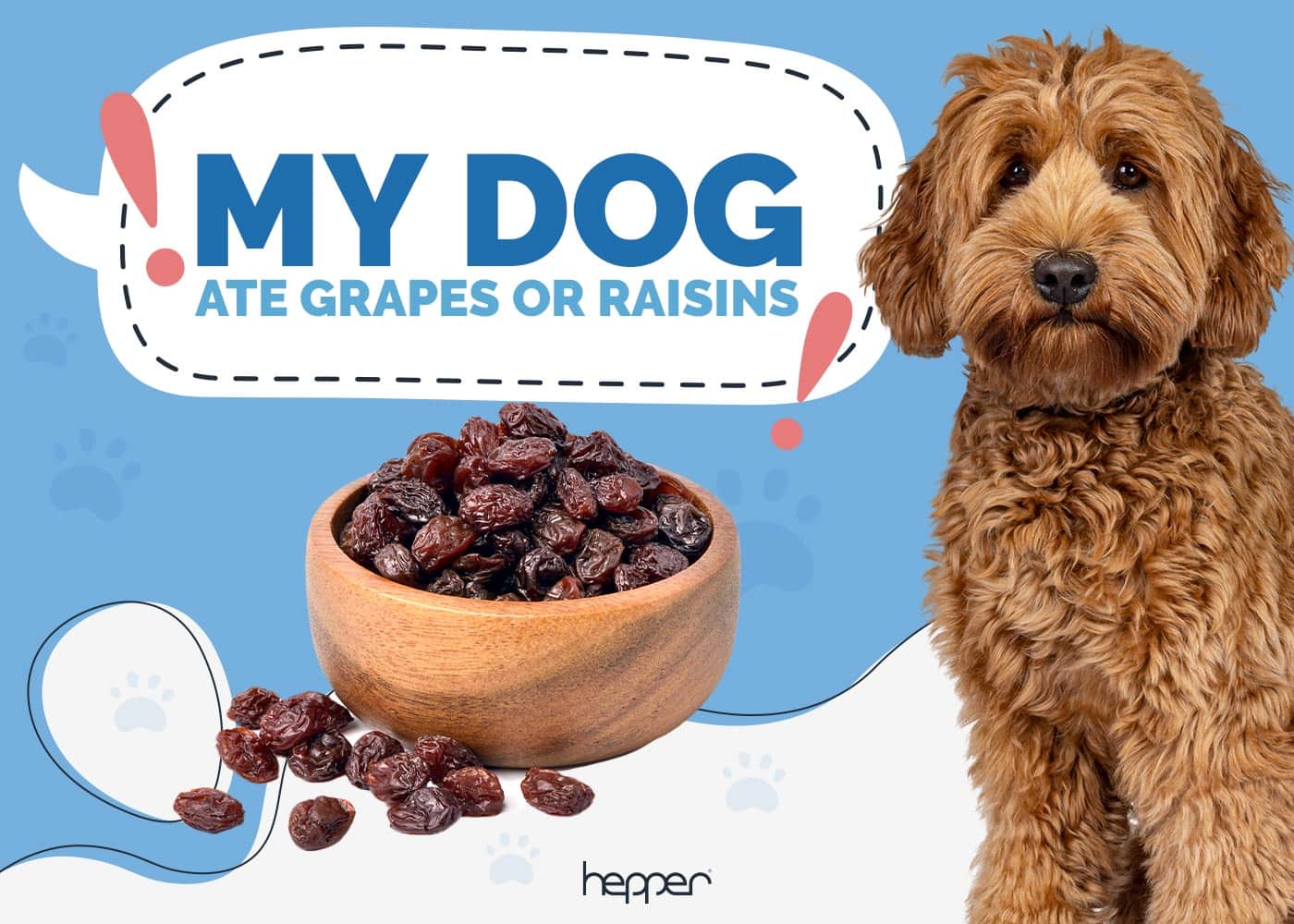
Grapes and Raisins
The mechanism of action of grapes or raisins as a toxin is not fully known, but nevertheless, their ingestion can lead to kidney failure and death. Some dogs are more sensitive to grape toxicity but why is not known, and there is no way currently to predict which dogs will be in trouble and develop life-threatening kidney problems. Signs within 24 hours of ingestion can include:
- Vomiting
- Lethargy
- Lack of appetite
- Diarrhea
24-48 hours after ingestion, signs of kidney failure can begin to be seen:
As the kidney damage progresses, they will stop working, and your dog will no longer be able to produce urine. Unfortunately, at this stage, the prognosis is very poor and treatment may not be enough to save your dog. Therefore, it is best to contact the vet as soon as you see or suspect that your dog has eaten grapes, raisins, currants or any product containing these such as fruit cake.
Avocado
Avocado is not a suitable food for your dog because it contains persin - a fungicidal toxin. This toxin is found in the leaves, skin, and pits. Even a small amount of this toxin can cause signs, such as vomiting and diarrhea. In addition to this risk the avocado pit presents a choking and intestine obstruction risk. Keep avocados away from your dog.

Macadamia Nuts
Macadamia nuts are extremely toxic to dogs. It is not known what makes these nuts toxic. Like raisins and grapes, individual sensitivity to macadamia nuts can vary, as can the number of nuts needed to cause a toxic reaction.
Signs of macadamia nut poisoning include:
Clinical signs usually occur within 12 hours of ingestion. If you have noticed or suspect your dog has consumed macadamia nuts, contact your veterinarian immediately. The prognosis is generally favorable with treatment, but without veterinary attention, when high levels are ingested, there is the potential for fatal poisoning.
Alcohol
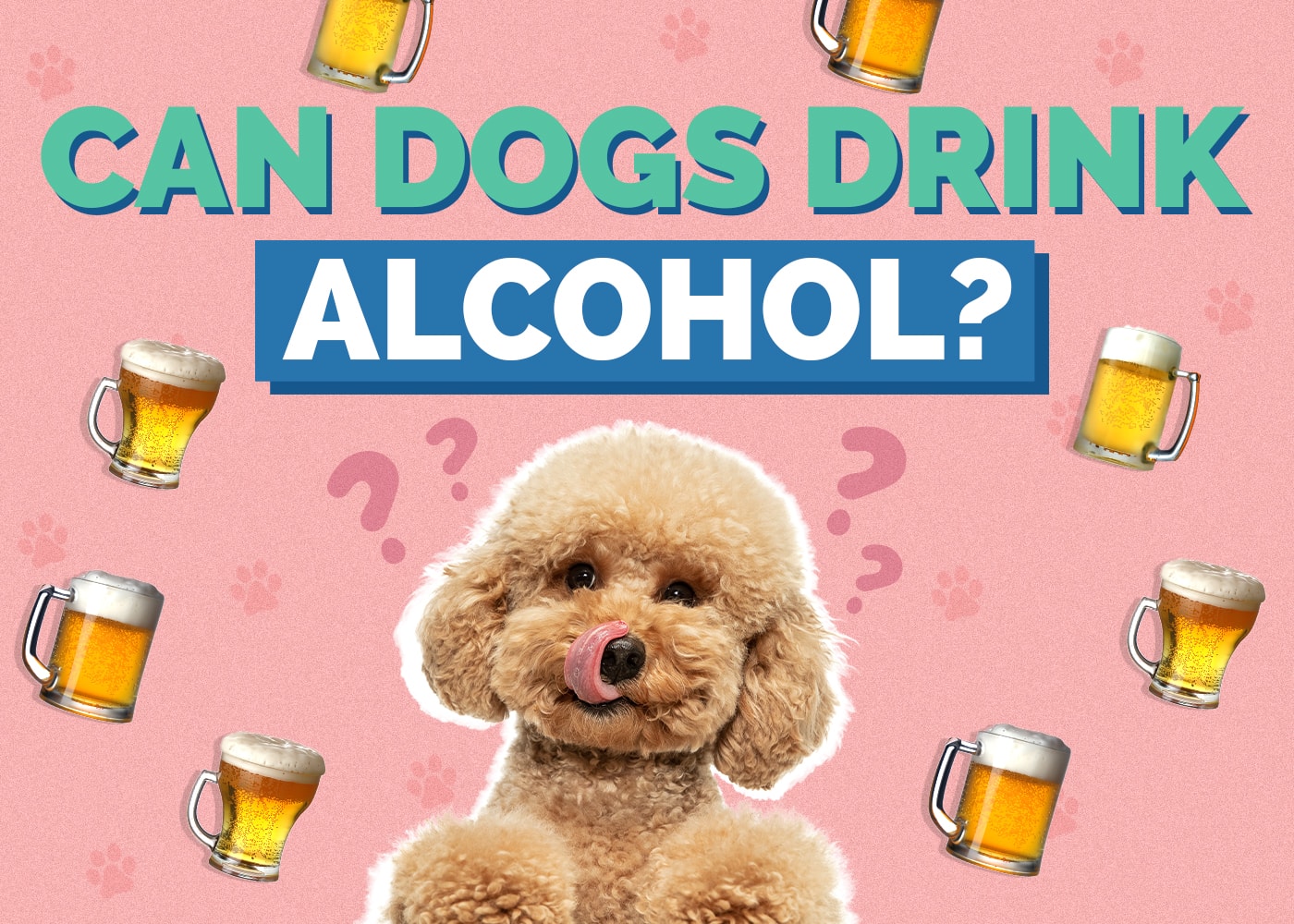
Even small amounts of alcohol can be toxic to dogs. This can be alcohol found in alcoholic drinks or even medications. Signs of alcohol poisoning in dogs may include:
- Vomiting
- Disorientation
- Restlessness
- Sleepiness
- Excessive panting
- Muscle tremors and convulsions
In severe cases, or if left untreated, alcohol poisoning can cause severe organ problems and death. So, don't put your dog's life in danger just for a few minutes of fun, and take your pet to the vet immediately if they have consumed alcohol. Remember that raw yeast dough can also cause ethanol poisoning in dogs if ingested.
Xylitol
Xylitol is a sweetener that is added to many products (baking, sweets and medication) to replace sugar. It is not toxic to humans, but it is to dogs. Therefore, be very careful when you want to give medicine or sweets to your dog – always read the label. The toxic dose of xylitol for dogs is 75-100 mg/kg (for example, chewing gum has approximately 1g of xylitol per piece or enough to cause toxicity in a 10 lb dog).

Signs associated with xylitol toxicity:
Take your dog to the vet if they have consumed products containing xylitol straight away. Don’t wait until signs begin to show. Peak effect of the xylitol can take a few days and so continued monitoring and veterinary care is needed.
3. Antifreeze
Antifreeze contains ethylene glycol, a poisonous substance for dogs. In the old days, antifreeze had a sweet taste, and because of this, many children and pets were poisoned. Nowadays, some brands of antifreeze have certain substances added that make it bitter tasting to reduce the risk of accidental poisoning.
Even in small amounts, antifreeze can be toxic to the kidneys, liver, and brain.

Signs can be severe and include:
It is very important to contact a veterinarian as soon as you notice that your dog has consumed antifreeze. The chances of survival increase if the vet is able to administer the antidote and treatment less than five hours after ingestion. Unfortunately as signs of illness occur more than five hours after ingestion it is common for owners not to seek help in this time frame. Take care to clean up any spills of antifreeze and keep it out of reach of pets and children at all times.
4. Rat Poison
Dogs can accidentally ingest rat poison, especially when it is mixed with food to tempt the rats. Rat poison can cause death not only in rats but also in dogs or other animals that consume it. Most rodenticides contain anticoagulant substances that have the role of causing internal bleeding. Signs of rat bait poisoning in dogs include pale gums, bruising and lack of energy. Internal bleeding does not typically produce any other readily visible external signs. Rodenticide poisoning is a medical emergency, and your dog must be taken to the vet as soon as possible.
5. Insecticide
Insecticides include a broad range of products designed to kill insects and arthropods (cockroaches, flies, ants, spiders, fleas, ticks, etc.). However, the most common poisonings in pets are caused by antiparasitic products (that are administered improperly or the dose is not suitable for the dog's weight).

In general, insecticide poisoning in dogs can lead to the occurrence of the following clinical signs:
If you notice these clinical signs or suspect your dog has ingested or come in contact with insecticides, contact your emergency vet. Depending on the substance, the vet will determine your dog’s treatment.
6. Houseplants
Most of us love plants, but a lot of the plants we love and grow can be toxic for our pets. The most common toxic houseplants for dogs are:
- Sago Palm
- Aloe
- Strelitzia (Bird of Paradise)
- Begonia
- Lily
- Tulip
- Hyacinth
- Ivy
- Oleander
- Chrysanthemum
If your dog ingests toxic plants, they may present with hypersalivation, vomiting, and diarrhea, in most cases. In rare cases, plants toxic to dogs can cause death.

Conclusion
Many substances, ingredients, foods, medications, or plants can be toxic for dogs. For this reason, it is recommended to keep them out of your pet’s reach. Contact your vet whenever you think your dog ate something that they shouldn’t have or when you are unsure if something is safe for your pet. Read the labels to avoid xylitol poisoning, and don’t give your dog human medications unless your vet advises you to do so. Keep toxic plants out of their reach and take your dog to the vet immediately if you suspect they have ingested a toxic substance. Don’t wait for the signs to occur, as your dog’s life may depend on how fast you act.
Sources
https://vcahospitals.com/know-your-pet/onion-garlic-chive-and-leek-toxicity-in-dogs
https://vcahospitals.com/know-your-pet/ibuprofen-poisoning-in-dogs
https://veterinarypartner.vin.com/default.aspx?pid=19239&id=4952115
https://vcahospitals.com/know-your-pet/grape-raisin-and-currant-poisoning-in-dogs
https://www.aspca.org/news/animal-poison-control-alert-macadamia-nuts-are-toxic-dogs
https://www.msdvetmanual.com/toxicology/food-hazards/xylitol-toxicosis-in-dogs
https://vcahospitals.com/know-your-pet/rodenticide-warfarin-poisoning-in-dogs
https://www.msdvetmanual.com/special-pet-topics/poisoning/insecticide-poisoning
https://www.akc.org/expert-advice/home-living/protect-your-pooch-from-poisonous-plants/
Featured Image Credit: SeventyFour, Shutterstock
Get Hepper In Your Inbox


Pet care tips from our vets and experts, straight to your inbox.
You may opt-out at any time. View our Privacy Policy for more information.
Iulia Mihai is a veterinarian with more than 13 years of experience in pet pathology, laboratory, and cancer. She studied at the University of Agronomical Sciences and Veterinary Medicine of Bucharest, Romania Iulia earned a master’s degree in equine and pet pathology and studied epithelial cancer for her Ph.D. Dr. Mihai's passions for internal medicine and parasitology inspired her to volunteer at the faculty’s clinic in her third year of college. She has worked in a couple of veterinary clinics over the years as an internal medicine specialist, and loves to write and educate pet parents about pet nutrition, behavior, and diseases.
Iulia is a passionate veterinarian with a strong affinity for veterinary parasitology, internal medicine, and laboratory. She is excited to share her experience and knowledge with pet owners around the world through her writing and hopes to educate people on pet nutrition, diseases, and behavior.
Education
Iulia graduated from the University of Agronomical Sciences and Veterinary Medicine, Bucharest, Romania, in 2012 and has a Master’s degree in Small Animals and Equines Pathology and is certified in HAACP food safety system implementation. Iulia started her Ph.D. in epithelial cancer in dogs and cats in 2013. Her research is published in national and international veterinary journals.
Experience
Dr. Iulia has been a veterinarian for more than 14 years. She is experienced in animal pathology and laboratory and has experience with exotic animals, such as pet rats and ferrets. She also has skills in the field of clinical pathology, laboratory, microscopy, cancer, and imaging.
Join the conversation
Ask a question, share your story, or send private feedback.