Hepper is reader-supported. When you buy via links on our site, we may earn an affiliate commission at no cost to you. Learn more.
What Happens If You Neuter a Cat Too Early? 3 Problems Caused


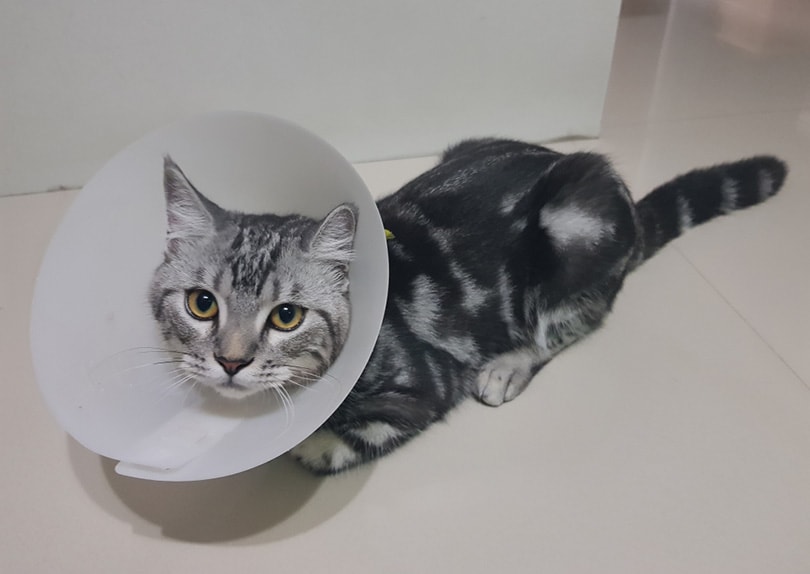
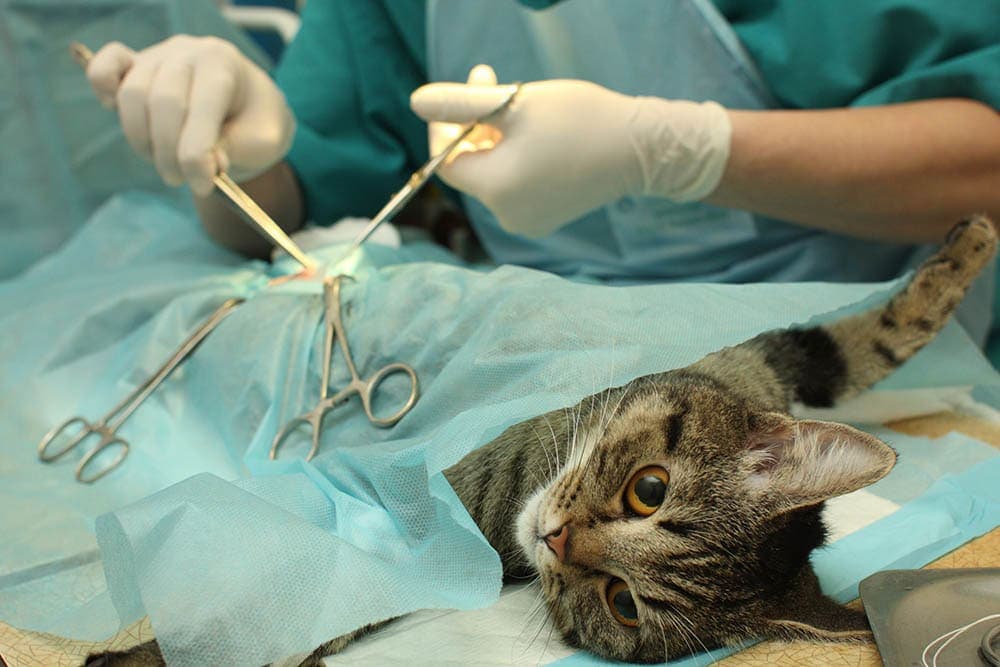
There are several myths and rumors surrounding getting your cat neutered, and even more regarding neutering them early. So, what exactly does it mean when a cat is neutered early? Generally, cats are neutered when they have reached sexual maturity at around 5 to 6 months old. However, early neutering has become more common, especially in managing stray cat populations and reducing the risk of unwanted litters, so some felines are fixed when they’re 6 to 8 weeks old.
In the 1900s, neutering a cat early was a general practice. While there is not much scientific information about the most appropriate age to neuter your cat, some known problems can occur if a cat is neutered too early.

The 3 Problems Caused by Neutering a Cat too Early
1. Weight Gain
A cat’s metabolic rate decreases, and calorie needs fall after being neutered; neutered males also get less exercise because they aren’t out roaming, looking for a female. A lower metabolic rate and less exercise can result in weight gain, especially if more food is available as the cat is spending more time inside the home.
However, it is arguable that this results from any neutered cat. A younger cat is better positioned to adapt to a strict diet and light exercise. So, don't see it as inevitable that your cat will be obese. Instead, plan how to keep him moving and discuss with your vet the best diet to put him on to keep him at a healthy, manageable weight.
Many neutered cats have a maintenance calorie requirement 25% lower than what they had prior to neutering, so they will often start to gain weight and accumulate body fat within two weeks of the procedure. Research has also identified the role estrogen has on the level of activity and amount of consumed food. Estrogen concentrations are decreased after neutering in both male and female cats. In rats, studies have shown that reduced estrogen concentrations after neutering have been associated with decreased activity.
Several risk factors for obesity in cats have been identified. These include inactivity, indoor living, constant availability of food, diets with high palatability and high-fat diets, excess food, and feeding treats. It is important that you understand what a normal weight and body condition are for your cat, and this is best discussed with your vet during routine appointments. There is a standardized chart2 you can use to easily assess your cat’s body condition score (BCS for short) and we recommend you try to “score” your cat.
Obesity is linked to many medical conditions in cats, including diabetes, osteoarthritis, “fatty liver disease,” non-allergic skin disease, and obstructive urethral disease in male cats, so it is very important that your cat has an ideal body condition score.
2. A Delay in Growth Plate Closure
There is a possibility that a neutered cat, especially a neutered male, could suffer from spontaneous bone fractures since neutering leads to a delay in the growth plates closing, especially in the long bones in the hind legs (femur and tibia). The result is that long bone growth could be delayed, leading to a spontaneous fracture without the presence of trauma.
These cats could suffer from chronic or acute lameness. However, cats that suffered from this were also overweight, which should be taken into consideration.
If your cat suffers from a fracture, they will:
On the other hand, intact cats are likely to be roaming outside the home more often, which increases their risk of traumatic injuries and bone fractures typically caused by road traffic accidents or fighting with other cats. These can lead to wounds, abscesses, and transmission of diseases, such as Feline leukemia (FeLV) and feline immunodeficiency (FIV).
3. Kittens Can Be Too Small
Surgery can be complicated if the kitten is too small, so generally, they must be at least 3 pounds, so the tissues are easier to manipulate. However, veterinarians will not neuter an underweight or unwell cat.
People Also Ask
What Age Is the Best for Neutering Your Cat?
There isn’t necessarily a perfect answer to this question because it will depend on the behavior of your cat (such as spraying), lifestyle (indoor vs outdoor) and risk of unwanted litter, presence of other cats in the household, and health and size of your kitten. PetMD, for example, notes that kittens between eight weeks to six months have “fewer postoperative complications due to the size and development of the reproductive organs.” Younger cats are known to bounce back from surgery faster and will not display certain undesirable behaviors which are brought on by hormones, like:
Traditionally, male and female cats have often been neutered at six months of age, but some professionals believe four months is the sweet spot for neutering because the cat isn’t too young and you are catching them before they become sexually mature, thus ruling out the risk of unwanted mating and disease transmission. But this is something best discussed with your vet.
Is the Surgery Dangerous?
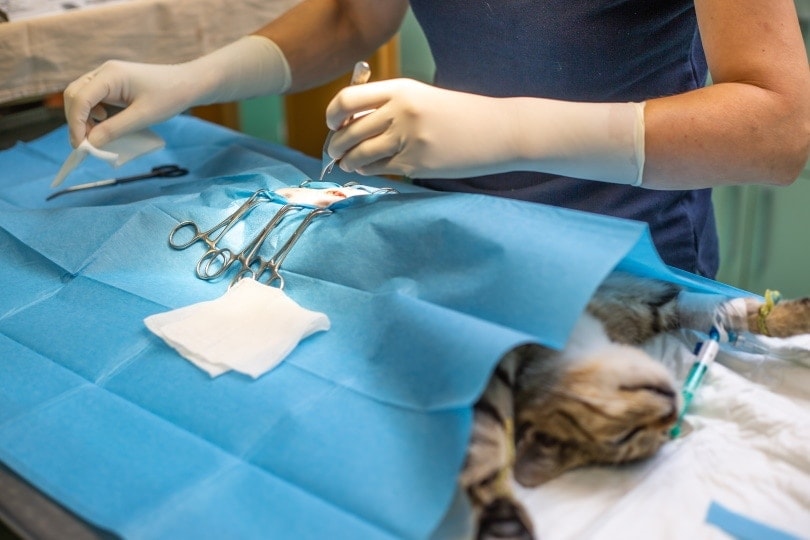
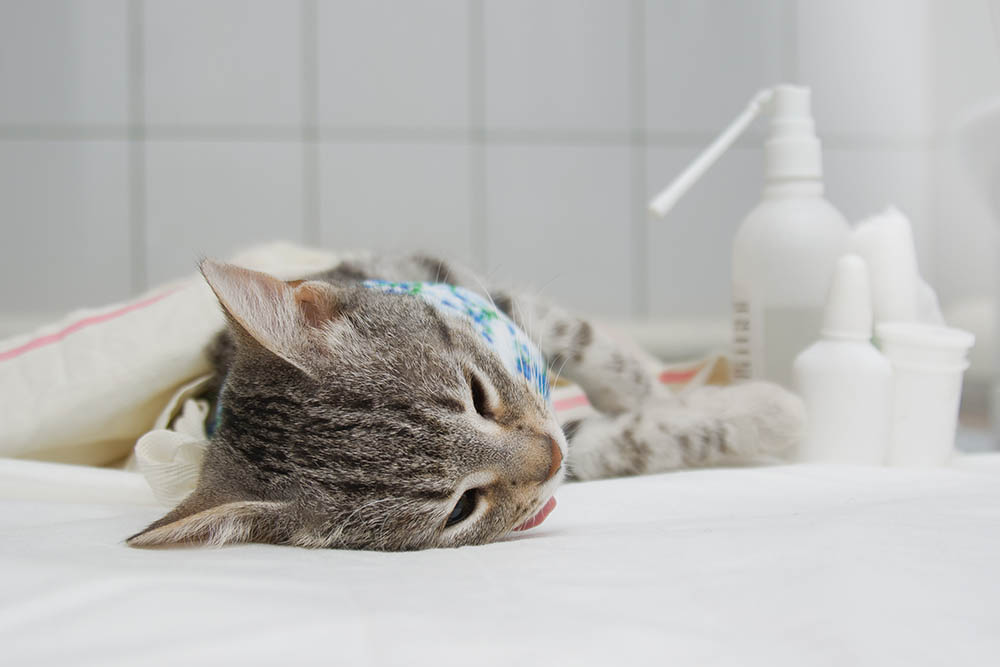
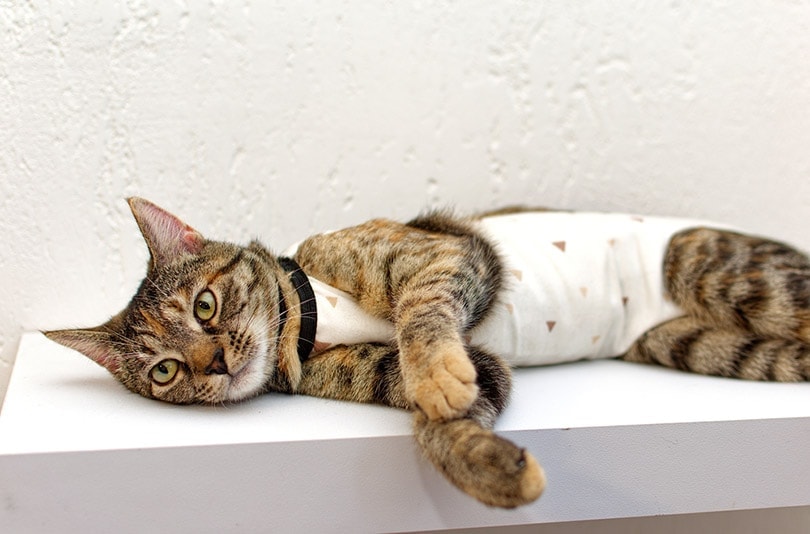
Cats must be anesthetized for this surgery, and there is always a risk, which can worry pet parents. However, be assured that the anesthetic protocols are adjusted to your particular pet and their health in order to minimize the risk. The reactions your cat might experience can be pretty mild, from some swelling at the injection site, changes in heart rate and rhythm, and anaphylactic reaction, to the most severe: death. But it’s estimated that driving to the appointment is more dangerous since only 1 in 100,000 animals can react to the anesthetic. Any sort of reaction is alarming, but the overall risk is incredibly low and your vet can discuss it with you during your surgery planning appointment.
Does Neutering Early Result in Urinary Tract Disease?
There were studies that suggested a link between neutering your cat early and them developing a narrowed urethra, which could then make them more prone to urinary issues and urethral obstruction. However, a study performed on male cats between 2019-2021 in Brazil showed that this isn’t true and that neutering is not associated with early-onset urethral obstruction in cats. One of the most important findings of this study was that intact cats showed signs of urethral obstruction significantly earlier than neutered cats, independent of the age at neutering. This was unexpected, as much of the previously published literature reports neutering as a risk factor for feline lower urinary tract disorders (FLUTD), including obstructive disease. None of the intact cats were overweight; however, 45.8% and 58.3% of pre- and post-pubertal neutered cats were overweight, and as we discussed earlier, weight plays a significant role in keeping your kitten healthy.
Conclusion
While in the past it was believed that early neutering of cats led to health issues like urinary tract problems, obesity and increased risk of anesthesia, current research has questioned and discarded many of those theories, identifying other risk factors not connected to actual neutering. With continuous medical advancements on our side, we conclude that the benefits of neutering a cat far exceed its risks. Your vet is there to examine your kitten and help you make this decision based on all the factors we mentioned, including your kitten’s health status. What is right for your little one may not be appropriate for another cat.
Your vet will also discuss all the risks associated with the procedure so you can make an informed decision and receive some peace of mind that your kitten is in good hands.
Sources
Featured Image Credit: Koiee, Shutterstock
Get Hepper In Your Inbox


Pet care tips from our vets and experts, straight to your inbox.
You may opt-out at any time. View our Privacy Policy for more information.
Kerry-Ann lives in Scotland and wishes her garden was bigger so she could have her very own Highland cow. But her dogs probably wouldn’t like that very much. She has a La Chon called Harry who was poorly with a liver shunt when he was a puppy. It wasn't likely he would make it into adulthood, which was difficult, but he beat the odds and is a healthy old man now. She also has a Pug called Maddie who is a big foodie. She’s small, sassy, and every day she finds a new way to mess with her brother.
When she isn’t writing you can find Kerry-Ann going for long walks when the weather isn't bad, reading, or watching cartoons when she should be tidying her house. She would one day like to be a tourist in her own country and travel through the Highlands with her family.
Join the conversation
Ask a question, share your story, or send private feedback.