Hepper is reader-supported. When you buy via links on our site, we may earn an affiliate commission at no cost to you. Learn more.
How Long Will It Take to Neuter a Cat? Vet-Approved Facts & Tips


In this article
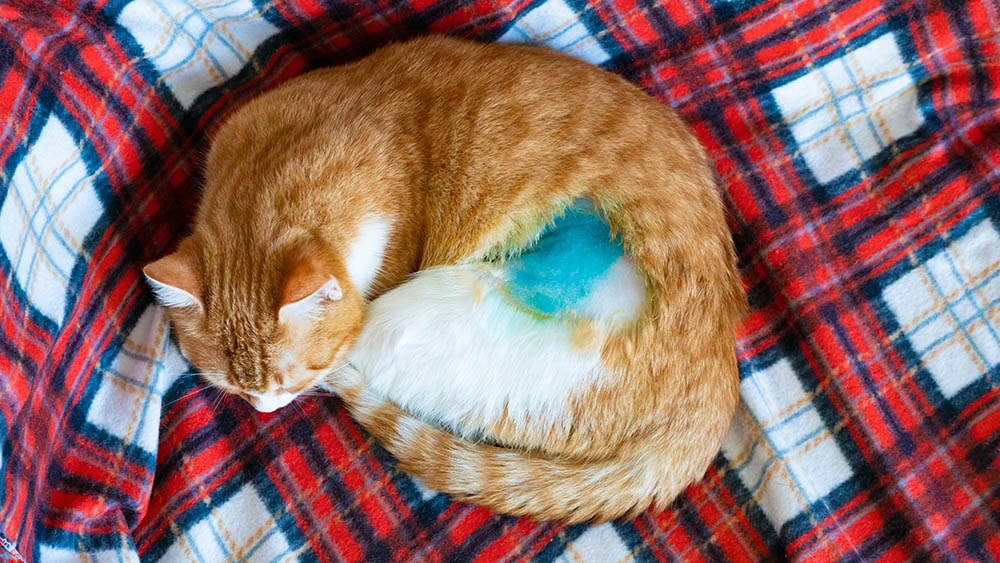
Having your cat neutered has lifelong benefits, such as making them calmer, stopping them from making home smell like pee, and reducing the risk of cancer and other diseases.1 The procedure itself is lightning quick—it can take as little as two minutes to neuter a cat.2
Still, that's the easy part. There are also all the tests, prep work, and post-op care required to ensure a safe and speedy recovery. We'll go through everything you need to know about having your cat neutered from start to finish, so you can be as prepared as possible.

The 5 Undeniable Benefits of Neutering Your Cat
Before we get into the nitty-gritty of the procedure, let's go over some of the reasons why neutering your cat is one of the best things you can do for their health and wellbeing.
1. Neutering Reduces Spraying and Urine Marking

One of the most common reasons why people have their cats neutered is to stop them from urine spraying and marking around the house.
While both male and female cats can spray urine as a way of marking their territory, it's much more common in intact (not neutered) males. That's because the main culprit behind urine spraying is testosterone, which is present at high levels in unneutered male cats.
Not only can this behavior turn your home into a minefield of cat urine, but it can also be a very tough habit to break. Neutering your cat is the best way to stop them from spraying because it reduces their testosterone levels, which in turn reduces their desire to spray.
2. Neutering Reduces the Risk of Roaming and Accidents
Intact male cats also have a strong instinct to roam their territory, which can put them at risk of getting into fights with other cats, being hit by cars, or becoming lost.
Just like spraying, this behavior is driven by testosterone, which in turn is reduced by neutering. So, if you're worried about your cat roaming and getting into danger, having them neutered is a good way to help keep them safe.
3. Neutering Reduces the Risk of Certain Cancers
Aside from curbing some of the less desirable behaviors associated with intact cats, neutering also offers some important health benefits.
For instance, neutering male cats reduces their risk of developing testicular cancer, which is one of the most common cancers in young male cats.
It also decreases their risk of prostate problems later in life. Prostate disease is relatively common in older intact male cats and can cause a host of problems, including urinary blockages that can be life-threatening.
4. Neutering Reduces the Number of Unwanted Kittens
An intact male cat is unable to control his urge to mate, which means he will probably end up impregnating many female cats he comes into contact with. This is especially true if your cat constantly roams outside your home.
Each day, thousands of unwanted pets are born as a result of unplanned matings. In addition to putting a strain on local shelters and rescue groups, it also contributes to the euthanasia of millions of healthy, adoptable animals each year.
Have you got an intact female at home? It won't be long before your unneutered cat starts knocking on her door! In fact, a female cat can become pregnant as early as 5 months of age and can have multiple litters each year.
So, if you're not planning on breeding your cat, the best thing you can do is have them spayed to prevent unwanted pregnancies both inside and outside your home.
5. Neutering Is Good for a Cat's Mental & Emotional Health
You might not realize it, but intact cats can experience a lot of stress due to all the hormones surging through their bodies. This can lead to a host of behavioral problems, including aggression, anxiety, and even depression.
The simple act of neutering can have a profound and positive effect on your cat's mental and emotional health. In fact, many behavior problems can be resolved simply by having your cat neutered.
If you're struggling with a problem cat, ask your veterinarian if neutering might be the answer. It could very well be the key to a happier, healthier life for both you and your cat.

Neutering Your Cat: What to Expect
The neutering process is fairly simple and straightforward, but there are a few things you should know before you take your cat in for the procedure.
Pre-Op
Most veterinarians recommend that cats be spayed or neutered at 4–6 months of age. Before surgery, your veterinarian will perform a physical examination and some routine blood tests to make sure your cat is healthy enough for anesthesia and surgery.
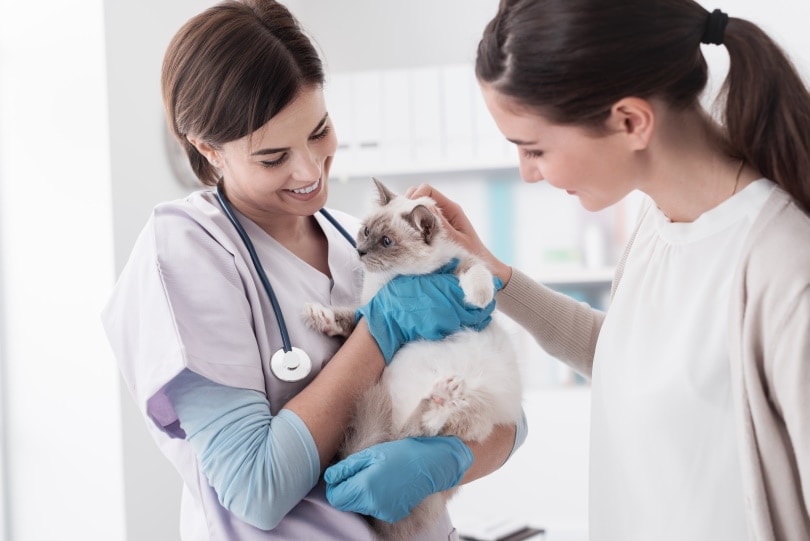
They may also recommend that your cat be vaccinated at the same time to save you an extra trip to the vet's office.
The Day of Surgery
On the day of surgery, you'll need to drop your cat off at the veterinary clinic or hospital. It is typically an outpatient procedure, so you'll be able to pick them up the same day.
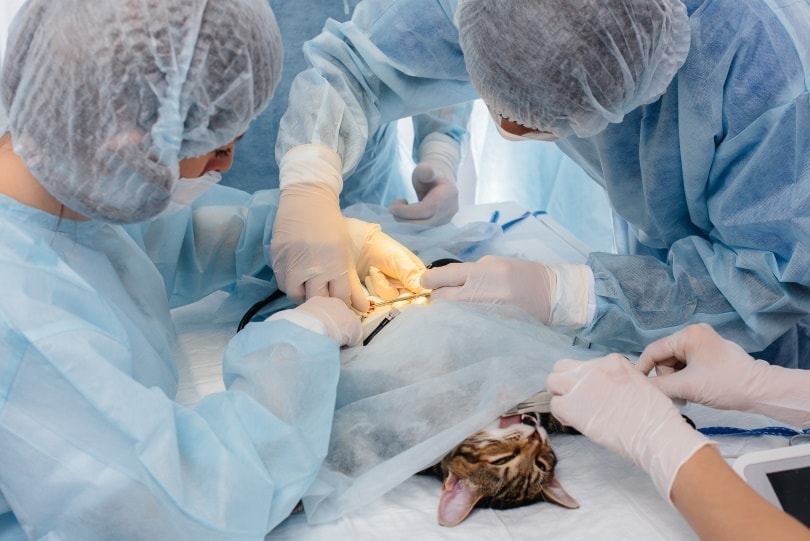
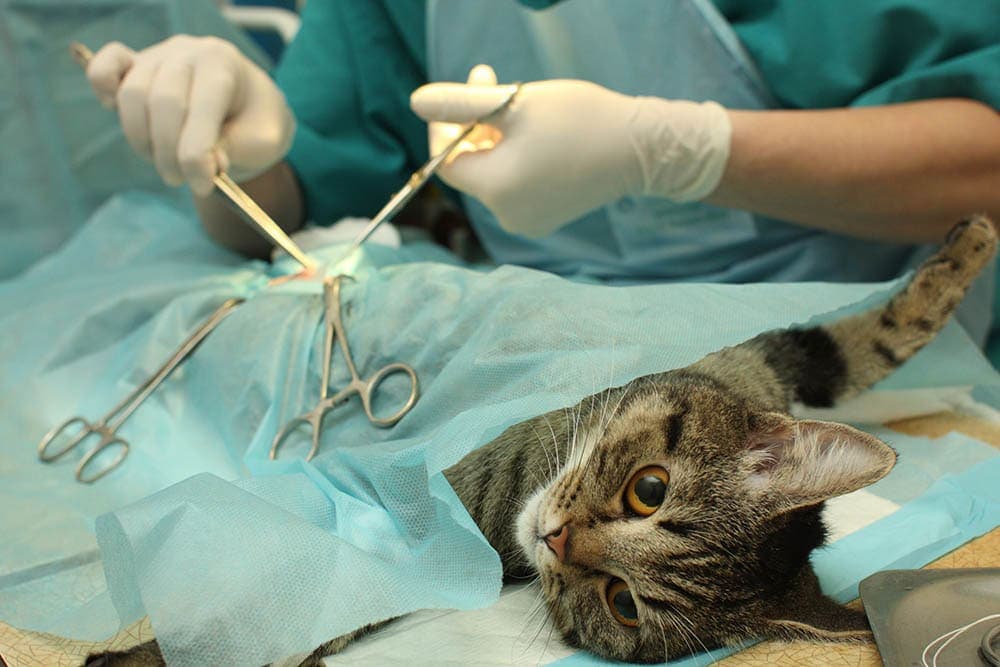
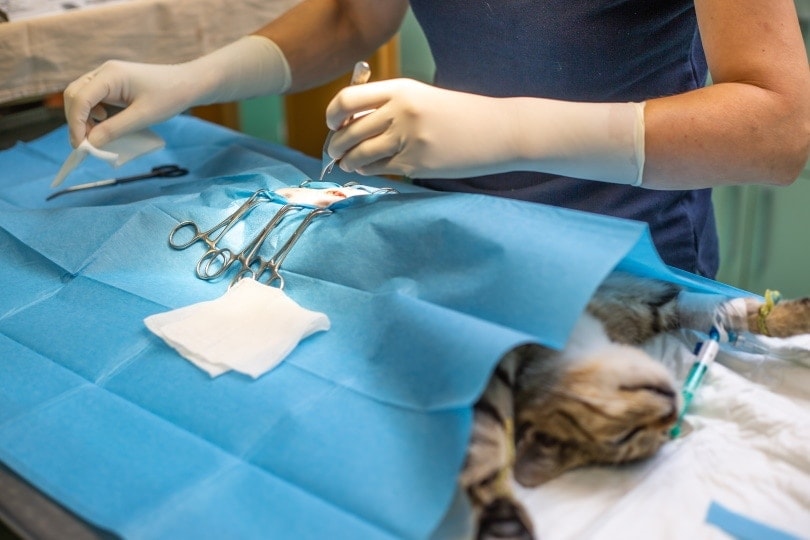
Your cat will be given pre-operative pain medication before the surgery begins and will be maintained on general anesthesia. This will keep them completely unconscious, pain-free, and relaxed throughout the procedure.
Once they're asleep, the veterinarian will make a small incision in their scrotum and remove the testicles. The incision is usually closed with dissolvable stitches or skin glue, so there's no need to remove them later.
The entire procedure (including the prep) takes less than 30 minutes, and your cat will be awake and alert by the time you pick them up.
Post-Op
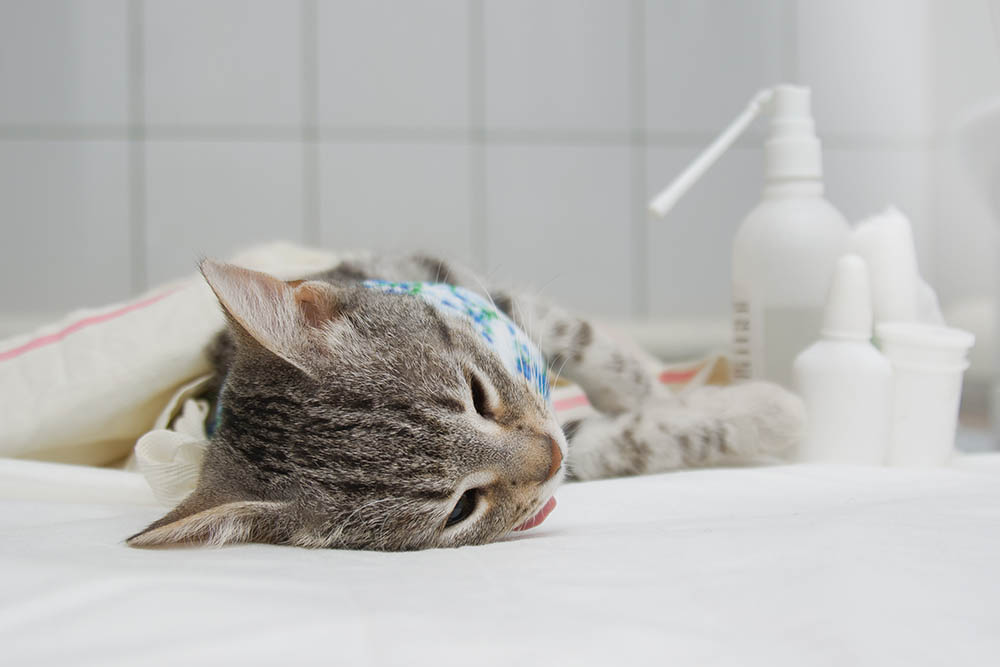
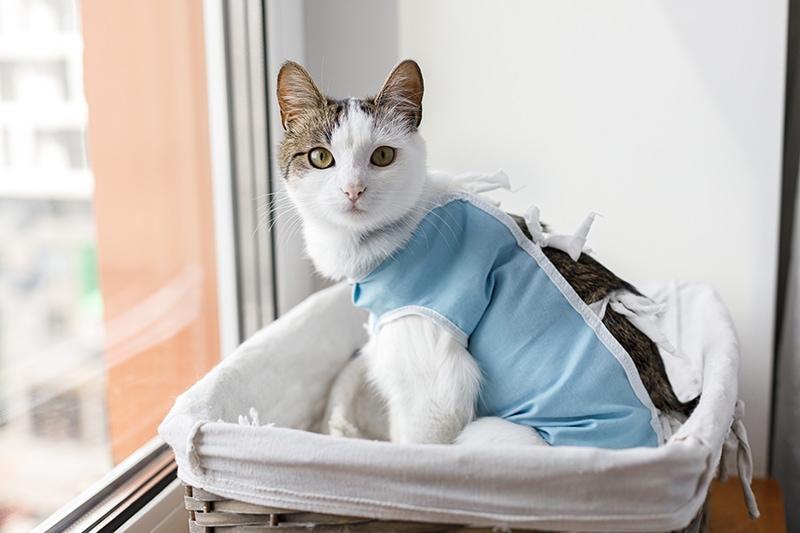
After surgery, your cat will be groggy from the anesthesia and may not be themselves for the rest of the day. They may not want to eat or drink much, which is normal.
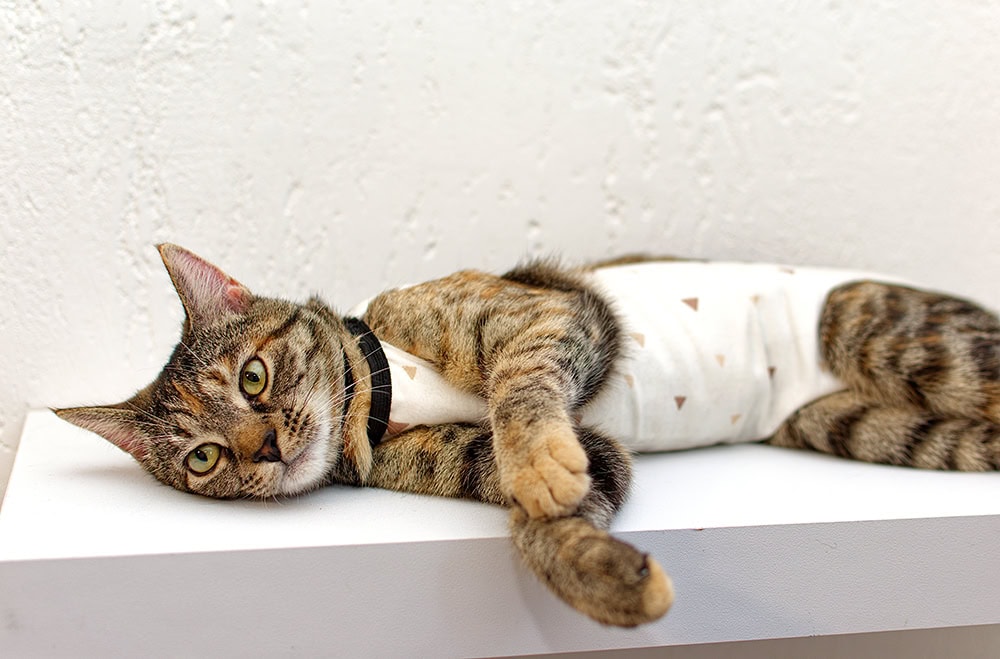
Most cats recover quickly from surgery and are back to their normal selves within a day or two. However, it's important to keep an eye on them and check for any signs of complications, such as excessive bleeding, swelling, or pain.
If you notice any of these problems, or if your cat seems to be in distress, call your veterinarian right away.
Top 6 Tips for a Successful Recovery
The surgery may only take a few minutes, but it'll still feel like a big deal to your cat. After all, they just went through a major life change. Here are a few tips to help them recover quickly and smoothly:
1. Give Them a Private Place to Recover
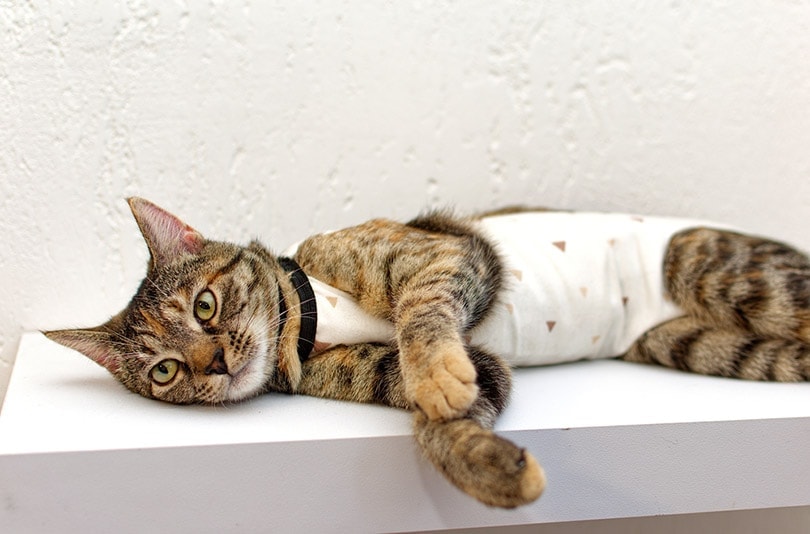
A small room or bathroom works well. Put a litter box, bed, water bowl, and food in the space so they don't have to go far for anything they need. Your cat will feel vulnerable after surgery and may want to hide away for a while.
2. Try Not to Handle Them Too Much
Too much activity can increase the risk of complications after surgery. So, it's important to keep your cat calm and quiet for the first week or so after surgery.
Give them space, don't force them to play or cuddle if they don't want to, and let them sleep as much as they want. If you have other pets, keep them away from the recovery area to give your cat some peace and quiet.
3. Monitor Their Food and Water Intake

As we mentioned, your cat may not have much of an appetite immediately after surgery. However, it's important to offer them food and water and make sure they're staying hydrated.
If they're not eating or drinking much, call your veterinarian. They may recommend giving your cat some appetite-stimulating medication or a special diet.
4. Keep an Eye on Their Incision
The incision should be small and should heal within a week or two, but it's important to check it regularly for signs of infection, like redness, swelling, or discharge. If you notice any of these problems, call your veterinarian right away.
5. Keep Them Inside While They Heal
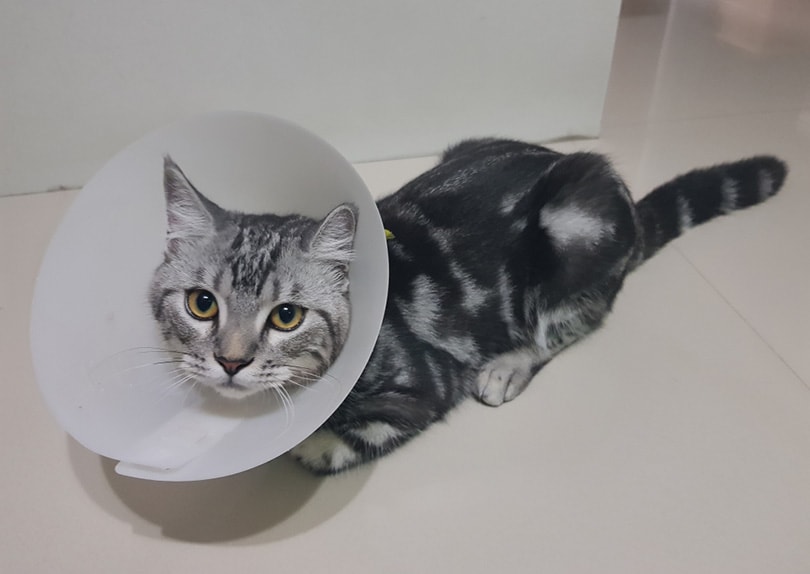
It's important to keep your cat indoors for at least 2 weeks after surgery. This will help the incision heal and reduce the risk of infection.
6. Give Them Extra Love and Attention
Your cat will probably be a little grumpy after surgery. Some cats may seem down or even depressed for the first few days. This is totally normal. In the meantime, shower them with extra love, patience, and attention. This will help them feel more comfortable and secure as they recover.

Wrapping It Up
The decision to neuter your cat is a personal one, but the benefits are clear. Neutered cats are often happier, safer, and live longer lives.
If you do decide to neuter your cat, the surgery is quick and relatively painless. And with a little TLC, they'll be back to their lovable selves in no time!
Sources
https://www.animalleague.org/get-involved/spay-usa/benefits-spaying-or-neutering-pets
https://www.mspca.org/pet_resources/ask-a-vet-all-you-need-to-know-about-spayneuter-surgery/
https://www.brown.edu/Research/Colwill_Lab/CBP/spaynueter.htm
https://www.sciencedirect.com/topics/veterinary-science-and-veterinary-medicine/urine-spraying
https://www.animalleague.org/get-involved/spay-usa/benefits-spaying-or-neutering-pets/
Featured Image Credit: Simon Kadula, Shutterstock
Get Hepper In Your Inbox


Pet care tips from our vets and experts, straight to your inbox.
You may opt-out at any time. View our Privacy Policy for more information.
Nicole is a lover of animals of all sizes but is especially fascinated with the feline variety. She’s the proud mom of Baby, a Burmese, and works every day so he can relax in the sunshine or by the fire. She’s always had a cat in her home and has spent countless days with others, observing behaviors and softening up even the grouchiest of the lot. Nicole wants to share her kitty expertise with you so you and your cat can live happy, healthy, and care-free.
Join the conversation
Ask a question, share your story, or send private feedback.