Hepper is reader-supported. When you buy via links on our site, we may earn an affiliate commission at no cost to you. Learn more.
What Temperature Is Too Hot to Walk My Dog? Vet-Reviewed Facts & FAQ


In this article
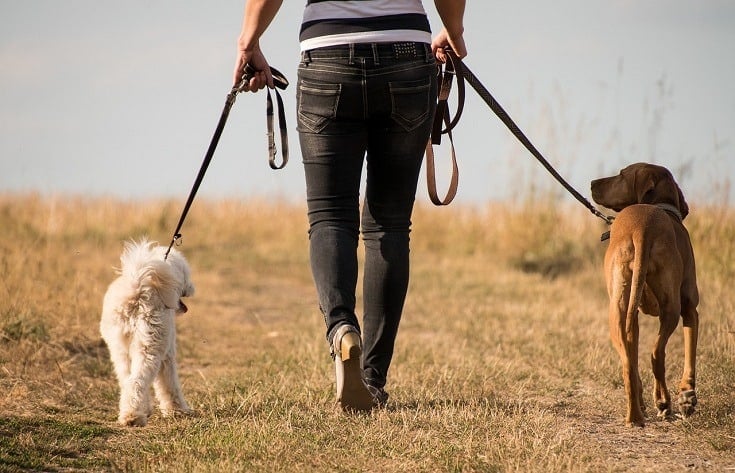
When the temperature rises, it's important to take extra precautions when walking your dog. Dogs can easily overheat and suffer from heat stroke in high temperatures just as humans do. Knowing what temperature is too hot for your pup can help you make sure he or she stays safe and comfortable during summer months. According to most experts, the risk of walking your dog in warmer temperatures increases in temperatures above 70 - 75 degrees Fahrenheit (21 - 24 Celsius), but it depends on the breed and the length of the walk.

Why It’s Important to Consider Temperature When Walking a Dog
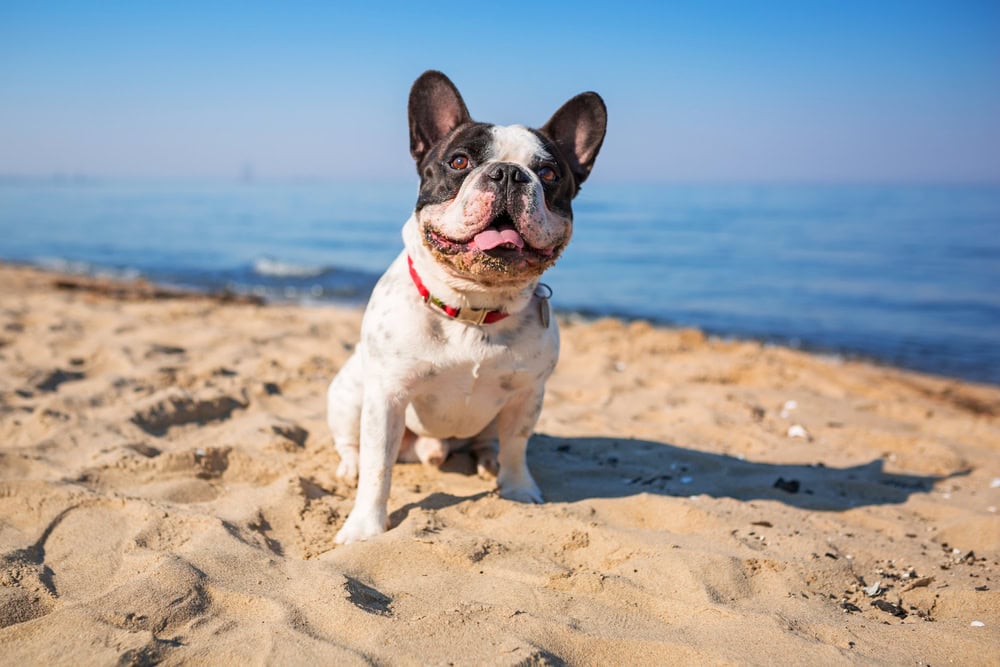
75°F (24°C) is an ideal outside air temperature for most humans, but for dogs, temperatures any higher than that greatly increase the risk of developing heatstroke. However, it depends on the breed, as brachycephalic breeds such as Pugs, Bulldogs, and Shih Tzus shouldn’t go for extended walks in temperatures above 68°F (20°C). Not only is there the ambient temperature to worry about, but also factors such as humidity and ground temperature that can affect how quickly dogs can overheat.
Ambient Temperature
The ideal ambient (air) temperature for a dog walk is between 53 and 67°F (11.5 and 19.5°C). If the air temperature exceeds this range, it may be too hot to walk your pup safely. In higher temperatures, dogs are at risk of experiencing heatstroke because they are less able to regulate their own body temperature than humans. Dogs are unable to cool down by sweating, as humans do, and they don’t always have the option to move themselves to cooler places or avoid the sun. They also can’t remove layers when it gets too hot! Therefore, dogs rely on other mechanisms, like evaporation (panting), which is their most effective option when environmental temperatures increase.
Humidity
You should also check the humidity of the environment before taking your pup out for a walk in extreme heat. High humidity can cause dogs to overheat even when it’s not that hot outside. Dogs pant to cool down by evaporating moisture from their lungs. If the humidity is too high, they are unable to take heat away from their body. If the humidity is particularly high, it may be best to wait until later in the day when temperatures have cooled down somewhat.
Temperature of the Ground
In addition to the ambient temperature, you should also consider the temperature of the ground. The reason pavements get so hot is that they soak up heat all day and then retain that heat. This is important as hot pavement or sand can burn your pup’s paws and also increase their body temperature more quickly than cooler surfaces.
Environmental temperatures above 77 - 80°F (25 - 27°C) can be too hot for your dog to walk on comfortably, so you should use a cool surface such as grass instead. Here is an easy test to check when it’s safe to walk dogs on pavement: place the back of your hand on the surface of the ground for seven seconds. If you struggle to hold it down, it’s too hot to walk your dog.

Dangers of Walking Your Dog in Excessive Heat
Heatstroke is the most serious risk associated with walking a dog in excessive heat. Heat-related illnesses range from mild to severe. Heat stress is the mildest form, followed by heat exhaustion and finally heatstroke. Signs of heat-related illness start with panting, restlessness, red gums or tongue, and drooling excessively and are followed by vomiting or diarrhea, weakness, and confusion. Other signs that your pup may be experiencing heat stroke include increased heart rate, difficulty breathing, and disorientation.
If you notice any of these signs, take your pup to a cool, ideally well-ventilated place immediately and offer sips of water for hydration (do not force them to drink). Cool them down by pouring cool (but never ice-cold) water on them, and, if possible, use a fan to improve cool air flow. Using excessively cold water can reduce blood flow to the skin, reducing your dog’s ability to cool down or even cause them to shiver, increasing heat generation. You can also soak your dog’s feet and place a cool, wet towel on their abdomen. This must be changed every five minutes as it will no longer be effective once it warms up and may even trap heat, worsening the condition.
Important:
Breeds Most Vulnerable to Heat Stroke
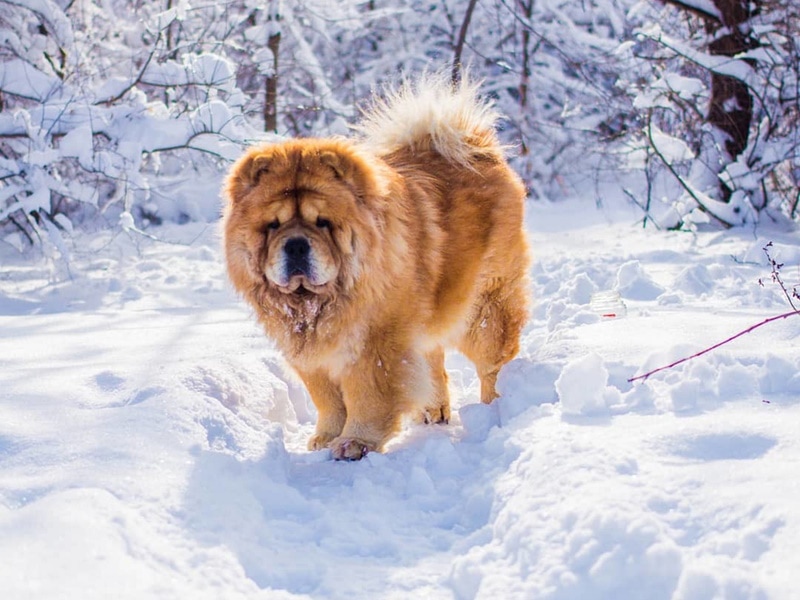
Brachycephalic (flat-faced) breeds such as Bulldogs, Pugs, and Shih Tzus are among the most vulnerable to heat stroke due to their short snouts, leading to difficulty breathing and the inability to effectively regulate their own body temperature. Other breeds with thick fur can also be at risk, as they have difficulty dissipating heat in hotter climates. Large breed dogs and those suffering from obesity are also more susceptible to heat stroke.


What Other Dangers Does the Sun Pose to Dogs?
Aside from heatstroke, the sun can also present a number of other risks to dogs:
1. Sunburn
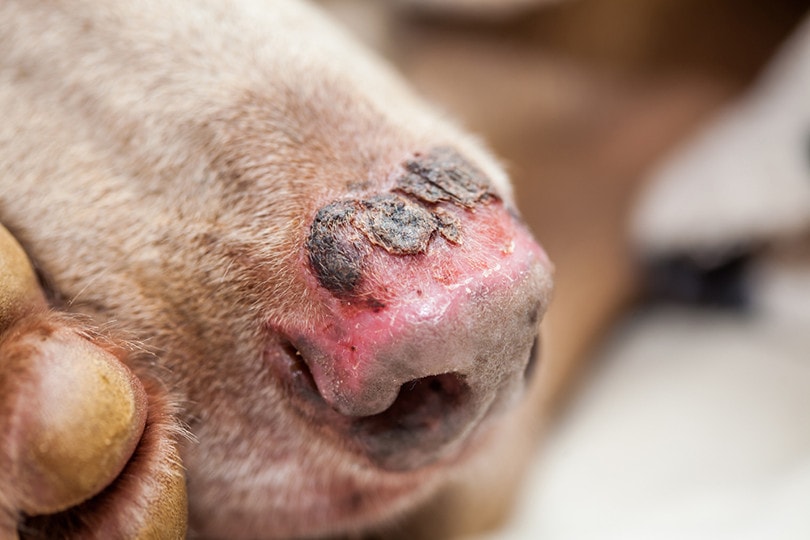
Sunburn can occur in breeds with light skin or fur. If you notice your pup’s ears or nose turning pink after a walk, it may be a sign that he’s been exposed to too much sunlight and needs to be protected better.
2. Burnt Paws
If the ground your pup walks on is particularly hot, he could also burn his paws on the pavement.
3. Dehydration
Finally, dehydration is another risk associated with long walks in the heat and sun, so it’s important to always provide water for your pup during outdoor activities.
Dangers of Dehydration in Dogs
Dehydration is a major concern for dogs when walking in the heat. Signs of dehydration may include dry and tacky gums, dry nose, panting, weakness, and sunken eyes. It’s important to monitor your pup’s hydration levels during activity and provide plenty of fresh water as needed.
Dangers of Burns in Dogs
In addition to heat stroke and dehydration, burns can also be a concern when walking in the heat. Pavement and asphalt can get very hot during the summer months, so it’s important to remember that your pup is wearing fur-covered feet. Consider taking shorter walks or sticking to grassy areas if the pavement is too hot for your pup’s paws.
Dogs can also get sunburned if exposed for too long without protection. Sunburns on dogs often appear as discoloration of the skin or patches of fur loss. If you're concerned your pup may be sunburned, consult with a vet for advice on treatment.

When to See Your Vet
If your pup is exhibiting any of the signs of dehydration mentioned above or if you suspect they may be suffering from heat stroke, contact your vet as soon as possible. Severe heat stroke can cause irreversible organ damage and death in extreme cases, so it’s important to seek professional help right away. Drinking water and cooling off may not always be enough. Your vet will be able to tell for sure.
If you notice any blisters or other signs of burns on your pup’s feet, contact your vet immediately. Burns can become infected if not treated properly, so it is important to get them seen right away. If your pup's sunburn is severe, it's also best to consult with a veterinarian for treatment. Signs of severe sunburn include blistering, swelling, or unusual behaviors.
Tips for Keeping Your Dog Safe in the Heat and Sun
- Avoid walking your pup during the hottest part of the day (typically between 8 a.m. and 8 p.m.).
- Always provide plenty of fresh, cool water before, during, and after your walks.
- Check the pavement or ground temperature before taking your pup out to make sure it isn't too hot to walk on.
- Avoid areas with high humidity, such as humid forests or beaches, as this can cause dogs to overheat more quickly.
- Take frequent breaks in shaded areas during longer walks or hikes to keep your pup comfortable and hydrated.
- Keep an eye out for signs of heat stroke, such as excessive panting or lethargy.
- Use sunscreen specifically designed for dogs to protect their skin and paws from sunburns.
- Groom your pup regularly to remove thick fur and reduce the risk of overheating on warm days.
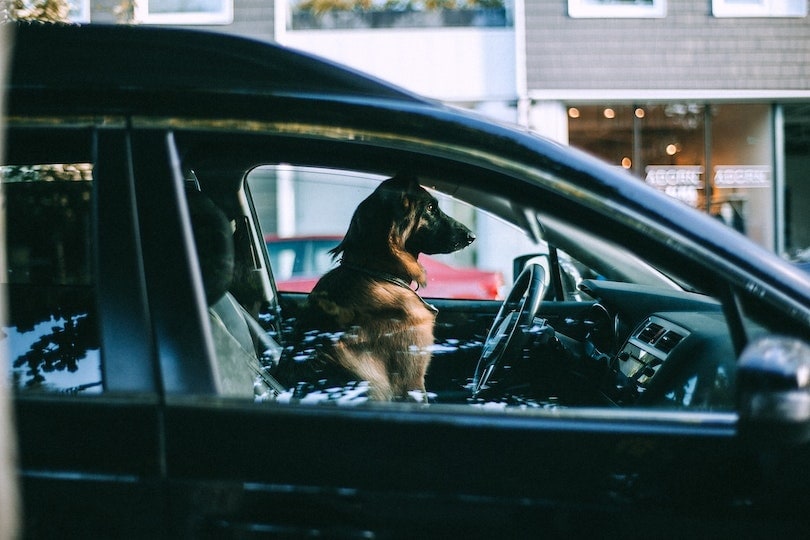
- Avoid leaving your pup in the car, even if it's for a short period of time. Temperatures can reach dangerous levels quickly in enclosed spaces, putting them at risk of serious harm!

Conclusion
Taking your pup out for a walk in extreme heat can have serious consequences, so it is best to take certain precautions before doing so. Walk your dog early in the morning or later in the evening to avoid the hottest part of the day. Always check the temperature of the ground and air and humidity before you go and be sure to take frequent breaks in shaded areas during longer walks. If you suspect heat stroke in your pup, seek veterinary assistance immediately for proper care. Keep these tips in mind to keep your pup safe and comfortable in hot weather!
See Also:
Sources
Featured Image Credit By: alexei_tm, Shutterstock
Get Hepper In Your Inbox


Pet care tips from our vets and experts, straight to your inbox.
You may opt-out at any time. View our Privacy Policy for more information.
Nicole is a lover of animals of all sizes but is especially fascinated with the feline variety. She’s the proud mom of Baby, a Burmese, and works every day so he can relax in the sunshine or by the fire. She’s always had a cat in her home and has spent countless days with others, observing behaviors and softening up even the grouchiest of the lot. Nicole wants to share her kitty expertise with you so you and your cat can live happy, healthy, and care-free.
Join the conversation
Ask a question, share your story, or send private feedback.