Hepper is reader-supported. When you buy via links on our site, we may earn an affiliate commission at no cost to you. Learn more.
How Much Time Should a Dog Spend Outside? Important Care Tips

In this article
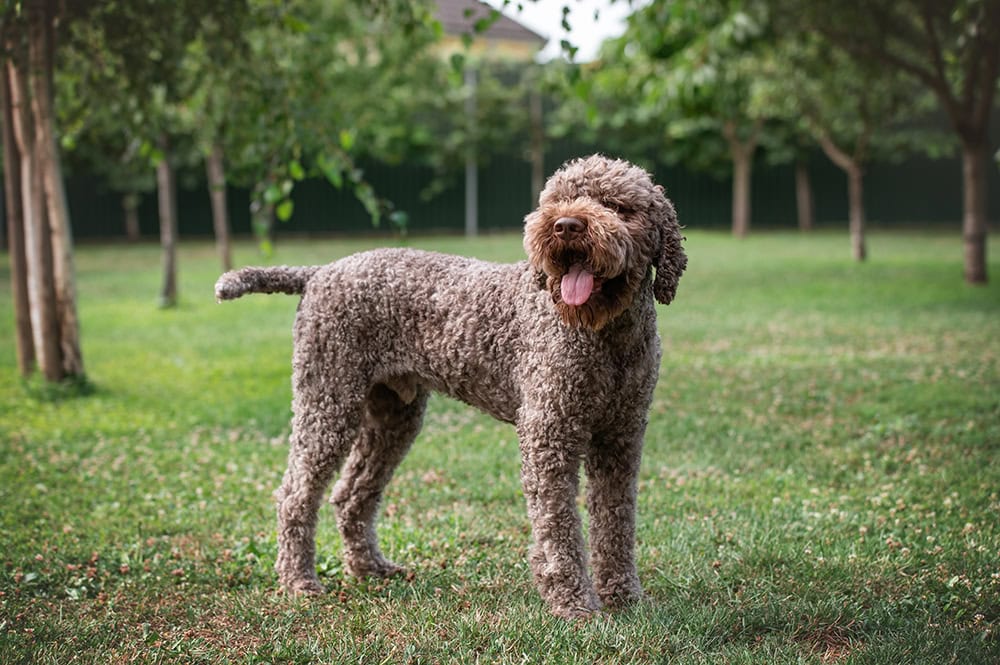
Most dogs absolutely love time spent in the great outdoors. Some prefer simple walks around the neighborhood, while others could stay in your backyard for hours! But exactly how much time should a dog spend outside during the day?
The answer truly depends on several factors, including your breed type, environmental safety, and the weather. Here, we will discuss how you can determine the best time limit outdoors for your dog.

Why Time Outside Is Good for Your Dog
Who doesn't love stepping outside of their door and taking in a breath of fresh air? Something about being outside in the natural elements feels like a total body reset for most people. Even though our dogs are domesticated, they still have wild roots.
It is natural for them to want to roam and explore. Depriving a dog of time outside can harm its mental and physical health. But finding a perfect balance for your dog can be different from other canines.
While the amount of time your dog spends outside will vary from canine to canine, each one will enjoy time spent out in intervals. Here are some benefits of visiting the outdoors for our canine companions.
- Enhances Senses - Everywhere you look, there's something different to see and smell. Your dog will love taking in the scenery, exploring their surroundings, and investigating the aromas of animals, plants, and various other environmental elements.
- Daily Outdoor Exercise - Your dog certainly needs exercise every day. Some breeds require as little as 30 minutes of exercise, while others need 2 hours or more. Getting your dog outside to burn off steam is the best way to encourage your dog to expend those calories. Outdoor exercise allows your dog to have the space to run, explore, and soak in some vitamin D.
- Stimulation - No matter where you are, a lot is going on out in the world. When your dog is outside, they can hear birds chirping, see squirrels running, and interact with people and other pets. This is a great way to socialize your dog and expose them to - the world's wonders.
- Getting Back to Their Roots - Don't forget that a dog's ancient ancestor is a wolf. Even though our dogs are beyond domesticated at this point, they still have natural instincts and desires. A dog visiting the outdoors freely will have a much better quality of life.
How Long Is Too Long?
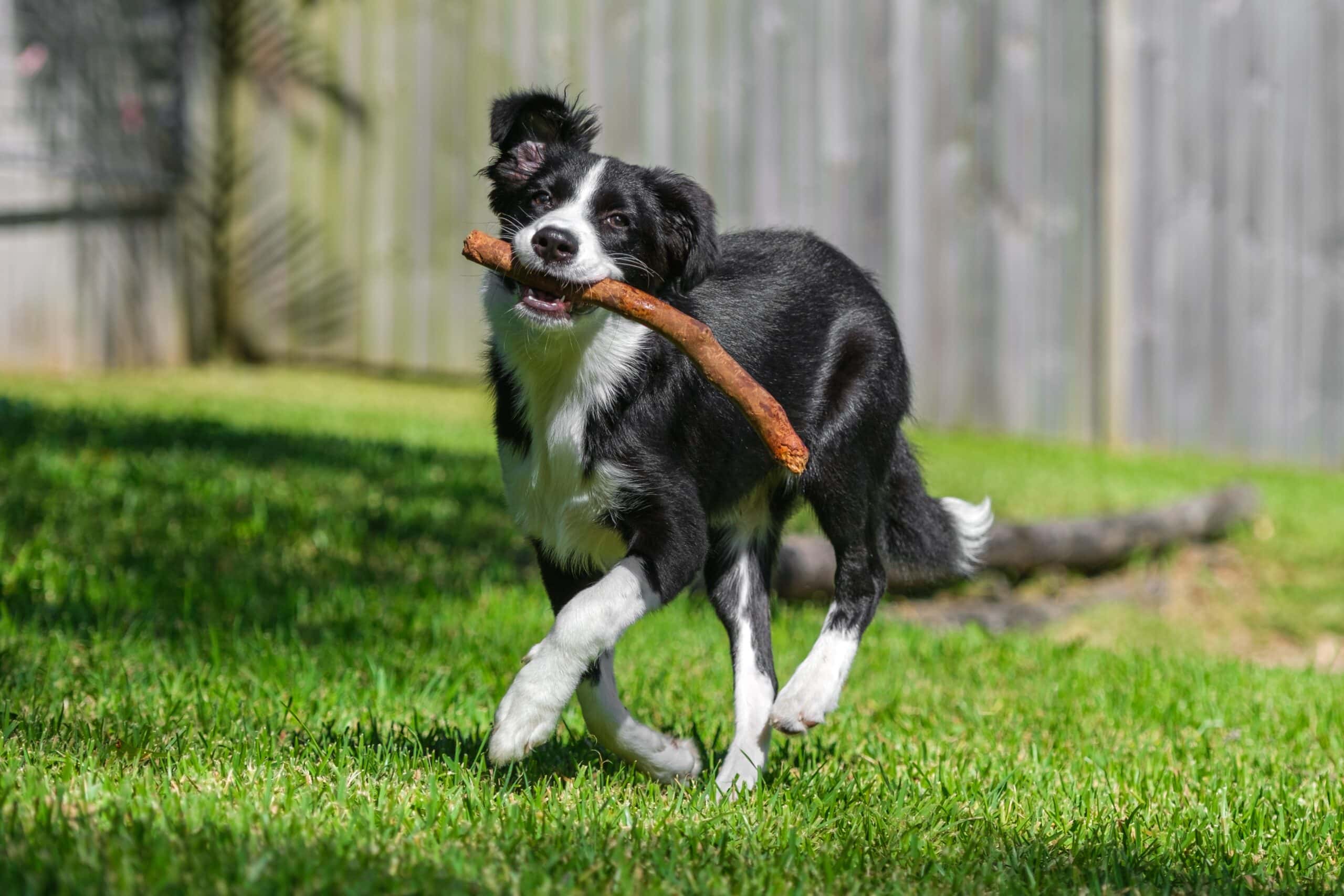
The amount of time your dog can spend outside in various weather conditions depends on the individual dog. A lot of factors go into it, so make sure to consider your dog-specific characteristics. But here are some generalizations for you to catalog.
Cold Temperatures
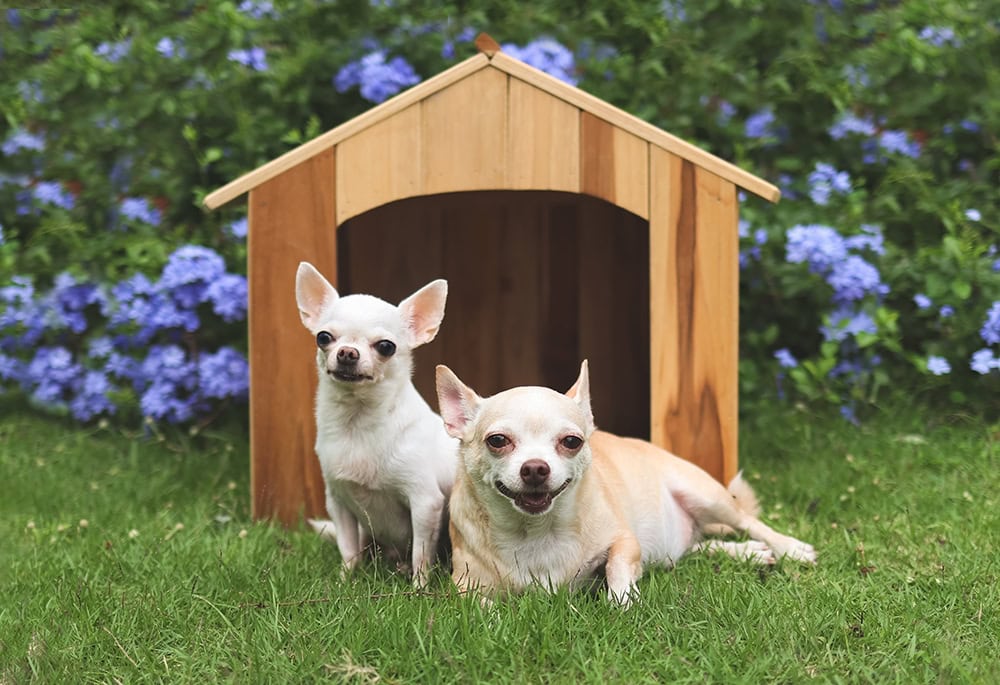
For most dogs, they should be outside no longer than 15 to 20 minutes at a time in freezing temperatures (below 32 degrees Fahrenheit.) This is especially important for smaller dogs WITH shorter coats, especially Chihuahuas, because they have a harder time regulating their body temperature.
If your dog is out for long intervals, they run the risk of hypothermia and frostbite.
Hot Temperatures
Generally speaking, 89 degrees Fahrenheit puts your dog at risk of having a heat stroke. If temperatures are above 90 degrees, staying inside unless you're taking your dog out for a short potty break is advised.
Typically, you should cut visits outside short if it is 82 degrees or higher. 82 degrees can be very hot for some dogs. Other dogs might even be sensitive to 70 to 77-degree temperatures.
In addition to heat, humidity can be just as dangerous in some cases. When your dog pants to sweat, humid temperatures make it very hard to evaporate moisture. Therefore, your dog has a harder time cooling off.
Remember that health, breed, size, and structure can all affect how much heat your dog can tolerate.

The 5 Factors That Determine How Long Your Dog Should Be Outdoors
Every dog has a limit when it comes to being outside. Some dogs fare very well outside year-round, while others are very sensitive to temperature, weather, and allergens. So, here are some additional things to consider on your outings.
1. Weather
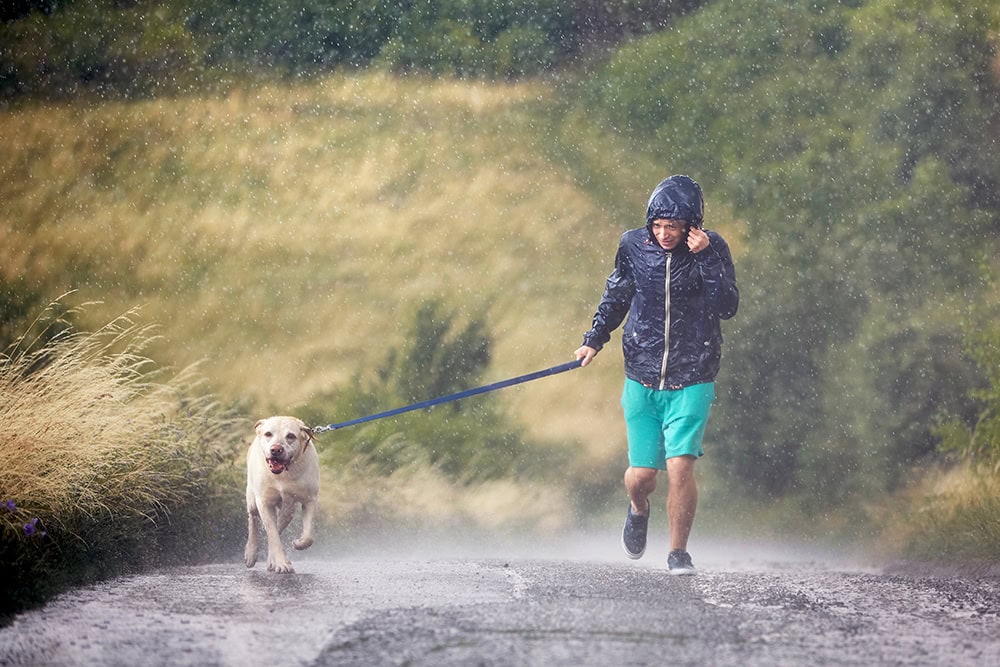
Some dogs can be highly affected by weather, and no dog really likes storms. Before you take them out, it is essential to ensure it's not too hot, cold, or damp for your pooch.
2. Coat Type
If you have a dog like a Husky, they likely get beyond excited when it's time to go out in the snow. However, if you have a small, short-coated dog like a Chihuahua, this can be extremely uncomfortable and even dangerous for them.
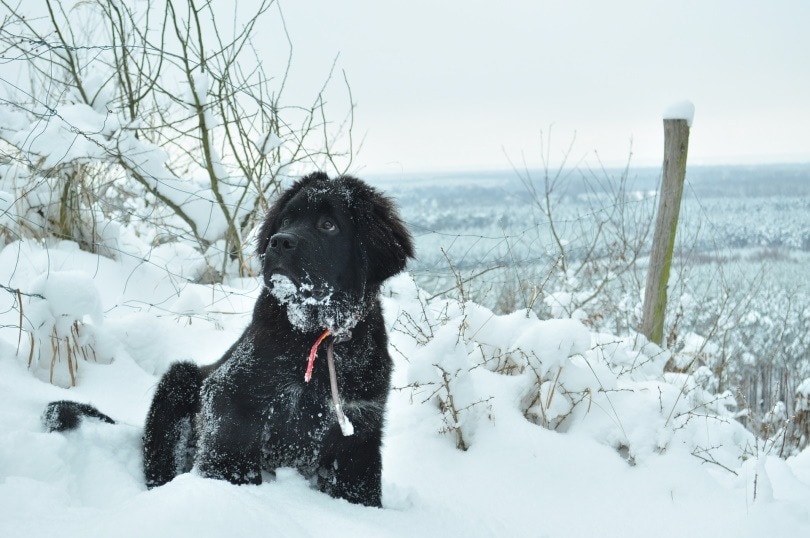
The same goes for double-coated breeds and hot temperatures. If you have a double-coated breed like a Husky, German Shepherd, or Newfoundland, they might show extreme sensitivity to hot temperatures.
Sun exposure is also a huge deal for some breeds. Hairless or thin-coated dogs can easily get sunburned if exposed too long.
3. Breed
Breed absolutely matters when it comes to going outside. If your dog is brachycephalic, meaning they have a short muzzle, going outside in very hot temperatures can be absolutely dangerous. Some examples of brachycephalic breeds include Boxers, Bulldogs, Pugs, and Shih Tzus.
4. Size
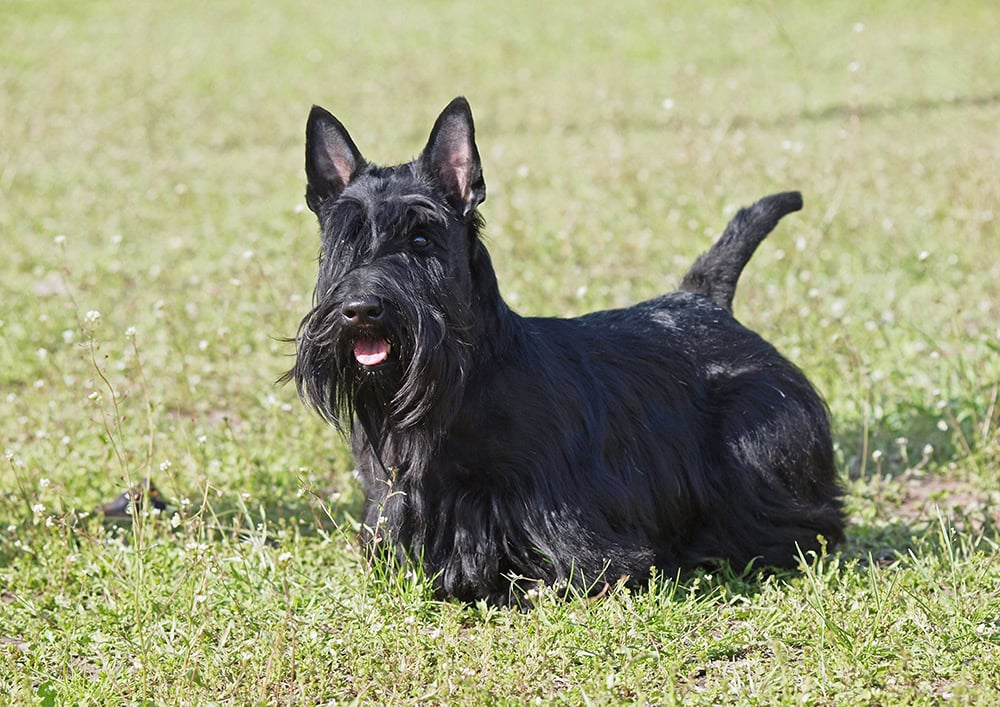
If you're doing some pretty extensive walking or hiking outdoors, breed size can determine how much your pup can take. Larger dogs tend to do very well in these situations, as they have a higher tolerance for physical exertion.
Smaller dogs might tucker out faster and need more frequent breaks. If you plan on being outside for a long time, it's best to accommodate your dog by frequently offering fresh water, breaks, and, of course, snacks.
5. Setups
Some dogs can go outside freely without any supervision. If you have a very secure fenced-in backyard, you can just let your dogs out the door or give access to the doggy door so they can come and go as they please.
Why Constant Outdoor Living Is Not Healthy
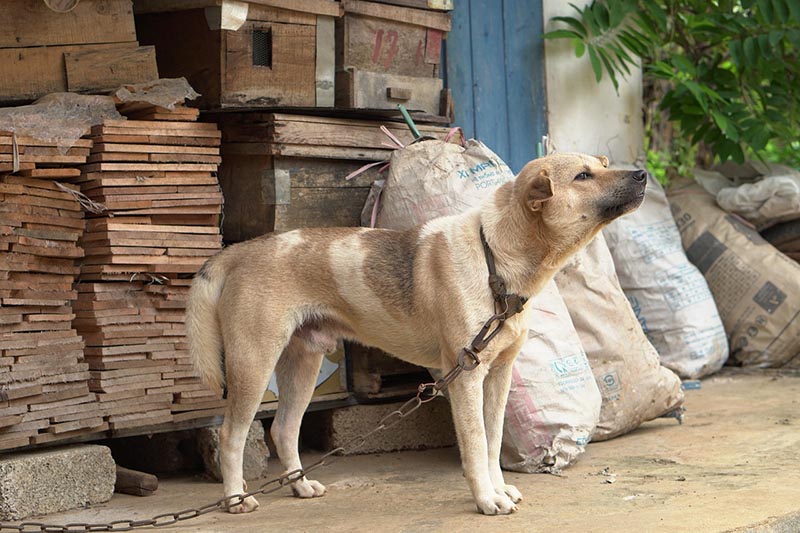
We've all witnessed a poor dog tied up outside daily with no one around. These dogs usually have a food or water bowl, but they often need more shade or shelter.
Another issue with outdoor setups is that cables are generally never long enough for your dog to exercise properly. Thankfully, we're moving past the point where people think having a dog tied up outside is acceptable.
These creatures enjoy a life of freedom as much as we can possibly permit. If your dog is continually tied up without proper exercise, they are susceptible to isolation, loneliness, health issues due to lack of exercise, and poor socialization.
Proper Outdoor Solo Experiences
If you are allowing your dog to go outside without you, you will need to cross off a few things on a checklist to make sure it is safe and suitable for your canine companion.
Fenced-in Yards
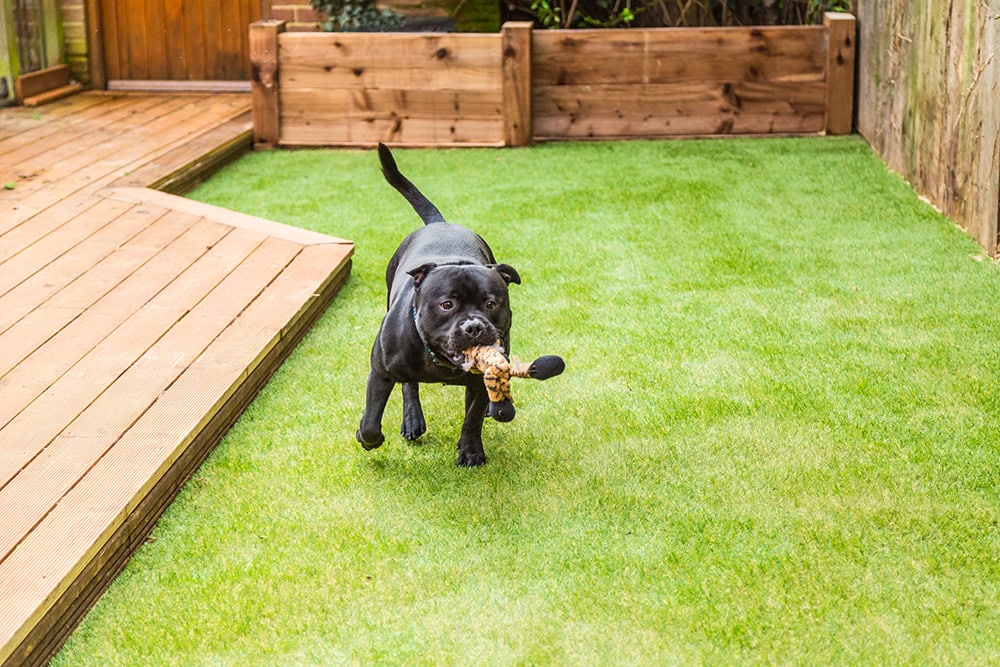
Some dogs are perfectly fine in an enclosure, while others dig under or jump over. As long as your dog Is secure inside your fence with no way to escape, it can be a terrific way for your dog to burn off some steam and enjoy the weather.
Before long trips to the backyard, ensure the weather is suitable. Some dogs are very susceptible to extreme hot or cold temperatures.
Tie-Outs
Some pet parents choose to tie their dogs out. While this is generally okay in small intervals, there are better options for long trips out. Also, it requires frequent supervision, as it can become a potential hazard.
Your dog can get caught up in their cable if they're hooked around an object, leading to choking and other hazardous events.

Challenges of Apartment Living & What to Do
When you live in an apartment, especially if you work, ensuring your dog gets enough time outside can be very challenging. Most apartment complexes do not allow off-leash dogs, and often, they don't have dog parks or other exercise outlets on the complex grounds.
Since you live directly with other people, you must also consider your neighbors. Tie-outs are usually unacceptable in these situations. However, it is not enriching to have your dog indoors, only going outside for very short potty breaks and quick walks.
Thankfully, if you live in an apartment complex, there are other ways you can spruce up time spent outdoors.

Find a Local Dog Park
If you live in an apartment complex in a city or suburban area, you might have a local dog park nearby. It can be a really fun way to socialize your dog and connect with other members of the community!
Some dog parks charge fees for memberships, while others are free. Dog parks often require proof of current vaccinations, and you might need dog tags and other forms of identification to enter.
Always make sure when you go to dog parks that you clean up after your dog and recognize that it is an equally shared space. Keep an eye on your dog, ensuring they are getting along with other pals at the park and their owners.
Take New Routes on Walks
Be adventurous! Take new routes on your walks. You never know what new experiences you can have. Always remember to be safe. Don't choose extremely populated areas with a lot of traffic. Try going the road less traveled.
The 4 Safety Tips for Outdoor Adventures
When you take your dog outside, safety is key! Even though the expansiveness can be captivating, it can also be dangerous. Here are some tips on how to keep your dog safe during outings.
1. Check the Weather
Checking the weather is always a good indicator to let you know just how much you can do. Before going out, make sure to check the weather. What's the temperature? Is it supposed to rain or snow? Knowing ahead of time can help you prepare.
Perhaps your dog needs a pair of booties if it's going to be icy or requires a vest or coat to keep their core warm. If it's too hot, keep the walk short and stay close by.
2. Ensure Proper Restraints
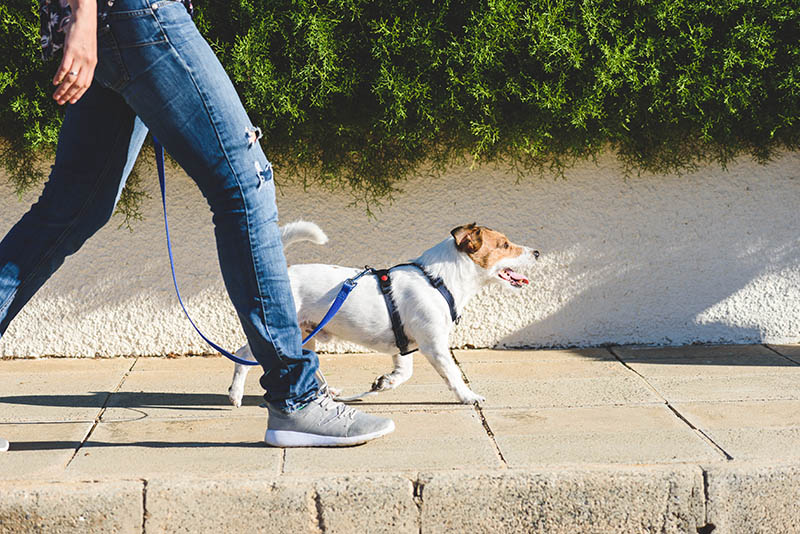
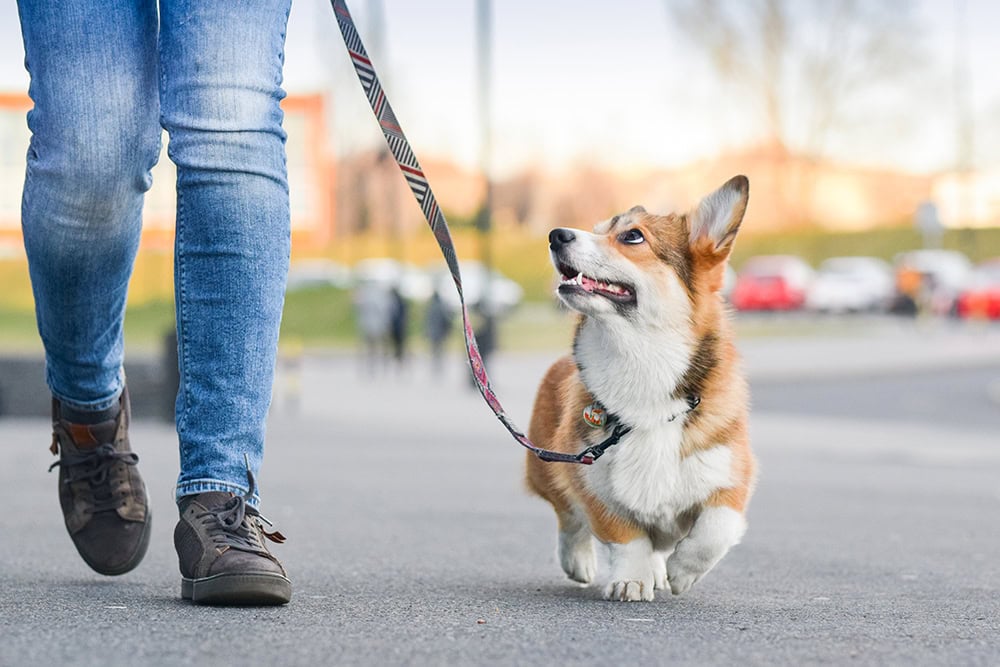
Every dog owner knows the importance of a well-fitting harness and a strong leash. If your dog is able to slip out of their harness or restraint, it can be extremely dangerous. If you're in a high-traffic area, it can cause your dog to run into traffic.
If you're in a rural setting, your dog could run off in the distance, and you can have quite a hard time locating them. Regardless of the setting, it comes with its fair share of potential threats and escapes are never warranted.
Granted, certain dogs would never leave your side even if they did slip out of their restraint. Use your discretion and always ensure any harness or collar fits appropriately and comfortably.
3. Pet Identification Tags
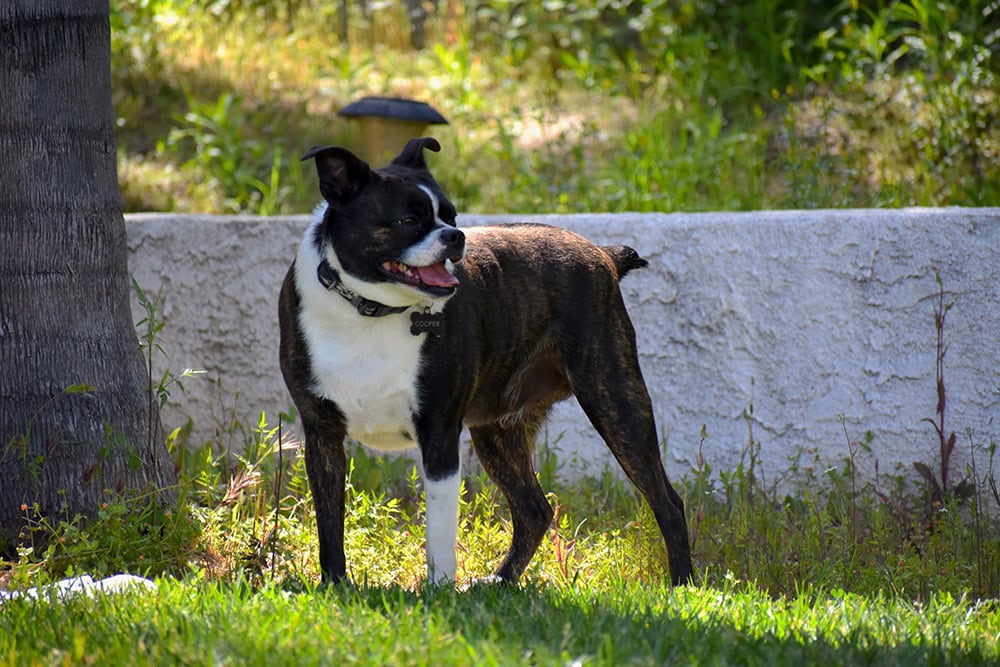
Even if your dog doesn't wear a collar in the house, it is important to make sure they have it on during walks. You must ensure your dog's tags are always visible and intact. If your dog slips away from you, the identification tags are essential to return them home.
Also, it is important to let other people know their names and vaccination status. If they look like a stray, they might wind up in the pound or worse. So it's always important to make sure whoever finds your dog understands that they are a beloved pet so you can be the first to know.
4. Stick Together
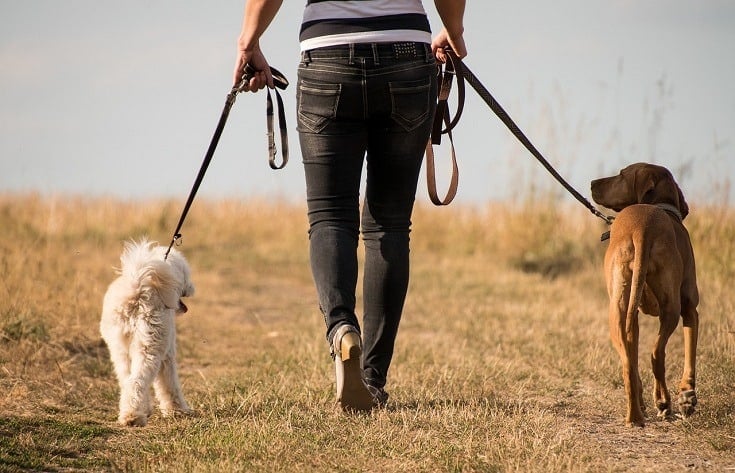
When you and your dog are out, always stick together. Ensure that your dog doesn't get away from you in any circumstance and that you're in a safe setting.
Conclusion
The bottom line is your dog definitely needs access to the outdoors. The time spent outside daily will vary depending on breed and lifestyle. Remember to consider any health issues, structural abnormalities, coat type, and otherwise when your dog goes out.
Always check the weather, too. It's no fun to have your party crashed by a rainstorm or leave your dog susceptible to extreme heat or cold.
Sources
Featured Image Credit: Daz Stock, Shutterstock
Get Hepper In Your Inbox


Pet care tips from our vets and experts, straight to your inbox.
You may opt-out at any time. View our Privacy Policy for more information.
Ashley Bates, a freelance writer with a passion for pets, is currently studying animal therapy. She is a mother to four children and 23 pets, both furry and feathery. Ashley actively volunteers at local shelters, advocates for animal welfare, and rescues animals in distress. Her mission is to promote awareness, education, and entertainment about pets to help prevent animal homelessness. She specializes in the care and well-being of dogs and cats.
Join the conversation
Ask a question, share your story, or send private feedback.