Hepper is reader-supported. When you buy via links on our site, we may earn an affiliate commission at no cost to you. Learn more.
What Were Shiba Inus Bred for? Breed History Explained
In this article
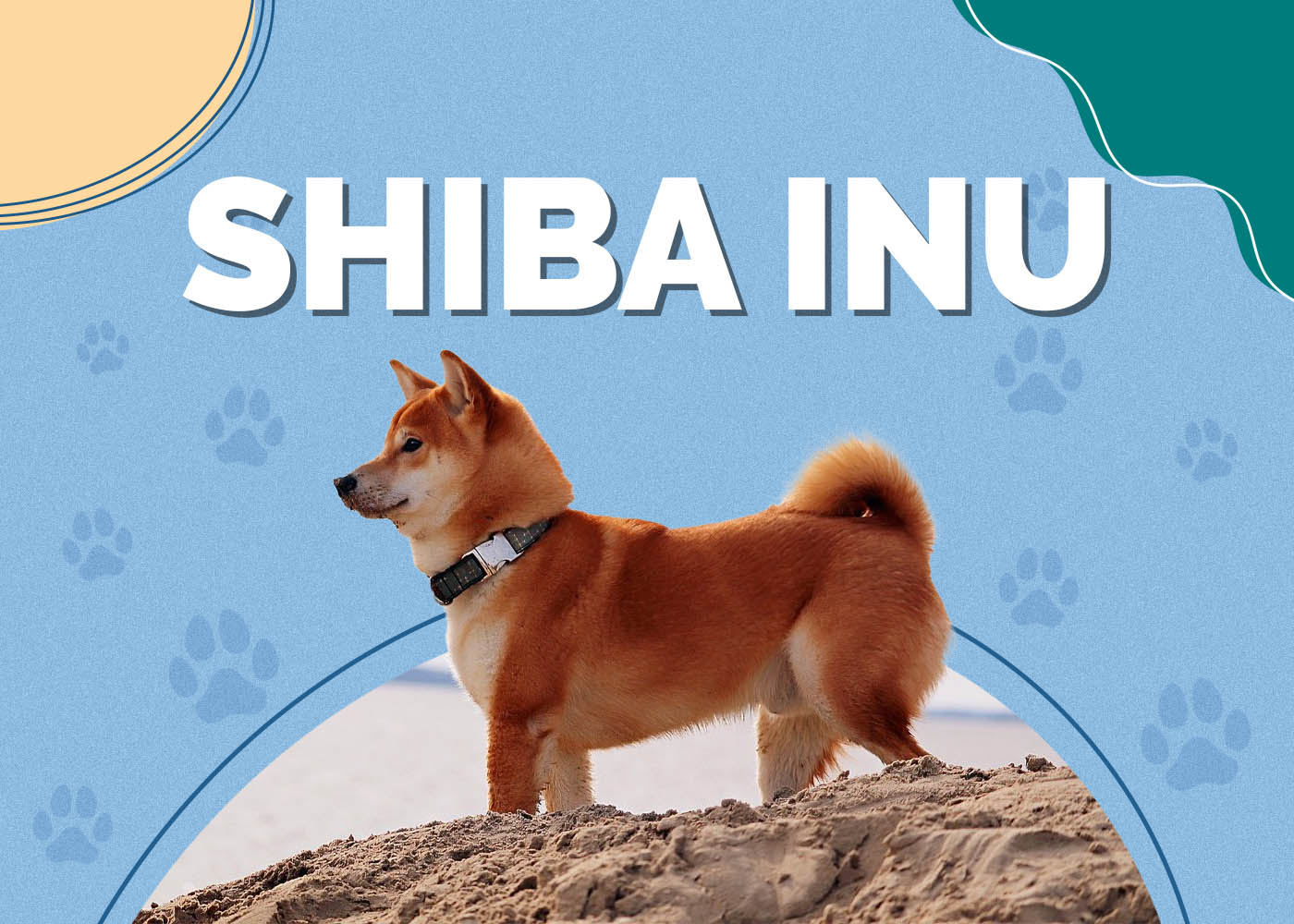
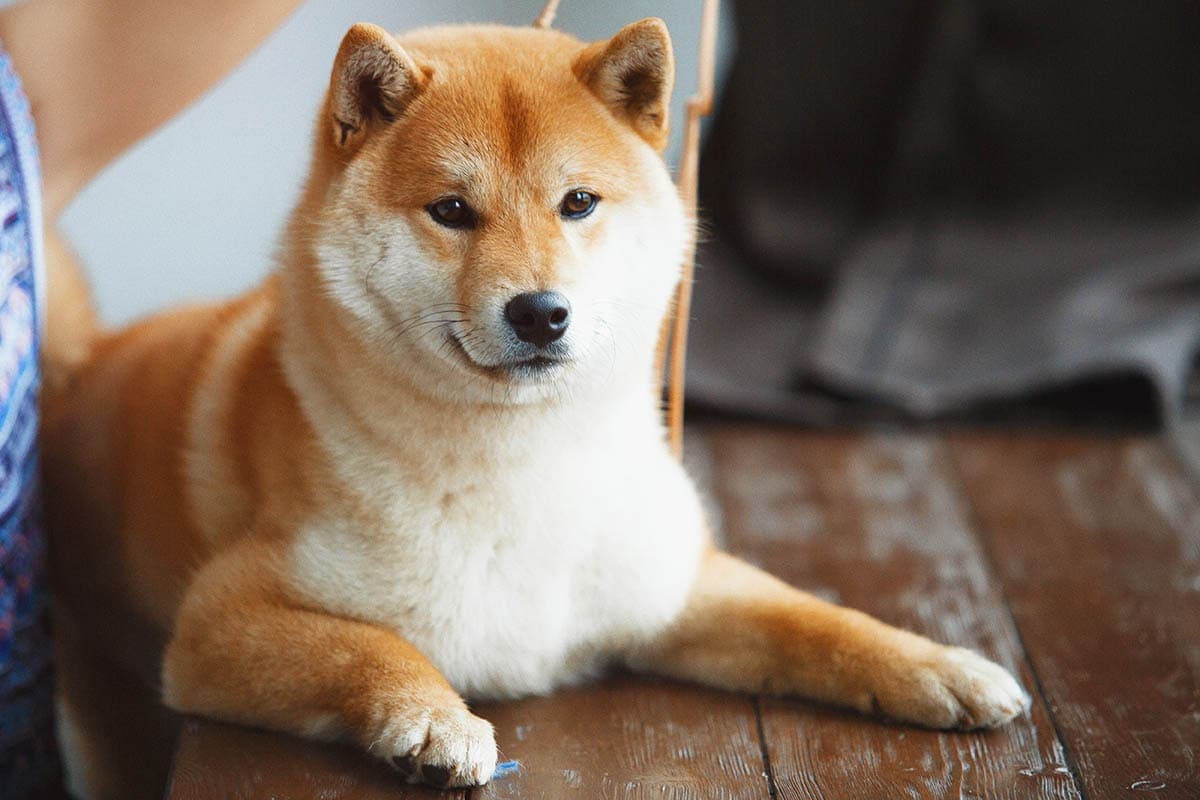
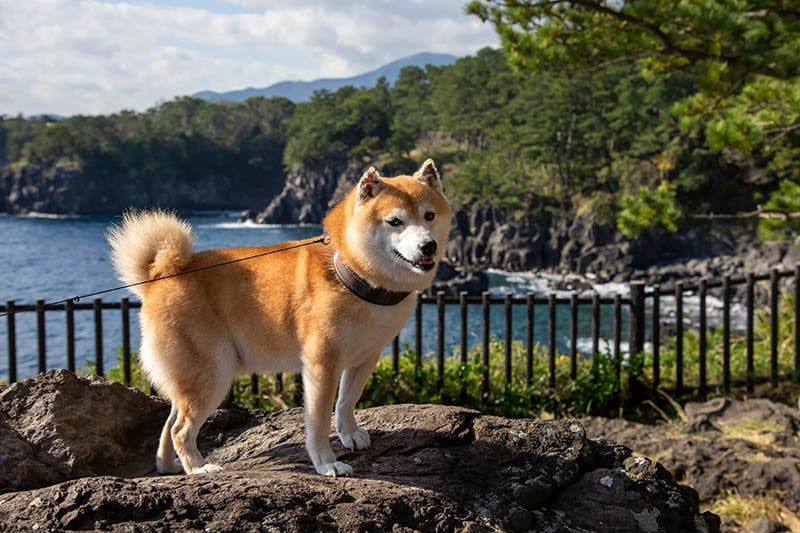
The Shiba Inu is the smallest of the six native Japanese dog breeds. While they’re often mistaken for the Hokkaido or the Akita Inu, the Shiba Inu is a distinct breed all their own, with a unique bloodline, character, and temperament. They were originally bred as hunting dogs for both large and small game. Their small, fox-like stature enabled them to excel at flushing birds and other small animals out of bushes. This rugged dog breed has survived for thousands of years within the mountainous regions of Japan.
Let’s explore the rich history of the Shiba Inu breed, from their ancestral roots in 7000 B.C. to the modern version that we know and love today.

The Origin of the Shiba Inu
The Shiba Inu is an ancient dog breed whose ancestors accompanied early Japanese immigrants in 7000 B.C. Archaeological evidence of dogs the size of Shibas has been found in areas inhabited by the Jomon-jin people. This tribe of ancients occupied Japan between 14,500 B.C. and 300 A.D. The Shiba Inu breed that we know today is suspected to be the result of breeding between the Jomon-jin’s dogs and dogs that arrived in Japan with a different group of immigrants in approximately 300 B.C.

Origins of the Shiba Inu Name
The exact origin of the Shiba Inu is a mystery. The word “Inu” in Japanese means dog, while the word “Shiba” means “brushwood.” The term brushwood refers to shrubs or trees whose leaves turn red in the fall. Presumably, Shiba Inus were used for hunting in areas with brushwood, but there is also a possibility that the name is a reference to the dog’s distinct color.
There is an ancient Japanese Nagano dialect that used the word “Shiba” to mean “small,” so the name could be referencing the dog’s size. This dialect, along with the size reference, is obsolete today. However, the Japanese still sometimes translate “Shiba Inu” to “little brushwood dog.”
Shiba Inu History
Centuries of selective breeding and importation have resulted in the modern Shiba Inu dog breed. The dog that we see today was first developed in Japan in the early 1920s, though their origins date back almost 9,000 years.
To this day, the Shiba Inu is the smallest Japanese dog breed. They are the national dog of Japan, and breeders work hard to ensure that the breed is preserved to quality standards.

Original Breeding Purpose
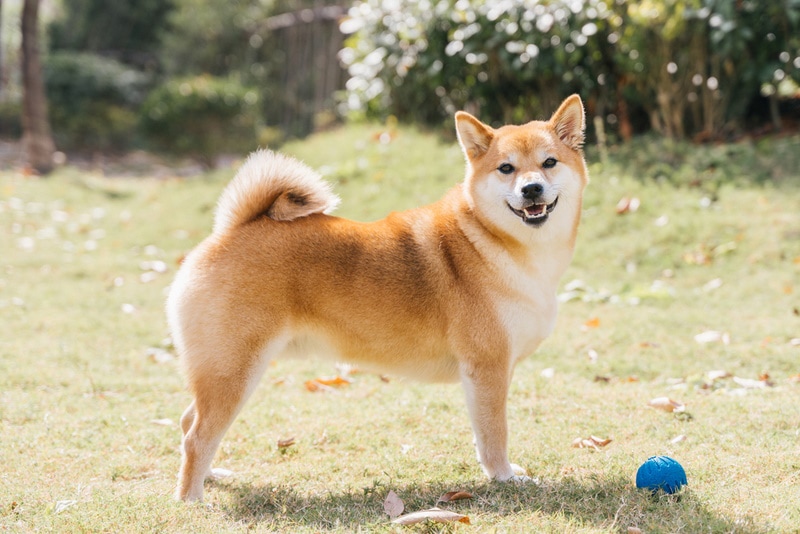
The Shiba Inu was originally bred to hunt small game. These dogs are small and agile, with thick coats and curly tails that make them successful in tracking game animals in thick bushes. Rabbits, hares, foxes, and wild poultry are just a few of the animals that Shiba Inus have been bred to track.

The Kamakura Period
The time of the Kamakura period, from 1190 to 1603, saw the Shiba Inu graduate to hunting large game animals. They were companions for Japanese samurai, who used them for hunting wild boar and deer.
The Meiji Restoration
The years between 1868 and 1926 were a difficult period for the Shiba Inu. The Meiji Restoration that began in 1868 saw significant numbers of Western dog breeds being imported into Japan. It became popular to crossbreed dogs and intermix the Shiba Inu breed with others. After many years of interbreeding, almost no pureblood Shiba Inus remained.
Bloodline Restoration and Near Extinction
It took several hunters and scholars taking notice of the breed to start properly maintaining the Shiba Inu bloodline. A breed standard was documented, and breeding practices began to maintain the pure breed Shiba Inu as a noble Japanese dog breed.
While many people went to great lengths to preserve the Shiba Inu breed, they nearly went extinct again in the post-World War II era. Many dogs died in the bombing raids that were common during the war. The population was further depleted by the widespread food shortages and economic depression that ensued afterward. Also, post-war Japan found itself with an epidemic of distemper. The disease was widespread and killed all varieties of animals, including domestic dogs.

The Last Remaining Dogs
Three distinct bloodlines survived in Japan after the devastation experienced post-WWII. All the Shiba Inus alive in the world today are descended from one of these three lines:
- The Shinshu Shiba from Nagano Prefecture
- The Mino Shiba from modern-day Gifu Prefecture
- The San’in Shiba from Tottori and Shimane Prefectures
These bloodlines have been carefully bred to avoid inbreeding, and although they are all pureblood Shibas, each line has differences in appearance. The San’in Shiba Inu line is larger than the others and usually produces black dogs. Mino Shibas, however, have sickle tails that are not at all reminiscent of the curly tails of modern-day Shibas.
Modern-Day Shiba Inu
Modern breeding practices for the Shiba Inu breed started in the 1920s. The first Shiba Inu standard was written by NIPPO (Niho Ken Hozonkai, roughly translated as “the Japanese Dog Preservation Society”) in 1934. In 1936, the Shiba Inu breed was recognized by the Cultural Properties Act as the Natural Monument of Japan. In the late 1940s, the three remaining Shiba Inu bloodlines were carefully merged into one purebred line.
The Shiba Inu in the United States
When the Allies invaded Japan in 1945, U.S. soldiers noticed the Shiba Inu, and the first one arrived in the U.S.A. in 1959, when an army family brought their adopted Japanese Shiba home with them.
The first-ever American-born litter of Shiba Inus was born in 1979, and their popularity soared from then on. The American Kennel Club officially recognized the Shiba Inu breed in 1992, and it is currently the 43rd most popular dog breed in the United States. In Japan, the Shiba Inu ranked fourth in popularity in 2021.
Fun Facts About the Shiba Inu
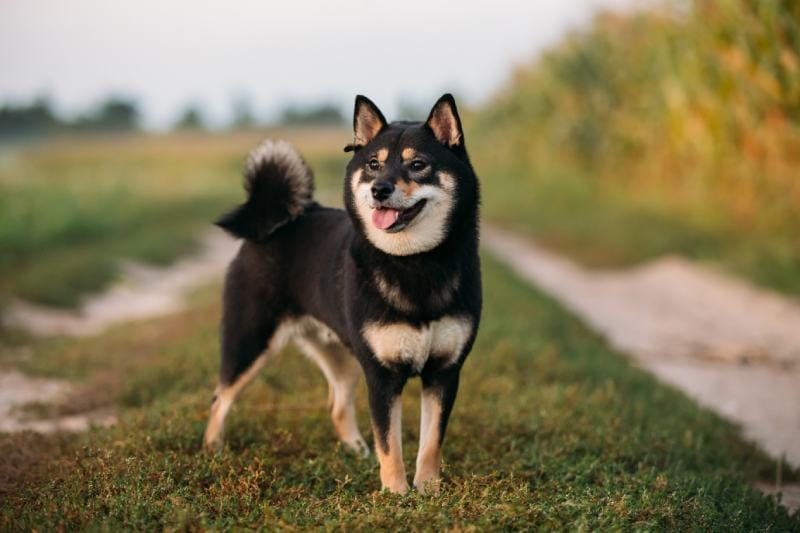
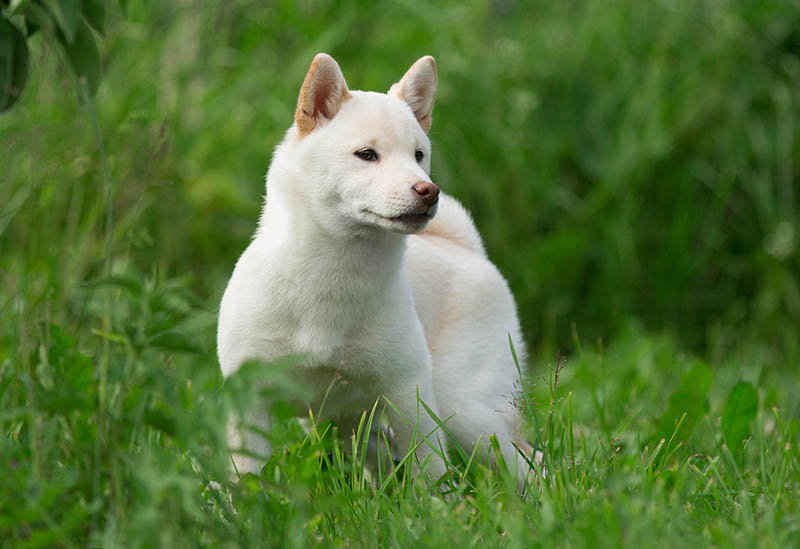
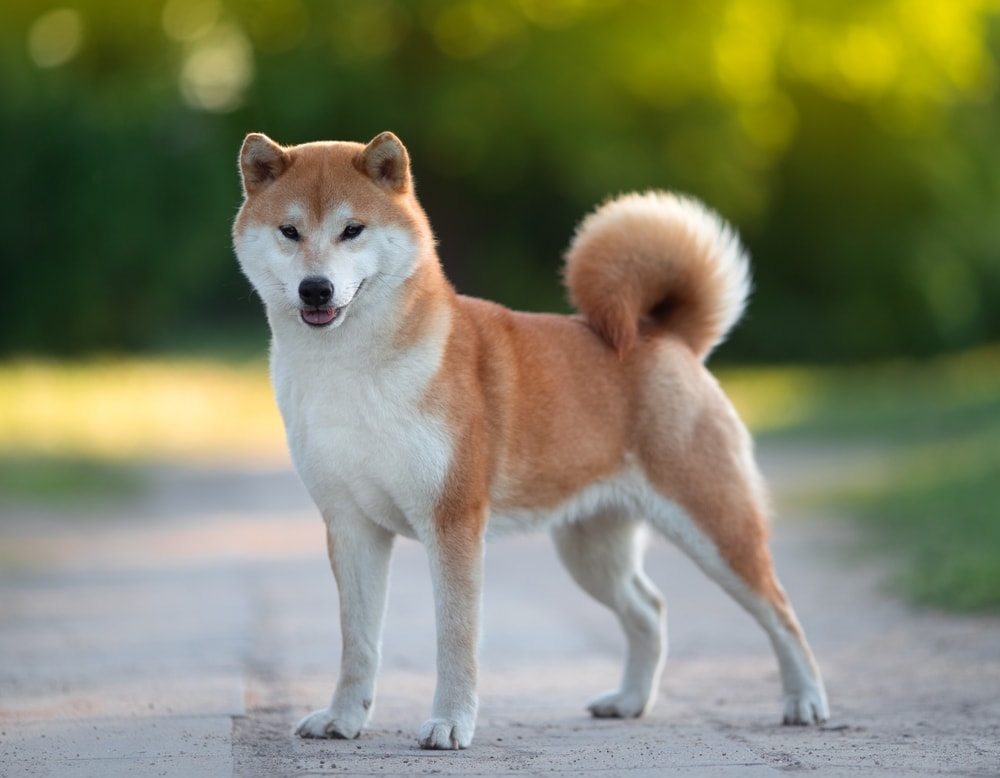
- The Shiba Inu comes in four colors: traditional red, white, black and tan, and goma, a mixture of black and red.
- They are more like cats than dogs. Shiba Inus have personalities that are often associated with cats. They are independent, stubborn, and often aloof. However, they remain faithful and loyal companions to their owners.
- Pusuke held the Guinness World Record for the longest-living Shiba Inu in 2010. He was owned by Yumiko Shinohara and lived for 26 years and 8 months, almost double the usual lifespan of a Shiba Inu.
- A Shiba Inu saved her family from an earthquake in 2004. Mari saved her litter of puppies and her elderly owner by waking her owner and moving her pups to a safe location. The owner had been trapped beneath a cabinet and was rescued by helicopter due to Mari’s quick actions. While he had to leave Mari and her puppies behind, they were still alive and waiting for him when he returned 2 weeks later. The story was made into a Japanese movie titled, “A Tale of Mari and Her Three Puppies.”

Final Thoughts
The Shiba Inu is an ancient dog breed that is honored in Japan. While they are now kept primarily as companion pets, they were originally bred as hunting dogs. Despite almost reaching extinction after World War II, the breed made a comeback. They are now a popular dog breed worldwide, with breeders working hard to maintain the dog’s bloodlines.
Related read:
Featured Image Credit: OlesyaNickolaeva, Shutterstock
Get Hepper In Your Inbox


Pet care tips from our vets and experts, straight to your inbox.
You may opt-out at any time. View our Privacy Policy for more information.

Chelsie is a freelance writer who is passionate about helping pet owners and beloved animals live their best lives. She lives in rural Alberta, Canada with her husband and two sons. She is also currently a pet parent to four horses, four cats, and a border collie.
Join the conversation
Ask a question, share your story, or send private feedback.