Hepper is reader-supported. When you buy via links on our site, we may earn an affiliate commission at no cost to you. Learn more.
15 Incredible Shiba Inu Facts That You Should Know Today!

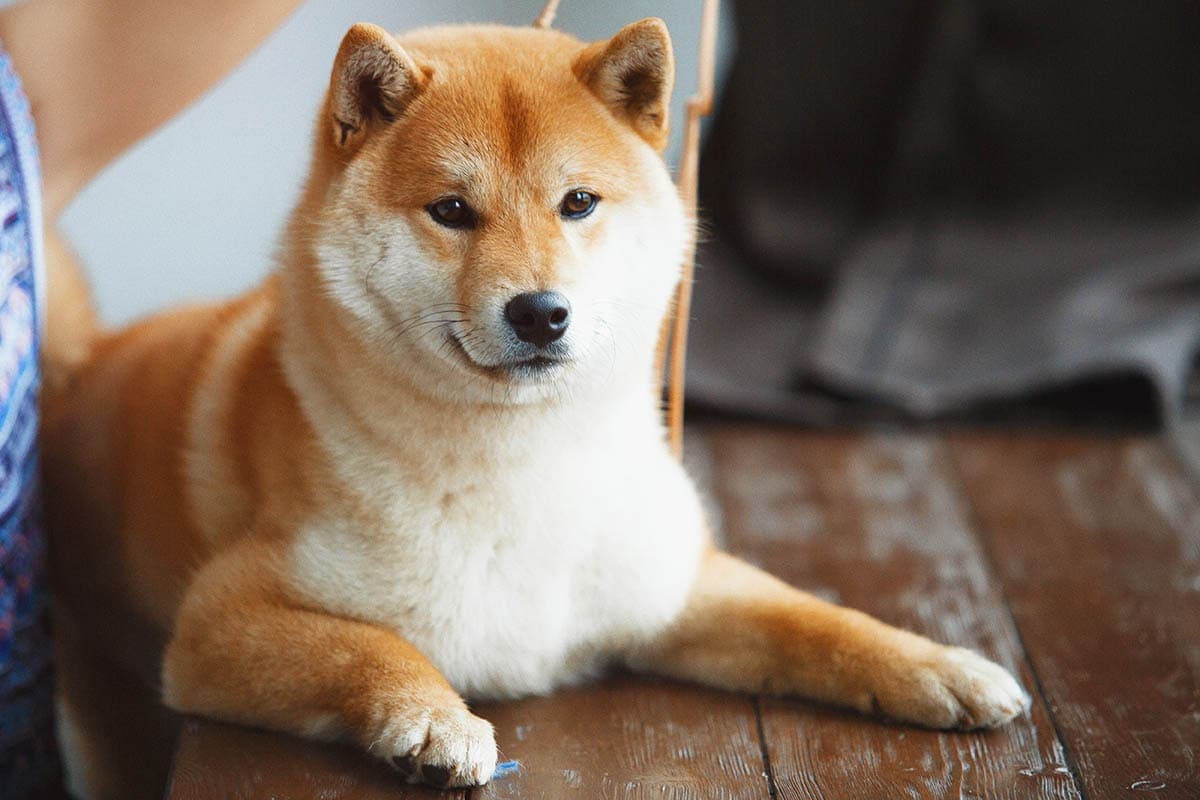
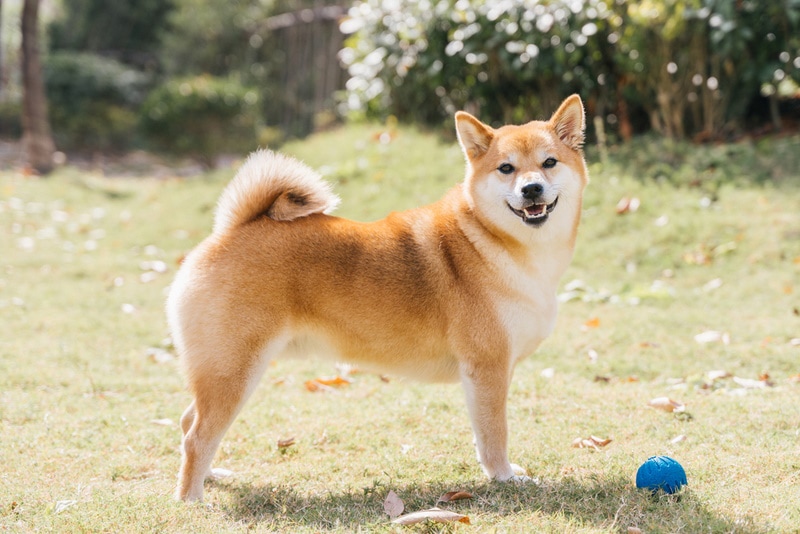
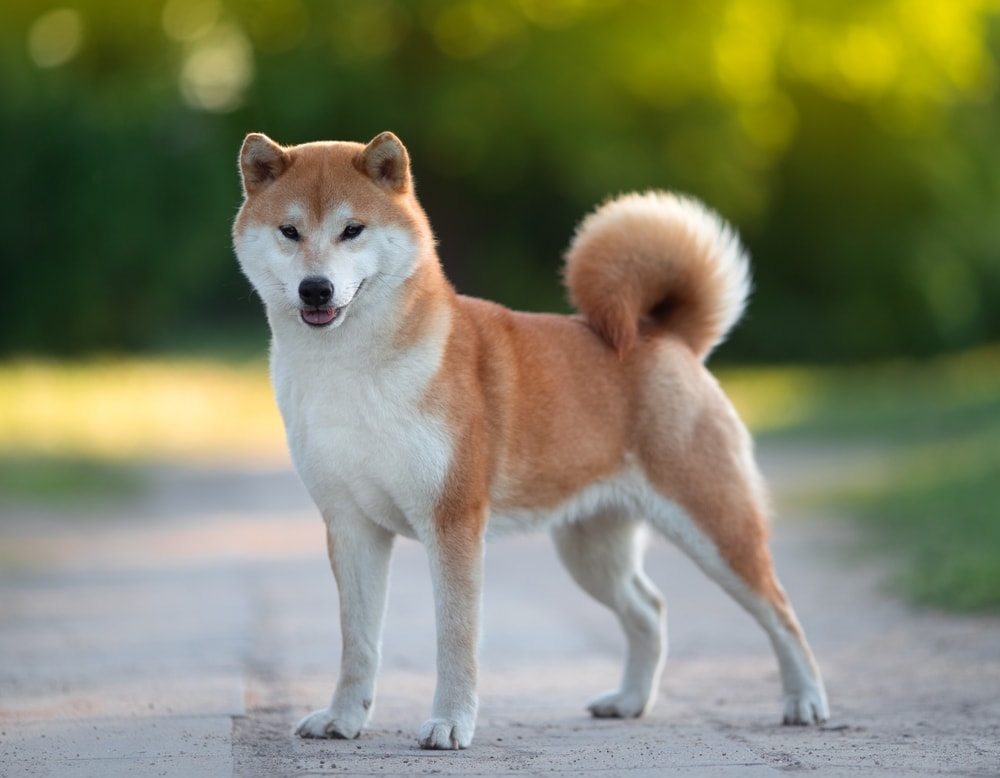
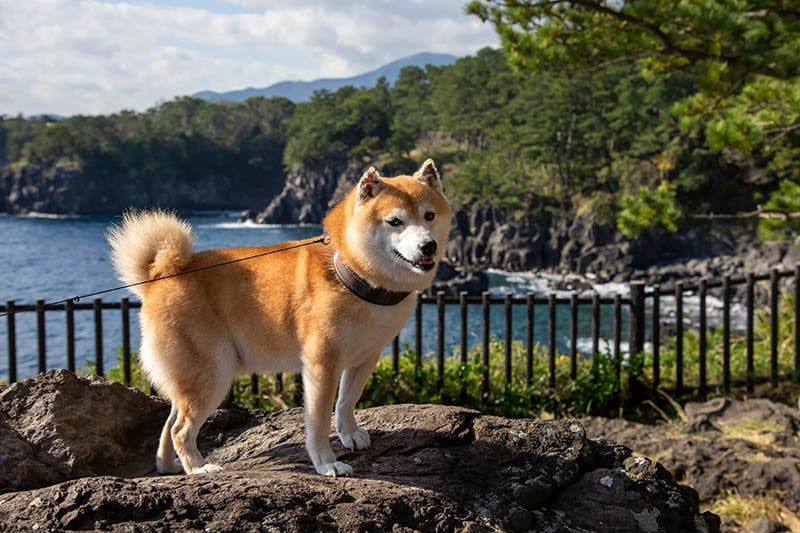
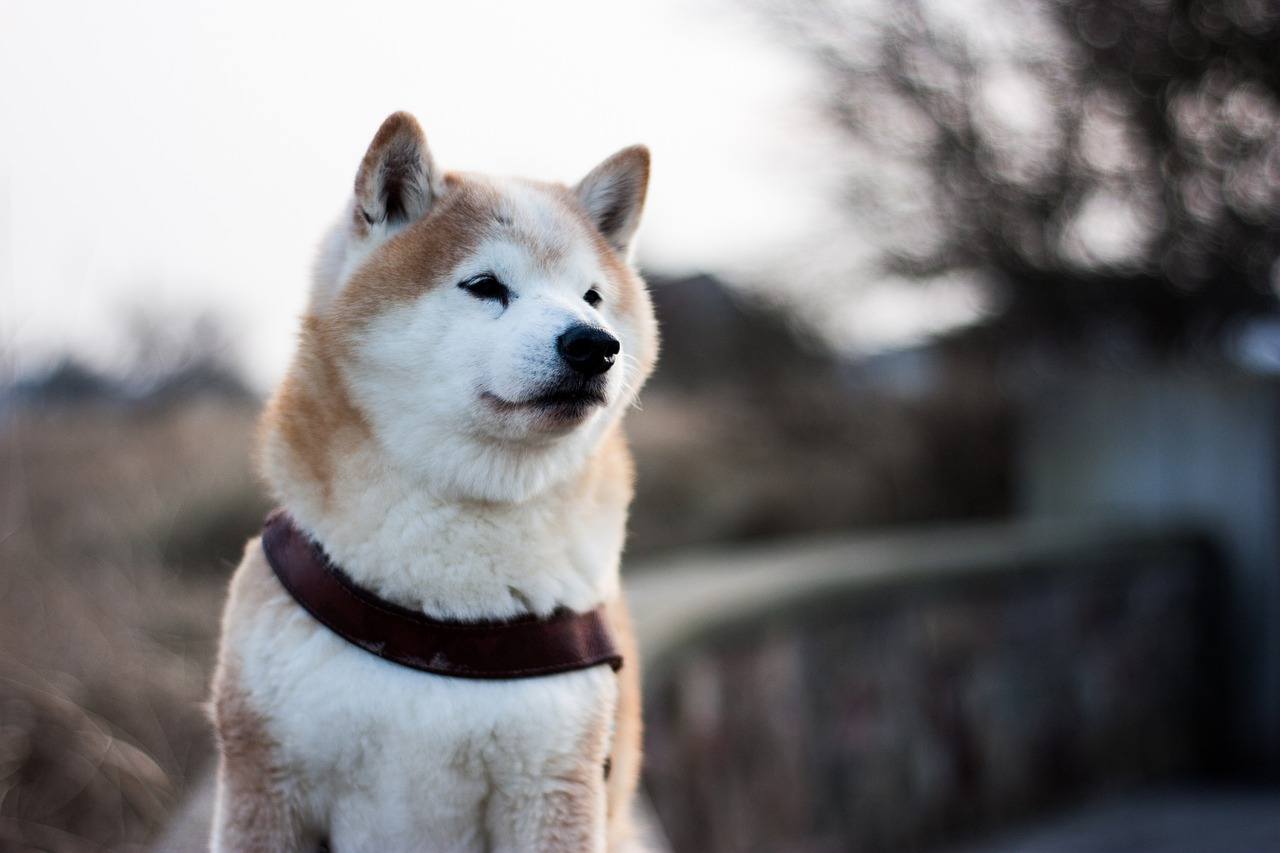
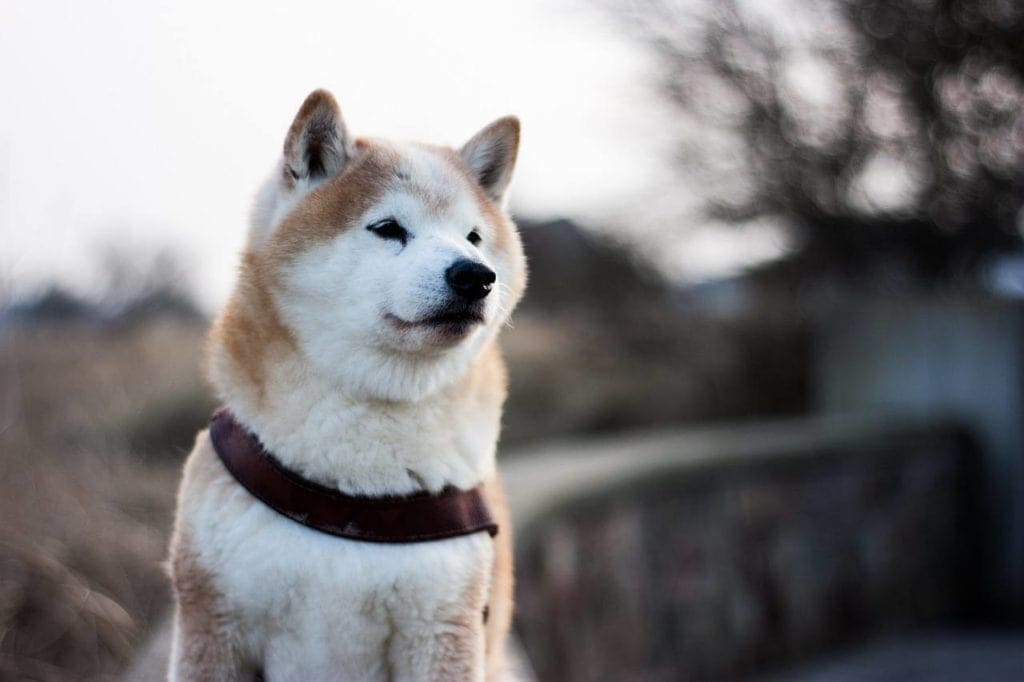
Shiba Inus, with their red coats, pointed ears, and black noses, strikingly resemble foxes. They arrived in the United States for the first time in the 1950s but have recently become more well-known. They are commonly found in popular doge memes and even in cryptocurrency. Are you thinking of getting a Shiba Inu? Here are 15 incredible facts about these cute pups you might not already know!

The 15 Amazing Shiba Inu Facts
1. The Shiba Inu Is an Old Dog Breed
The Shiba Inu is an ancient breed that is most popular in Japan. The earliest have been around since Japan’s Joman period, which dates back to around 7,000 B.C.

2. Origin of Their Name
In Japan, "inu" means a dog, while "shiba" implies brushwood. Shiba Inus may have received their name from the area where they hunted or from the color of their coat, which resembles autumnal brushwood. An etymological translation of their breed name from a dialect of Nagano Prefecture reveals that it also means "small brushwood dog."
3. These Canines Almost Went Extinct
In their long history, the Shiba Inu has faced two significant risks to their existence. The first event occurred in the Meiji Era (1868–1922), and the situation worsened during the Taisho Era (1912–1926). Japan's decision to break its isolation and import many western goods—including western dog breeds—was the catalyst for the situation. After the Taisho Dynasty, nearly no purebred Shiba Inus existed because breeders frequently crossed western dogs with local canines.
The second time the breed came dangerously close to extinction was during and after World War II. The bomb attacks, post-war hardship, and food shortages significantly reduced their numbers. In addition, because of a distemper pandemic that followed the war, a highly contagious canine viral infection almost wiped out the breed. The Shiba Inu population recovered after the war thanks to numerous breeding efforts. Most of the dogs that survived belonged to the Shinshu variety.

4. They Are One of Japan’s Six Recognized Native Breeds
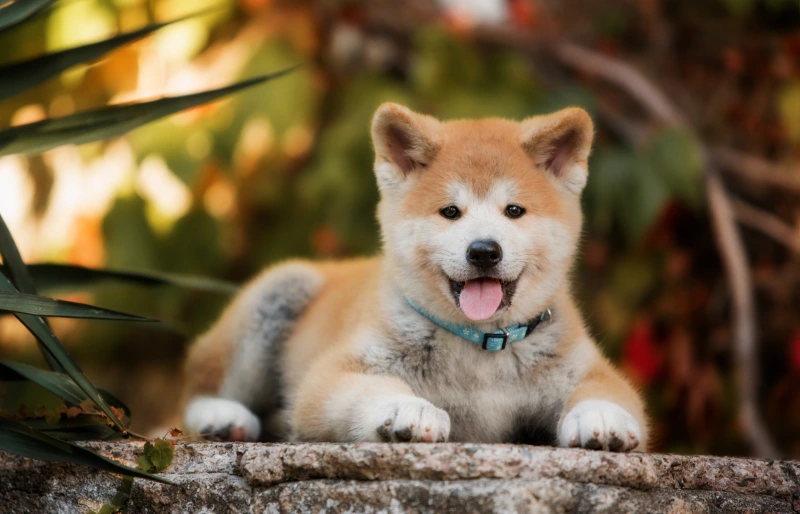
Although the Shiba Inu is often considered Japan's only national dog, the Akita, Hokkaido, Shikoku, Kishu, and Kai are all five additional native breeds that share many similarities in appearance. The Nihon Ken Hozonkai, the official organization for the preservation of Japanese dogs, has finally recognized them all as native breeds.
5. Shiba Inus Have Many Cat-Like Characteristics
The Shiba Inu resembles a cat more than a dog in many ways. These pups tend to be quite aloof, independent, and stubborn. Also, they spend a lot of time grooming and have a propensity for being very clean. To their owners, however, they remain incredibly devoted and loyal.

6. The Oldest Shiba Inu Lived to Be 26 Years Old
A Shiba dog from Tochigi Prefecture, raised by Yumiko Shinohara named Pusuke, held the Guinness World Record as the world’s oldest dog in 2010. He lived almost double the average life expectancy of a normal Shiba Inu, 26 years and 8 months.
7. The Shiba Inu Became a National Treasure of Japan in 1936
It was common for Japanese dogs in the early 20th century to be crossbred with non-native breeds. But all the preservation efforts by Nihon Ken Hozonkai brought the purebred Shiba Inu to the spotlight. Special public attention culminated when the breed became a national treasure of Japan in 1936.

8. There Is More Than One Type of the Shiba Inu
Historically, Shiba Inus were grouped into three types, the Mino, the Sanin, and the Shinshu, named after the regions in which they originated. The Shiba Inu today most closely resembles the Shinshu, but all three have contributed to the breed's development.
9. Shiba Inus Come in Many Colors
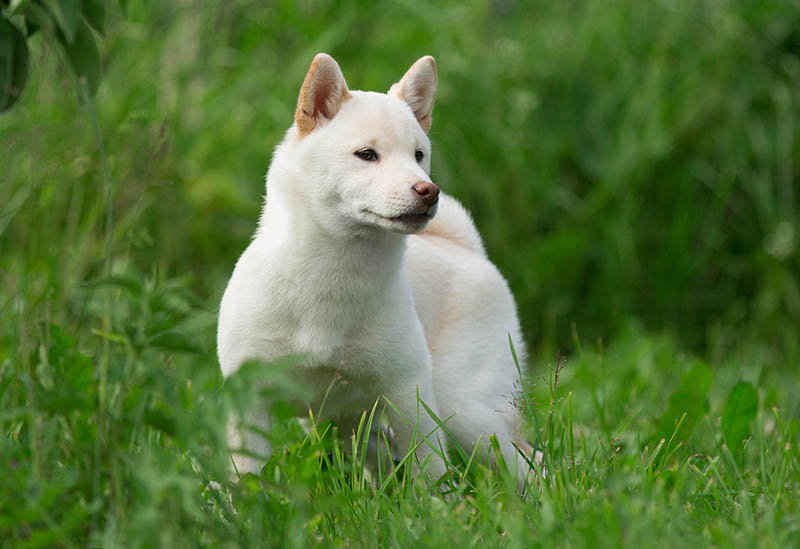
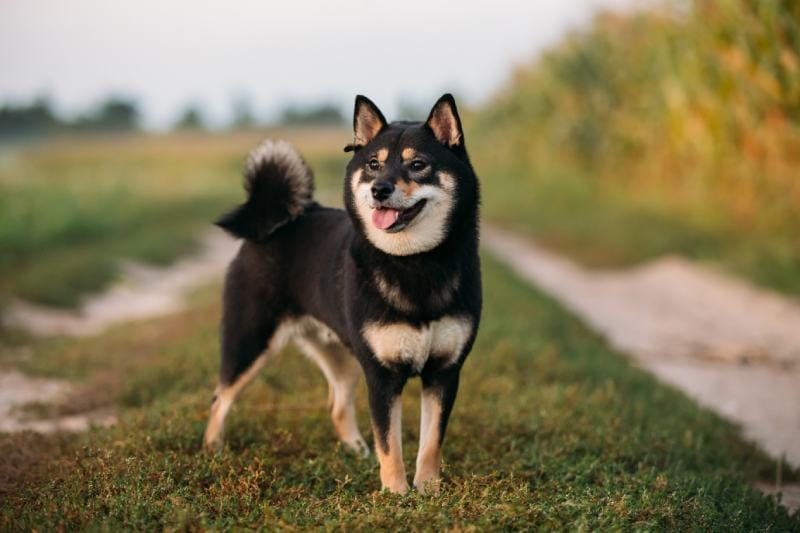
Most people mistakenly believe that Shiba Inus only have red fur, but this breed is quite diverse in color. These are red, black and tan, sesame, and cream. Cream is the rarest type and least desirable since Shiba dogs with this color can't enter show competitions.

10. Shiba Inus Were Hunting Dogs
Initially, people often used these dogs for hunting small prey such as foxes, rabbits, and wild poultry. They were also companions and hunting dogs of the Samurai. Although Shiba Inus rarely do these things today, they still retain good hunting instincts.
11. A Shiba Dog Named Mari Saved Her Family in an Earthquake
In 2004 when an earthquake destroyed homes in Yamakoshi, Mari saved her elderly owner and the puppies. She awakened the owner, who was trapped underneath a cabinet, so he could get out and be rescued by a helicopter. This touching story was made into a Japanese movie called “A Tale of Mari and Her Three Puppies.”
12. A Viral Meme Features a Shiba Inu
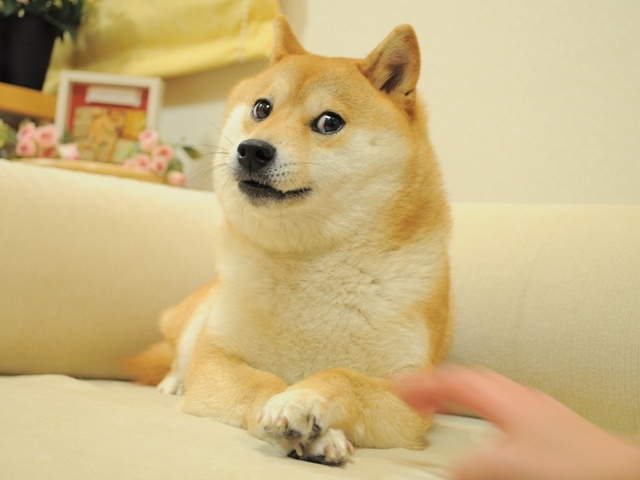
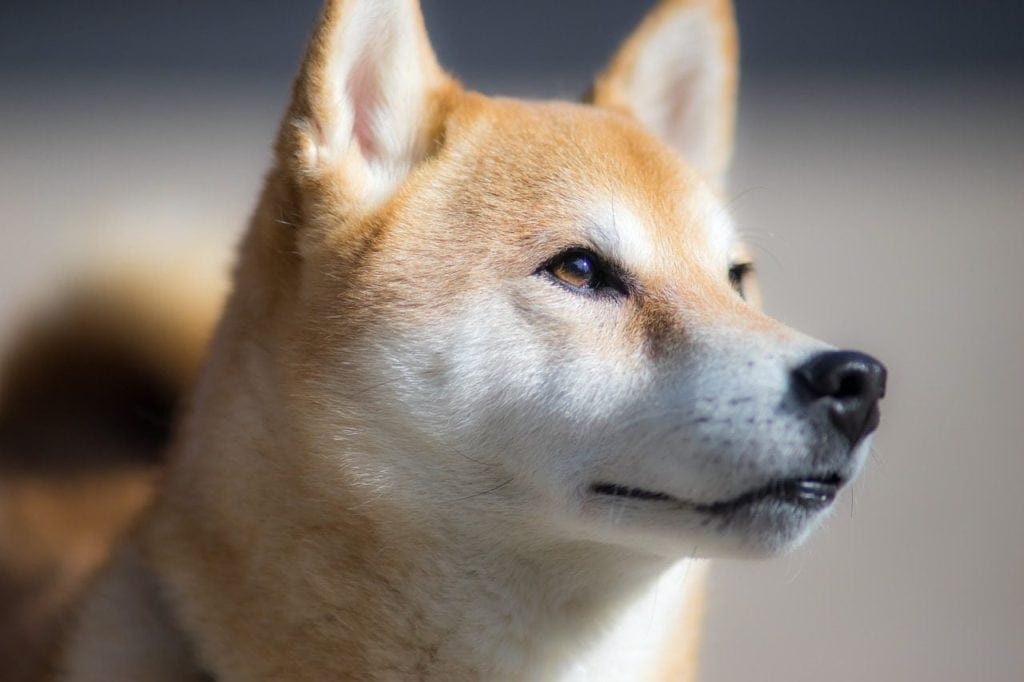
In the social media world, trends and memes change very quickly. But one of the most iconic memes on the internet is a Doge that presents the picture of a Shiba Inu named Kabosu.
This meme started gaining popularity in 2010 after it was used in a post on Reddit. But its popularity peaked in 2013 when two programmers introduced a cryptocurrency called Dogecoin. It is also considered the first “meme coin.”
13. Shiba Inus Have a Bold Personality
Spirited, alert, and kind are the three most common words that Japanese people use to describe the Shiba Inu breed. They are highly possessive, especially when the situation is related to their territory, food, and favorite toys. For example, if someone or an animal intends to take their food, these small canines will likely show their aggressive side.

14. Shiba Inus Are Masters of Escape
If you are considering buying or already own a Shiba Inu, you must know that you cannot trust that a Shiba without a leash won't escape, even if you have trained them before. A loose leash, an unlocked gate, or an open door are great opportunities for these canines to get out and run with all their hearts. So, keep an eye on your dog regularly.
15. Shiba Inus Shed a Lot
The thick double coat of the Shiba Inu sheds a lot, especially in the fall and spring. Be ready to vacuum the house and brush them regularly. Being a magnet for Shiba fur, be aware that wearing fleece clothes or black wool can become frustrating.
Conclusion
The Shiba Inu is a breed that takes a little while to warm up to and become acclimated to, but with patient owners, these pups make great companions. Just keep in mind that every Shiba has their own unique traits, and some dogs may be more independent than others. As you can see, there are many factors to take into account when determining whether or not a Shiba Inu is the ideal fit for your family. If you decide this breed is a good fit for you, be ready for what comes next!
You Might Also Be Interested In: Are Shiba Inus Hypoallergenic?
Featured Image Credit: Akbudak Rimma, Shutterstock
Get Hepper In Your Inbox


Pet care tips from our vets and experts, straight to your inbox.
You may opt-out at any time. View our Privacy Policy for more information.
Hanh is a freelance writer living in Vietnam. She has a big love for working online and writing about animals, especially dogs. She finds happiness in helping pet parents across the globe have a fulfilling life with their pets by sharing her knowledge and that of other experts. When not writing, she enjoys traveling and experiencing different cultures.
Join the conversation
Ask a question, share your story, or send private feedback.