Hepper is reader-supported. When you buy via links on our site, we may earn an affiliate commission at no cost to you. Learn more.
Whiteface Cockatiel: Facts, Origin & History (With Pictures)
In this article
Cockatiels are amazing little birds that have become popular household pets due to their generally calm nature and the ease of care that is required compared to other types of household animals that we all know and love. There are various types of cockatiels to consider getting as a pet, and one such option is called the Whiteface Cockatiel. Here is some interesting information about the Whiteface Cockatiel that every prospective owner or enthusiast should know about.
| Length: | 11–13 inches |
| Weight: | 3–4 pounds |
| Lifespan: | 16–25 years |
| Colors: | Gray body, white or gray head |
| Suitable for: | Families, singles, seniors, first-time pet owners |
| Temperament: | Sociable, intelligent, affectionate, charming |
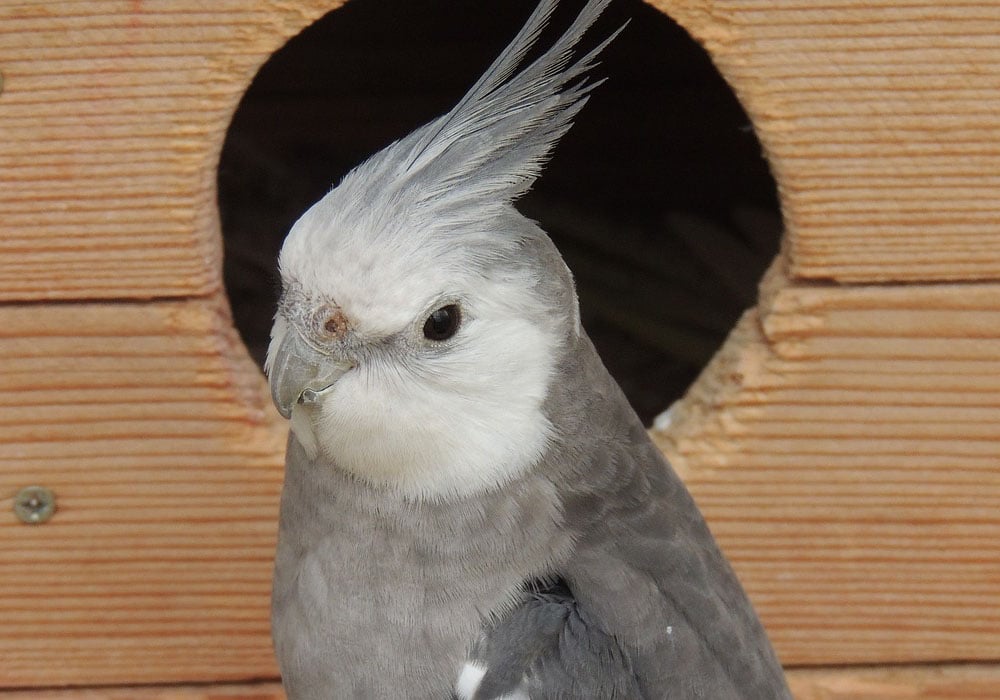
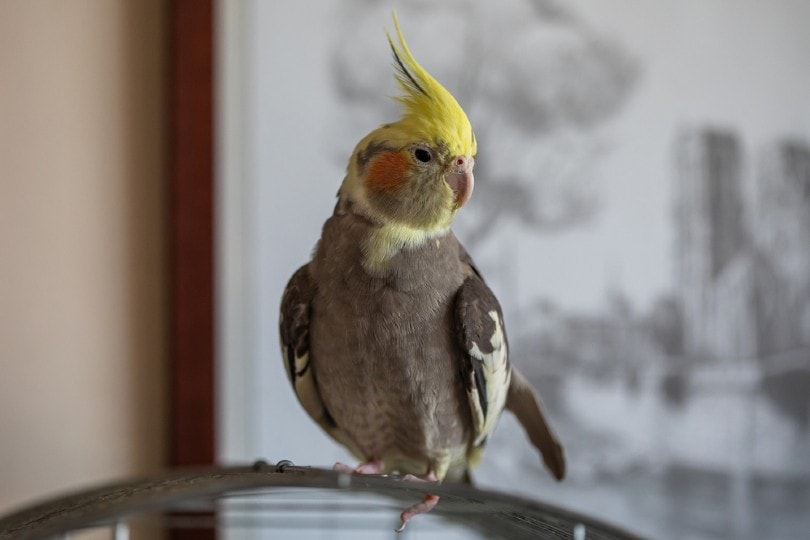
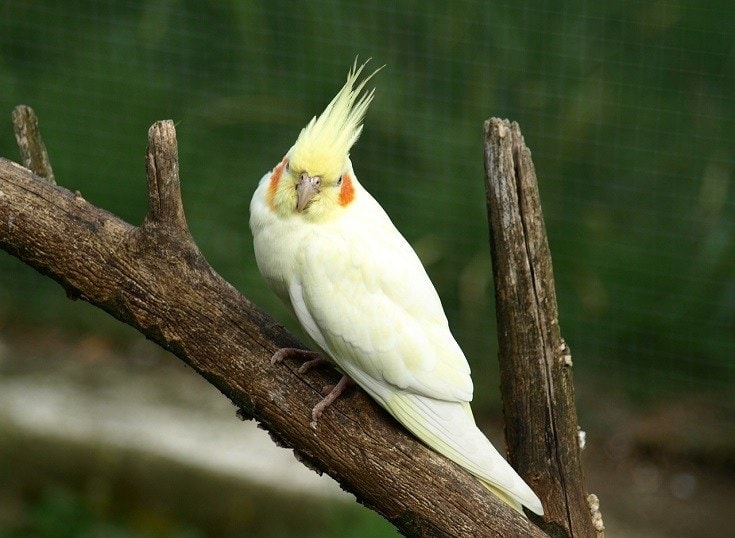
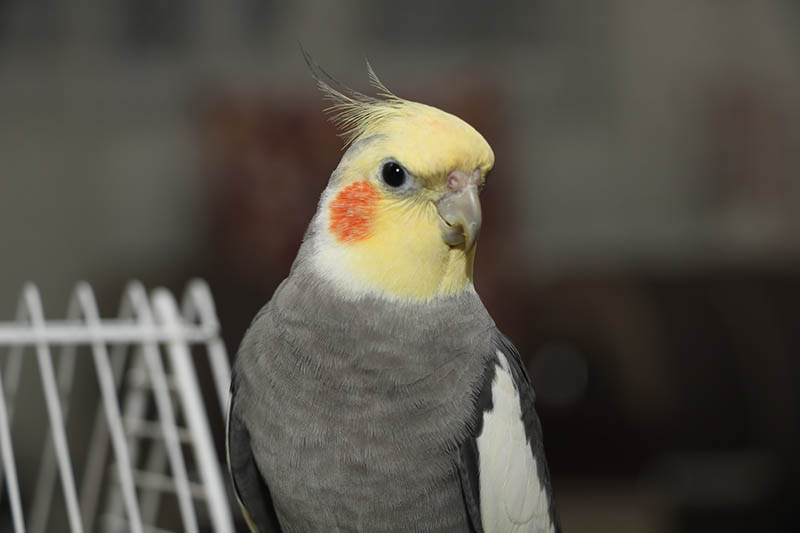
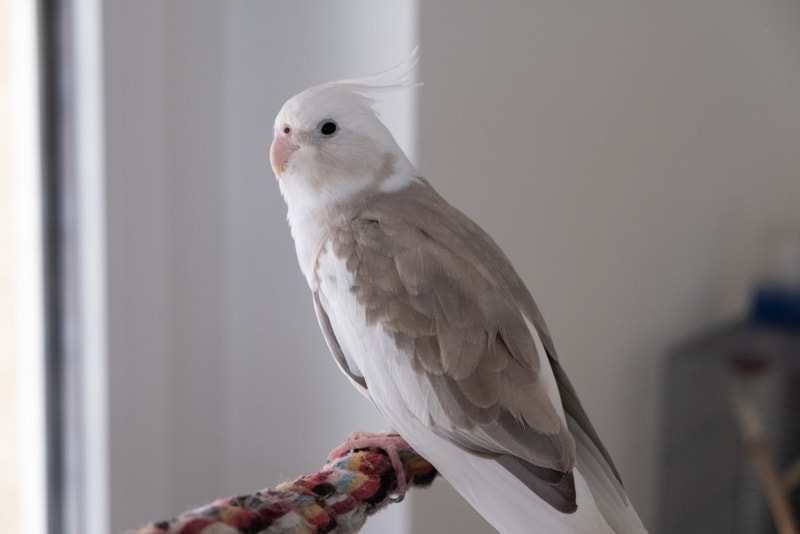
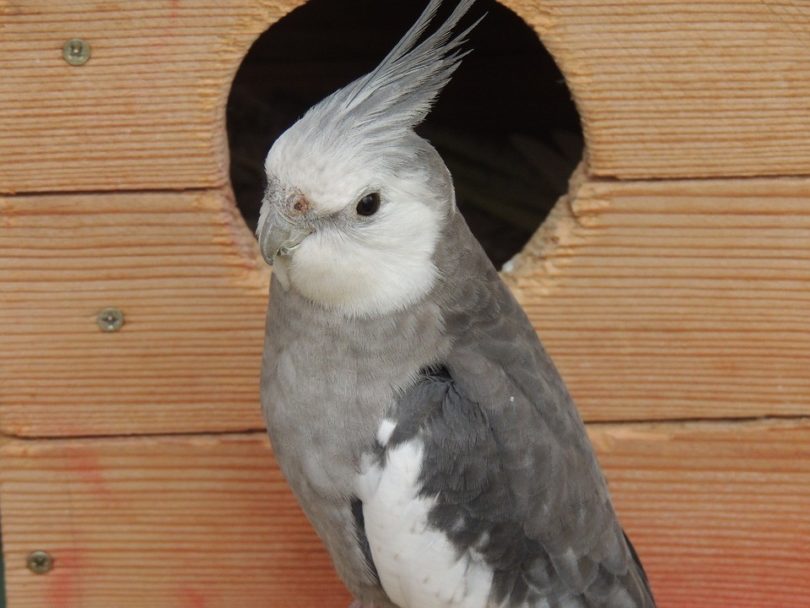
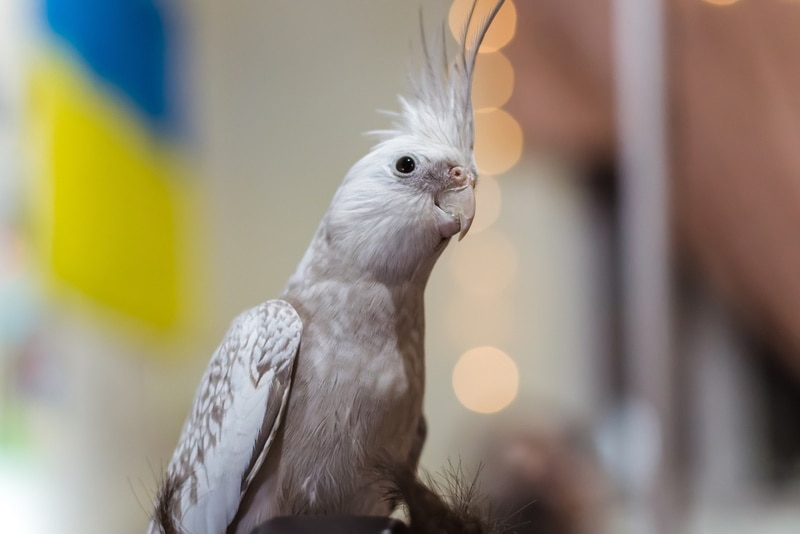
The Whiteface Cockatiel is characterized by a genetic mutation that is responsible for their mostly white face. They are different from the average cockatiel because they don’t have the well-known circular orange markings on their cheeks. Considered charming, sociable, and gentle, these cute little birds are known for being amazing household pets.

Whiteface Cockatiel Characteristics
Pet birds are definitely going to be a bit different than owning a dog or cat. However, this specific cockatiel breed has generally high ratings regarding energy, trainability, health, lifespan, and sociability. Keep reading for the details.
The Earliest Records of the Whiteface Cockatiel in History
Cockatiels as a whole have evolved by changing location based on food and water resources. They are the smallest member of the cockatoo family, originating in the outback of Australia where they prefer wetland areas to live. They could also be found in bushlands and scrublands more inland. Today, they do still live in the wild, but many have been domesticated and reproduced to create pets for the many households throughout the world that demand them.
Certain types of cockatiels, such as the Whiteface, were developed in captivity and are not native to the wild. As the seventh established cockatiel mutation, the Whiteface Cockatiel was first established when it appeared as a domesticated bird in 1964 in Holland. Since, this bird has become extremely popular throughout Europe, the United States, and other parts of the world.
How the Whiteface Cockatiel Gained Popularity
There is no documentation to substantiate when the Whiteface Cockatiel gained popularity; however, it is safe to say that they did so over time like most domesticated animal breeds. These are established birds that are popular worldwide now, but their availability and popularity vary from place to place, even within countries like the United States. In some states, you may find a plethora of breeders whereas in some states you might not find any.
Formal Recognition of the Whiteface Cockatiel
There is no formal recognition of the Whiteface Cockatiel like there is for most cat and dog breeds. This does not make the bird any less important than any other animal that we recognize in this world. It just means that they are not officially recognized by any type of club that is nationally or internationally significant.
Top 5 Unique Facts About the Whiteface Cockatiel
We are sharing facts about both the Whiteface Cockatiel and the cockatiel in general, as the general facts very much correlate to the Whiteface version of the bird.
1. Whiteface Cockatiels Feature Grey Plumage
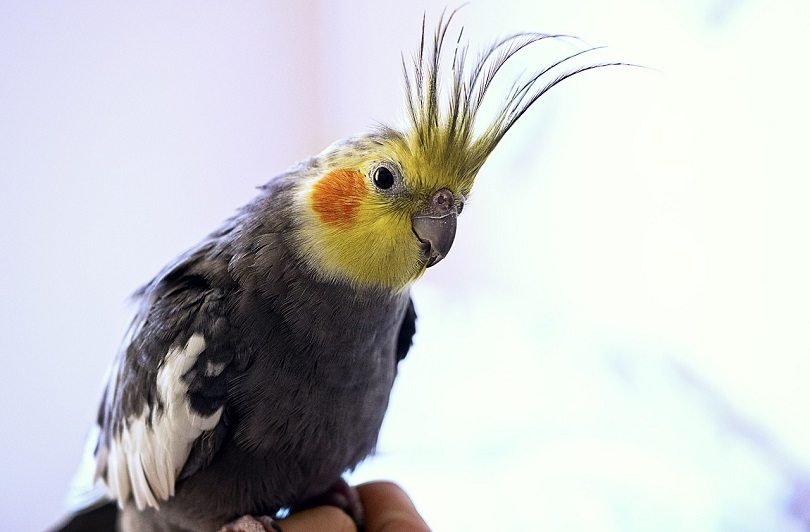
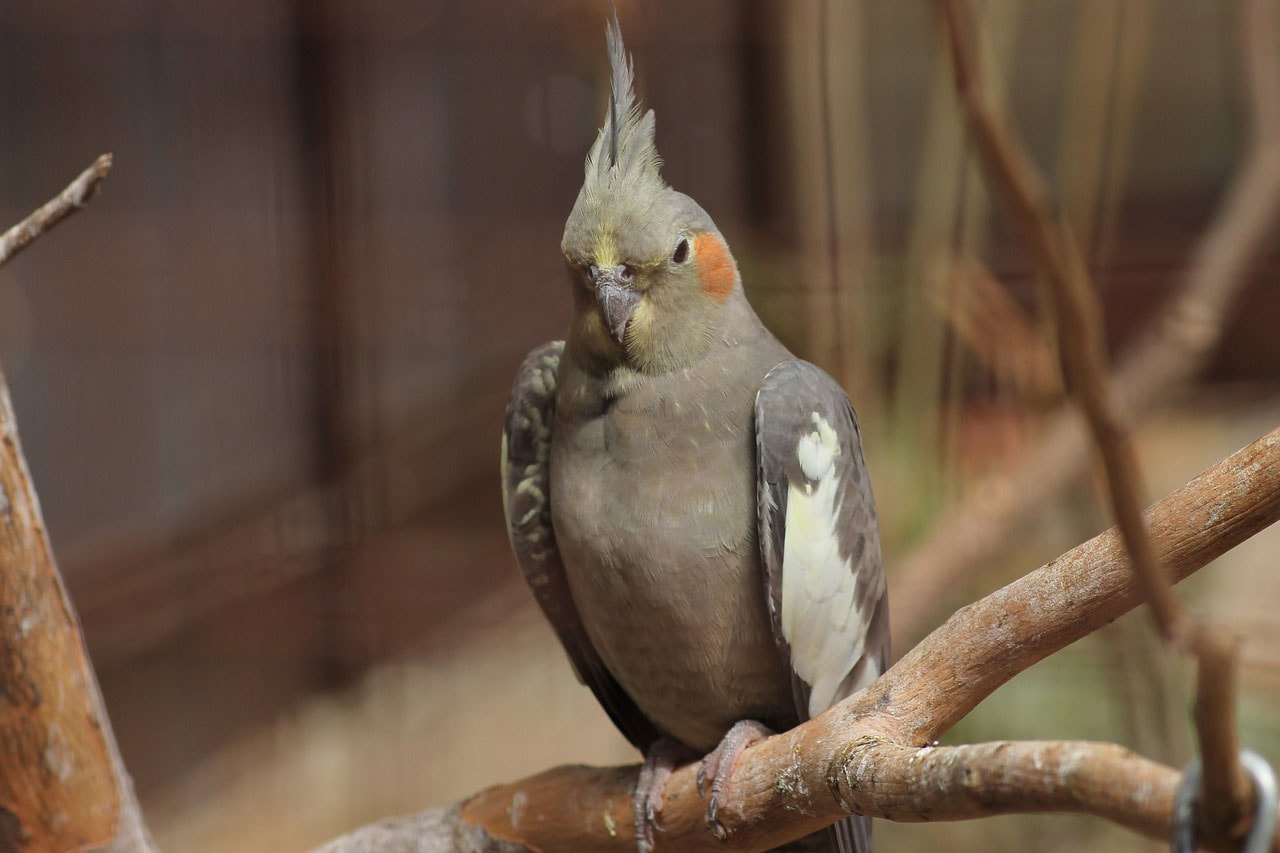
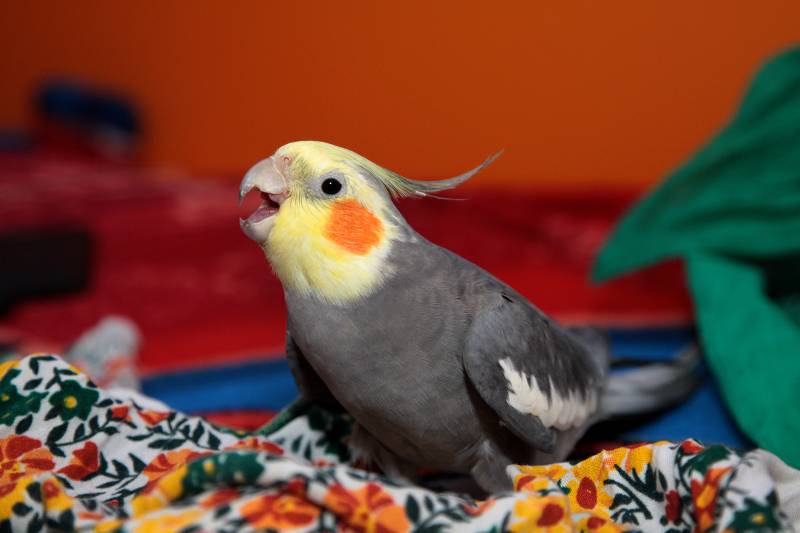
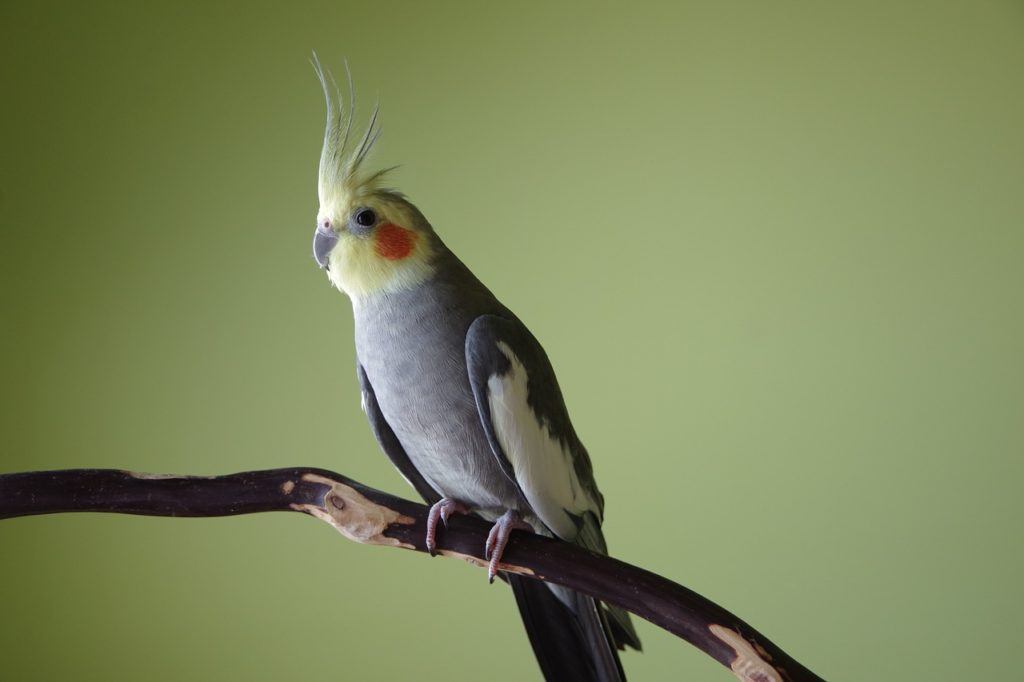
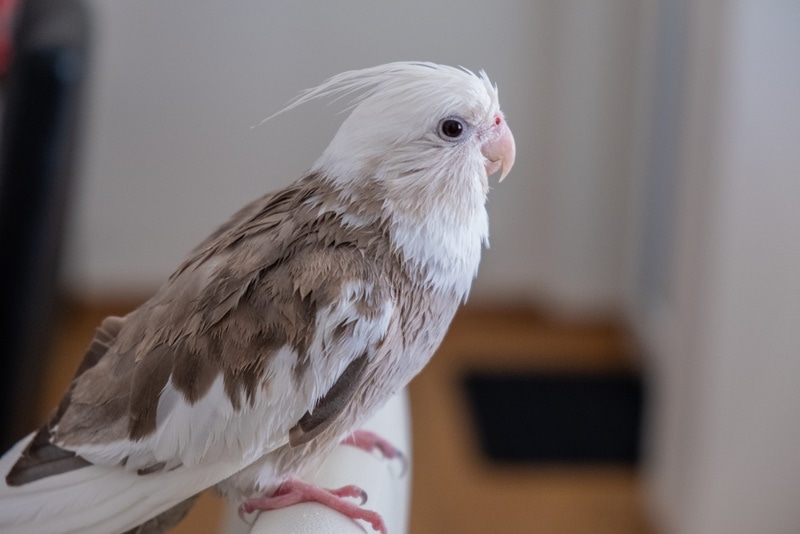
The average Whiteface Cockatiel has grey plumage, usually saturated on the wings and sometimes the back end. Their heads may also feature a greyish tint, but they almost always have tails and undersides filled with white plumage and white crests.
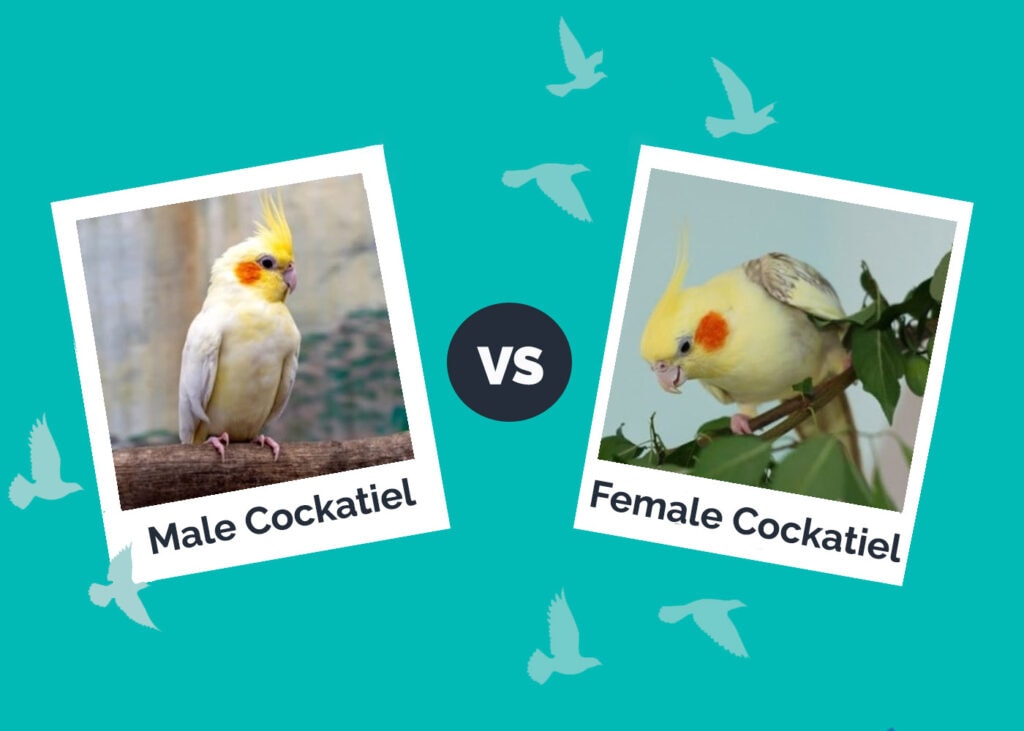
2. Males Tend to Whistle and "Sing" Better Than Females
Naturally, males are better “singers” than females because that is how they attract the female’s attention for reproductive purposes. In the wild, a male cockatiel puts on a big show of song and dance for potential mates. So, it makes sense that even male cockatiels living in captivity would carry on their traditions for attracting the opposite sex.
3. Some Cockatiels Can Talk!
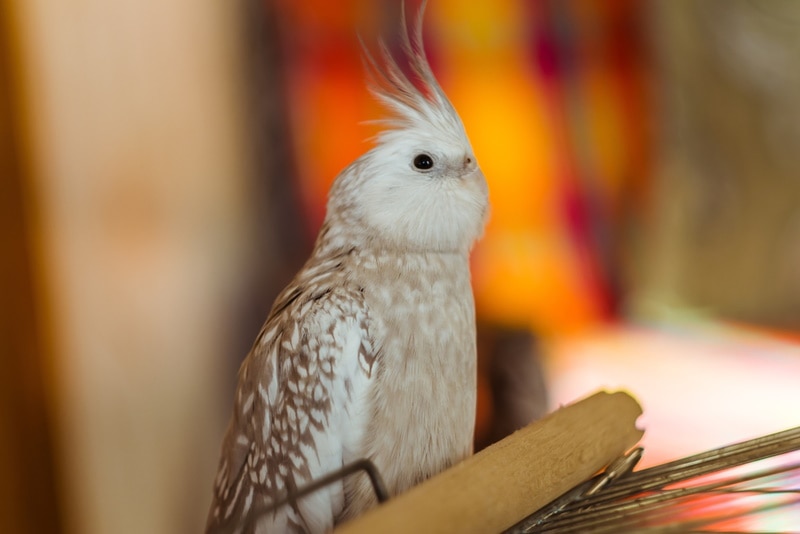
It is not a common occurrence among cockatiels in general, but many cockatiels, Whiteface or otherwise, can learn how to mimic the words of people they listen to. These smart little birds are trainable, so spending time each day with them while repeating words you want them to mimic can result in a “talking” parrot of sorts.
4. The Males Also Have Parental Instincts
For many bird species, the fact is that females do all the parenting. However, this is not the case when it comes to cockatiels. The males tend to stick around and provide protection for their babies while the females go out and hunt for food or take care of other duties. It is been observed that the males are even more caring and nurturing than the females.
5. The Cockatiel’s Crest Tells a Lot About Their Mood
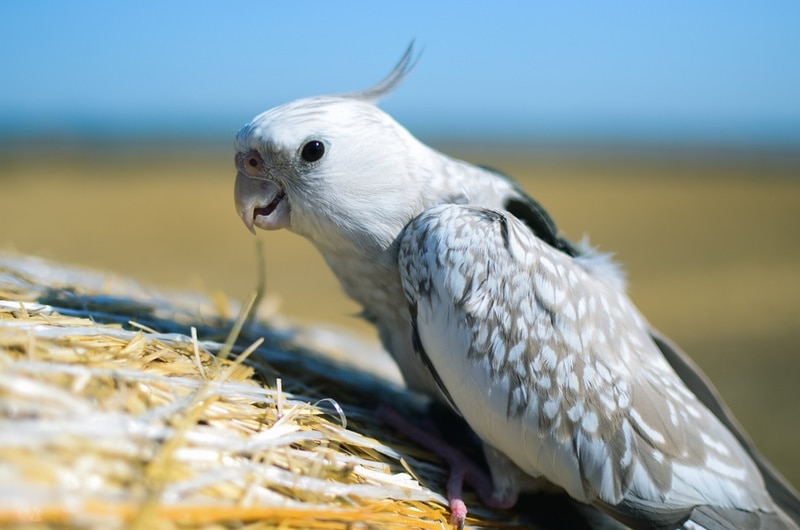
The cockatiel sports a crest of feathers atop its head that can help clue you into how they are feeling. For example, when the crest points straight up in the air, a cockatiel is likely to be feeling in an investigative and/or curious mood. Other things the crest might let you know include:
Does the Whiteface Cockatiel Make a Good Pet?
Yes! The Whiteface Cockatiel can make for an excellent household pet. They are fairly easy to care for, which is perfect for first-time pet owners. They are engaging, which makes them interesting to children who want to learn to care for animals. They make great companions for singles too.
While this bird is easier to care for than many other types of household pets, they still require lots of patience, attention, and interaction to maintain happy lives. They also require a commitment to a balanced diet that helps promote a long and healthy life as time goes on. So, owning a Whiteface Cockatiel is as big a responsibility as it is a privilege.

Conclusion
These cute little birds are smart, interactive, sociable, and gentle, and can also be independent, making them an excellent pet choice for households of most shapes, sizes, and backgrounds. With a proper diet, regular veterinarian care, and lots of love, attention, and interaction, your pet Whiteface Cockatiel can live up to 25 years.
Sources
Featured Image Credit: Zdenka Kincel, Shutterstock
Get Hepper In Your Inbox


Pet care tips from our vets and experts, straight to your inbox.
You may opt-out at any time. View our Privacy Policy for more information.

Rachael has been a freelance writer since 2000, in which time she has had an opportunity to research and write about many different topics while working to master the art of fusing high-quality content with effective content marketing strategies. She lives off the grid in Hawaii with her husband, her garden, and her rescue animals including 5 dogs, a cat, a goat, and dozens of chickens. She is an artist at heart and loves to read, paint, and make jewelry in her spare time. As a vegan, Rachael is obsessed with helping animals in need both in her community and anywhere in the world where she feels she can make a difference. Animals also happen to be her favorite topic to write about!
Join the conversation
Ask a question, share your story, or send private feedback.