Hepper is reader-supported. When you buy via links on our site, we may earn an affiliate commission at no cost to you. Learn more.
Why Cats Hate Belly Rubs: Science-Based Facts & FAQ
In this article
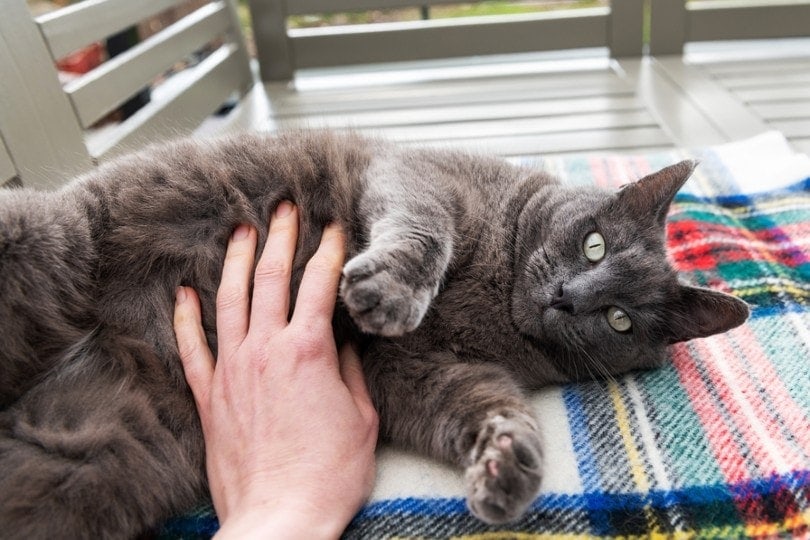
As many cat owners have found out the hard way, our feline friends can have strong opinions when it comes to how, when, and where they like to be petted. Sometimes those opinions change from day to day or even hour to hour it seems! The one thing most cats seem to agree on, however, is that they don’t like their bellies to be rubbed.
So why do cats hate belly rubs? Well, it turns out there are actual scientific reasons behind most cats' dislike of belly petting.
Cats are more sensitive to the touch on their bellies, thanks to the type of hair that grows there. A cat may also be reacting instinctively to protect the most vulnerable part of their bodies when they swat your hand away during belly rubs. Keep reading to learn more about the science behind why cats hate belly rubs.

Can’t Touch This: Why Cat Bellies Are So Sensitive
One reason that cats hate belly rubs is that the hair on their bellies is more sensitive to touch than in other areas. A cat’s hair grows from hair follicles, located in the middle skin layer, the dermis. Hair follicles contain blood vessels and sensory nerves, which transmit feelings such as touch and pain to the cat’s brain.
Some of the cat’s hair follicles are more sensitive than others. For example, a cat’s whiskers grow from hair follicles just like their other hair. The whisker hair follicles contain so many nerves and blood vessels that a cat’s whiskers are as sensitive to touch as human fingers.
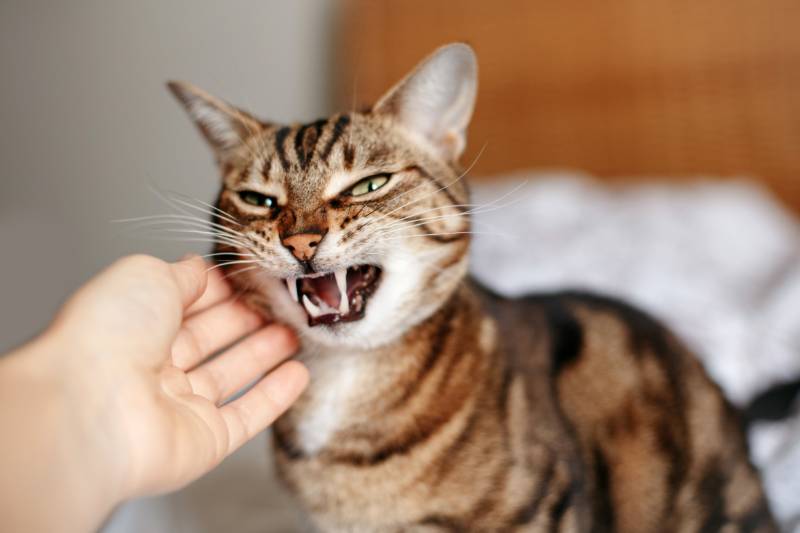
While they don’t contain as many nerves and vessels as whisker follicles, the cat’s belly hair follicles contain enough to make the sensation of being touched in that area overwhelming. That overstimulating feeling can lead to the cat reacting aggressively during a belly rub.
Don’t Hurt Me: Why Cats Guard Their Bellies
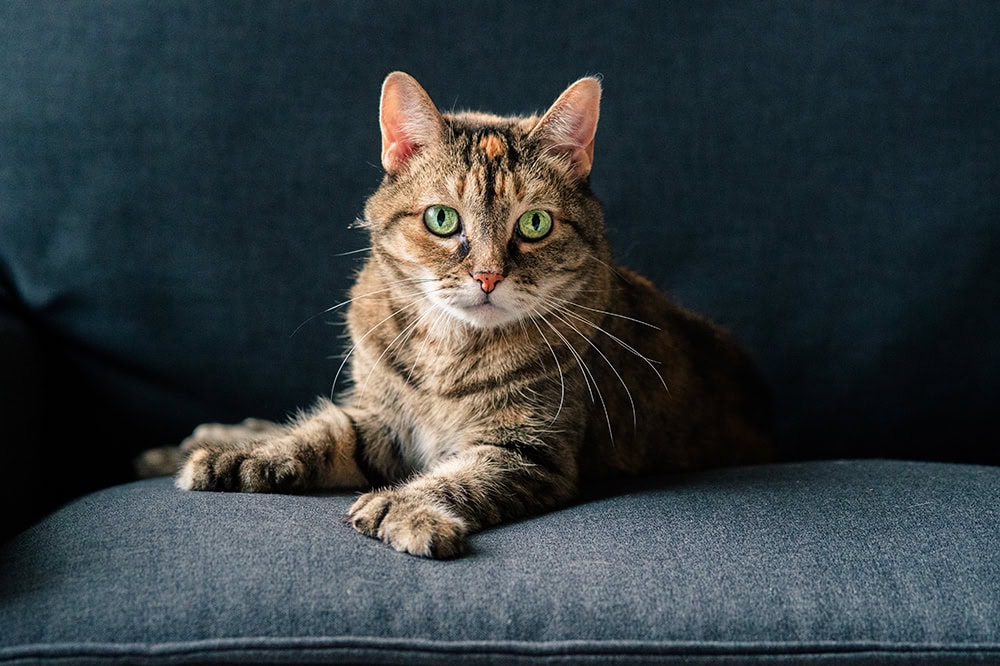
Another reason your cat may hate belly rubs is that they feel they need to protect themselves and a vulnerable part of their bodies.
A cat’s belly contains many vital organs like the liver, kidneys, and intestines. Any kind of attack or injury to that area of their body could result in serious consequences or even death. In the wild, fighting animals often attack each other’s soft undersides, knowing they will be able to inflict major damage.
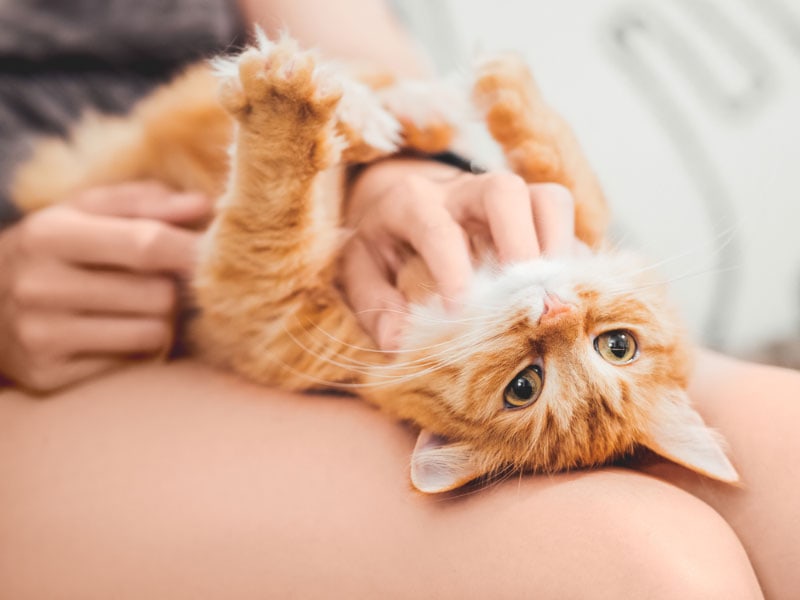
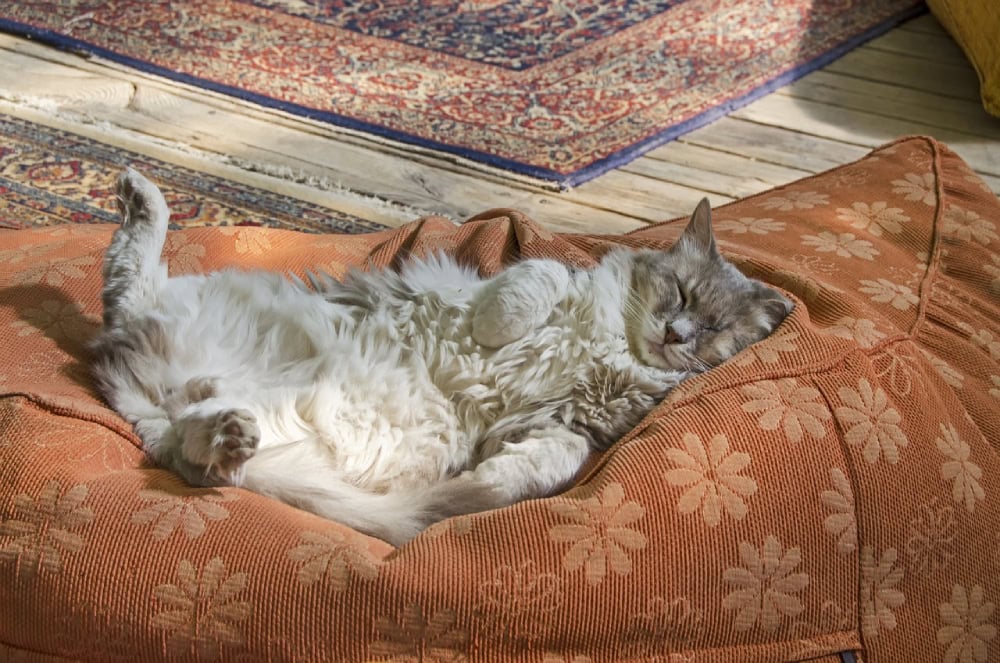
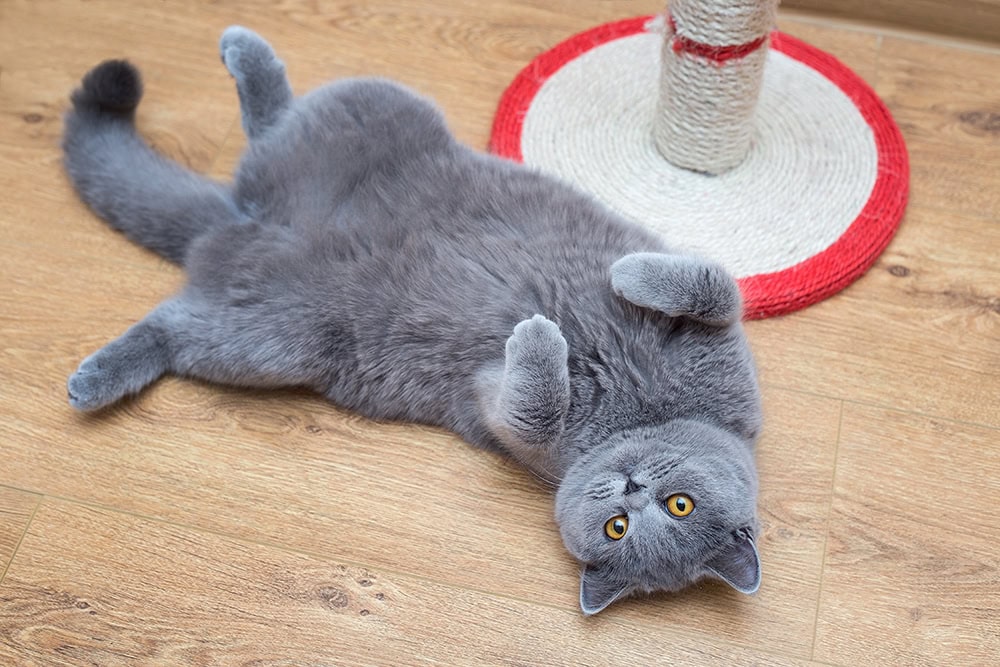
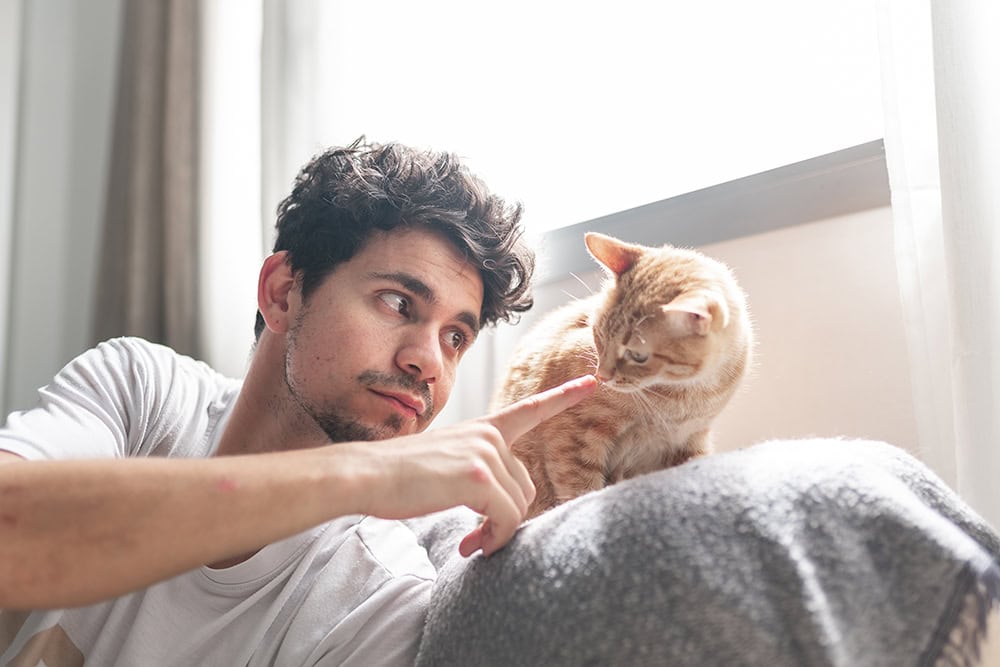
Because a cat’s instinct is to protect themselves, they may automatically react to a friendly belly rub as if it were a vicious attack. Yes, this behavior can be confusing because many cats who feel they are in a safe environment—like your home—will roll over and expose their bellies.
While this may seem like an invitation for a belly rub, that’s not always the case, as you may find out if you try it on your own cat. Rolling over is often your cat’s way of saying they trust you not to touch their belly, so when you do, they may feel that trust was misplaced!
Sometimes your cat may react to a belly rub by attacking your hand in a playful manner rather than an aggressive one. Cats often wrestle and play with other cats while on their back so that could be what’s going on here. However, play aggression can turn into a serious behavior problem and should not be encouraged.
Where Does Your Cat Want To Be Pet?
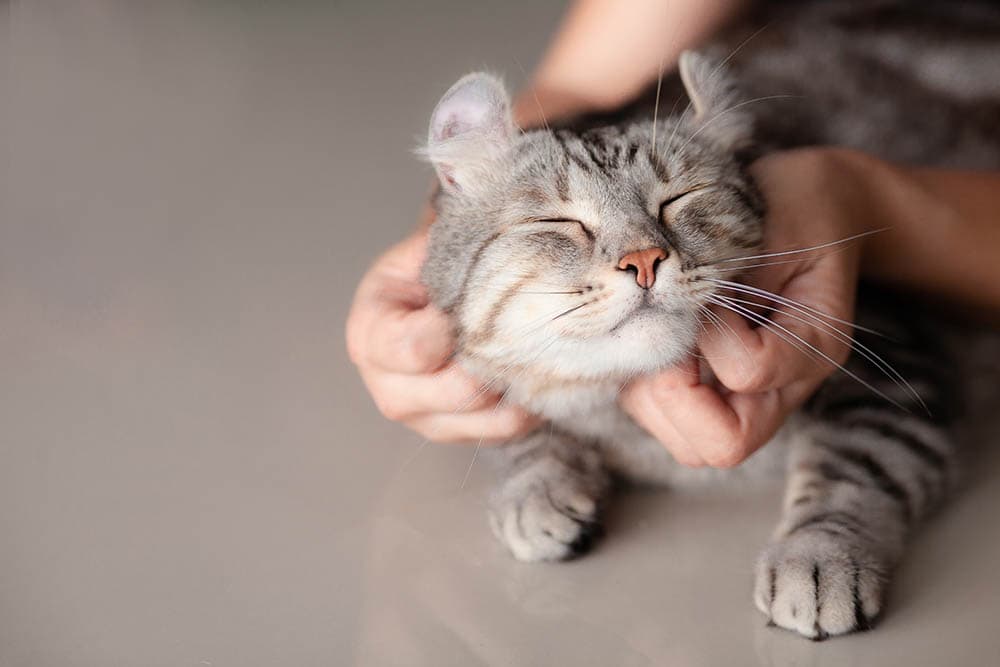
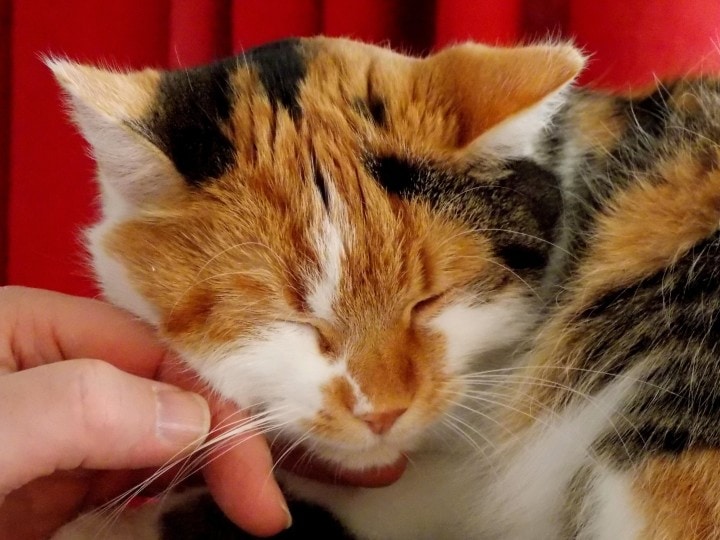
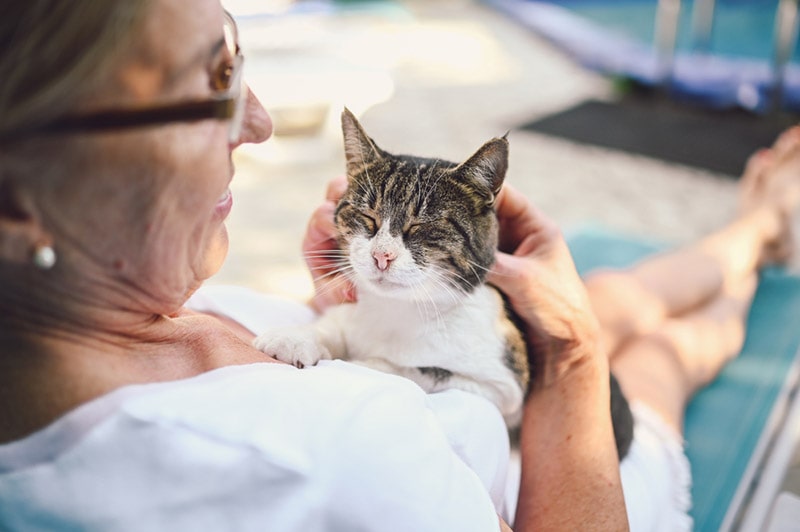
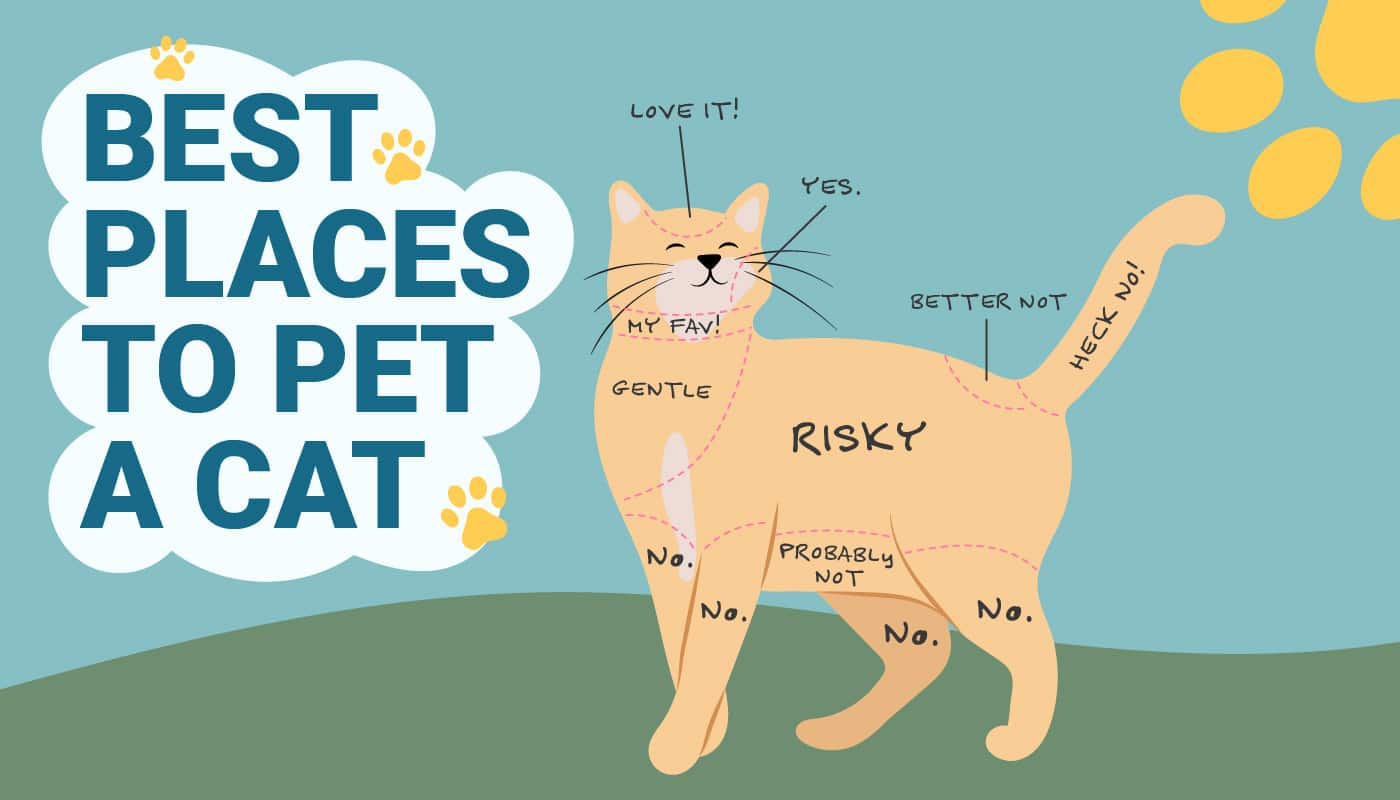
Since you rub your cat’s belly at your own risk, where is the safest place to pet your cat? Veterinarians and other experts have always suggested that cats most like to be pet on the head, cheeks, and chin. Scientists in England did a study that concluded that the head is indeed the area cats most like to be touched.
It’s thought that cats prefer to be stroked on their face because that’s where many of their scent glands are located. Cats use scent to communicate among themselves, including to mark their territory.
Petting your cat’s face gets their scent on your hands, allowing the cat to claim you as their own. In addition, when you touch other objects after petting your cat, you’re doing your cat a favor by spreading their scent even further without any effort from them!
Every cat’s tolerance for petting is different. Most cats will let you know they are done with being touched in some way, sometimes even by biting. Learning the signs that your cat dislikes being petted or would like you to stop petting them will save you some pain and help preserve the bond between you and your cat.
Final Thoughts
Not every cat hates belly rubs and some rare cats may tolerate or even enjoy being pet on their belly occasionally. However, these cats are few and far between, and trying to rub your cat’s belly is unlikely to end well. Even the researchers in the study we discussed didn’t try to measure how cats felt about being petted on their bellies.
Science may explain why cats hate belly rubs but those scientists didn’t feel the need to prove just how much!
See also:
Featured Image Credit: FotoMirta, Shutterstock
Get Hepper In Your Inbox


Pet care tips from our vets and experts, straight to your inbox.
You may opt-out at any time. View our Privacy Policy for more information.

A lifelong lover of all creatures great and small, Elizabeth got her first cat at 5 years old and at 14, she started working for her local veterinarian. After spending more than 20 years working as a veterinary nurse, Elizabeth decided to step away to become a stay-at-home parent to her daughter. Now, she is excited to share her knowledge with our pet parents. Elizabeth lives in Iowa with her family, including her two fur kids, Linnard, a husky mix and Algernon, the worldʻs most patient cat. When not writing, she enjoys reading, watching soccer, and spending time outdoors with her family.
Join the conversation
Ask a question, share your story, or send private feedback.