Hepper is reader-supported. When you buy via links on our site, we may earn an affiliate commission at no cost to you. Learn more.
Why Is My Cat Pouncing? Breakdown of Feline Body Language

Picture this: it's a blustery day outside and an orange tabby cat is on the prowl through its home. Suddenly, it pounces and lands on a yellow stuffed bear—its favorite toy. If this scene sounds familiar, it's probably for one of two reasons:
One: You've seen Winnie the Pooh, or Two: You've seen this scene play out in your own home on more than one occasion.
Cats, especially ones that spell their name T-I-double-Guh-Er, are known for their cuddly and playful natures, but sometimes they exhibit behaviors that are baffling to their human counterparts. The good news is that in most situations, pouncing is a normal behavior that isn’t a cause for concern. Pouncing in cats is generally due to playfulness or aggression. Read on to learn more about pouncing and when it might be a cause for concern.

Playful Pouncing
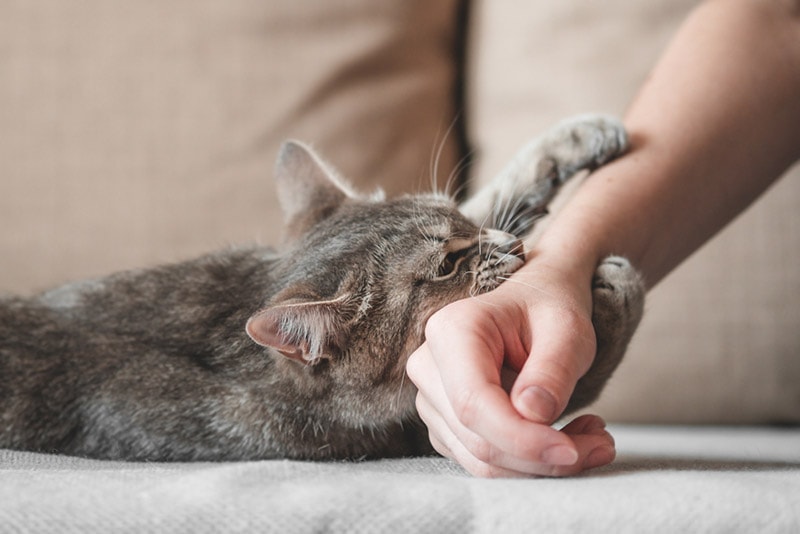
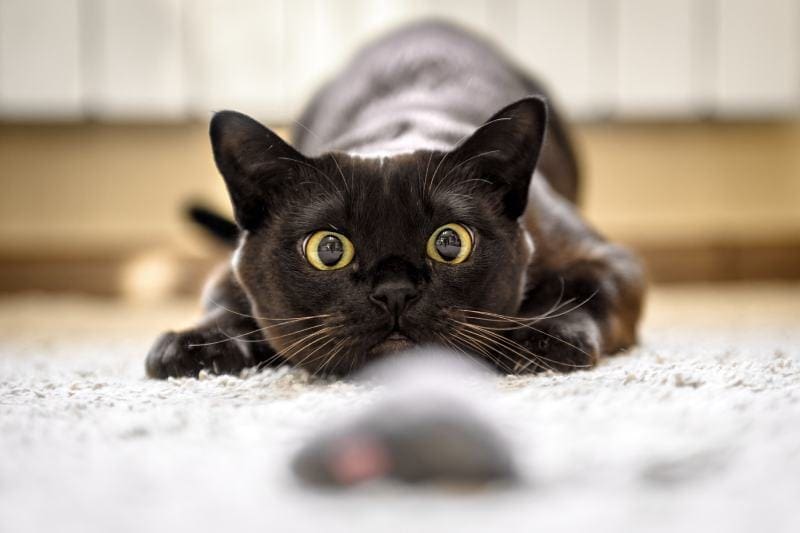
For many cats, just like Tigger, pouncing is a playful behavior, but any cat owner that has ever been the victim of a drive-by pounce by their cat can attest to the unease that this sudden behavior can bring. The good news is that cats often telegraph their intentions through body language and it's important for owners to understand whether the cat's behavior is playful or aggressive.
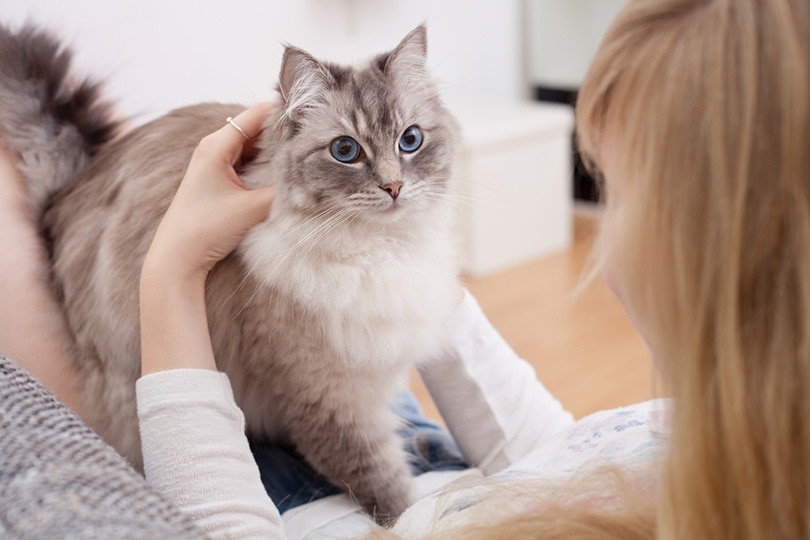
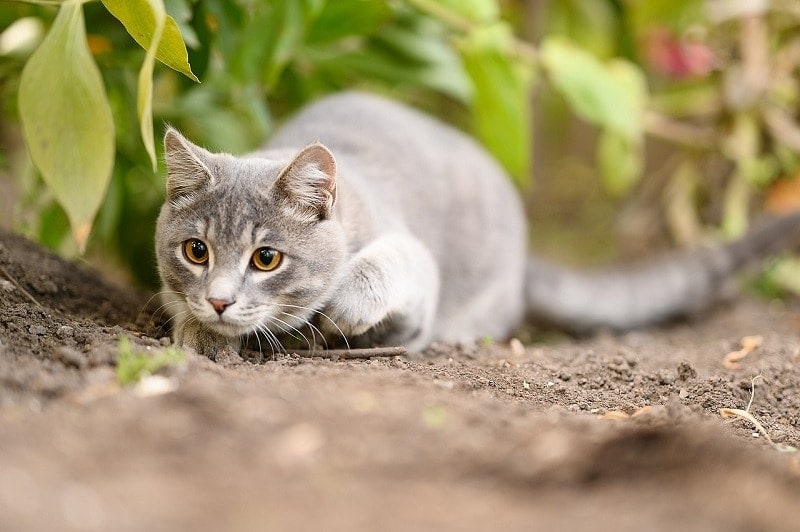
Cats appear energetic when they want to play and will often start stalking or pouncing their owners or their favorite toy to encourage you to join in on the phone. If you want to know whether your cat is feeling playful or aggressive, you'll need to tune into its body language. If their ears are pointed up and forward and their eyes are dilated and watchful, you likely have a cat that’s ready to play. Cats that are getting ready to pounce will often keep their tail down or may flick it in the air before they stalk and pounce their prey. All of these
Aggressive Pouncing
Aggression in cats is often in response to a perceived threat, but it can also come from a desire to protect its territory, a health condition, fear, genetic predisposition, or environmental changes.
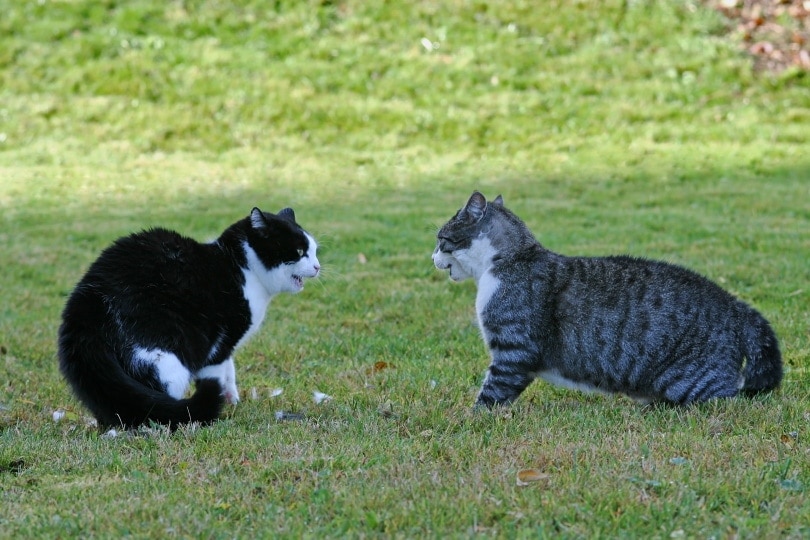
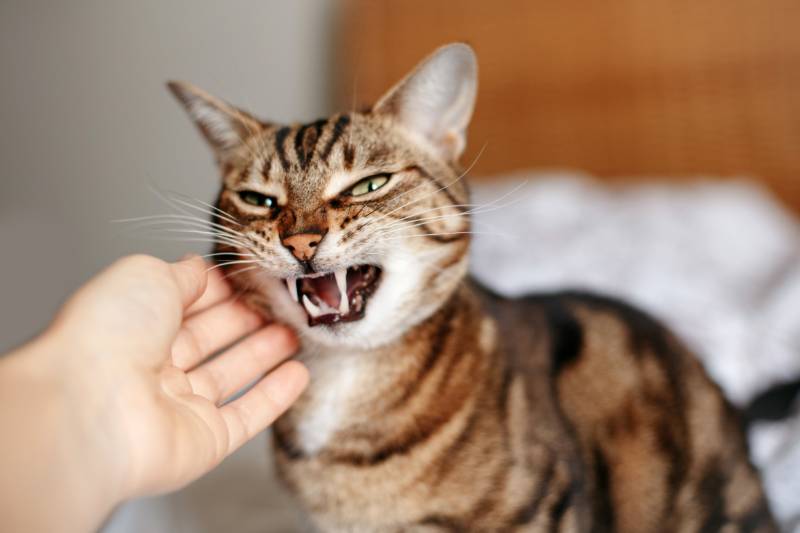
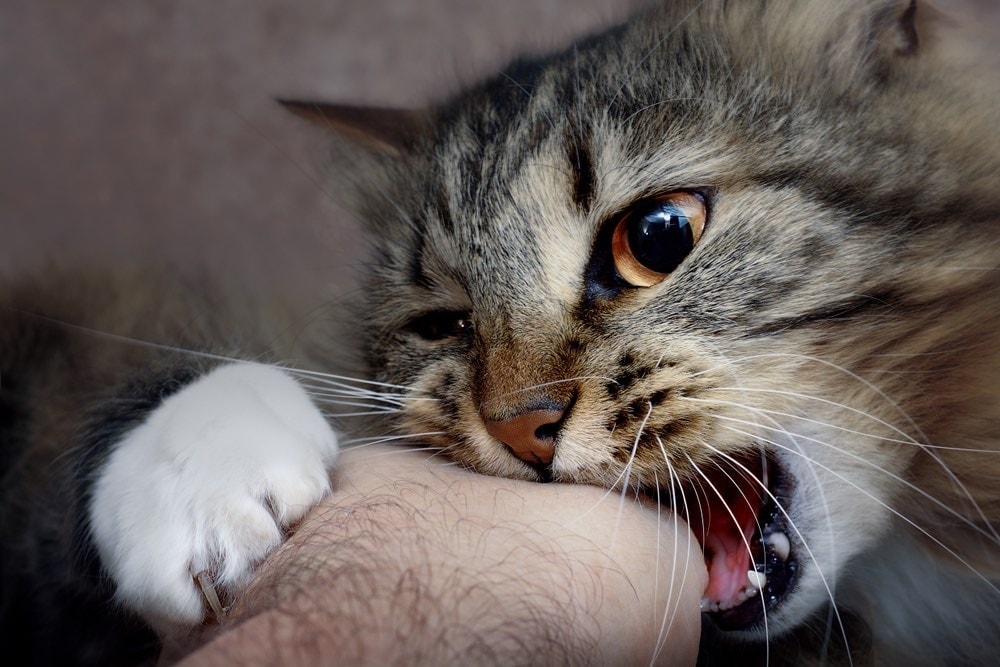
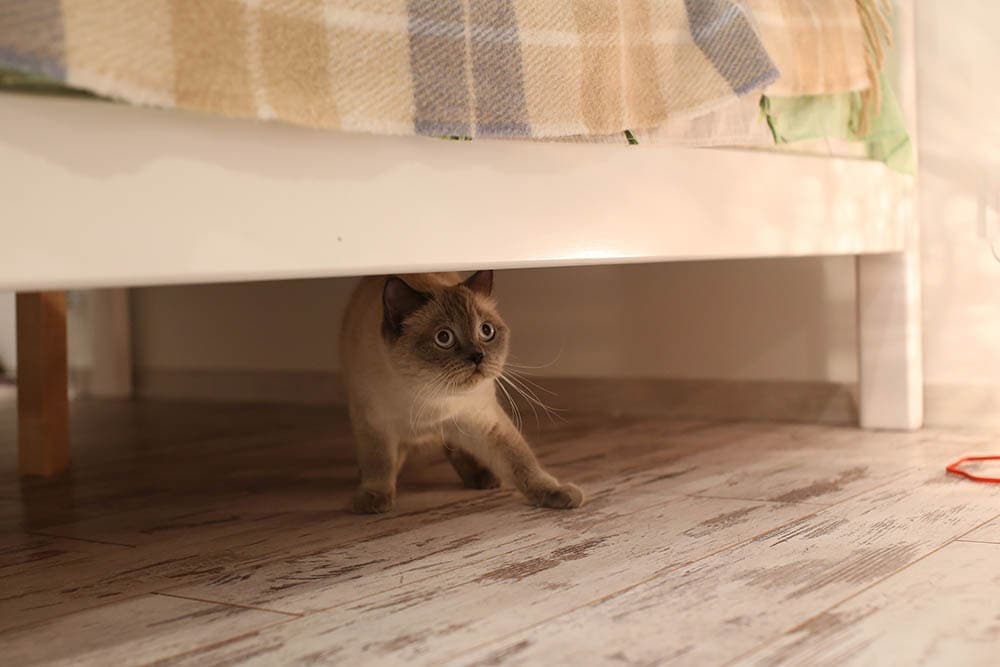
Knowing your cat’s normal playful body language will help you recognize when pouncing becomes aggressive. There are a variety of aggression categories, including territorial, intercat, predatory, and aggression caused by pain, punishment, or fear. Aggression is often tied to fearful behaviors and expressions when cats feel they can’t escape or are cornered or provoked.
Some examples of aggressive body language to watch out for are:
Many times these behaviors are fear-related and will pass when the trigger is removed. Predatory behaviors, such as slinking, stealth, concentration, lowered head, silence, pounce posture, or twitching tail are all a cause for concern and may require treatment by a vet.
Cause of Unwanted Aggression
Aggression in cats may be caused by a variety of factors, and it will be important to determine what your cat may have experienced that triggered the aggression. Genetic predisposition can cause some cats to be born with an aggressive personality. No interaction with cats, or lack of human contact before 3 months of age, may also cause a cat to behave aggressively as they age.
As previously mentioned, fear can cause aggression in cats. Some common causes that may cause fear are prior trauma, abuse, and rough handling by children or adults. Fear may cause a variety of behavioral issues in your cat, so be sure to address any current triggers that may be upsetting your cat.
If there are other cats or animals in the home, your cat may be trying to establish its hierarchy among the group. Aggression toward other animals may occur between the ages of 2 to 4 when your cat reaches social maturity. Age matters when it comes to determining links between aggression and behavior. A prime example of age playing a factor is play aggression starts in kittens around the age of 10 to 12 weeks but won't be an issue long-term if addressed correctly.
If you’re unable to determine the cause of your cat’s aggression, contact your veterinarian to get your cat examined. Illness or disease, such as seizures, kidney issues, thyroid disorders, and more can cause your cat to become aggressive. A thorough exam will help your vet determine the best course of action to help your cat feel better and resolve the aggression issues.
Conclusion
Tigger is like most cats, pouncing on his friends during play, which is perfectly normal behavior. Pouncing can sometimes be aggressive and a cause for concern as it can indicate behavior problems or health issues. It's important to note when pouncing is occurring, whether it's during play, in response to fear or perceived threats, or if there aren't any triggers causing the behaviors. If your cat is exhibiting aggressive pouncing and you can't determine the cause, call your veterinarian for an appointment as soon as possible.
Sources
Featured Image Credit: katya-guseva0, Pixabay
Get Hepper In Your Inbox


Pet care tips from our vets and experts, straight to your inbox.
You may opt-out at any time. View our Privacy Policy for more information.
Shana Loven lives in the Pacific Northwest with her partner and their dog. She grew up in a large, crazy family with a plethora of pets, ranging from mischievous hamsters to a mob boss of a cat, and several loyal dogs. When she's not using this experience to write about pets or to help out other pet owners, she enjoys reading, crafting miniature scenes, crocheting, and using her former librarian wizardy to conduct research about any topic that interests her.
Join the conversation
Ask a question, share your story, or send private feedback.