Hepper is reader-supported. When you buy via links on our site, we may earn an affiliate commission at no cost to you. Learn more.
My Cat Stalks Me – Is This Normal? Feline Behavior Explained


In this article
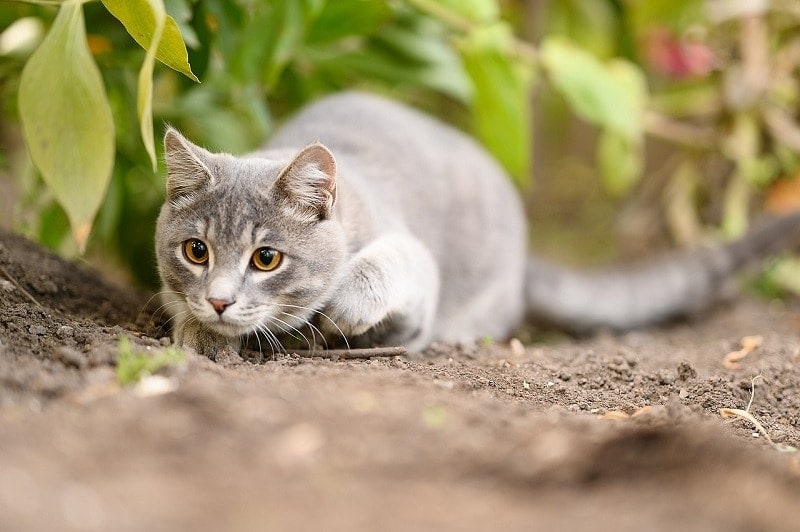
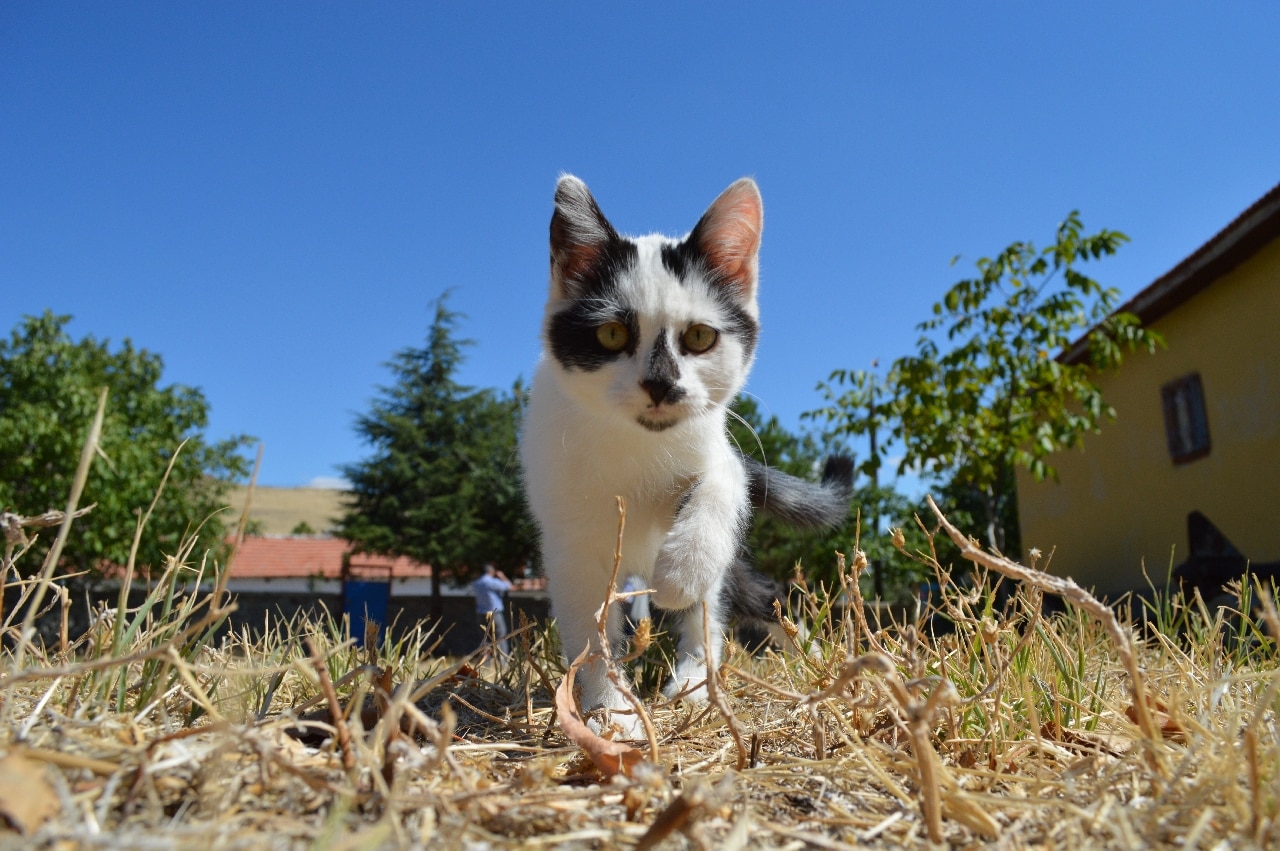
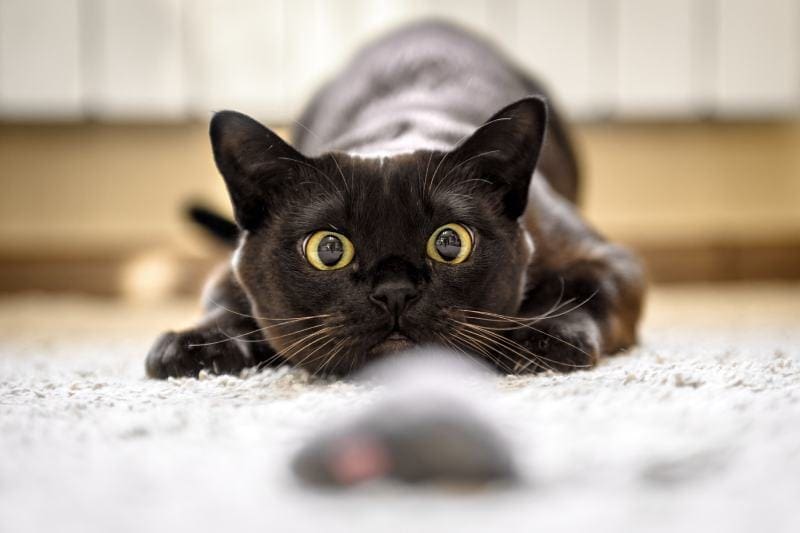
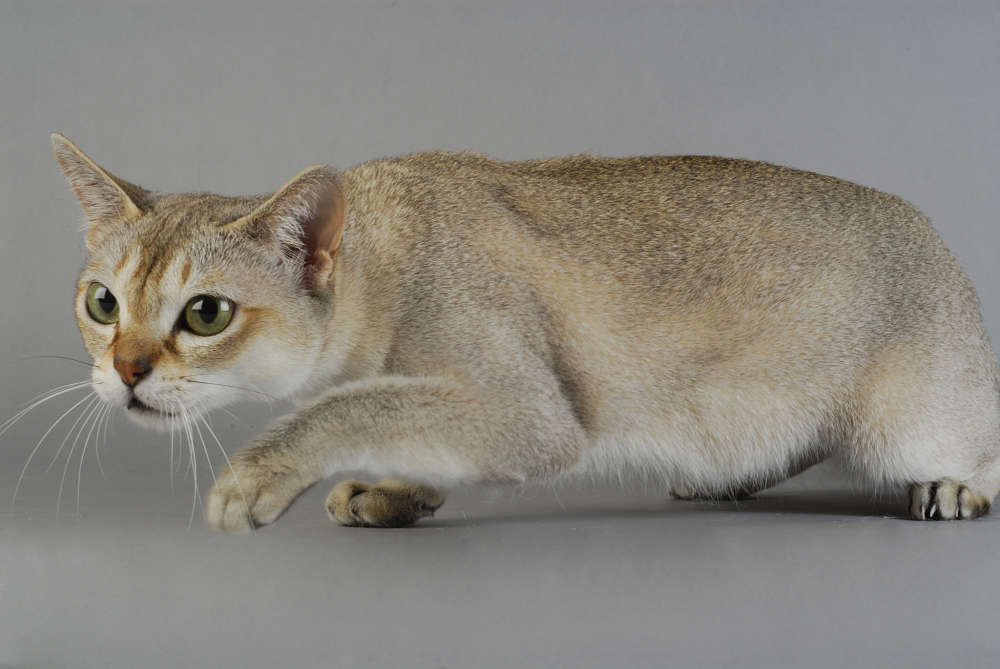
Ever catch your pampered kitty hunched down, tail twitching, and wide eyes locked on you as you cross the room? You’re not alone! You’ve got a stalker in your home, and it’s your pampered little kitty channeling their inner wild cat.
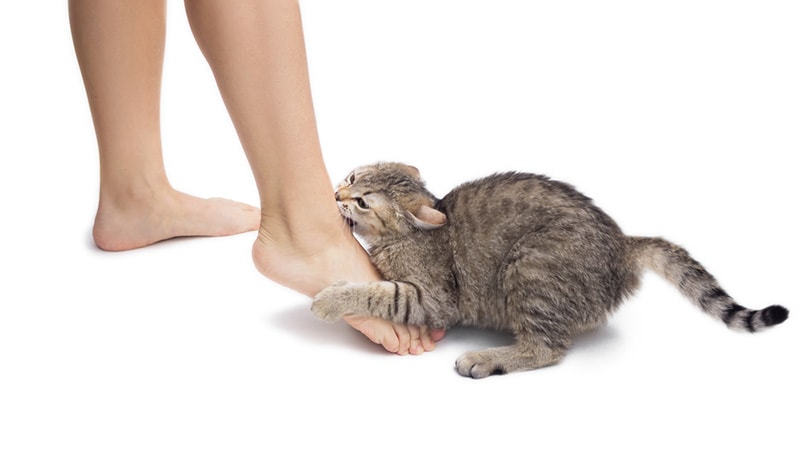
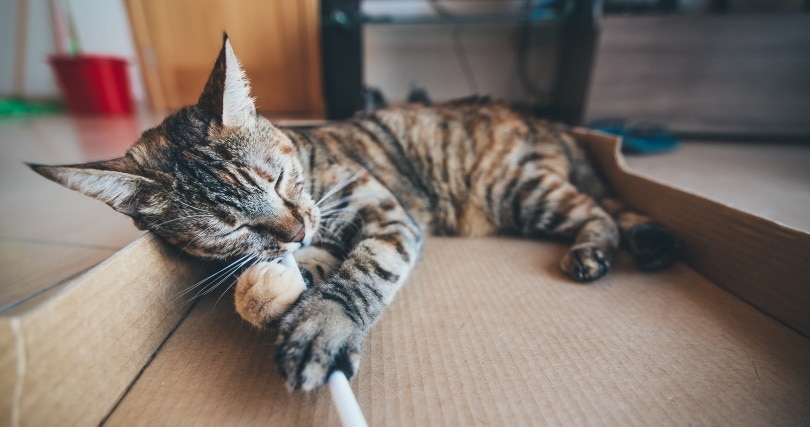
Watching my cat preparing to pounce on his favorite toy never fails to put a smile on my face. In his mind, he’s a wild predator and his toy is his prey. Admittedly, it’s not as fun when his target is my ankles!
The truth is that stalking is just a part of cat nature. In this article, we will talk a little more about why your cat might be stalking you, and what you can do to discourage them from pouncing out on you unexpectedly.

Why Do Cats Stalk?
Despite their cute and fluffy exterior, our pampered pets are still related to fierce wildcats. In fact, our modern-day feline companions share 95.6% of their DNA with the African Wildcat—or the Felis Silvestris Lybica.1
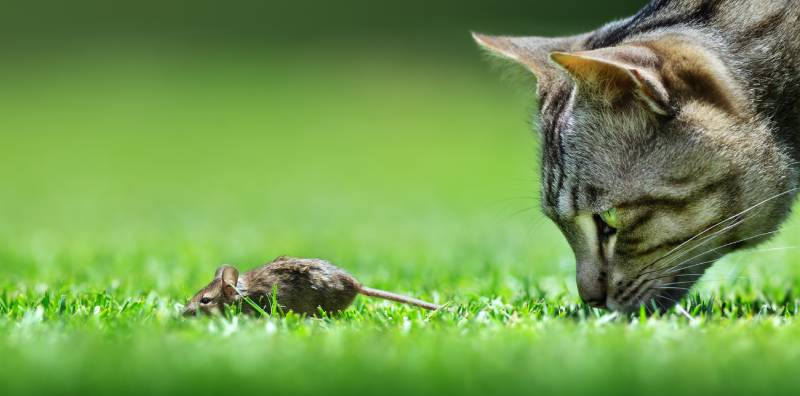
In the wild, cats are highly skilled predators that rely on their stealthy stalking instincts, their heightened senses, and their athletic build to hunt and catch prey for themselves and for their young. In short, they hunt to live, and although our domesticated cats get their meals served up in a ceramic bowl twice or even three times per day, their hunting instinct still comes to them naturally.
But don’t worry! If your cat is stalking you, that doesn’t mean he is eyeing you as his next meal. Rather, he’s doing it because instinct compels him to.
Why Is My Cat Pouncing on Me?
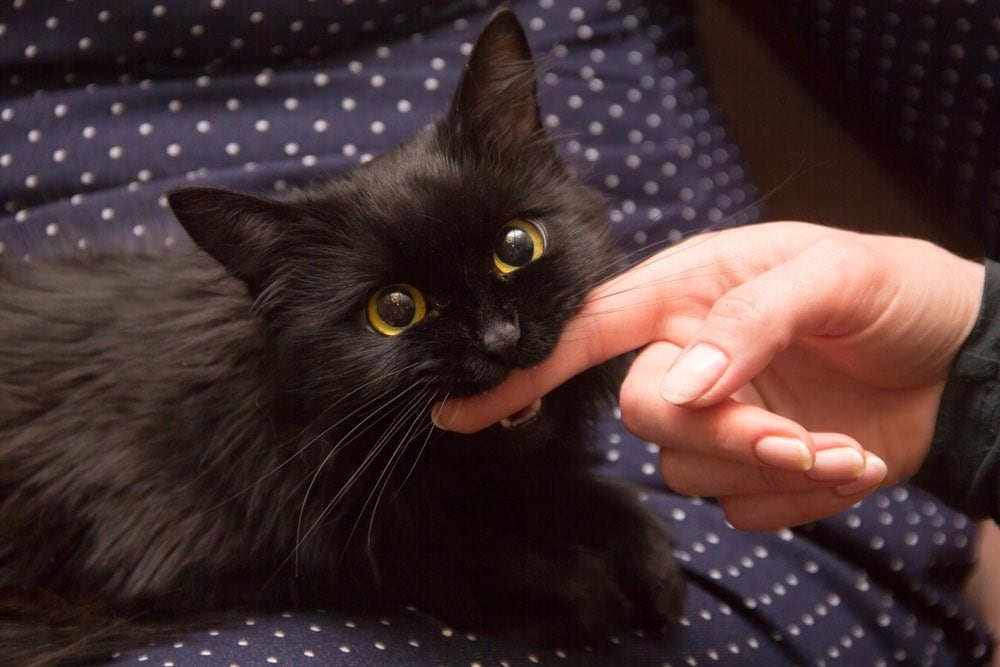
So, if he’s not trying to eat me, why does my cat pounce on me? There could be several reasons, but stalking and pouncing behaviors usually mean that your cat wants your attention. Boredom inspires destructive behavior in pets, and cats are no exception.
While stalking and pouncing are completely normal and even healthy cat behaviors, you probably want to discourage your pet from choosing you—or someone else—as their target.

Top 5 Tips to Discourage Your Cat from Pouncing On You
1. Avoid Accidental Reinforcement
If you give your cat attention when he pounces on you, he will get exactly what he wants. Your attention will be a reward that reinforces the very kind of behavior you want to avoid.
Instead, when your cat does unexpectedly pounce on you, try not to give him too much of a reaction. In fact, if you can, ignore your kitty and walk away.
2. Redirect Your Cat’s Attention
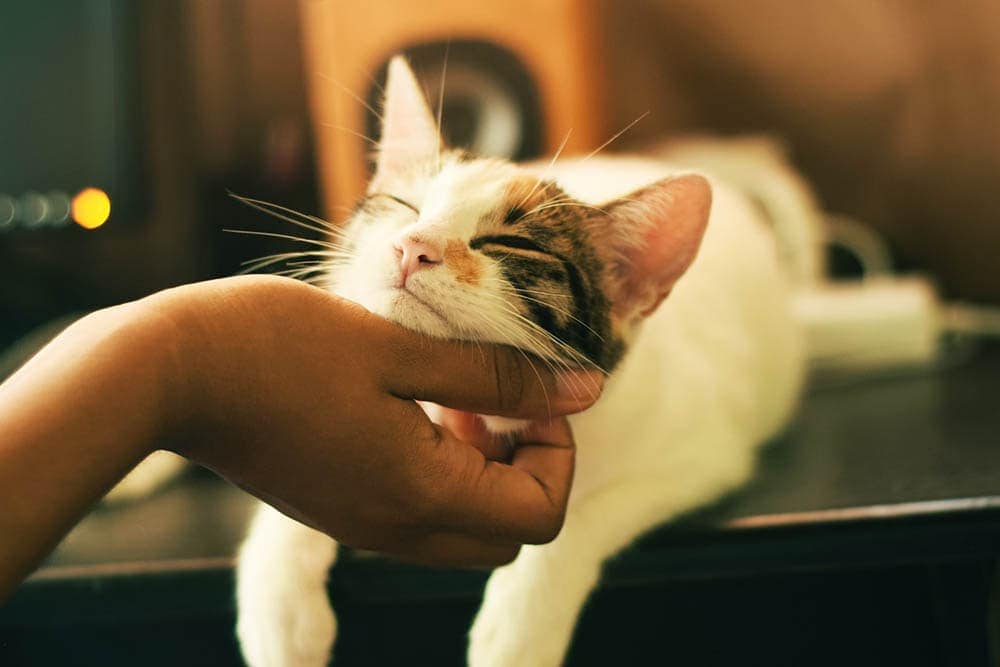
Keep an eye on your cat’s body language. I can usually tell when my cat is in play mode because he’ll hunch down and start wiggling his backside! This is the perfect opportunity to grab one of his catnip toys and toss it across the room. He’ll happily pounce away and start playing appropriately before he’s had the chance to pounce on me or someone else.
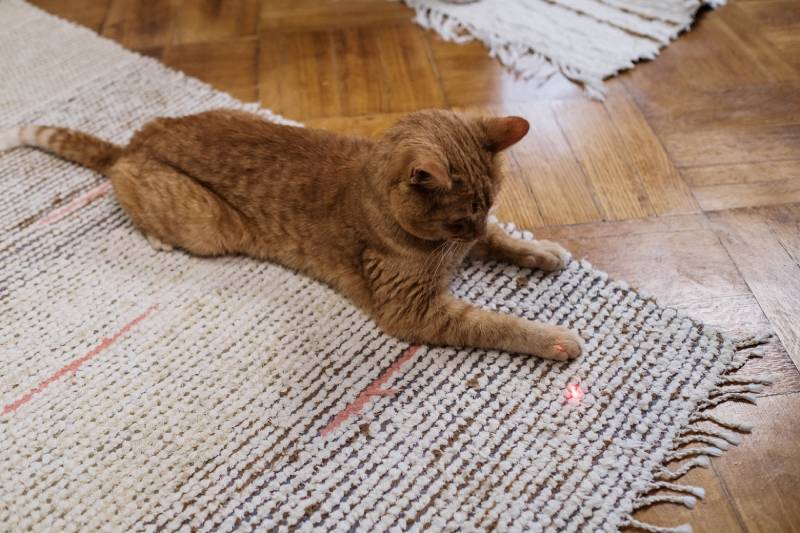
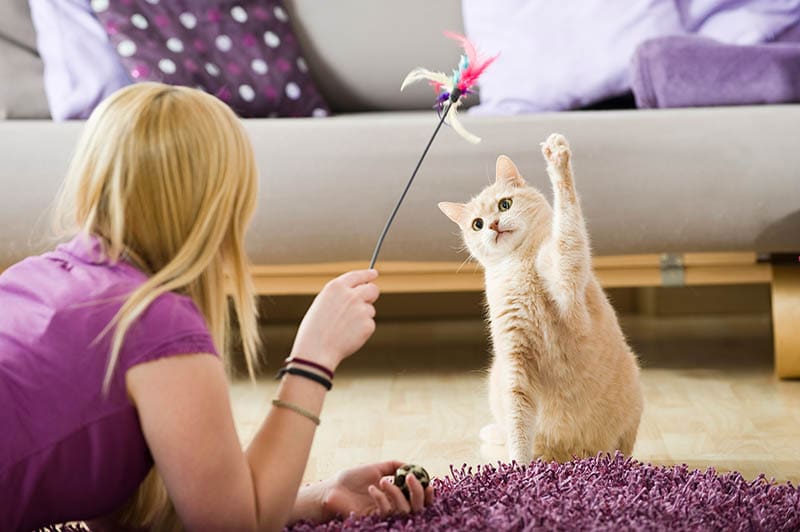
Catnip toys, feather wands, laser pointers, and other interactive toys can all work well as distraction tools. Try them out and see what works best for your cat. The main trick here is to redirect the behavior before he has the chance to pounce on you.

3. Schedule Play Sessions
As independent as they seem, cats still need daily stimulation, and if they don’t get it, they can get bored and often turn to destructive behavior. Try to schedule at least two 10-minute play sessions with your cat each day. Not only will they love you for it, but you may also find that it helps you relax! Studies show that spending just a little time with your furry companion can lower your stress levels.2
Feather wands and other toys that simulate natural prey are perfect for these play sessions. They will provide your cat with the opportunity to practice its predatory instincts appropriately, without risk to your ankles. Don’t forget to give them a small treat at the end of each session!
4. Reinforce Positive Behavior
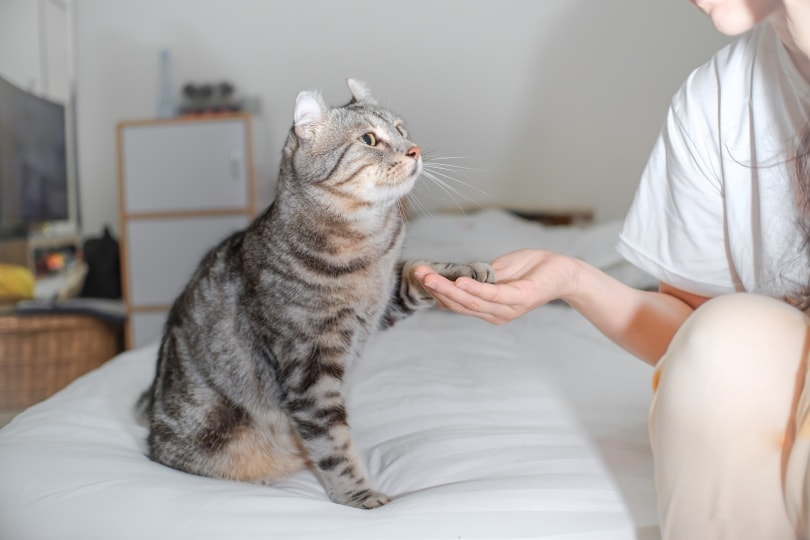
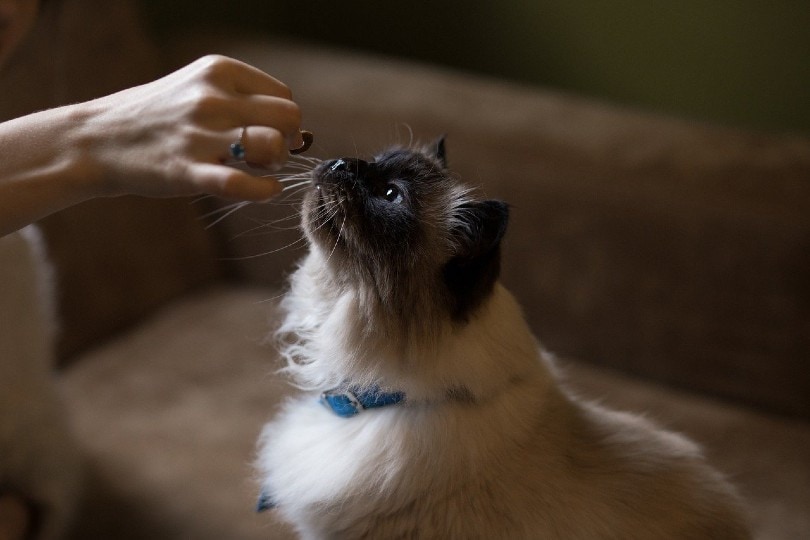
Cats learn best through positive reinforcement. When your cat plays appropriately or displays other desirable behaviors, remember to treat them immediately so that they associate the reward with that behavior. Rewards can include tasty treats, catnip, or your attention.
5. Consult a Veterinarian
While it’s normal for cats to pounce and play, if it becomes excessive or uncontrollable, then your cat can be at risk of injuring himself.
If despite your efforts, your cat still pounces on you—especially if it’s to the point of causing injury—it’s best to book an appointment with a vet. A veterinarian will be able to rule out any underlying health issues that may be contributing to your cat’s aggressive behavior.

Summary
Stalking and pouncing are a big part of a cat’s natural feline instincts. Our cute little predators may look adorable when they’re preparing to pounce on their toys, but it’s best not to encourage this behavior when the target is you, or another person or animal. Scheduling a couple of play sessions will give your cat the perfect opportunity to practice this instinct in a safe and painless way! Now… where’s that feather wand?
Featured Image Credit: JumpStory
Get Hepper In Your Inbox


Pet care tips from our vets and experts, straight to your inbox.
You may opt-out at any time. View our Privacy Policy for more information.
Cheryl is a freelance content and copywriter hailing from the United Kingdom. With expertise in gardening and photography, as well as a passion for hiking and amateur astronomy, Cheryl is constantly on the go but still makes time to savor the little things, like sipping coffee and cuddling with her cat on a cold morning as she types away.
Join the conversation
Ask a question, share your story, or send private feedback.