Hepper is reader-supported. When you buy via links on our site, we may earn an affiliate commission at no cost to you. Learn more.
Why Do Cats Sneeze? 6 Vet-Approved Causes and When to See a Vet


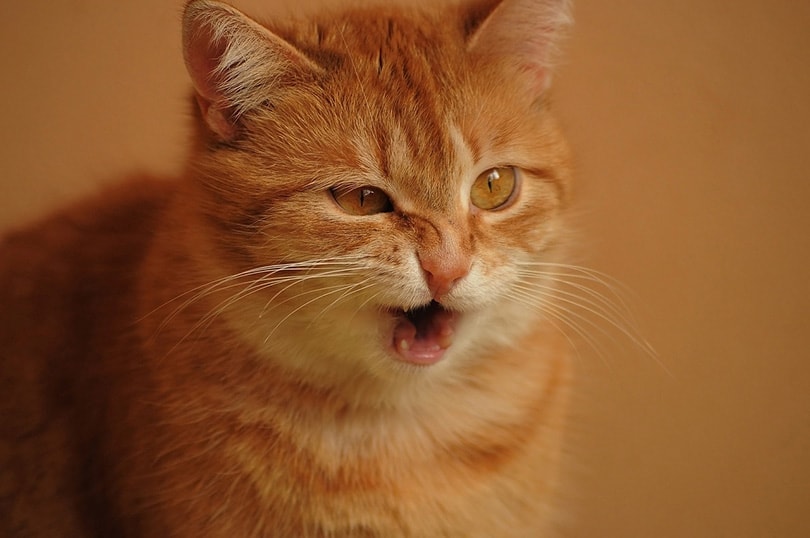
Sneezing is as common in pets as it is in humans. But when does a simple sneeze that happens every once in a while, turn into a more significant problem? Sneezing is a part of life, and it is a way for our body to expel different types of irritants. While it isn’t something that most cat owners are concerned about, there could be many different problems taking place inside your cat’s nose.

What Causes Cats to Sneeze?
Diagnosing a cat sneezing issue requires the help of a professional. First, your vet has to confirm that they are actually sneezing instead of coughing, hiccupping, gagging, or wheezing. Taking a quick video to show your vet is usually the easiest way for them to diagnose it. Second, there could be a plethora of causes that are leading to this issue. From minor inconveniences to severe diseases, it often takes a few diagnostic tests to figure out the root cause. Here are some of the possible reasons why your cat has started sneezing.
The 6 Common Causes Why Cats Sneeze
1. A Simple Tickle
We all get a slight itch in our noses from time to time. The same thing can happen to cats. A sneeze once every few months or so is likely something you don’t need to be concerned about. Sneezing is something that many species do. It is only when it becomes more frequent that it starts to be concerning.
2. Inhaled Irritants
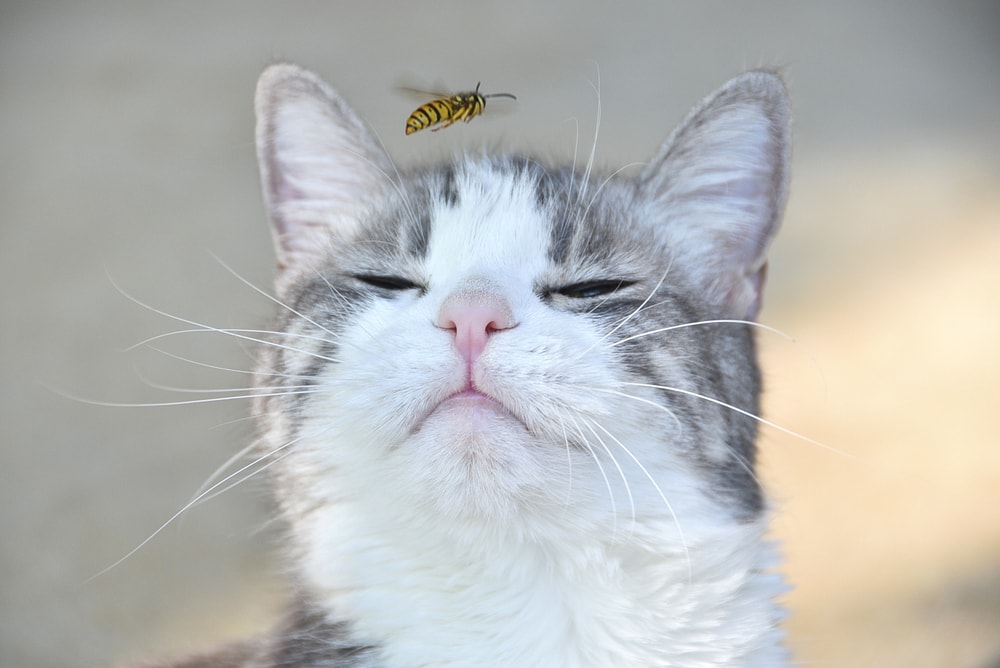
Cats may have cute, tiny noses, but that doesn’t stop things from entering their nasal passages. Sneezing could be caused by irritant particles found in their environment.
Irritants and allergens include:
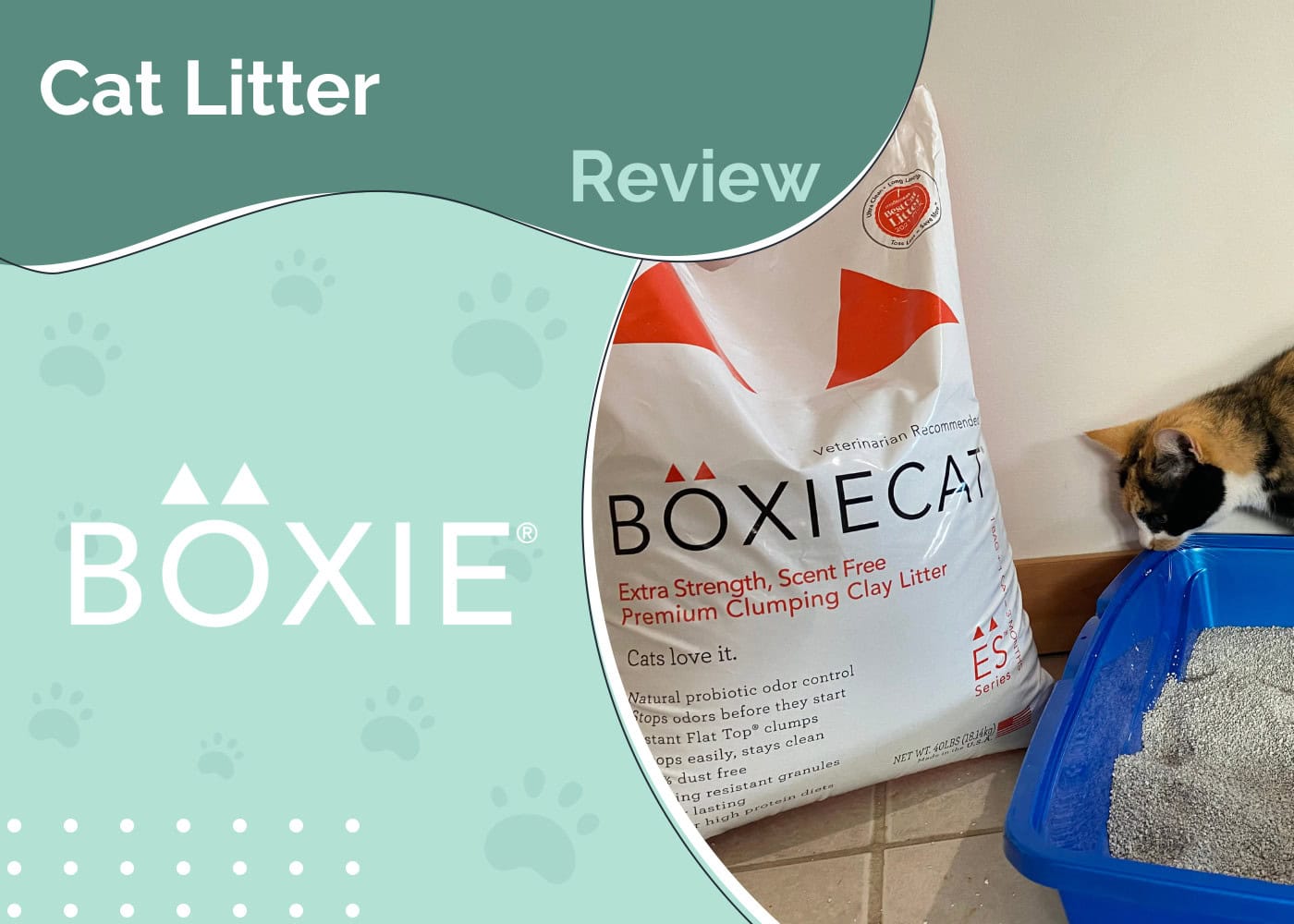
Check the surrounding area where your cat sneezes and rule out anything that could be causing the reaction. Is a candle or incense lit? Have you switched to a new type of litter? If some kind of itching or digestive signs, coughing, wheezing, or nasal or ocular discharge accompany the sneezing, it is possible that your cat is allergic to something.
3. Dental Disease
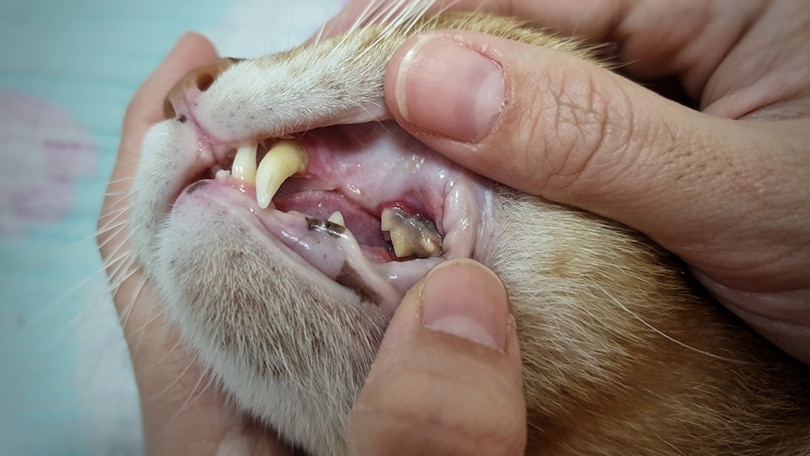
What would sneezing have to do with dental disease? The dental roots in a cat’s mouth are incredibly close to their nasal passages. If their teeth and gums become infected or inflamed, or form resorptive lesions, the nose is one of the first places that may get irritated. Dental disease can be a painful condition, and you should take your cat to the vet as soon as possible if you suspect that this is the issue.
Common signs of dental disease are difficult and painful chewing, drooling, pawing at the mouth, bad breath, reduced/changed appetite, discharge from the mouth, dropping food, and more.
4. Upper Respiratory Inflammation and Infection
If your cat is repeatedly sneezing, it is likely that they could have some sort of inflammation or infection of their respiratory tract. Many different pathogens could be causing the issue, such as a bacterial, viral, or fungal infection.
A feline upper respiratory infection is quite similar to a cold in humans and is contagious among cats, especially when they are in stressful and crowded environments. Other signs may include eye and nose discharge, coughing, wheezing, lethargy, and loss of appetite. Some of the most common culprits are listed below:
All cases of respiratory infections in cats require veterinary attention. Some may be mild and not require treatment, but most can cause your cat to stop eating, as their nose may become blocked, making it difficult for them to smell their food. A blocked nose also makes it hard for cats to breathe, and it’s important to clean off any discharge.
5. Polyps and Tumors
Polyps are benign growths that may occur in the nasal passages of the cat, at the back of their throat, or even inside the ear canals. They more commonly occur in younger cats, causing inflammation and often mimicking signs of an upper respiratory infection. Your vet can examine the back of your cat’s throat and their nasal passages using an endoscopic camera, but sometimes, advanced imaging needs to be used if the polyp is not easily visualized.
Occasionally, tumors may also develop in the cat’s nostrils and nasal passages or at the back of their mouth, and these may be benign or malignant. Your vet will take biopsies or try to remove the whole tumor in order to know if they will cause your cat further issues.
6. Foreign Body
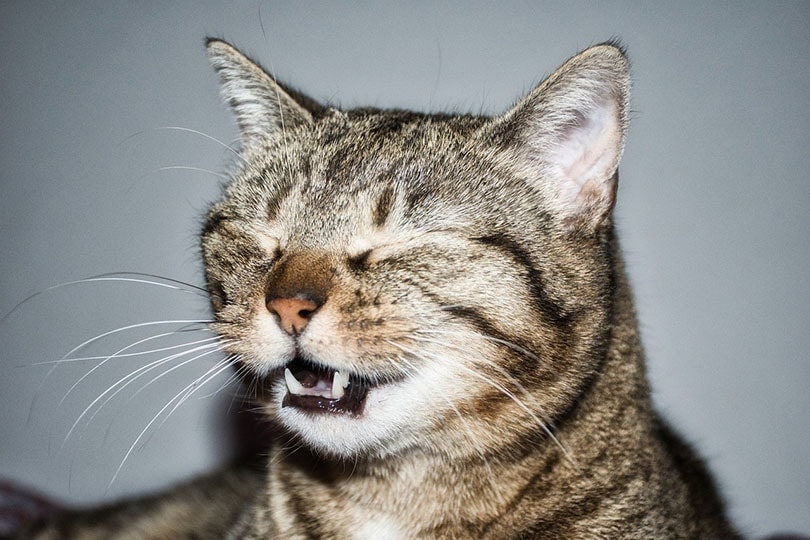
It’s possible that a small piece of dirt or cat litter made its way into your cat’s small nasal passages and is causing irritation. Sneezing is the easiest way for cats to dislodge the particle. However, if it remains stuck, it could lead to nasal infections.
But even bigger objects or materials can somehow find their way into your cat’s nose. One of them is blades of grass, usually ending up at the back of their throat, also called nasopharynx, or when the cat tries to vomit up or swallow the grass, which then retrogradely enters the back of the nasal passage from the throat and gets stuck there. This causes sneezing, alongside difficulty chewing, with exaggerated swallowing, nasal discharge and sometimes a change in their meow.
Foreign bodies in the nose will need to be removed by your vet with your cat under anesthetic so that it can be done safely and promptly.

When to See a Veterinarian About Sneezing
Sneezing here and there isn’t a major cause for concern. If the sneezing becomes more frequent and you notice other signs of illness or behavioral changes, it is best to err on the side of caution and take your cat for a prompt visit to the vet.
Make an appointment if the sneezing is paired with any of these other issues:
Regardless, always trust your gut. A trip to the vet isn’t ever going to do more harm than good. The vet will perform a physical exam and check out their nose, mouth, and eyes, and order further tests if necessary to get to the root of the issue.
Final Thoughts
There are many reasons your cat may be sneezing, some being more benign than others. However, if sneezing continues for more than 24 hours, is very frequent, or is accompanied by other clinical signs of illness, it’s important to reach out to your vet as soon as possible. They can examine your cat and, using various diagnostic tests, establish the reason for exaggerated sneezing before giving your kitty the treatment they need.
See Also: Are Scented Candles Bad for My Cat?
Featured Image Credit: Ihtar, Pixabay
Get Hepper In Your Inbox


Pet care tips from our vets and experts, straight to your inbox.
You may opt-out at any time. View our Privacy Policy for more information.
Hallie has been a proud nature and animal enthusiast since she was a little girl. She attributes her passion for the environment and all its creatures to her childhood when she was showing horses on weekends and spending her weeknights devoting her attention to her pets. Hallie is happiest when she is playing with her two rescue cats, Chewbacca and Lena, and her dog, Clayton. When Hallie isn’t writing about animals, you can probably find her curled up on the couch read a good books or watching a documentary.
Join the conversation
Ask a question, share your story, or send private feedback.