Hepper is reader-supported. When you buy via links on our site, we may earn an affiliate commission at no cost to you. Learn more.
Why Does My Cat Lick My Hands and Fingers? 8 Vet-Reviewed Reasons


In this article
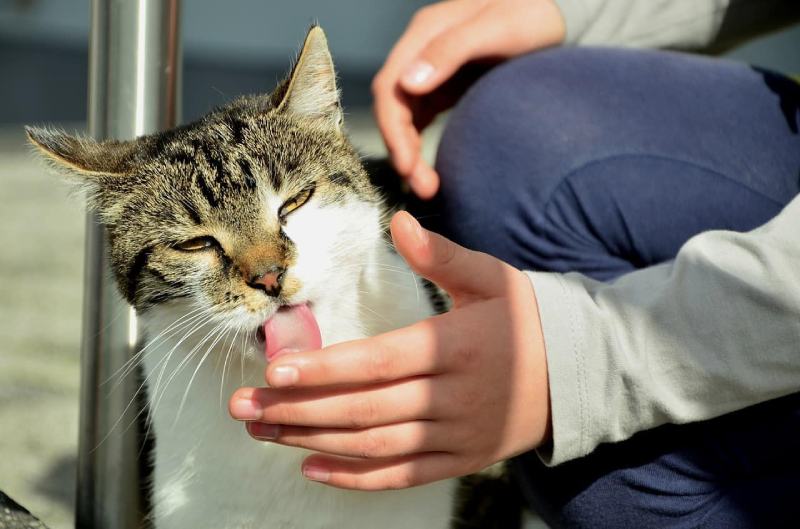
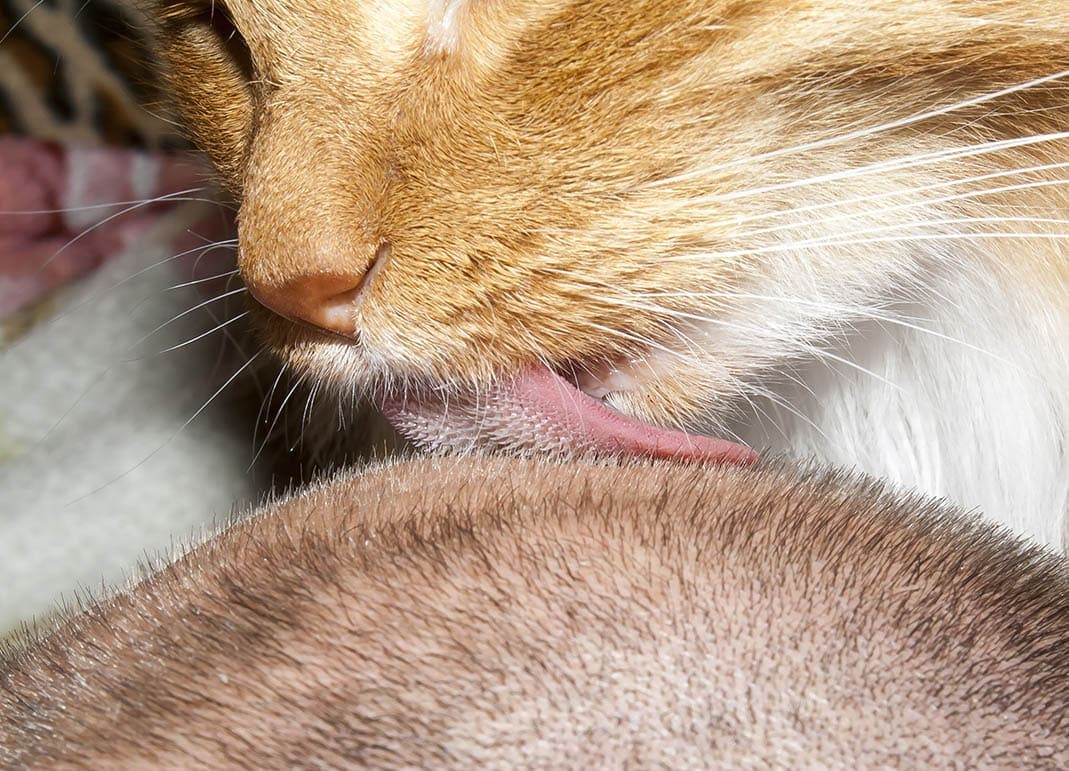
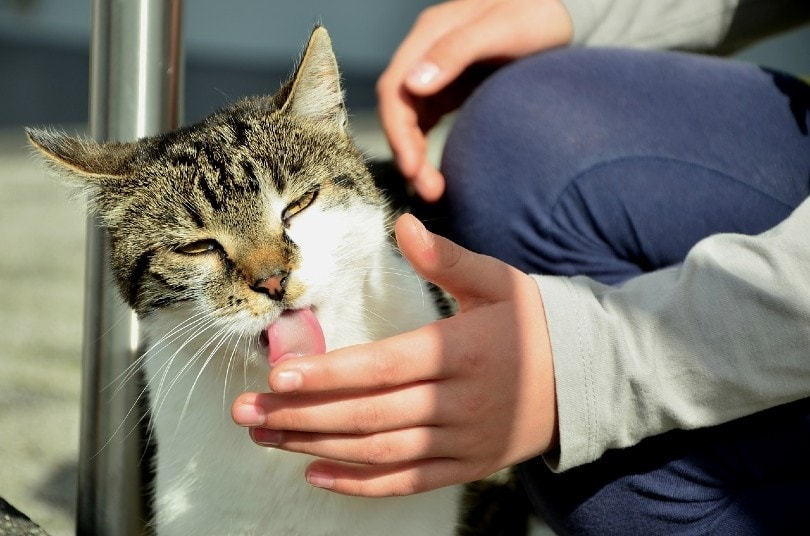
While dogs are always assumed to be lick-loving, slobbering pets, cats are also known to lay tongues on their owners from time to time. Being licked by a cat can be a bit uncomfortable, thanks to their rough tongues, plus the uncertainty of their motives. Why exactly is your kitty licking you?
To ease your mind, here are eight possible reasons your cat could be licking your hands and fingers.

The Top 8 Reasons Your Cat Licks Your Hands And Fingers
1. Your Cat May Be Stressed
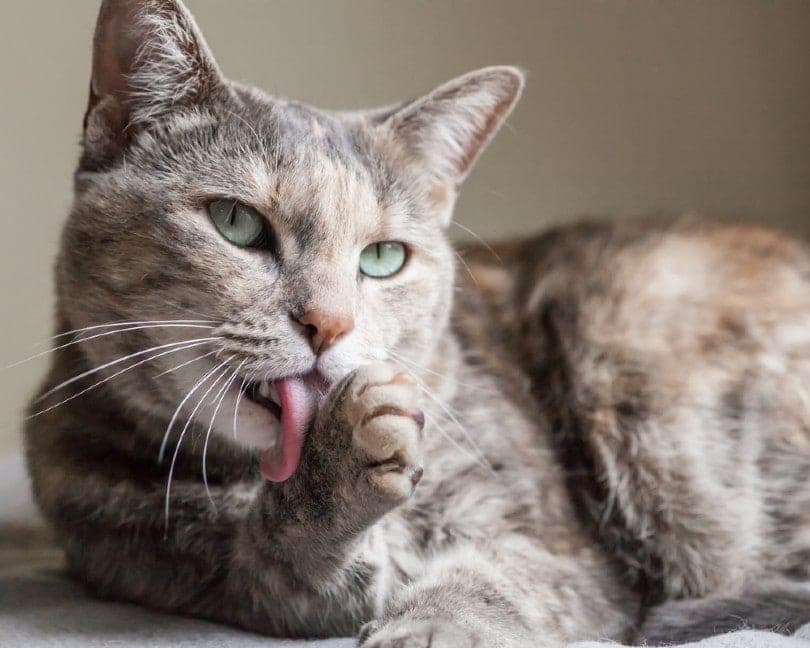
In some cases, your cat’s licking could be a sign that they are anxious or stressed. Licking can serve as what’s known as a displacement behavior, or a task the cat performs to relieve stress. Purring is another example of this. Most of the time, cats lick themselves, but they may turn their tongues towards you as well. In extreme cases, stress licking can become a compulsive behavior, leading to overgrooming and possible skin infections.
How to Remedy This Behavior:
2. Your Cat May Like Your Taste
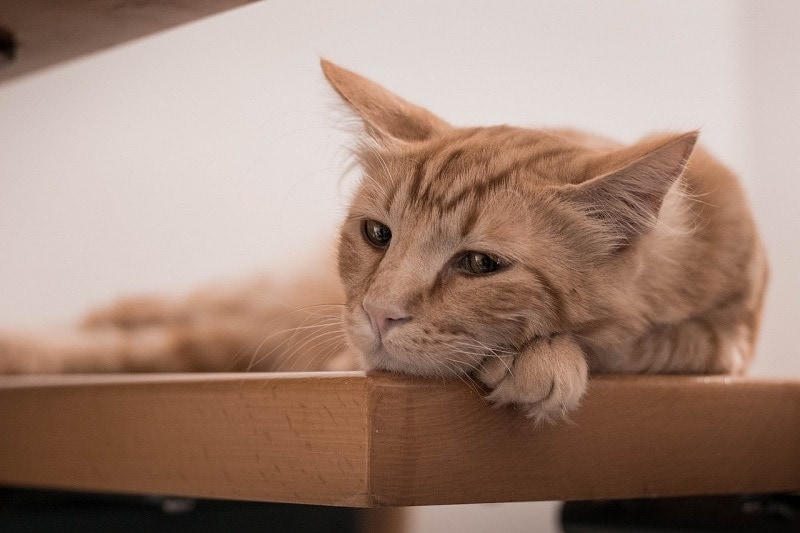
No, your cat isn’t sampling your flavor in preparation for making a meal out of you. However, your cat could be licking your hands and fingers because they like the taste of something you have on your skin. Residual smells and tastes left over after food preparation can linger on your hands, attracting your cat’s attention. Certain lotions and cosmetics may also smell and taste good to your cat, especially those that contain animal products. Even sweat—as disgusting as we may find this—has a salty flavor your cat may enjoy.
How to Remedy This Behavior:
3. Your Cat Still Feels Like a Kitten
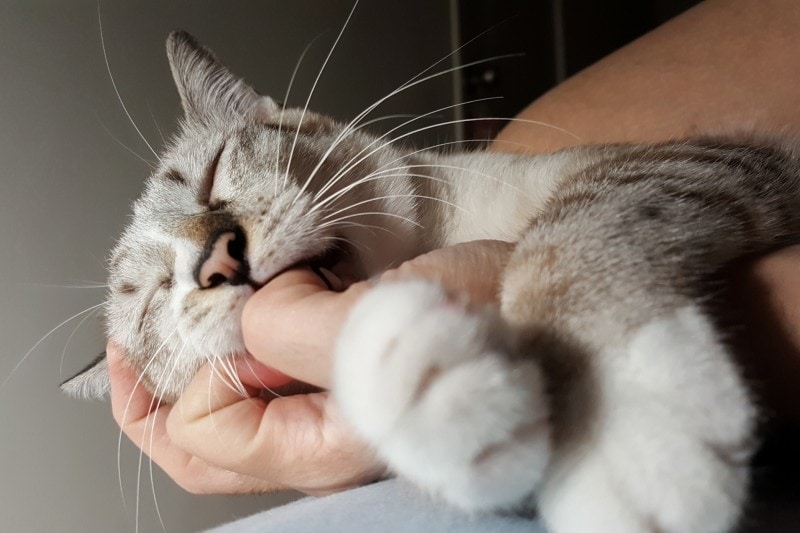
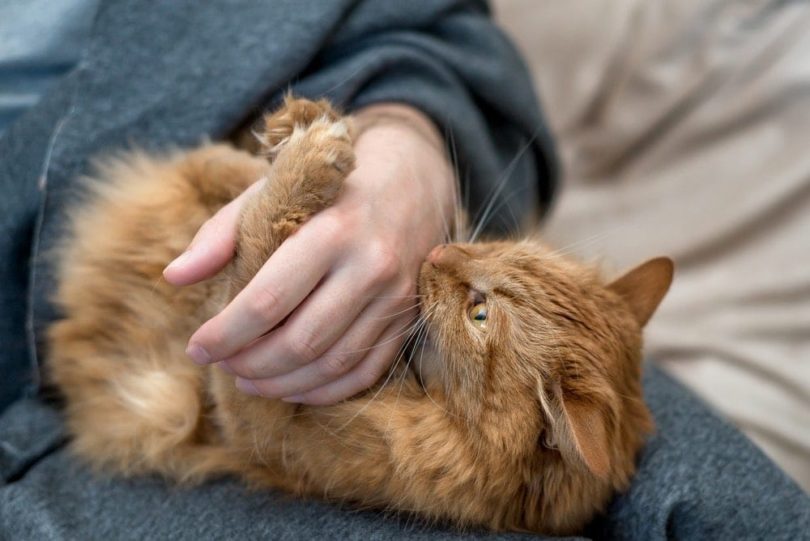
Cats who were weaned and taken from their mother too early may retain some kitten-like behaviors into adulthood. Licking, suckling, and kneading are all examples of these leftover activities. Your cat may be using you as a stand-in for the comfort they felt from their mother while nursing. Bottle-raised kittens may also lick for this reason. Though it may not feel like a compliment, your cat is indicating that they feel safe with you when they lick for this purpose.
How to Remedy This Behavior:

4. Your Cat Is Marking You
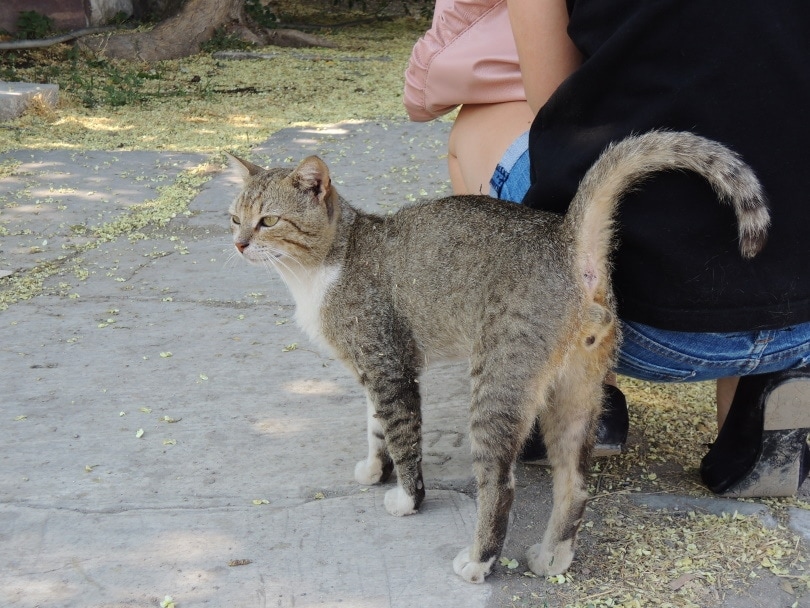
The scent is one of a cat's most important methods of communication. They use scents to mark their territory and to identify members of their family. Mother cats may lick their kittens to create a collective family scent, helping the babies recognize their bond. Your cat may lick you for a similar purpose, confirming that they consider you part of the family.
How to Remedy This Behavior:
5. Your Cat Wants Attention
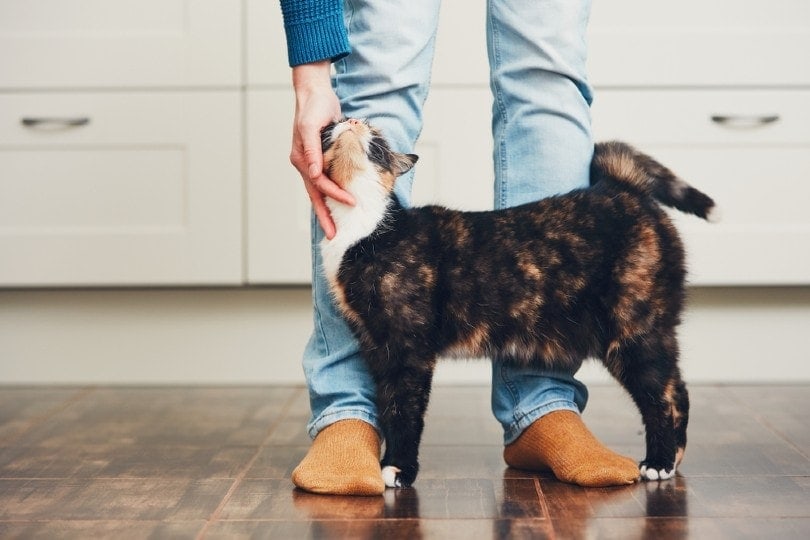
If your cat is feeling needy, licking could be one method they use to try and get more attention from you. Headbutting, purring, meowing, or rubbing on your legs are other possible behaviors you may notice if your cat is seeking attention. Licking for this reason is somewhat of a learned behavior. When you respond to your cat's licking in any manner, including a negative reaction, your cat learns that it is an effective way to earn an interaction with you.
How to Remedy This Behavior:
6. Your Cat Is Showing Affection
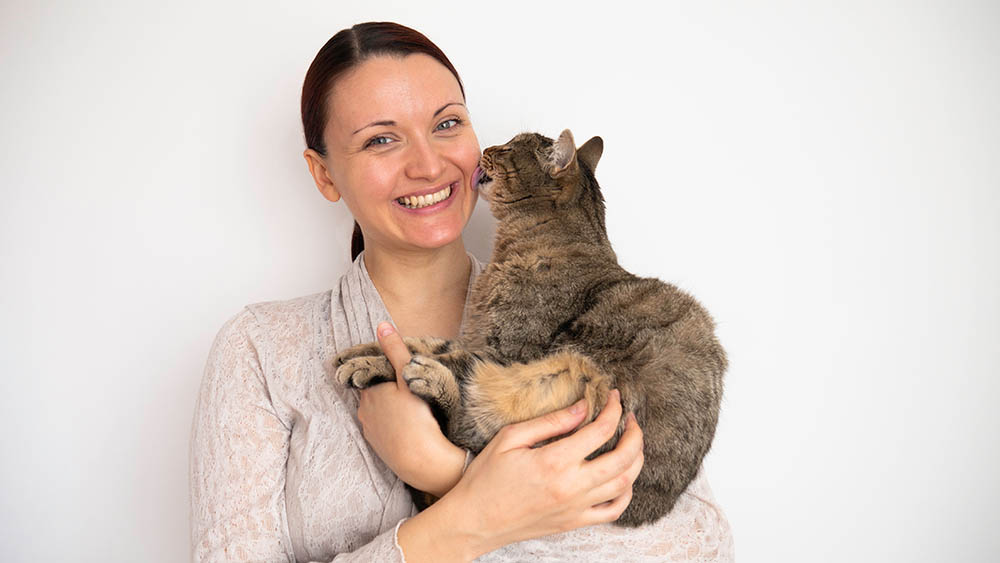
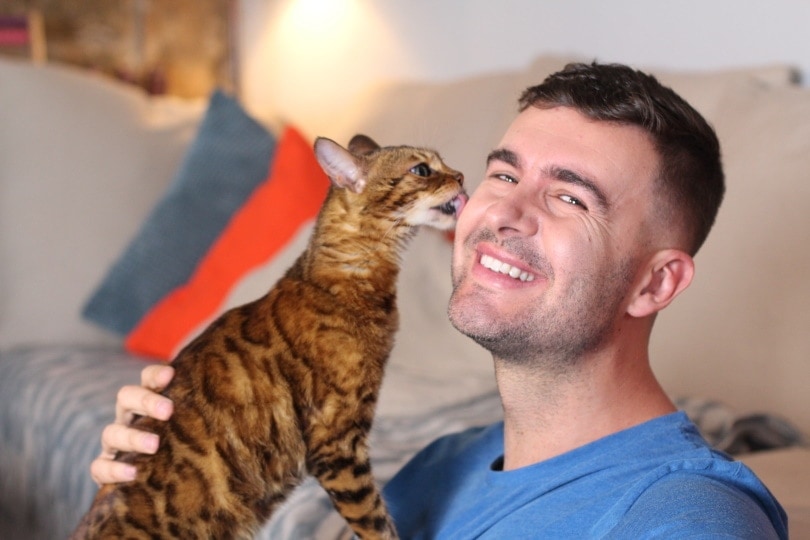
For cats, grooming and licking can be a very social and affectionate behavior. Cats of all ages and sexes may groom each other as a way to strengthen their bonds. This activity is known as allogrooming. Again, the roots of this date to kittenhood, when mother cats groom their babies to build a connection with them. In the same way, your cat licking your hands and fingers may be a way for them to deepen their relationship with you.
How to Remedy This Behavior:
7. Your Cat May Be Displaying Dominance
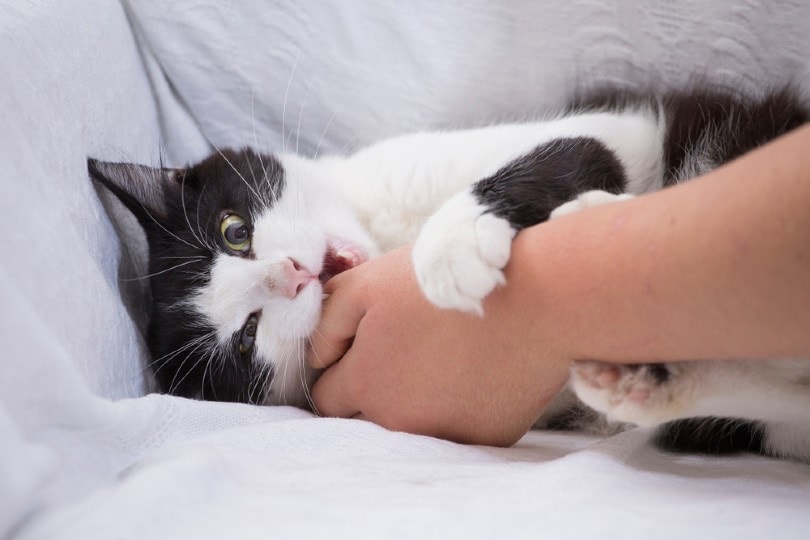
Interestingly, cats may also use grooming behavior to assert dominance over each other. In this case, the dominant cat typically is the one who begins grooming. If your cat starts licking you, they might be trying to show you who's boss. You may also notice your cat showing other signs of dominance if they're licking for this reason. Alpha cats can even progress to being aggressive towards both humans and other cats, so pay careful attention to all of your cat's behaviors.
How to Remedy This Behavior:
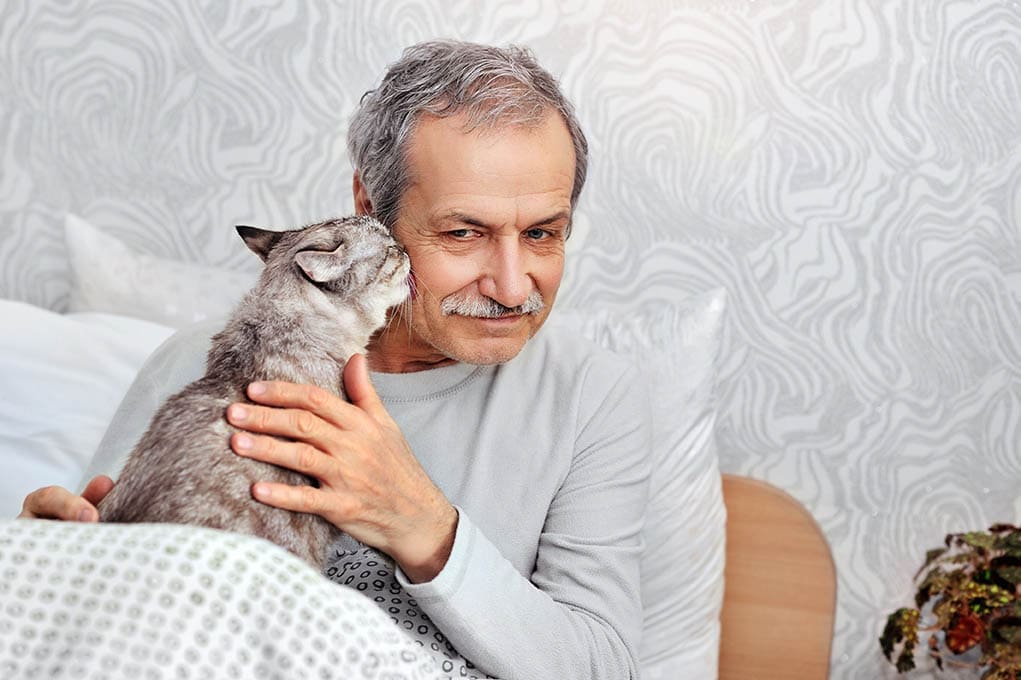
8. Your Cat Has a Medical Condition
Certain medical conditions could cause your cat to display excessive licking behavior, including licking your hands and fingers. Cats may lick when they're feeling nauseous or have a stomach upset. They may also lick as a sign of pain or discomfort. It can be hard to tell when a cat is in pain because their instinct is to hide it as a survival technique. Knowing the more subtle signs of pain, such as licking, is one way to make sure you can get your cat help when needed. Constant licking, or the sudden onset of licking behavior, are signs that your cat could be dealing with a medical problem.
How to Remedy This Behavior:
Is It Dangerous for Your Cat to Lick You?
Cats’ mouths do contain a lot of bacteria so there’s the potential that your cat could cause an infection by licking, especially if you have an open wound. Kids, the elderly and immunocompromised people are most at risk for this.
Cat scratch disease, one of the most common illnesses that cats can pass to humans, is caused by bacteria found in cat saliva and could be passed on by licking.
To stay safe, don't let your cat lick your face, eyes, or mouth. Discourage cats from licking at-risk people and don't allow your cat to lick your open wounds.
Conclusion
Cats often display behaviors that humans find puzzling, and licking is no exception. You may think you understand why it’s happening but turns out there are many possible explanations. Understanding why your cat is licking you is the first step toward figuring out how to stop it if that’s what you want to do. Even if you find your cat’s licking charming, make sure you take precautions to ensure it doesn’t result in illness or infection.
See also:
Featured Image Credit: congerdesign, Pixabay
Get Hepper In Your Inbox


Pet care tips from our vets and experts, straight to your inbox.
You may opt-out at any time. View our Privacy Policy for more information.
A lifelong lover of all creatures great and small, Elizabeth got her first cat at 5 years old and at 14, she started working for her local veterinarian. After spending more than 20 years working as a veterinary nurse, Elizabeth decided to step away to become a stay-at-home parent to her daughter. Now, she is excited to share her knowledge with our pet parents. Elizabeth lives in Iowa with her family, including her two fur kids, Linnard, a husky mix and Algernon, the worldʻs most patient cat. When not writing, she enjoys reading, watching soccer, and spending time outdoors with her family.
Join the conversation
Ask a question, share your story, or send private feedback.