Hepper is reader-supported. When you buy via links on our site, we may earn an affiliate commission at no cost to you. Learn more.
Why Does My Lab Shed So Much? Vet-Reviewed Causes & Care Tips


In this article
Labradors are one of the most popular pets in the US, and for good reason. They are fairly low maintenance, have great temperaments, and enjoy being with their owners in the great outdoors. They don’t require much in the way of professional grooming either except regular brushing at home and a bath every so often. However, that doesn’t mean that you won’t find their hair all over your house. So, why exactly do Labs shed so much?
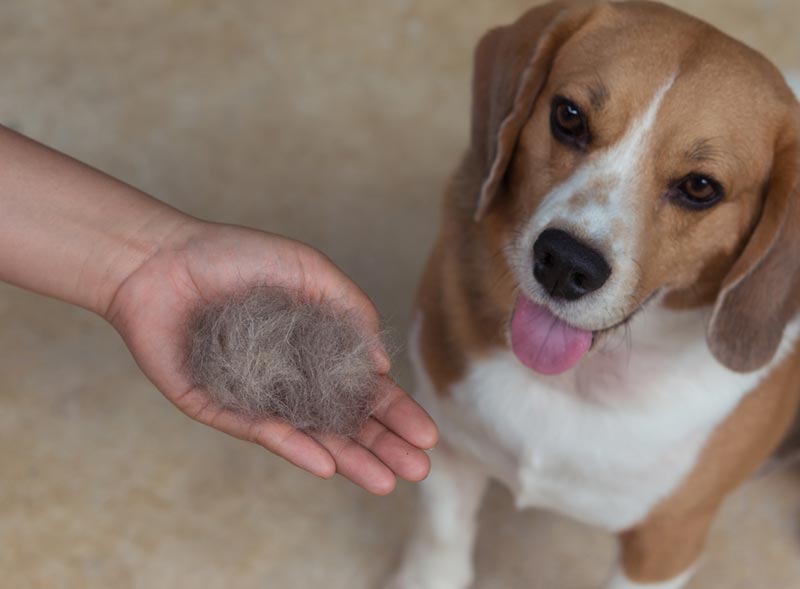
Shedding, especially for breeds like Labs, can be heavier and more apparent during the traditional shedding seasons, which are spring and fall. During these periods, you will likely see much more hair fall just as you would if you don’t groom them regularly. Dogs shedding their hair, albeit a frustrating issue at times, is completely normal. So, let’s understand this a bit more and what you can do to help your Lab keep their shedding to a minimum, while also keeping your home and clothes hair free.

Why Dogs Shed: The Hair Cycle
Shedding is a normal process for the Labrador as it is with any other breed. As mentioned, the traditional shedding times are spring and fall. During these periods, the shedding and amount of hair around your property is more common, and they may have tufty bits of fur on their coat, particularly around the back end.
These two larger shedding cycles are to reflect the change in seasons and to ensure your dog has an appropriate coat thickness for the said season and its associated weather. In the spring, your lab will shed their thicker, warmer winter coat, and in the fall, they’ll shed the summer coat to get ready for the winter again.
Remarkably, each individual hair within your lab’s coat goes through different growth phases known as the following:
- Anagen: During this time, any one of their hairs is growing to its predetermined length.
- Catagen: The hair reaches its maximum length and stops growing.
- Telogen: This is a time of rest. The hair neither grows nor falls out.
- Exogen: The hair falls out or sheds.
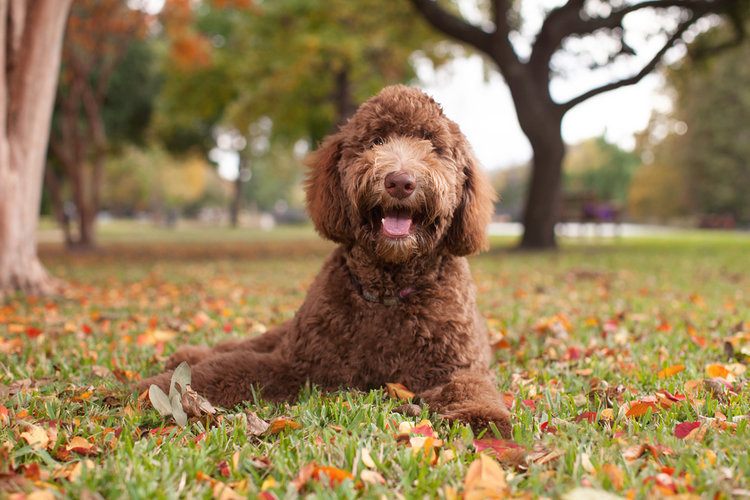
Each breed, each individual dog, and each piece of hair are always at different points within this cycle, and each dog can also be dominant in one of the phases. Breeds with continuously growing hair, like Poodles, have a hair cycle dominated by the anagen phase and therefore need their hair trimmed but are low shedding.

Why Does My Lab Shed So Much?
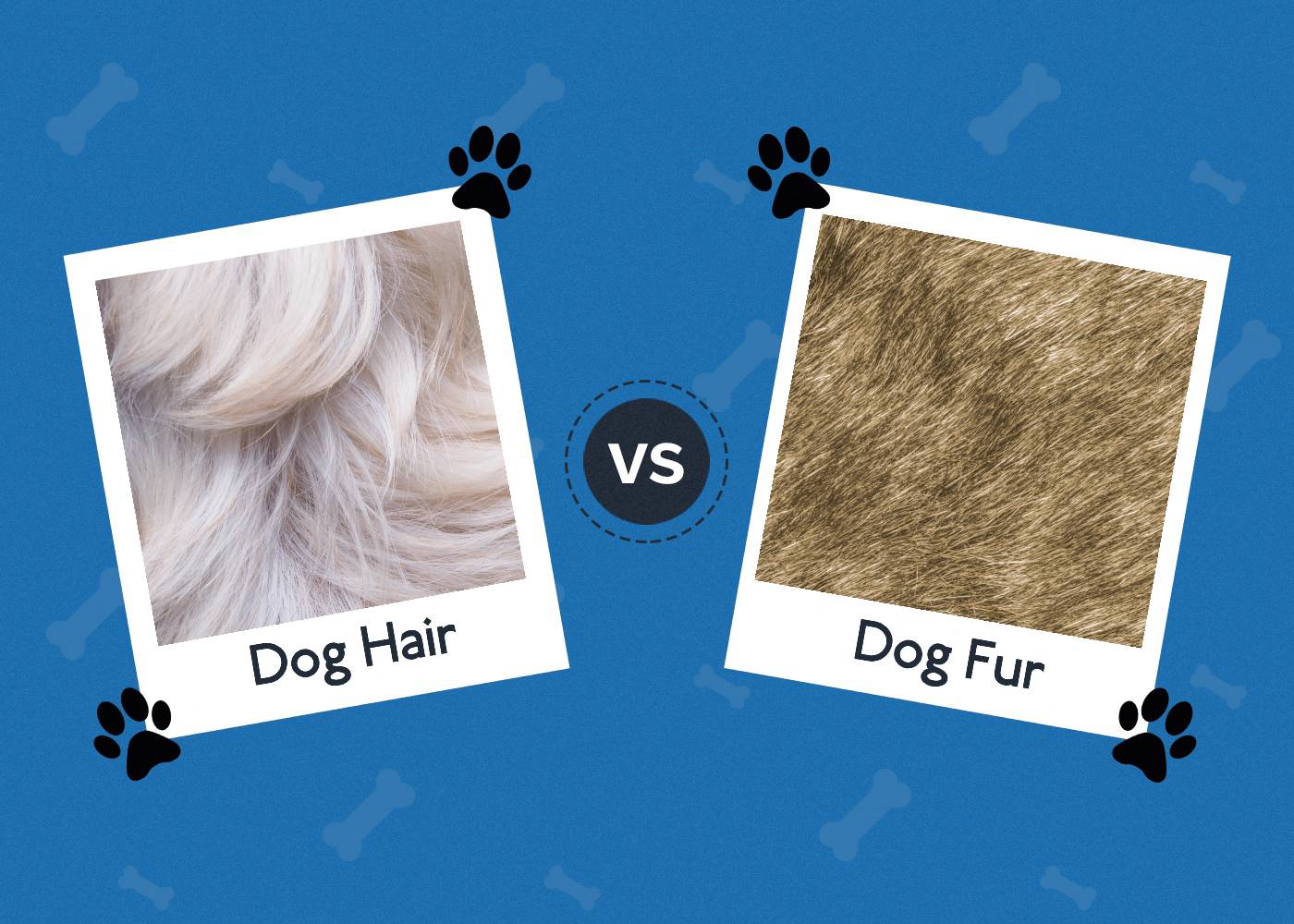
This inherently comes down to the type of coat dogs have (as there are several), but Labradors have what is known as a double coat and therefore have more hair than single coated breeds like Boxers or Pugs.
Double-coated dogs generally demand more work from you to prevent their hair from becoming tangled and clumped with debris and old hair. As the name suggests, there are two layers of fur. The undercoat is soft, fine, and dense to insulate or protect them from heat and cold. The top coat consists of coarser hair that is longer and water-resistant, so they are less likely to be at the mercy of the elements, such as rain and snow.
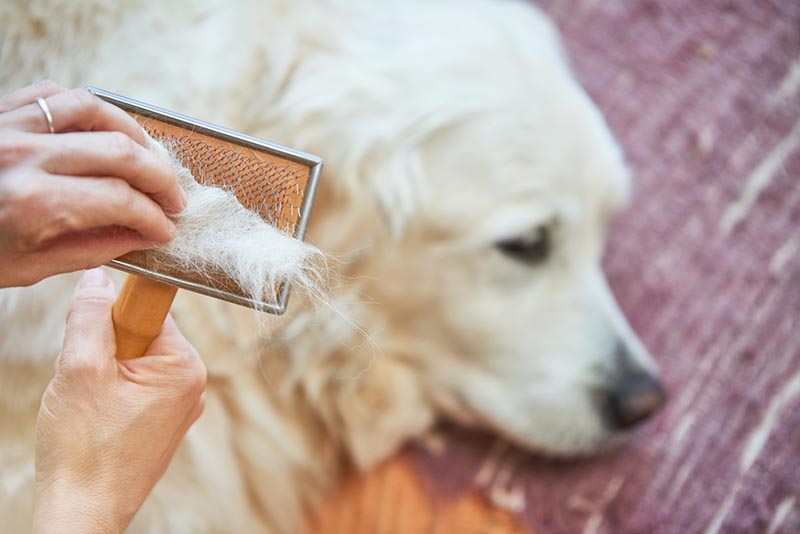
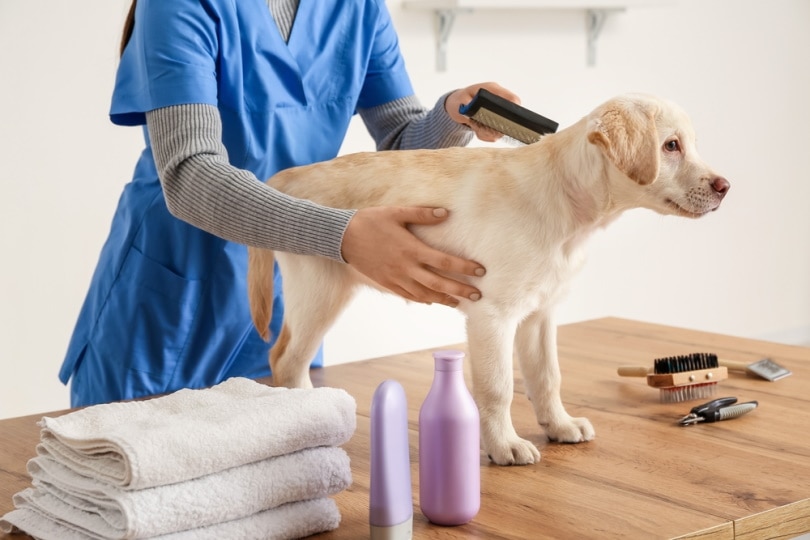
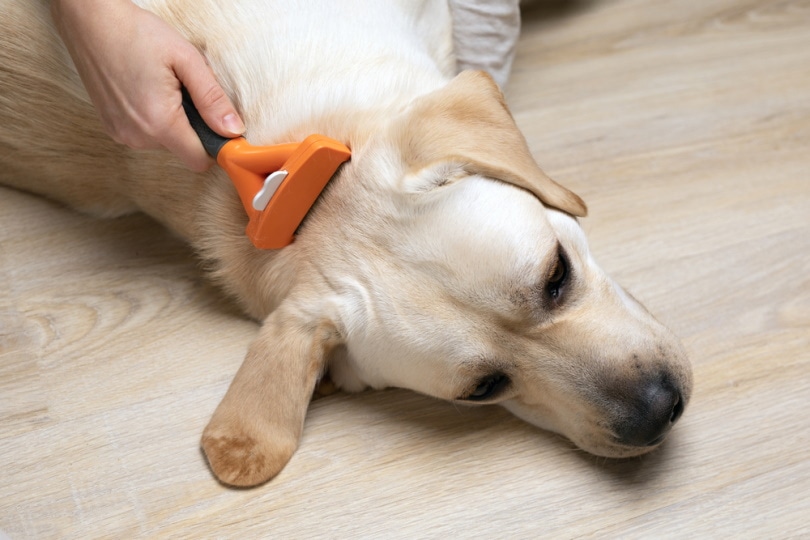
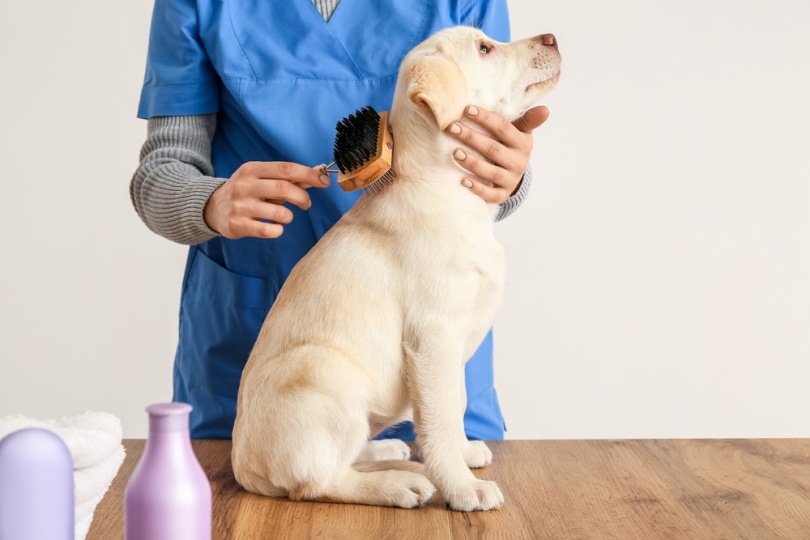
Their coats require brushing every few days, and during shedding season, you may need to increase this to daily grooming as the undercoat is released. It can be helpful to brush against the growth at first, then smooth it back into place to loosen and remove debris and loose hair.
Recommended brushes and combs for Labradors and their double coats include:

How Do I Stop My Labrador From Shedding So Much?
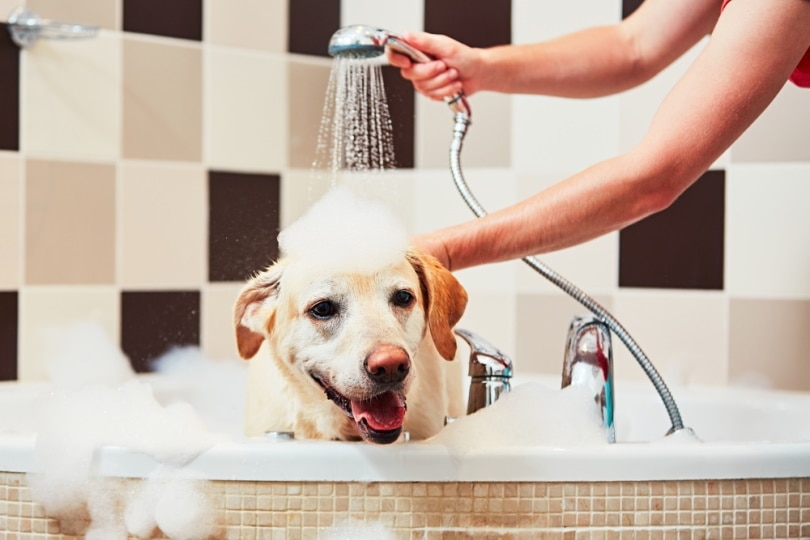
It isn’t possible to stop them from shedding completely. It is, after all, a natural and normal process despite it being annoying and troublesome at times. The best tips to keep your home free from loose fur, help your lab’s coat stay in tip-top condition, and reduce shedding include:
- Feeding a complete and balanced canine diet. You may consider a breed-specific or healthy skin diet too.
- Regular brushing.
- Regular baths (one every 3 weeks is sufficient).
- Use a de-shedding tool when grooming them at home.
- Use pet-safe de-shedding shampoos and conditioners for baths at home.
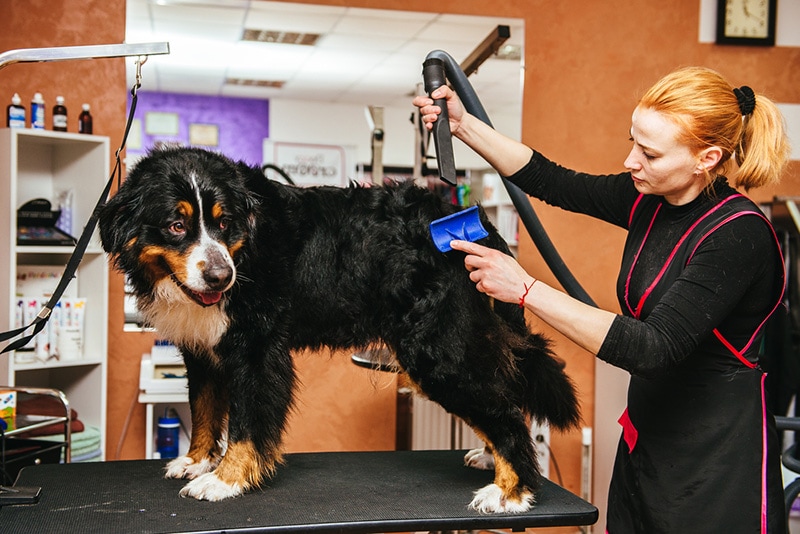
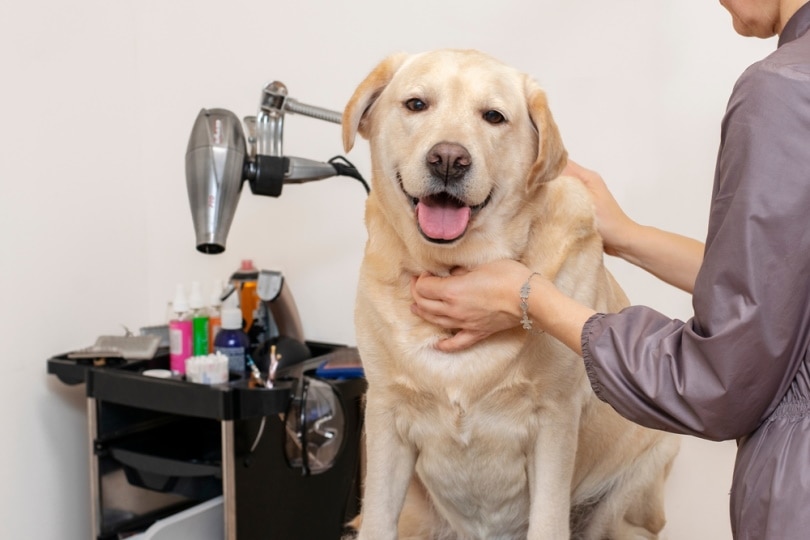
- Send them to a professional groomer, particularly during the shedding seasons, as they can remove more of the loose hair with their professional products and equipment. Many professional groomers also have de-shedding packages, making it super easy and more economical for you.
- Keep up to date with regular vaccines and health checks with your vet so their health is in order.
- Use regular parasite treatment.
- Plenty of vacuuming in the house.
- Always have a sticky roller on hand!
Does Shaving a Labrador Help With Shedding?
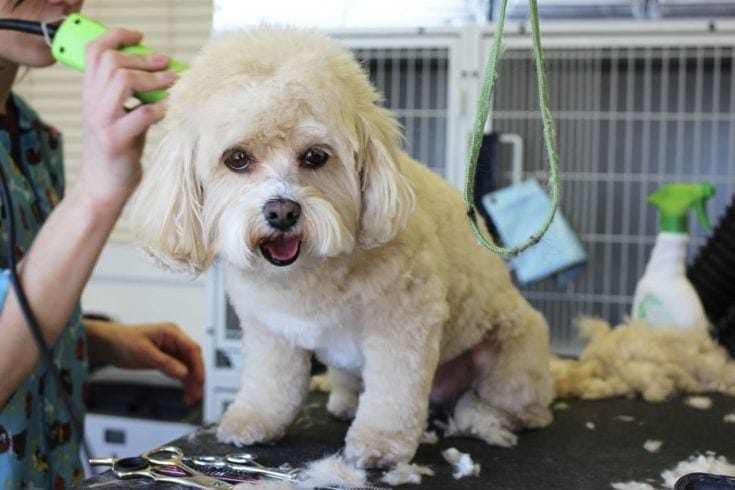
Unless it is for medical reasons, it is important not to clip or shave Labradors. A scissor trim of any unruly longer or matted hair under the abdomen, legs, and paws is fine (although usually unnecessary). Clipping damages the coarser guard hairs of the top coat while exposing the undercoat. The top coat can take a long time to grow back or may never grow back properly. This can lead to a problematic condition often referred to as ‘coat funk’.
What if My Lab Is Shedding Excessively?
It can be considered excessive shedding if the coat begins to look thin and patchy or if they have bald spots appearing. This needs veterinary attention and investigation, as many medical conditions and health issues cause hair loss and hair thinning. Examples include:
- Stress and anxiety
- Overgrooming
- Poor nutrition
- Skin infections
- Parasites, such as lice, mites, and fleas
- Allergies: these can be to things in the environment or food-related
- Pregnancy or lactation
- Diseases, such as liver, kidney, or endocrine disorders
- Immune system disorders
- Cancer
- Hormonal problems
Summary
Shedding is a normal part of owning a Labrador, and although it can’t be stopped, fortunately, there are many ways to help you reduce it and keep it under control. Pet experts in numerous professional arenas are always developing new products and approaches to this issue, so it is worth keeping yourself in the know on this topic. Always consult a professional dog groomer if you are unsure of which products or methods to use for your particular Lab, as each dog is different, and groomers are more than happy to help you!
Sources
Featured Image Credit: Olya Maximenko, Shutterstock
Get Hepper In Your Inbox


Pet care tips from our vets and experts, straight to your inbox.
You may opt-out at any time. View our Privacy Policy for more information.
Nicole is a lover of animals of all sizes but is especially fascinated with the feline variety. She’s the proud mom of Baby, a Burmese, and works every day so he can relax in the sunshine or by the fire. She’s always had a cat in her home and has spent countless days with others, observing behaviors and softening up even the grouchiest of the lot. Nicole wants to share her kitty expertise with you so you and your cat can live happy, healthy, and care-free.
Join the conversation
Ask a question, share your story, or send private feedback.