Hepper is reader-supported. When you buy via links on our site, we may earn an affiliate commission at no cost to you. Learn more.
How to Stop Dogs from Shedding Excessively in 10 Simple Steps

In this article
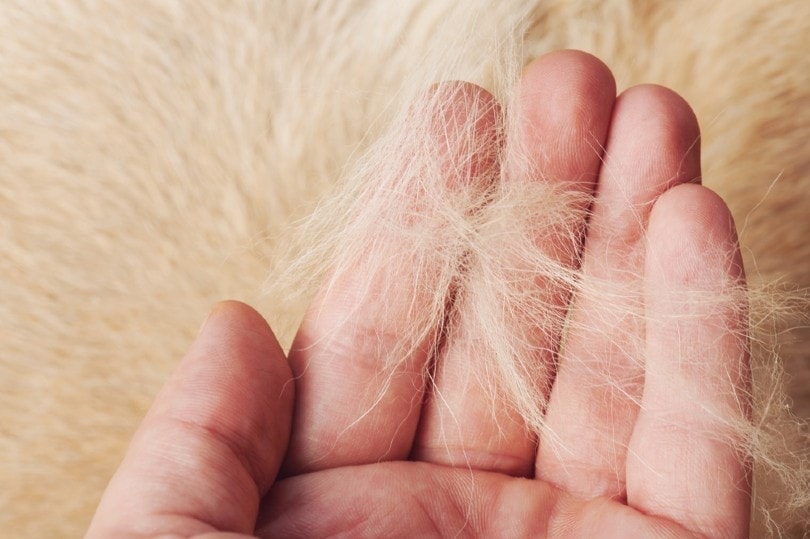
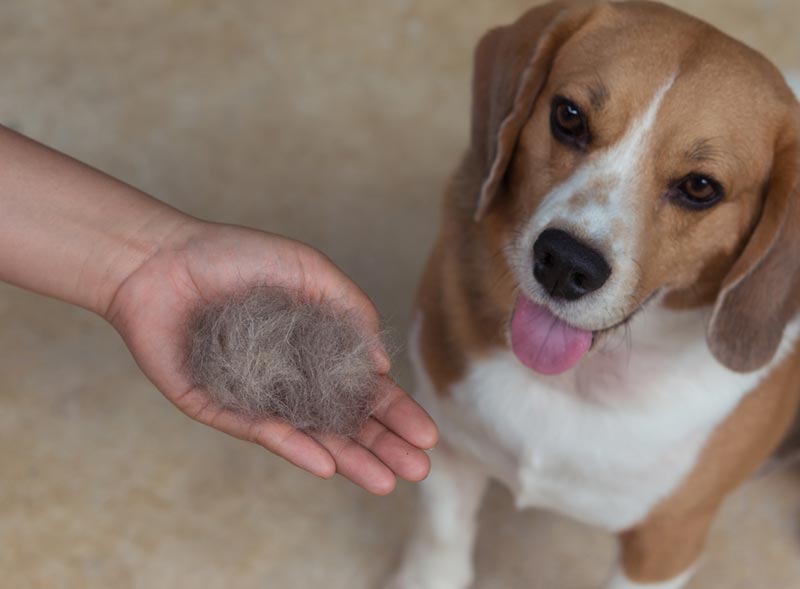
There is no getting around it—whether you have a low-shedding dog, a moderate shedder, or a heavy shedder, every dog sheds. Even dogs labeled “hypoallergenic” shed, though minimally compared to non-hypoallergenic breeds. Though we cannot stop dogs from shedding, there are ways to keep shedding under control and contribute to overall skin and coat health.
Read on for some top tips.

Coat Care & Shedding Management: What You’ll Need
The items you will need to arm yourself with depend on the kind of coat your dog has, so you may not need all of the things listed here. This is just an essential checklist of necessary and useful items to keep at home for periods of heavy shedding, to spruce your dog’s coat up as necessary, and to keep the skin and coat in good condition:
- A good-quality food formula
- Regular dog brush (like a pin brush or bristle brush)
- Metal dog comb
- De-shedding brush or tool (for double-coated, heavy-shedding breeds)
- Coat-trimming scissors (for medium or long-haired breeds)
- Dog shampoo (never human shampoo)
- Detangling spray (for double-coated or long-haired breeds prone to tangling)
How to Prevent Excessive Shedding in Dogs
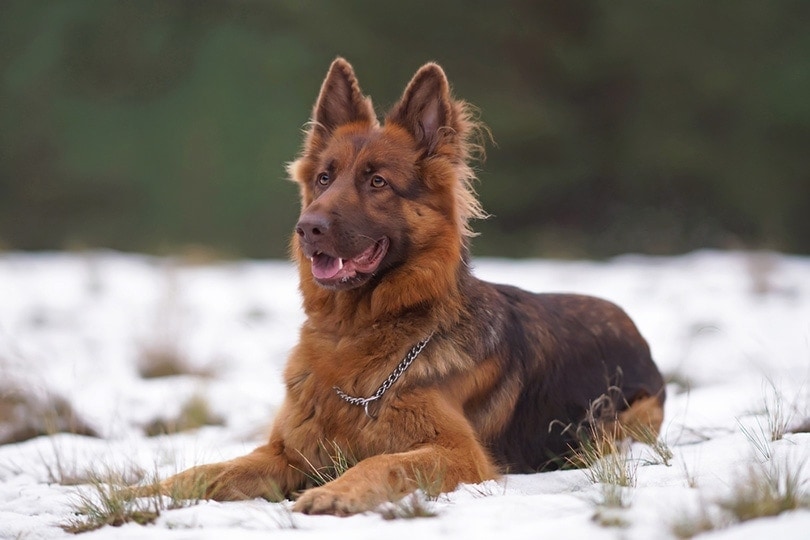
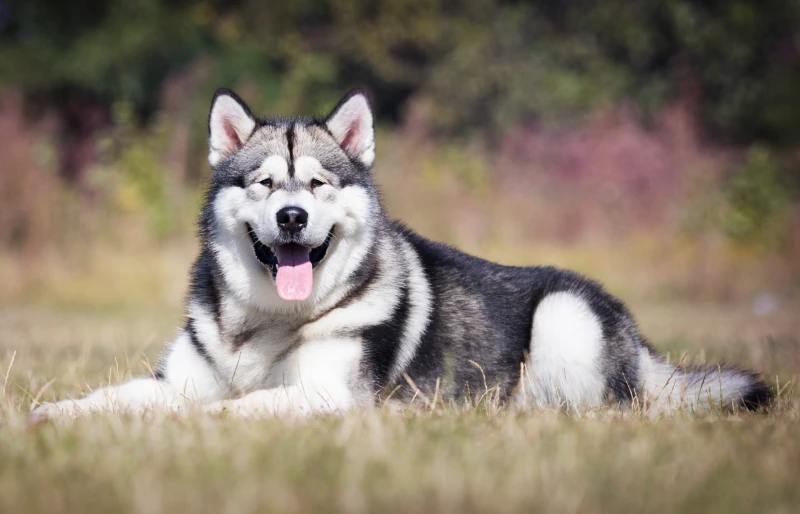
The amount a dog sheds varies depending on the breed. Some breeds, including the Alaskan Malamute, Golden Retriever, German Shepherd, and Siberian Husky, “blow” their coats during shedding seasons.
If you’re a new dog parent, you might be initially surprised at just how much shedding goes on during these periods—sometimes, the amount of hair looks enough to make up a whole other dog! Heavy-shedding dogs often shed throughout the year, too, but not as much as during shedding seasons.
Therefore, for some breeds, shedding more heavily at certain times of the year is completely normal. You can’t stop this from happening, but you can manage things and take certain steps to ensure your heavy-shedding dog’s coat is in the best possible condition.
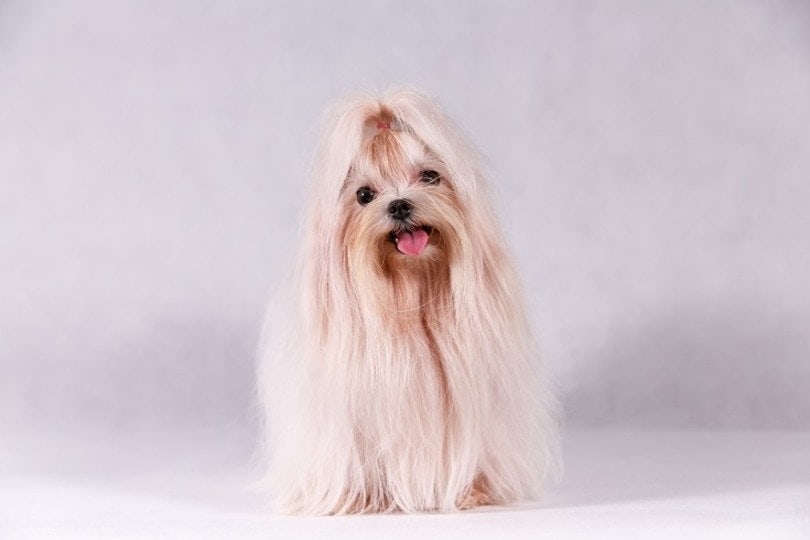
By contrast, some breeds like Poodles, Shih Tzus, and Portuguese Water Dogs do not blow their coats and shed very minimally. Though these kinds of dogs still shed to an extent, suddenly starting to shed more heavily than usual would be cause for concern because it’s simply not in their “makeup”.
Furthermore, just because a dog is low-shedding doesn’t mean you don’t need to keep up with a coat care routine, at the heart of which is proper nutrition. Here are some tips for preventing excessive shedding in dogs:
1. Feed a Healthy Diet
Good nutrition is key to keeping your dog’s shedding under control because it keeps the hair follicles in good shape, which, in turn, helps prevent excessive shedding or breakage that can happen if a dog’s hair follicles are weak. In some cases, vets recommend supplements containing omega fatty acids to support the skin and coat. Have a chat with your vet to see whether these might benefit your dog.
2. Keep Your Dog Hydrated
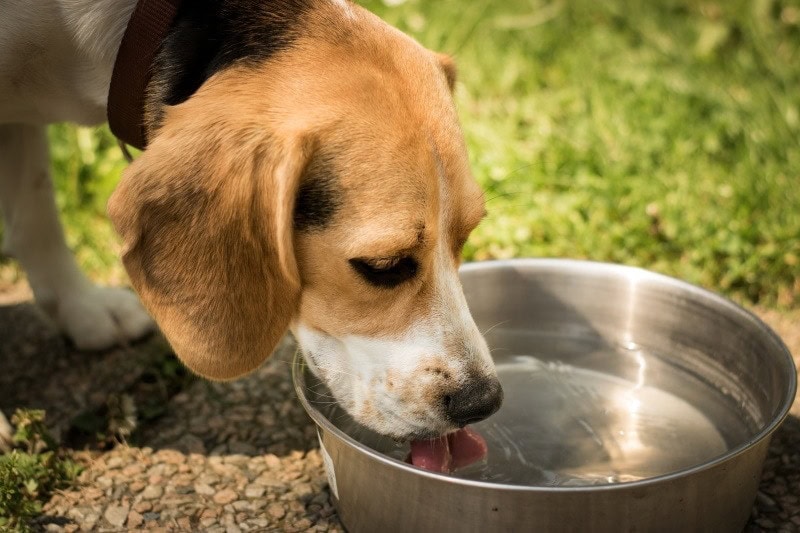
If your pooch gets dehydrated, this could result in dry skin and an increased rate of shedding. As a basic guideline, dogs are supposed to drink 1 ounce of water (1/8 of a cup) for every pound that they weigh on a daily basis.
Encourage your dog to drink by providing bowls of clean, fresh water every day. Some dogs prefer drinking fountains that provide a continual supply of flowing water, but each dog is different—go with whatever works best for your dog.
3. Use a De-shedding Tool
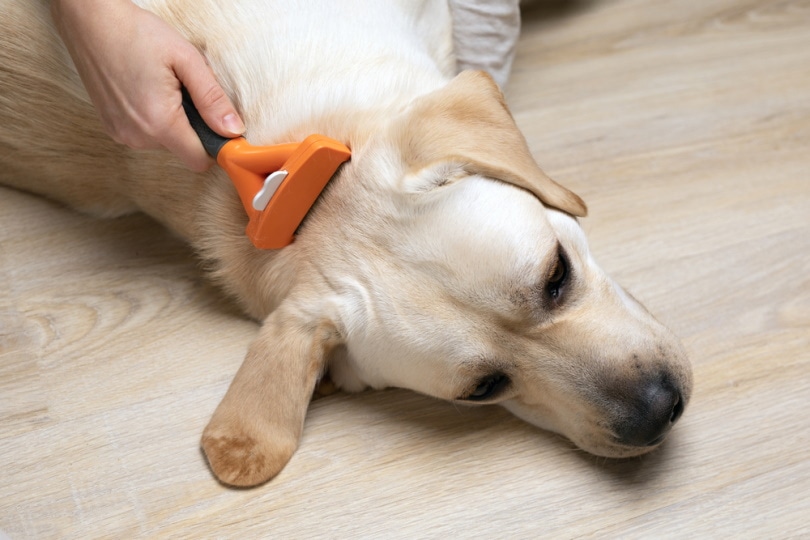
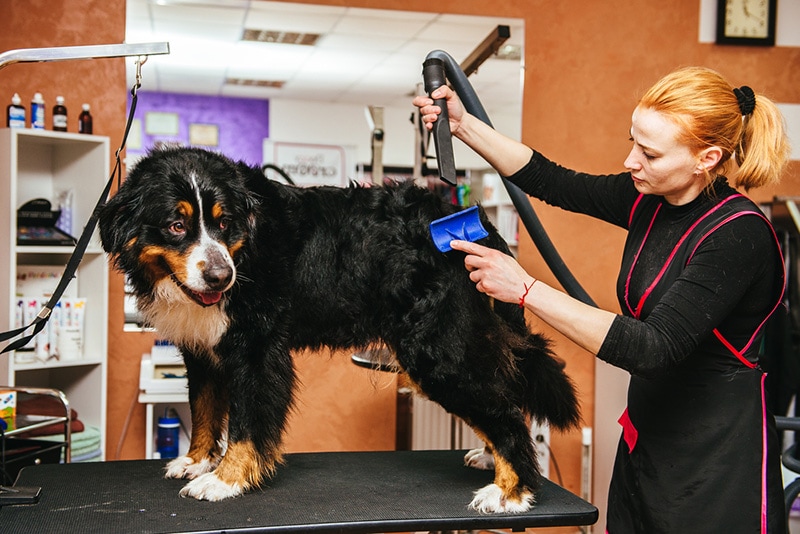
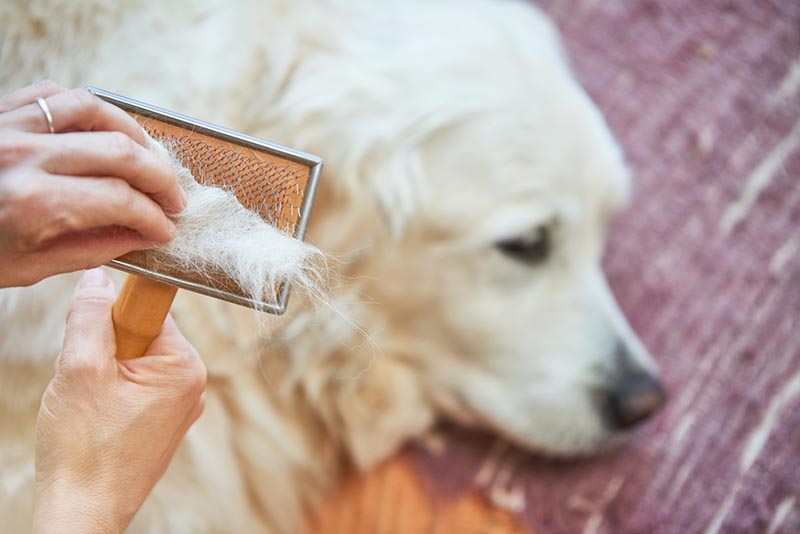
De-shedding brushes and tools remove your dog’s loose undercoat to prevent matting and offer you better control in terms of preventing the shedding hair from ending up all around your home. They can be real lifesavers for those with heavy shedders during shedding seasons. If your dog doesn’t have an undercoat, you don’t need to de-shed them.
4. Brush Your Dog Regularly
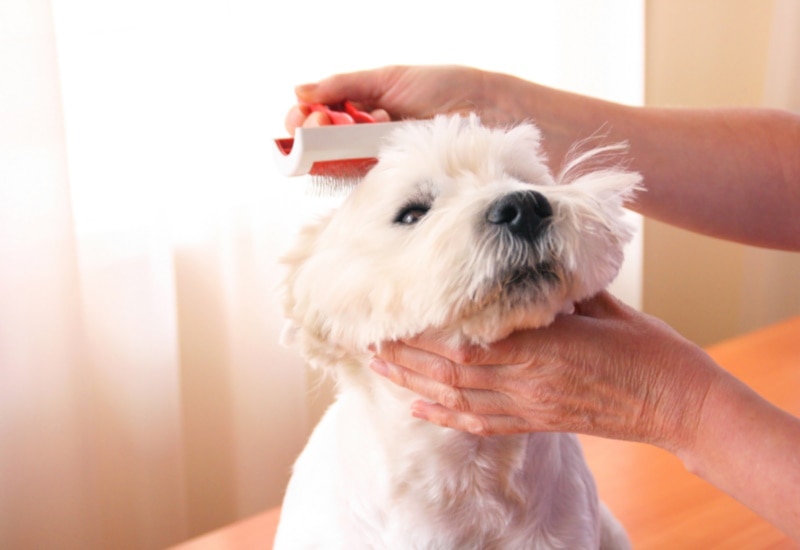
All dogs need to be brushed whether they shed heavily or not. Brushing distributes the dog’s healthy natural oils throughout the coat and skin to help keep it in tip-top condition. How often you’ll need to brush your dog depends on the type of coat they have, and just because a dog is a low shedder doesn’t always mean less frequent brushing.
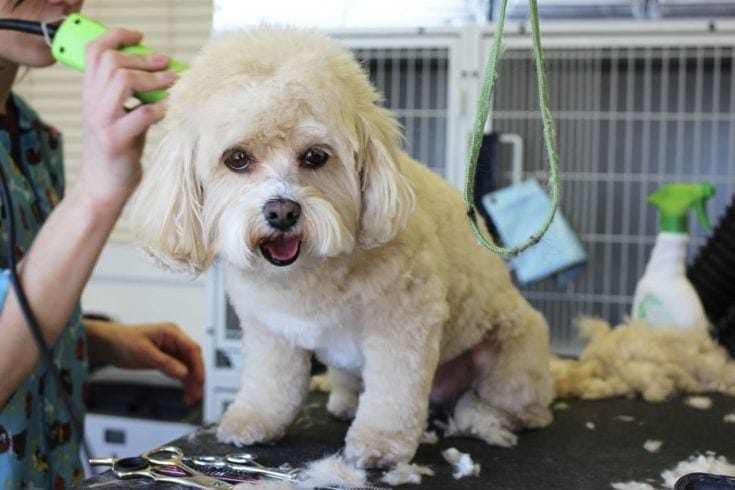
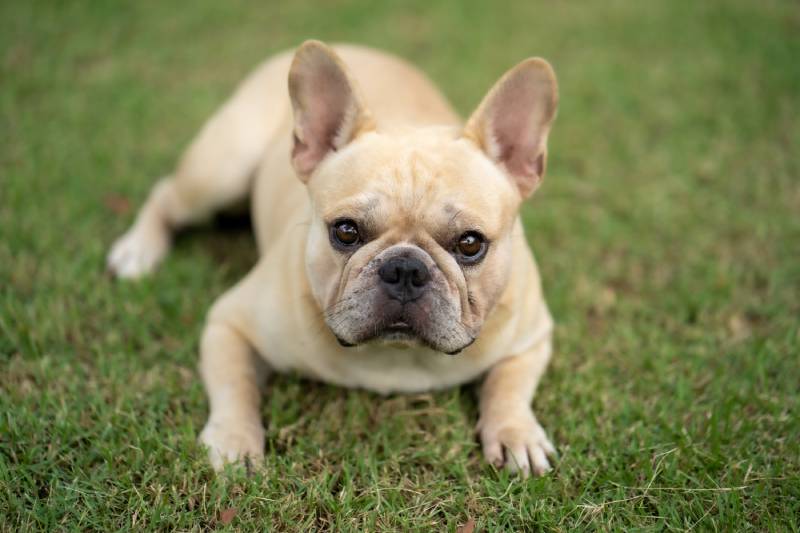
For example, Poodles that don’t have their coats trimmed short need to be brushed every day because, though these dogs don’t shed much, their curly coats can easily get matted. On the other hand, some breeds, like the short and smooth-coated French Bulldog, typically only need to be brushed once a week.
For regular brushing, you can use a bristle brush or pin brush. Some find that a comb is also useful, especially for targeting smaller, more detailed areas. Detangling sprays can be useful for brushing tangle-prone dogs’ coats.
5. Bathe Your Dog
How often you bathe your dog depends on their coat type. Some breeds, like hairless breeds, may need to be bathed weekly whereas others only need to be bathed every couple of months or so or as necessary. Medium to long-coated dogs typically need to be bathed every 4–6 weeks. Some dogs need to be bathed more regularly for medical reasons.
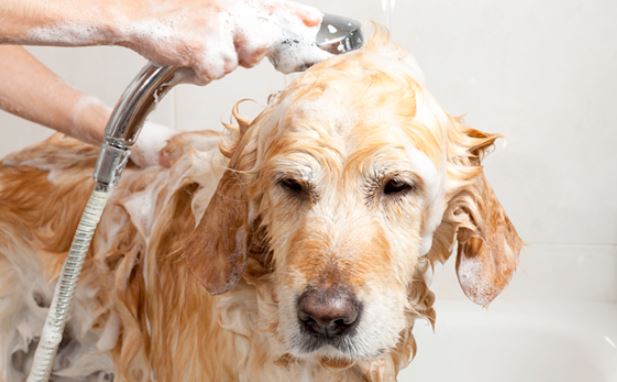
Bathing can be especially helpful for heavy-shedding dogs when they blow their coats because it helps remove the loose undercoat. You might want to consider investing in a dog shampoo specifically for shedding if you’ve got a heavy shedder on your hands. Whatever the case, never use human shampoo on your dog—this can cause dry, sore, and itchy skin.
6. Reduce Stress
Stressed or anxious dogs sometimes shed excessively, so try to keep your dog’s environment as calm and stress-free as possible. Look for other signs that your dog might be experiencing stress or anxiety, like restlessness, drooling, panting, yawning, barking or whining excessively, shaking, hiding, destructive behavior, and urinating or defecating inside the house.

What Can Cause Excessive Shedding?
An abnormal amount of shedding (remember that some breeds naturally shed more than others) can be caused by a variety of situations and health conditions.
These causes include:
Final Thoughts
In short, some dogs shed quite a lot whereas others shed very little. Shedding is a normal part of being a dog, but certain health conditions can cause dogs to shed more than they usually would.
It’s best to keep a close eye on your dog’s skin and coat condition and look out for any other signs of illness in addition to providing quality nutrition and keeping up with a grooming routine suitable for the kind of dog you have. If your dog’s shedding has been excessive for them (we say “for them” because what’s normal for one dog might be abnormal for another) of late, please speak to your vet to be on the safe side.
See Also:
Featured Image Credit: N_T, Shutterstock
Get Hepper In Your Inbox


Pet care tips from our vets and experts, straight to your inbox.
You may opt-out at any time. View our Privacy Policy for more information.
Kit Copson is a freelance writer and lifelong animal lover with a strong interest in animal care. She has parented various furry beings over the years and is currently a proud cat mom of two—one skittish but adorable Domestic Shorthair and very chilled (unless hungry) Siamese and a —and dog mom of one—an adopted Bichon Poodle cross. When not writing about or spending time with pets, Kit can be found doodling in her sketchpad, reading, or more often than not, drinking tea.
Join the conversation
Ask a question, share your story, or send private feedback.