Hepper is reader-supported. When you buy via links on our site, we may earn an affiliate commission at no cost to you. Learn more.
Do Pitbulls Shed a Lot? Life Stages, Reasons & Prevention Tips
In this article
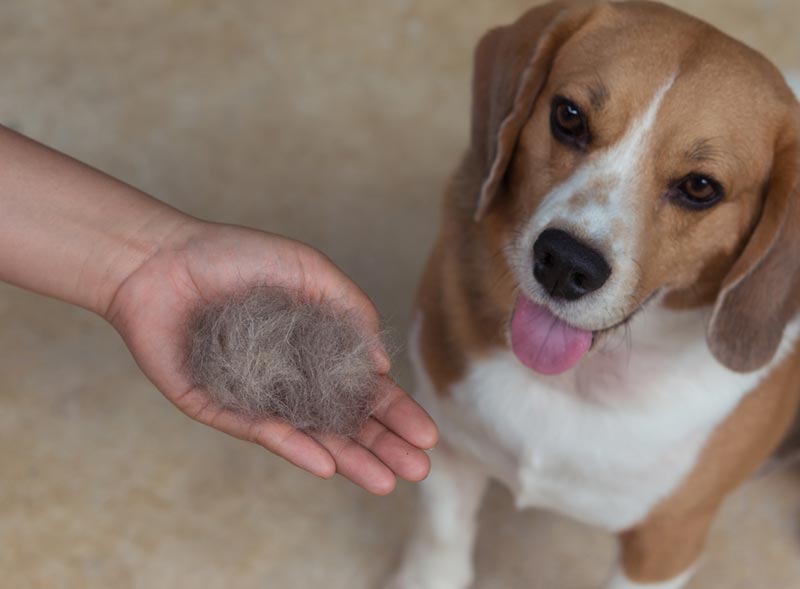
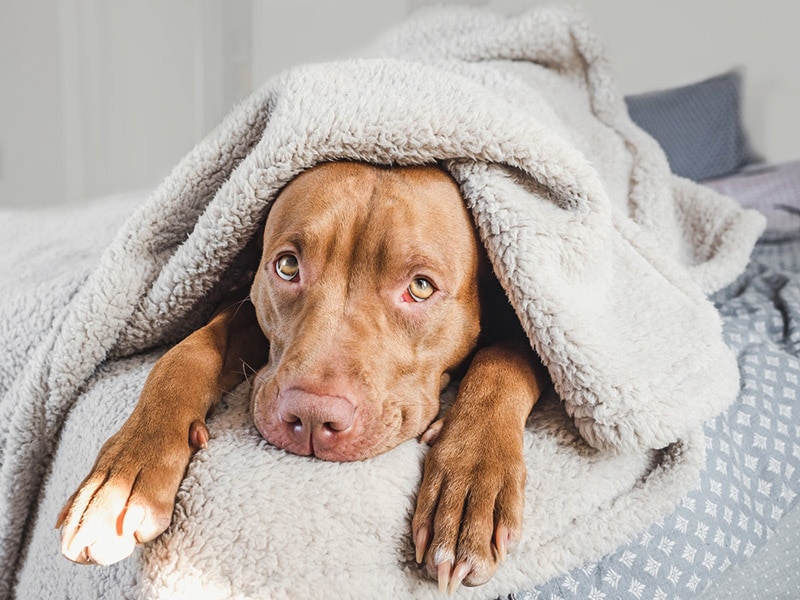
One of the biggest concerns for anyone looking to keep a Pitbull is whether they shed a lot, and if they are hypoallergenic. Pitbulls naturally shed, though less frequently when compared to other dog breeds. They are considered moderate shedders because instead of growing dog hair, they grow fur, which has a shorter life cycle. This simply means fur sheds off in greater volume and more easily than hair.
Furthermore, a Pitbull has a single coat instead of a double coat. Dogs with single coats don’t tend to shed as much, but their fur does fall out more easily since it doesn’t get trapped as easily between a double layer. Pitbulls should not be considered hypoallergenic by any means.
A Pitbull’s shedding level may be surprising to many new Pitbull owners. Fortunately for you, this article will discuss just how much they shed, the reasons for shedding, and how to manage it. We will also highlight how to get rid of pit bull fur from your home.

How Much Does a Pitbull Shed in Different Life Stages?
Puppies
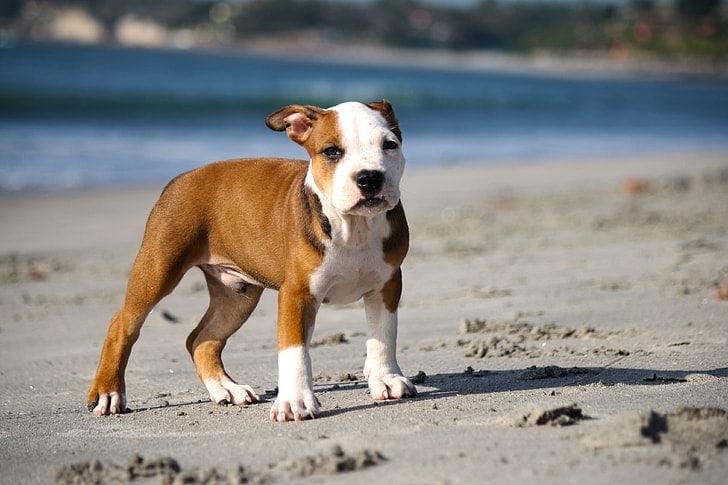
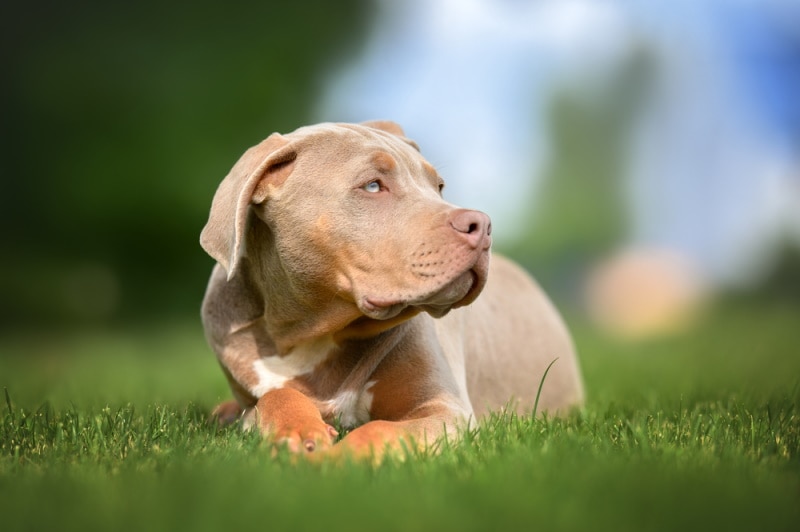
All Pitbull puppies grow a coat that they shed after about 4 to 6 months.1 In some instances, the patterns and colors of a Pitbull puppy also change as they lose their puppy coat and grow adult fur.
Since puppy fur has a faster growth cycle, shedding happens much faster in the first few weeks, but this will slow down as soon as the puppy starts growing an adult coat.
The puppy’s fur may look shaggy or patchy, but this shouldn’t be a cause for concern because the bald spots will fill up as soon as the adult fur starts to grow.
Adult Pitbulls
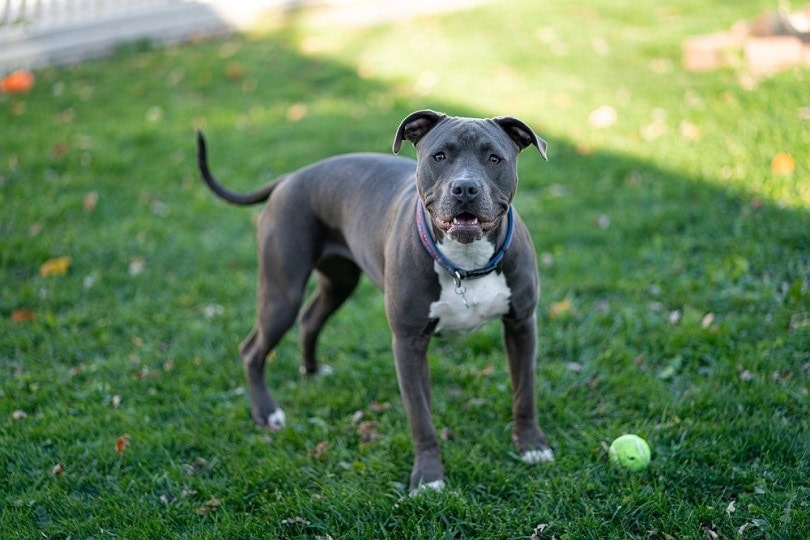
For adult Pitbulls, they tend to shed year-round, but they won’t shed a significant amount of fur during this time. You can expect them to shed a little bit of fur daily.
They shed the most fur seasonally, in the spring and fall, because they are losing their winter and summer coats.
Older Pitbulls
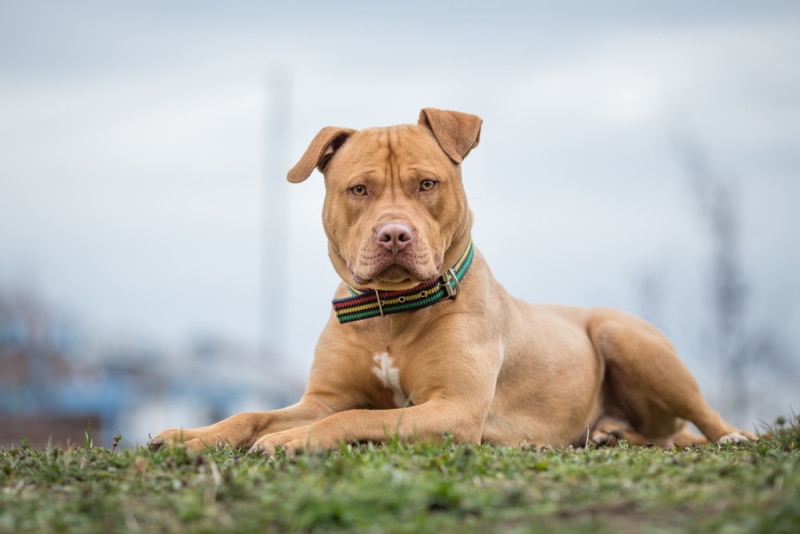
In older Pitbull dogs, shedding is more frequent because it increases as the dog ages. This is because the dog's coat and skin may not be as healthy as before.
The shedding is more noticeable in older dogs because they are less active. If an old Pitbull spends its entire day napping in a single spot, their fur is likely to accumulate in that area.

The 7 Common Reasons Why Pitbulls Shed
1. It Is a Natural Process
All dog breeds naturally shed in a cycle that helps them remove old and damaged hair/fur. Usually, Pitbulls shed consistently throughout the year, but the volume increases significantly in spring and fall, as the daylight hours change.
This peak period allows the dog to grow lighter coats for summer and heavier coats to protect their skin from the harsh winter elements.
2. Dehydration
If your Pitbull doesn’t receive adequate water, its shedding is likely to increase as the fur becomes dried out. Therefore, it is always best to make fresh water available for your pit bull, both inside and outside your home.
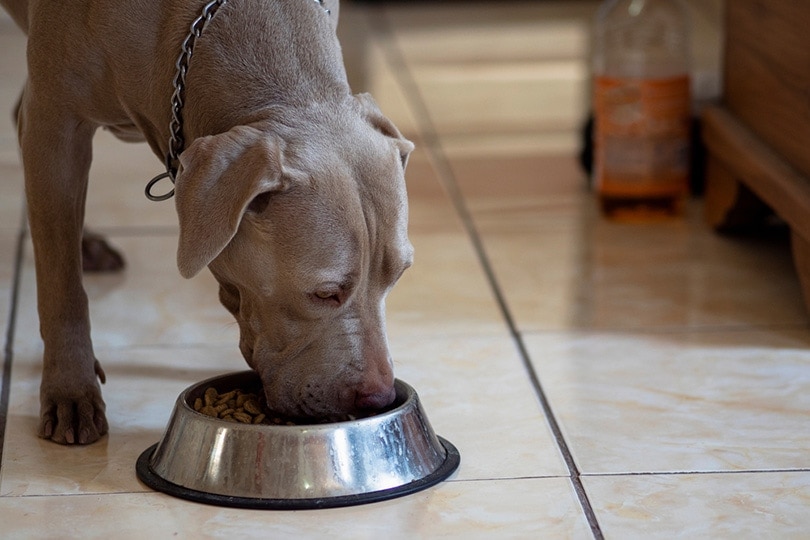
3. Change in Diet
Changes in a Pitbull’s diet can also cause an increase in the volume of shedding. For instance, if your dog was used to eating chicken, then you suddenly switch to beef or a fish-based diet, the dog's body will react by increasing the amount of loose or dead hair. However, you have to wait for at least a month to ascertain whether the change in diet is the cause of an increase in shedding.
A diet that is low in nutrition and of poor quality can also increase shedding in your Pitbull. So, ensure you serve your dog high-quality foods with high nutrient content. Moreover, a dog may experience excess shedding due to an allergic reaction to some type of food. You can discuss potential allergies in Pitbulls with your vet.
If for whatever reason you want to change your dog’s diet, make sure that the process is gradual rather than sudden, so that you can notice if the shedding still happens.
4. Stress
Did you know that a change in your routine can impact your dog? Yes, indeed it can. For instance, you may have gotten a new job that requires you to leave home earlier. This translates to you spending more time away from home, which eats into your family and dog time. You could also have children who were closer to your Pitbull that leave home for college.
These can be very stressful scenarios for a Pitbull and can result in separation anxiety. You can opt to employ a dog walker, but sometimes they cannot be available, meaning walking your dog is simply touch and go. This will affect your dog’s routine, which may cause stress and consequently leads to an increase in their shedding.
5. Frequent Bathing
While we may enjoy our bath time with our Pitbull, frequent bathing could also contribute to excessive shedding, especially if you regularly use dog shampoo. Some dog bathing products could cause your dog’s fur to shed more than normal.
Your Pitbull could also end up having flaky, dry skin or an increase in the frequency at which they scratch their skin. So, it's best to consult your local vet for a recommendation of shampoos that are gentler on Pitbull skin.
6. Skin Conditions
Pitbull dogs are overly prone to allergies, which often make their skin very itchy. Common allergies affect their skin folds, ears, feet, and bellies. These skin conditions can cause a Pitbull to lose hair more frequently than normal.
Even sunburns can increase the shedding as this dog species has some of the most sensitive skin in the canine world. Even simple household air fresheners and detergents can irritate their skin, which causes more shedding because your dog will keep biting the area in a bid to alleviate the irritation.
7. Parasites
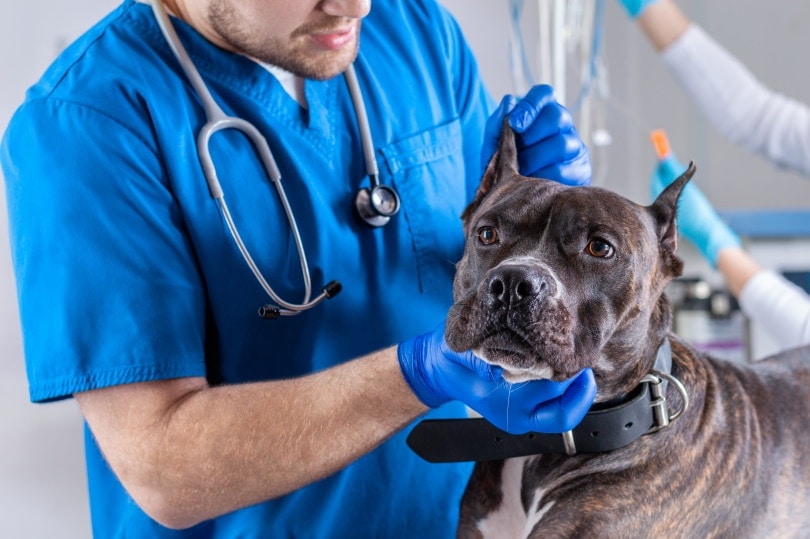
Usually, Pitbulls react to the presence of mites, fleas, scabies, and fungal infection with excessive shedding. In addition to excessive hair loss, other symptoms are a clear indication that your dog has parasites such as fleas on its body.
Sometimes people might confuse flea presence with dry skin; however, there is a distinction between the two. So be on the lookout for symptoms of parasites on your Pitbull and take necessary action.

The 3 Tips on How to Manage a Pit Bull Shedding
For some pet owners, shedding could be the main reason to rule out Pitbulls as an appropriate dog breed, while to some people, the dog's affection, strength, loyalty, courage, and loyalty outweigh its tendency to shed.
In case you are concerned about the volume of your Pitbull’s shedding, there are a few things you can do to ensure that your dog's coat and skin remain strong and healthy. However, keep in mind that shedding is a natural process in Pitbulls, and you cannot do away with it completely.
1. Brushing
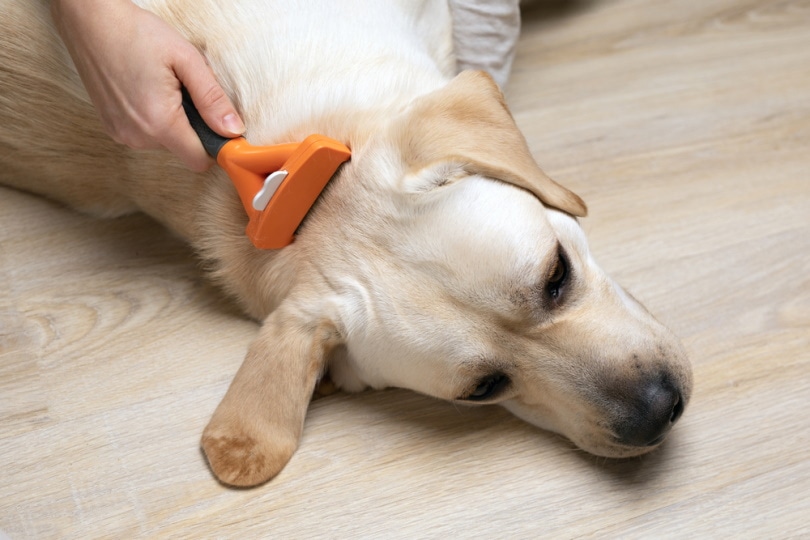
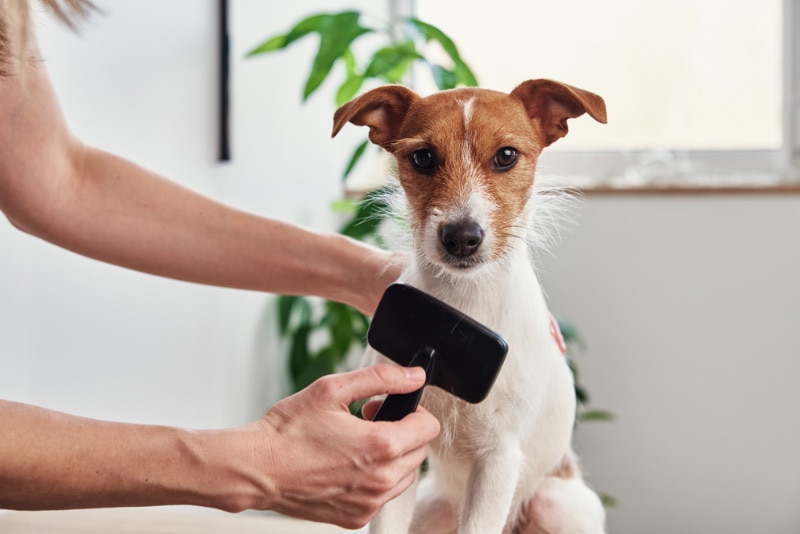
Brushing is an essential care activity for your dog because it helps get rid of dead hair from your Pitbull’s coat. It is also a great opportunity to bond with your dog. Moreover, brushing helps stimulate circulation, which results in your dog having healthier skin with plenty of oil and a shiny coat.
Just ensure you use the correct type of brush for their coat. Since Pitbulls have a stiff and short coat, a flexible bristle brush would be ideal. Brush your dog at least twice or thrice a week, but you can do it as often as you want if your Pitbull sheds a lot.
2. Bathing
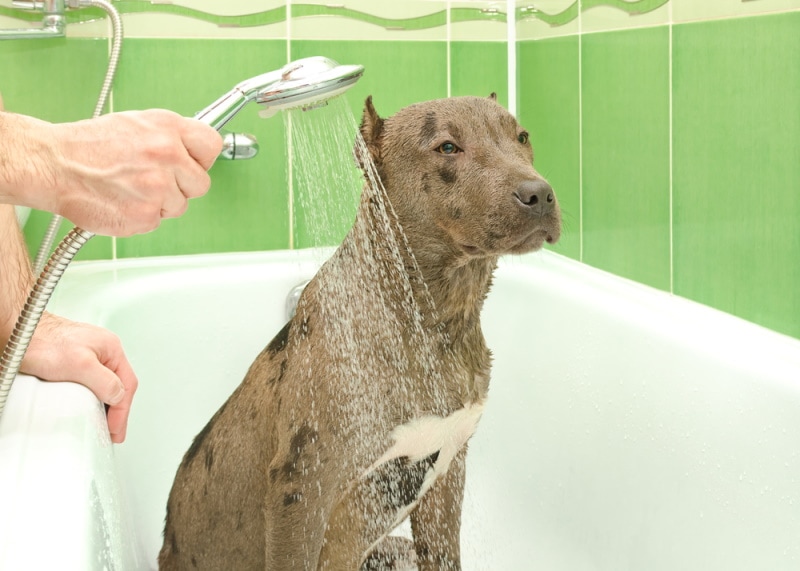
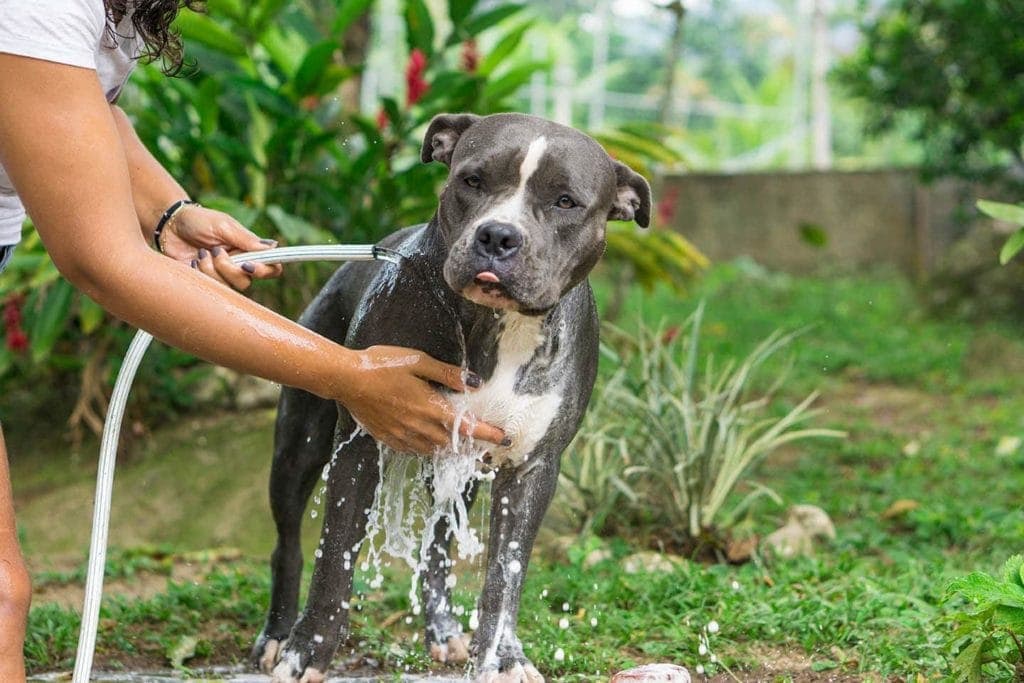
Bathing your Pitbull is also an important part of its grooming practices. However, be cautious not to overdo it. You can use warm water to loosen up the follicles, thus forcing old hair to fall off. Using grooming tools as you bathe your dog will further remove old fur and reduce shedding.
As you bathe your dog, consider using deshedding dog shampoo, a product that contains moisturizing agents meant to protect and support coat and skin health.
3. Use Supplements
As earlier mentioned, your dog's water and food intake can affect its shedding frequency. Your Pitbull’s diet should include omega fatty acids and vitamin C, which is not only beneficial to a Pitbull’s fur, but it also ensures that the coat remains healthy and soft during the shedding season.

In Conclusion
Pitbulls are amazing house pets because they are friendly and very loyal. Like most dog breeds, they shed fur, but since they only have a single coat, they are moderate shedders. However, the amount of fur that a Pitbull can shed varies seasonally and from one dog to another.
Fortunately, shedding in Pitbull is fairly easy to manage. With regular brushing, bathing, and feeding your dog nutritious and high-quality foods, you can ensure that their coats remain healthy throughout the year. Just don’t forget to buy a powerful vacuum cleaner to keep your house clean during the shedding season.
Sources
Featured Image Credit: PPstudio, Shutterstock
Get Hepper In Your Inbox


Pet care tips from our vets and experts, straight to your inbox.
You may opt-out at any time. View our Privacy Policy for more information.

Nicole is a lover of animals of all sizes but is especially fascinated with the feline variety. She’s the proud mom of Baby, a Burmese, and works every day so he can relax in the sunshine or by the fire. She’s always had a cat in her home and has spent countless days with others, observing behaviors and softening up even the grouchiest of the lot. Nicole wants to share her kitty expertise with you so you and your cat can live happy, healthy, and care-free.
Join the conversation
Ask a question, share your story, or send private feedback.