Hepper blog

Search our database of over 9,984 posts with up-to-date information from our experts and veterinarians.

Hepper is reader-supported. When you buy via links on our site, we may earn an affiliate commission at no cost to you. Learn more.

Why Your Fish is Gasping for Air? 7 Reasons & What to Do
By Lindsey Stanton
Share
Ask us a question in the comments
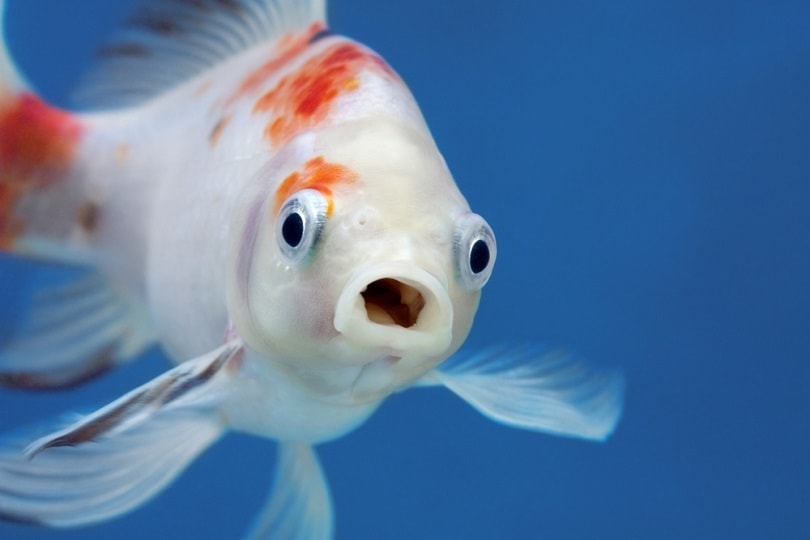
fish-with-wide-open-mouth_Noheaphotos_shutterstock

A fish that constantly gasps for air at the surface is never a good sign. Although fish like the Siamese fighting fish will gulp in the air occasionally as in nature, they use their labyrinth organ to control oxygen intake. Many other species of fish should not be gasping at the surface. A healthy aquarium has enough aeration and the correct water parameters (ammonia, nitrite, nitrate) to create a balanced ecosystem within the waters.

Gasping for air is the fish’s way of trying to communicate to you that there is insufficient oxygen. Action should be taken immediately if you notice this pattern often throughout the day or night. Healthy fish do not gasp at the surface in abnormal ways. If your fish has started this behavior out of the blue, the best option is to find the source of the problem and take immediate action where possible.

This article will help you discover possible reasons with successful solutions while providing you with all the answers as to why your fish may be gasping for air.

Determining If Your Fish Is Gasping for Air

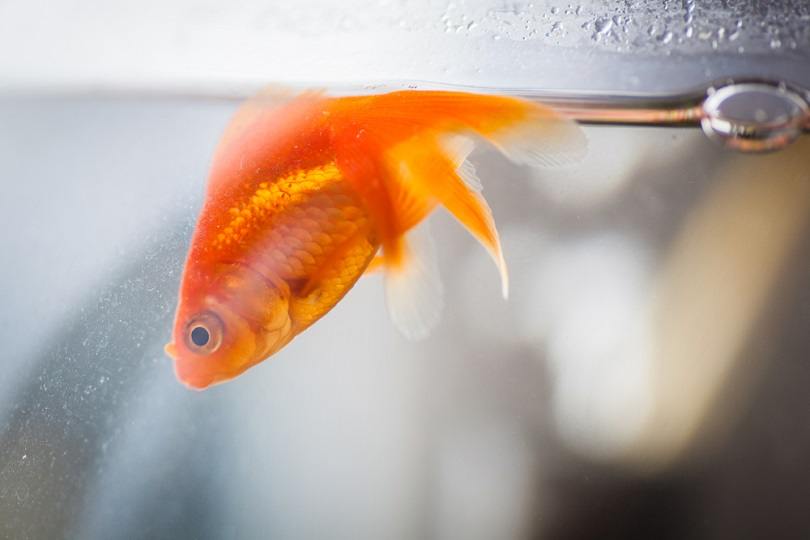
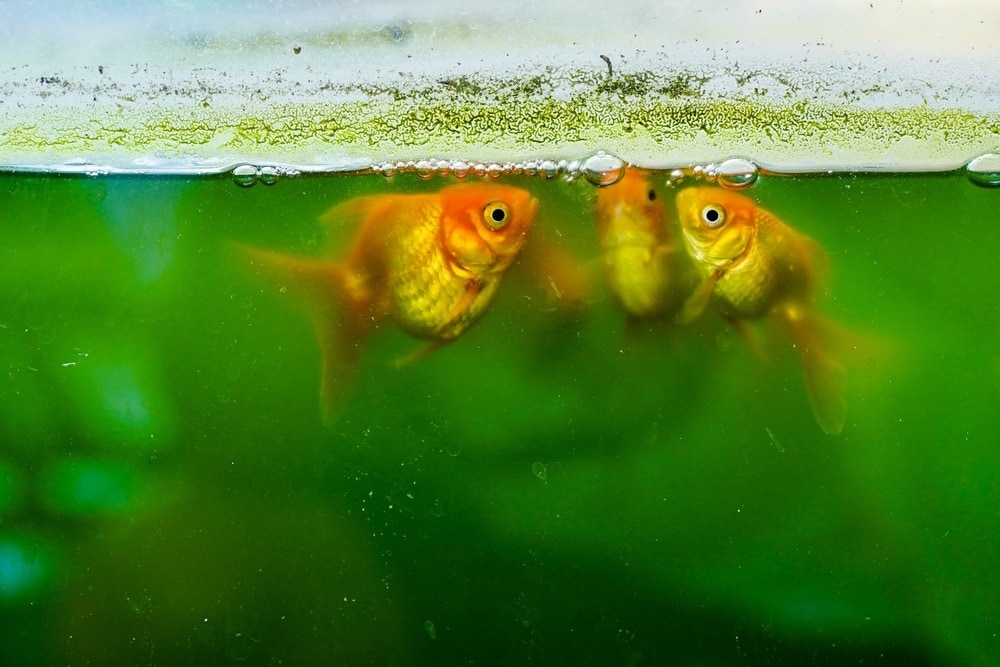
This is seen at the surface of the water where the most oxygen is present. Fish breathe through their gills. This is seen as the side flaps close to your fish’s head spanning in and out. It may be accompanied by their mouth opening and closing.

When a fish is gasping at the surface, it is viewed in a similar manner that replicates how it breathes. The only difference is their mouth is nearly out of the water and gasp motions are present. It can happen every few minutes or span out over a few hours. On rare occasions when the reason is serious, physical symptoms of ill health may be present.

The 7 Factors & Solutions for Fish Gasping at the Surface

There are a variety of reasons your fish is gasping at the surface of the water. Some are problematic and require an immediate solution, while other reasons may be due to feeding methods.

1. The Aquarium Has Poor Aeration
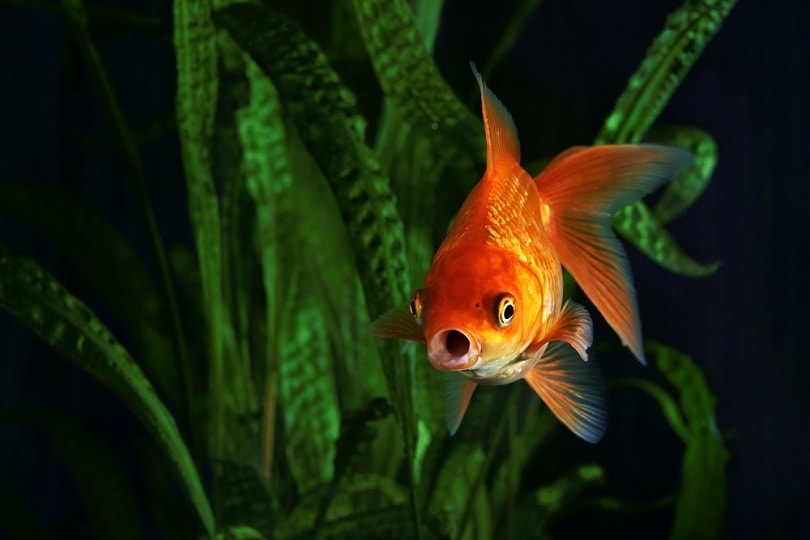
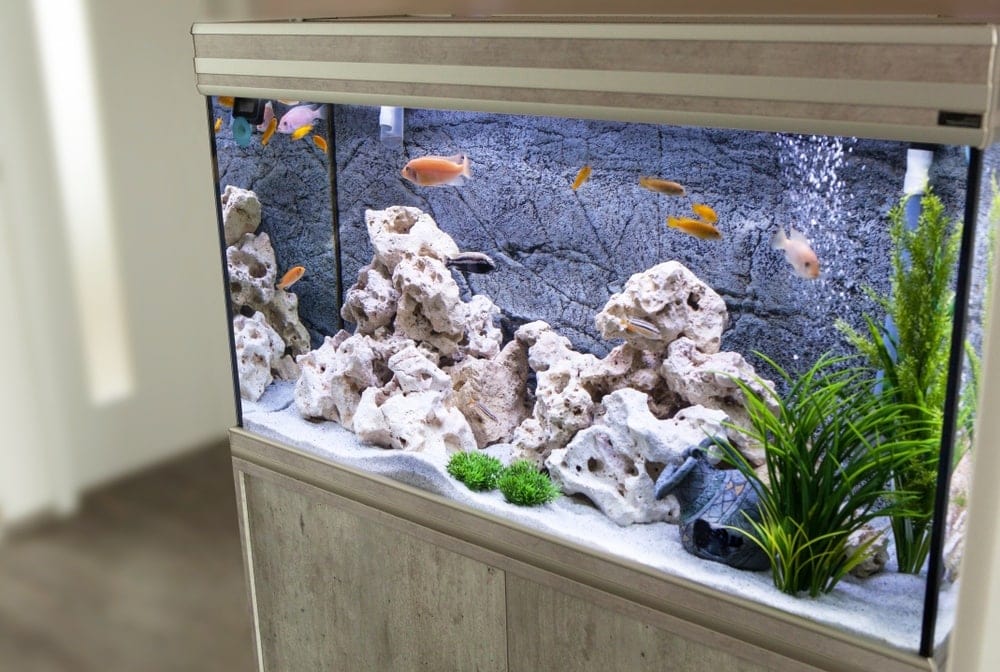
Goldfish-aquarium_chaikom_shutterstock
Image Credit: chaikom, Shutterstock

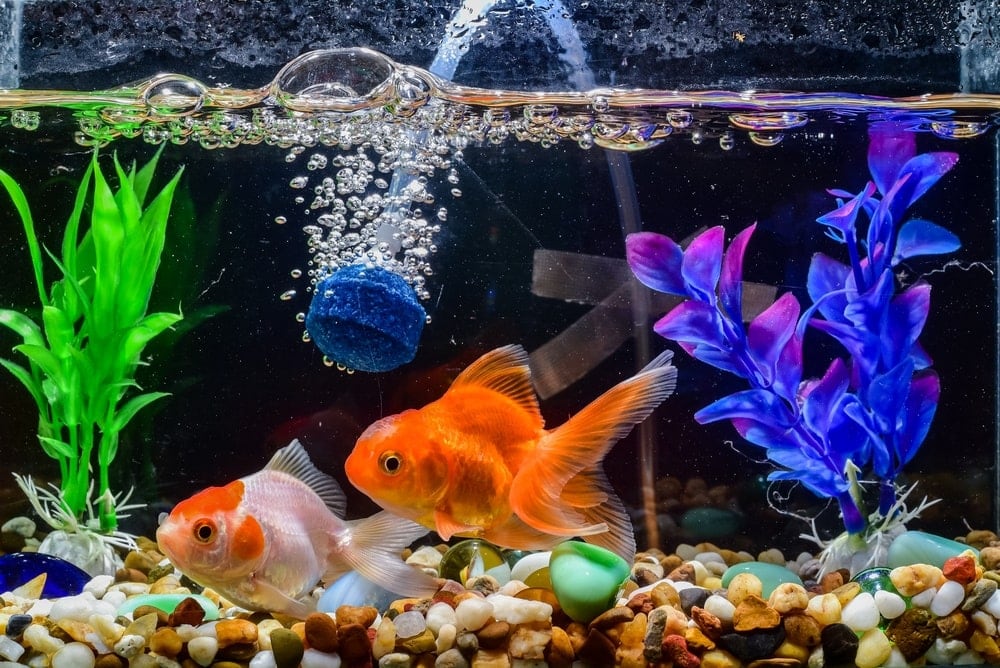
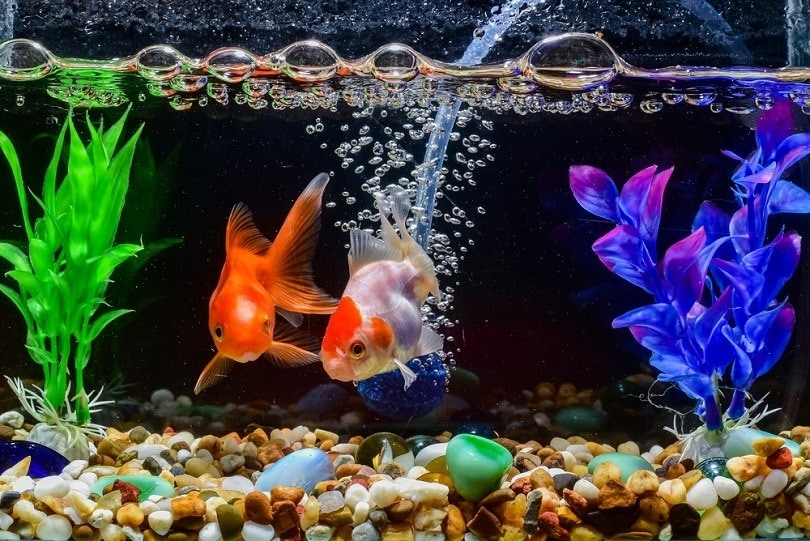
A lack of oxygen within the aquarium is a major concern for the inhabitants living in it. Just like humans, it's essential for fish get enough oxygen from the water. A fish that is constantly desperately gasping at the surface is a clear sign of low oxygen levels in the aquarium. This can be due to poor aeration within the aquarium and on the surface. A stagnant water surface does not allow for sufficient oxygen to enter the water. Some lonesome fish, like Siamese fighting fish do not require a harsh surface movement, as they are adapted to naturally having slow and delicate surface movements.

It is not, however, true for every other species of fish both in salt and freshwater. Poor aeration is one of the top causes when it comes to surface gasping.

  • Symptoms: The fish will stay at the surface for long periods with no interest in swimming throughout the rest of the aquarium. The fish's mouth with a gulp in large amounts of air in a matter of minutes. The fish has clamped fins and becomes lethargic. Failure to treat in time will result in suffocation.
  • Solution: Add an airstone into your aquarium alongside a filter that causes surface movement. To be extra cautious, add in an additional spray bar and oxygen drops from your local pet store. Keep the water below 23°C for cold or temperate water fish and below 27°C for tropical fish who are struggling to take in oxygen.

2. Incorrect Water Parameters and Water Quality

holding PH tests in front of freshwater aquarium
Image Credit: M-Production, Shutterstock

If the water in your aquarium begins to foul due to a rotting plant or leftover food in the aquarium, your aquarium's oxygen levels will dangerously diminish. If the ammonia, nitrites, and nitrates are not kept under control, an ammonia spike will occur.

  • Symptoms: The water will be cloudy and give an appearance as if someone has poured milk into the water. The fish constantly gulp at the surface and appear listless. Their fins will appear cramped and ragged. The body of the fish may start to develop ammonia burns, a C-shaped body indicating nitrate poisoning followed by bottom sitting.
  • Solution: Check the water parameters using a trusted liquid testing kit. Do an immediate 60% water change and add ammonia chips into the filter. Following the large water change, do 30% water changes every 3 hours. Add an airstone for additional aeration into the tank. Ensure you cycle your aquariums before adding any living organisms and take care not to crash the nitrogen cycle (a colony of developed nitrifying bacteria) once your aquarium is established.

3. Incorrect Water Temperature

fish-on-the-background-of-aquatic-plants_Mirek-Kijewski_shutterstock
Image Credit: Mirek Kijewski, Shutterstock

The water within the aquarium may be abnormally high, exceeding the recommended temperature for the species of fish inhabiting the aquarium. If the water in your aquarium is too warm, the oxygen level naturally lowers. This is a specific problem amongst coldwater fish who do not have the necessary survival mechanisms to breathe normally in warmer water. This can cause the fish to search for oxygen on the surface.

  • Symptoms: Increased metabolism is observed in fish. Digestion will take place at a faster rate than usual. The fish will hover just below the surface and occasionally gasp in quick succession.
  • Solution: Slower lower the temperature within a few hours. Do not lower the temperature too drastically as you will cause your fish to go into temperature shock. Keep the aquarium out of direct sunlight, lower the heating setting if you have a heater, and float ice block cubes on the surface of smaller aquariums. For larger aquariums over 100 gallons, it is best to freeze a 500ml water bottle and float it in the aquarium.

If you're a new or experienced goldfish keeper who’s struggling to figure out the best temperature for your goldfish family, check out our best-selling book on Amazon, The Truth About Goldfish,  which covers everything about tank maintenance practices, maintaining optimum fish health, and more!
The Truth About Goldfish New Edition

This crucial aspect of the tank setup could be affecting your pet’s health more than you suspect.  which 


4. Overcrowding Fish and Plants
Carassius-auratus_panlipai-paipa_shutterstock
Image Credit: panlipai paipa, Shutterstock

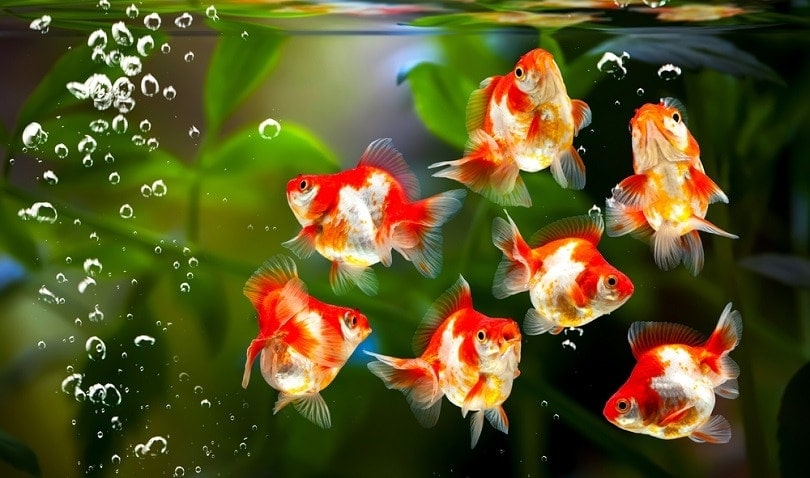
We may get carried away by adding as many inhabitants into our aquarium as possible. It is important to remember that plants, fish, and invertebrates within your aquarium all compete for oxygen found within the water. Both plants and fish use the oxygen found in the water, if there is competition for oxygen, both the plants and fish take in large amounts of oxygen. Overstocking an aquarium will result in low oxygen levels.

  • Symptoms: You will observe the live plants beginning to die off. The invertebrates like snails will stay at the top of the water and use their siphon more than usual. Fish species will continuously gulp at the surface in short gulps, stop and swim around the aquarium then repeat the pattern.
  • Solution: Keep the aquarium's stocking rate low. Do not overstock with fish and live plants. Ensure the stocking ratio to the size of your aquarium is suitable.

5. Disease

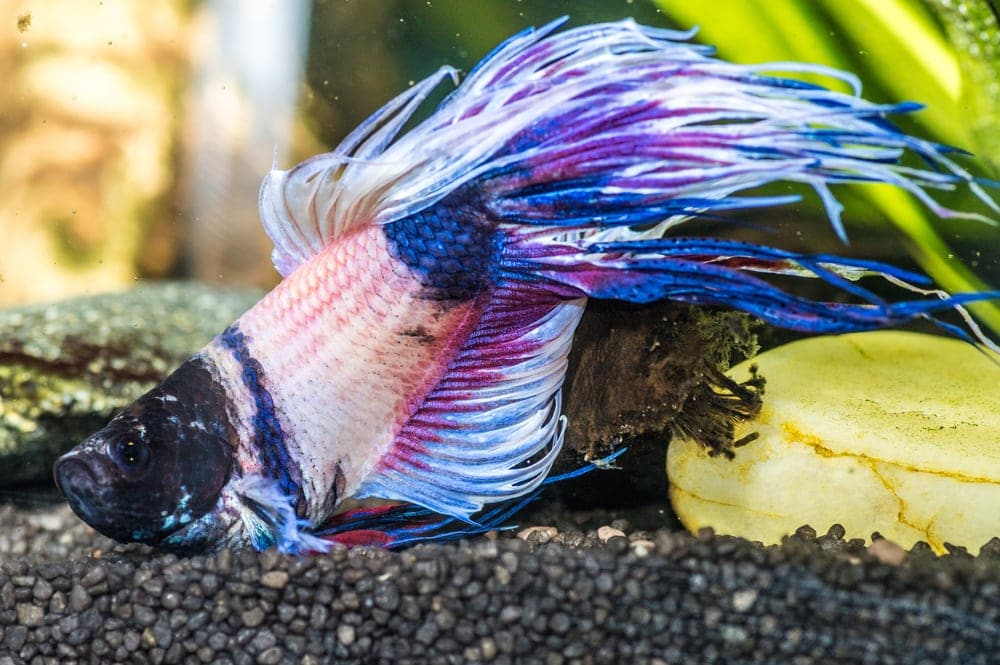
sick betta fish
Image Credit By: Wirestock Creators, Shutterstock

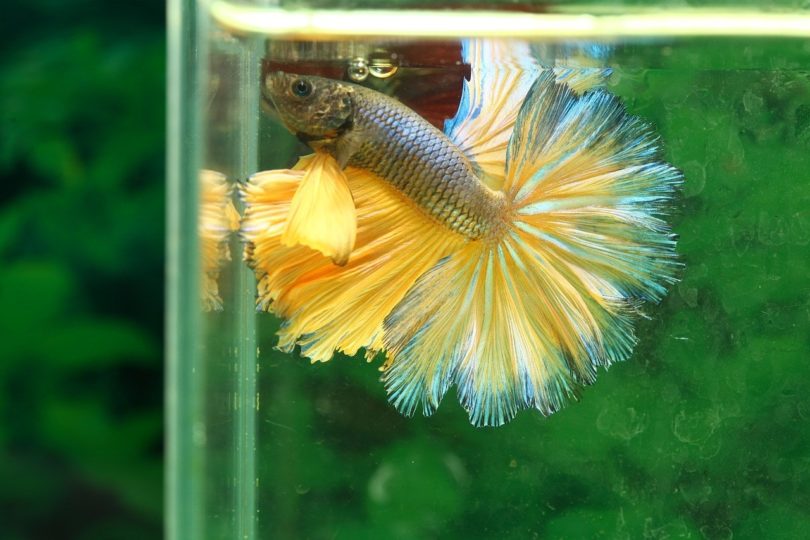
Fish that have severe diseases like gill flukes will have a hard time breathing. Gill flukes attack the gills. It eventually becomes hard for the fish to breathe properly once the disease worsens. In the late stages, the fish may not even be able to breathe at all. This will result in suffocation and eventually death.

  • Symptoms: The fish will have visible redness around the gills. The gills may appear as open wounds. The fish will become lethargic and bottom-sit. Due to the fish's poor ability to breathe air in the late stages, the fish will attempt to reach the surface to gulp air every few hours.
  • Solution: Treat the disease promptly. Pay close attention to any physical health issues, especially surrounding the gills. Ask your local pet store or qualified fish vet for recommended treatment options.

6. The Issue with Bio-orbs and Bowls

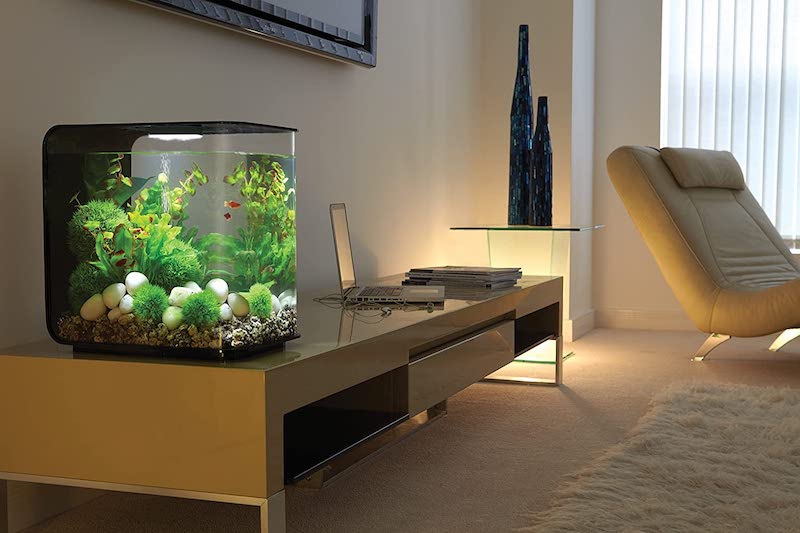
biorb flow 30 black aquarium
Image Credit: Amazon

Although many novice aquarium keepers will make the mistake of purchasing a small bowl or bio-orb for their fish. Both aquaria do not contain enough surface area for appropriate oxygenation to take place. The small opening and large rounded sides do not let in enough oxygen as a proportionate tank can.

  • Symptoms: The fish will swim to the surface of the bowl often. You may observe your fish hovering close to the top of the bowl.
  • Solution: Provide your fish with a rectangular tank. Adding oxygen drops and a large airstone will suffice for a short while in a bowl or any spherical aquaria design.

7. Floating Food

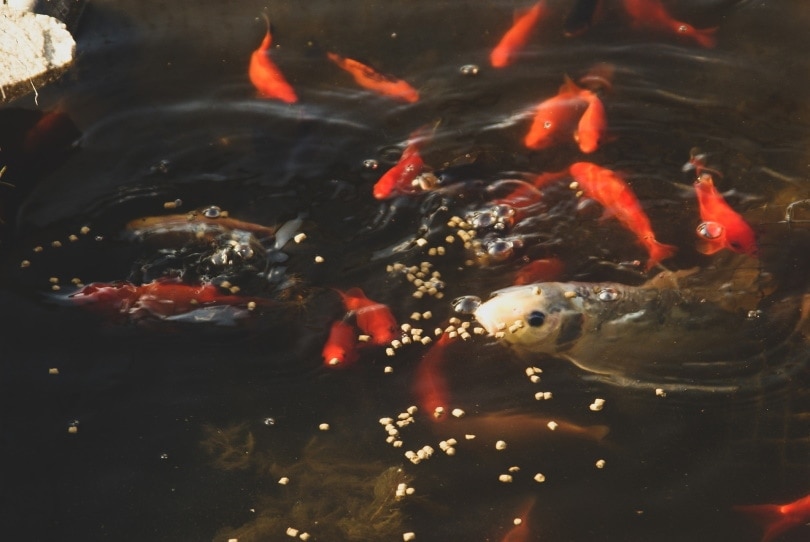
koi fish eating pellets
Image Credit: Russell De Boer, Pixabay

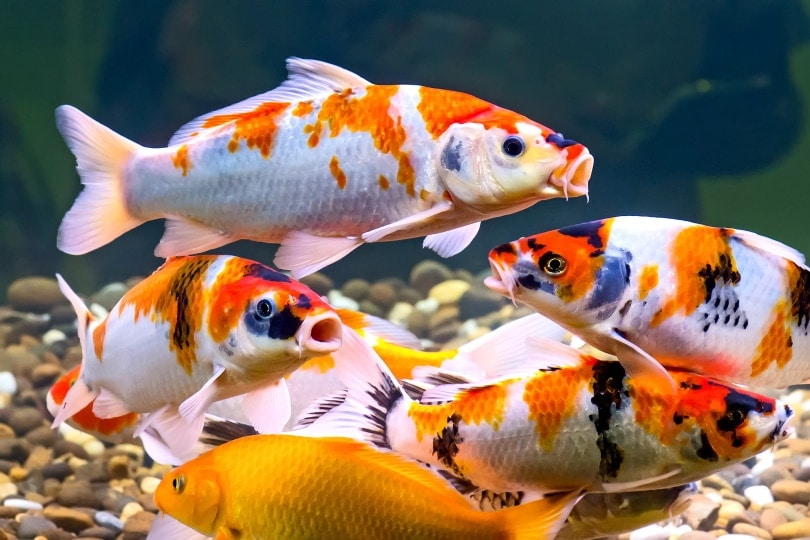
Owners who feed their fish floating foods like pellets or flakes will encourage the fish to go to the surface of the water and gulp in the air, mimicking how they try to capture the floating foods.

  • Symptoms: When you are near the aquarium, the fish will gulp at the surface indicating they expect you to feed them.
  • Solution: Feed sinking foods instead. Use the vacuum method to make floating pellets sink.
wave tropical divider

Conclusion

Although gasping at the surface is an unwanted behavior in fish, determining the cause is the most important. By finding the correct diagnosis, you can attempt to address the problem with a suitable solution. Most of the time, fish gasping at the surface is not a good thing.

We hope this article has helped you understand why your fish is displaying this behavior.


Featured Image Credit: Noheaphotos, Shutterstock

Get Hepper In Your Inbox

Pet care tips from our vets and experts, straight to your inbox.

List

Select all that apply.

You may opt-out at any time. View our Privacy Policy for more information.

Lindsey Stanton
Authored by

Lindsey Stanton

Join the conversation

Ask a question, share your story, or send private feedback.
Rate this post
Required to post. Only our editors see your rating.
Who should see this?

A human reviews every comment before it appears. Your email is never published.

Picked to go with this article

Betta Fish Keeps Swimming to the Top? 4 Reasons & Suggestions

Betta Fish Keeps Swimming to the Top? 4 Reasons & Suggestions

Betta fish are undoubtedly some of the most eye-catching fish to have in a home aquarium. They have bright colors, big personalities, and they can even be taug…

Lindsey Stanton
By Lindsey Stanton ·
Can Goldfish Drown? Facts & FAQ

Can Goldfish Drown? Facts & FAQ

To put it quite simply, no, goldfish cannot drown, as they live and thrive in oxygenated water just like we live and survive in an oxygen rich non-aquatic envi…

Lindsey Stanton
By Lindsey Stanton ·
Why Do Fish Jump Out of Their Tanks? 8 Main Reasons

Why Do Fish Jump Out of Their Tanks? 8 Main Reasons

If you have fish in a home aquarium, you might have seen fish jump out of the tank. Usually, when fish jump in the wild, they are trying to escape something an…

Lindsey Stanton
By Lindsey Stanton ·
How to Aerate Water Without an Air Pump: Our Vet Explains

How to Aerate Water Without an Air Pump: Our Vet Explains

Having good aeration in your fish tank is pretty crucial. Without enough oxygen dissolved in the water, fish can’t breathe, which is, of course, not a good thi…

Dr. Luqman Javed
By Dr. Luqman Javed ·

Keep reading

More stories you might like

How to Give a Fish CPR: Our Vet Explains (With Pictures)

It is every owner’s worst nightmare to find one of their fish out of water. Knowing what to do (and what not to do!) in this situation is very important. Cardi…

Dr. Emma Chandley
By Dr. Emma Chandley ·
How to Give a Fish CPR: Our Vet Explains (With Pictures)

How to Tell When a Fish Is Hungry: 5 Vet-Verified Behaviors to Look For

There is no doubt that fish love their food, and many fish keepers will agree that feeding time is the highlight of their fish’s day. Fish rely on food as thei…

Sarah Psaradelis
By Sarah Psaradelis ·
How to Tell When a Fish Is Hungry: 5 Vet-Verified Behaviors to Look For

What Happens When You Overfeed a Fish? 8 Vet-Approved Issues

Many people, especially beginners, think that they can just keep feeding fish until the cows come home. Can you overfeed fish? Yes, while your fish do need an…

Lindsey Stanton
By Lindsey Stanton ·
What Happens When You Overfeed a Fish? 8 Vet-Approved Issues

How to Calm Down Stressed Fish: 9 Helpful Tips & FAQs

Having stressed-out fish is not good because fish are fairly fragile and sensitive. Eventually, the stress could even lead to the death of your fish. Unfortuna…

Lindsey Stanton
By Lindsey Stanton ·
How to Calm Down Stressed Fish: 9 Helpful Tips & FAQs

How to Set Up a Bubbler In a Fish Tank (Simple Steps)

Maybe you already have a bubble and don’t know how to set it up, or maybe you have never had one before but are interested in getting one. The fact of the matt…

Lindsey Stanton
By Lindsey Stanton ·
How to Set Up a Bubbler In a Fish Tank (Simple Steps)

Why Does My Fish Tank Smell? 7 Common Reasons Explained

Having an aquarium or fish tank is a very popular hobby in the United States, with nearly 15 million households having at least one. Amazingly, in 2020, the aq…

Gregory Iacono
By Gregory Iacono ·
Why Does My Fish Tank Smell? 7 Common Reasons Explained

Why is My Fish Tank Cloudy? (Simple Reasons & Easy Solutions)

Owning and maintaining a fish tank is a fantastic hobby, but it’s also a significant investment, both of money and time, so getting home to see that your fish…

Lindsey Stanton
By Lindsey Stanton ·
Why is My Fish Tank Cloudy? (Simple Reasons & Easy Solutions)

Can Turtles Eat Strawberries? Nutrition Facts & FAQ

Yes, strawberries are safe for most turtles from time to time. They contain a wide variety of nutrients, including vitamin C, potassium, folic acid, and fiber.…

Kristin Hitchcock
By Kristin Hitchcock ·
Can Turtles Eat Strawberries? Nutrition Facts & FAQ