Hepper is reader-supported. When you buy via links on our site, we may earn an affiliate commission at no cost to you. Learn more.
What Happens When You Overfeed a Fish? 8 Vet-Approved Issues


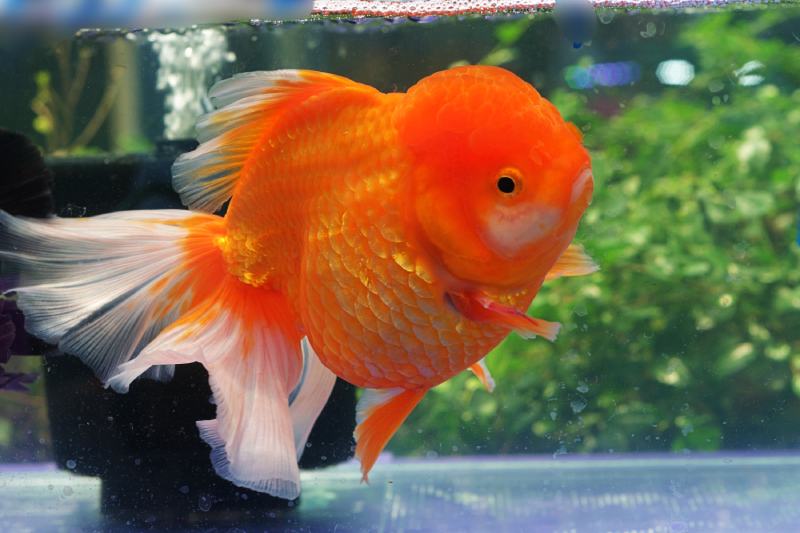
Many people, especially beginners, think that they can just keep feeding fish until the cows come home. Can you overfeed fish? Yes, while your fish do need an adequate amount of food, it's possible to overfeed your fish. This happens way more often than you might think.
Fish don’t have very large stomachs, especially the smaller home aquarium fish like tetras, goldfish, bettas, and other such fish. For humans, overfeeding now and then might not be a big deal, but this is not the same for fish. So, what happens when you overfeed a fish?

The 8 Issues When You Overfeed a Fish
Many different problems can arise from overfeeding your fish. The problems take the form of health issues, water quality, and health issues resulting from bad water quality.
1. Ammonia Spikes
One of the first and most dangerous problems that can occur due to overfeeding your fish is a rise in ammonia and nitrite levels. Both ammonia and nitrite are highly toxic and deadly to fish, even in very low amounts.
When you overfeed your fish, they produce a lot more waste than they normally would. That waste is what releases ammonia and eventually nitrite into the water, which is of course not good.
At the same time, uneaten food that is not removed from the fish tank also begins to decay, thus creating even more ammonia and nitrite. This is bad for your fish, plus it will force the biological filtration aspect of your filtration system to work overtime to compensate.
It might not be able to keep up with the increased ammonia levels, thus posing a serious health risk to your fish.
2. Bad Oxygenation
Another result that can occur due to overfeeding your fish is a lack of oxygen in the water. Of course, fish need to breathe oxygen that is dissolved in the water, so if there is not enough dissolved oxygen, they won’t be able to breathe properly and may eventually suffocate.
The reason why this happens is that decaying fish waste and decaying uneaten food uses up oxygen. The process of decaying is an aerobic process, which means that it uses up a lot of oxygen in the water.
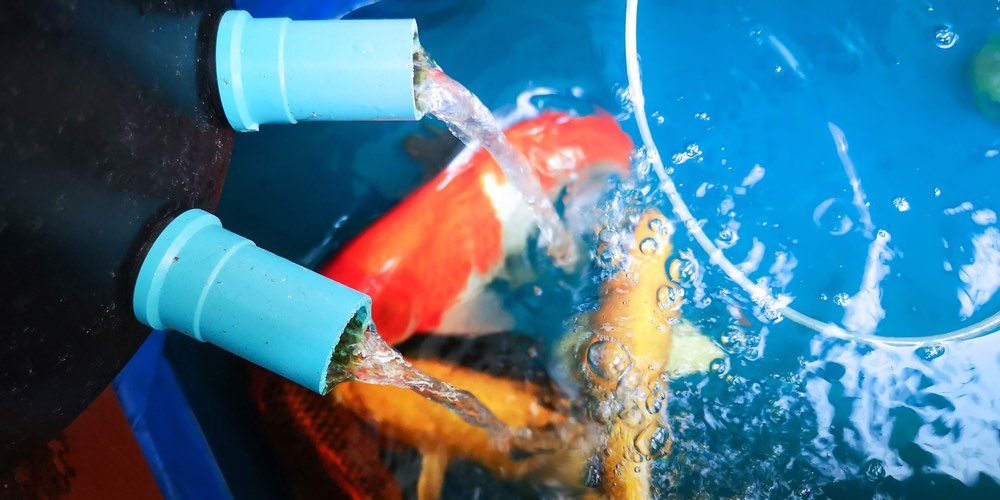
3. Declining pH Levels
The next effect of overfeeding your fish can come in the form of low and declining pH levels. The process of fish food decaying and the decay of fish waste not only use up oxygen but also produces a lot of acids. These acids have the effect of lowering the pH level of the water by as much as several points in extreme cases.
Fish that can handle fairly acidic water should not suffer too bad because of this, but that is not the case for the fish that need the water they live in to be more alkaline. It is also not good for various aquarium plants.
You will be forced to use pH adjusters to fix the situation, but by then it might already be too late.
4. Algae Blooms
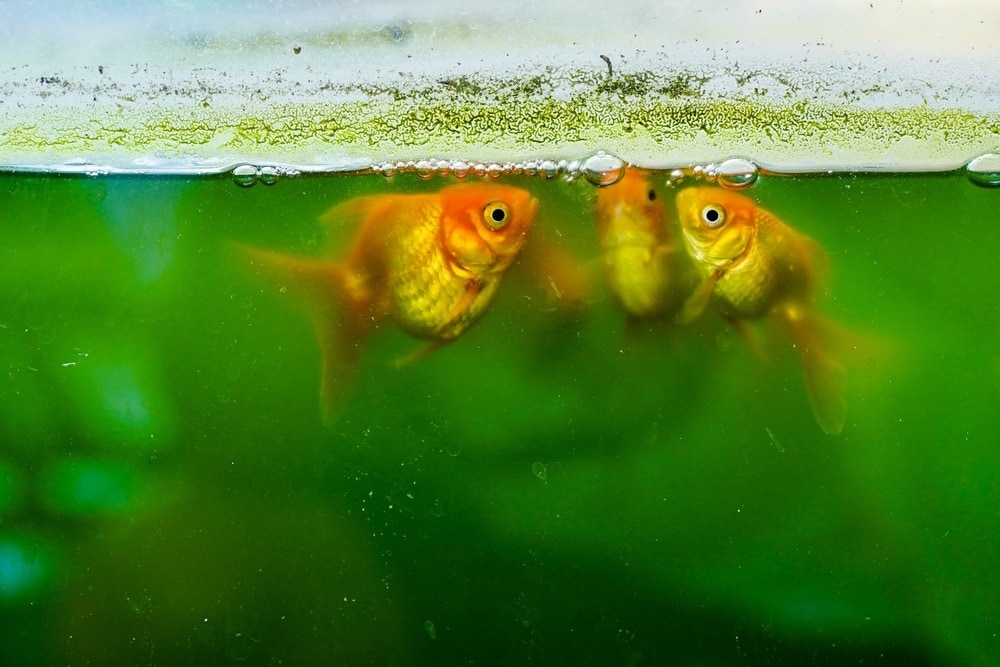
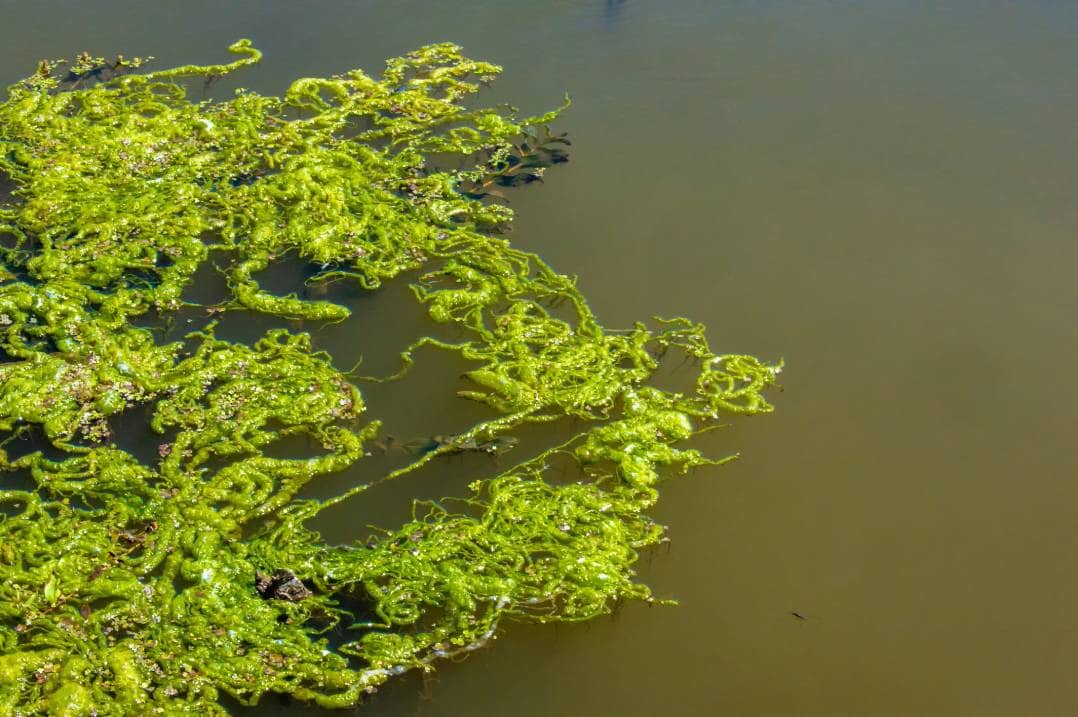
Yet another result of overfeeding your fish can come in the form of extreme algae blooms. When there are lots of dissolved organic materials in the water like ammonia, nitrates, acids, and other nutrients, algae is bound to bloom because it feeds on those things. If you overfeed your fish, there is bound to be an increased amount of all of these substances in the water.
Algae blooms are of course a nuisance because they don’t look very nice, they take up valuable real estate, and they take nutrients out of the water that your aquarium plants need. All in all, algae blooms are not fun to deal with and can be prevented in part by not overfeeding your fish.
5. Fatty Liver (Hepatic Lipidosis)
Yet another effect that may arise from overfeeding your fish is that of a fatty liver. The condition of fatty liver is also known as hepatic lipidosis. The over-accumulation of food and various nutrients in the body of the fish can cause fatty buildups in the liver, which can prove to be fatal if left untreated.
This is one of the long-term consequences that can occur due to feeding your fish too much food.
6. Bad Digestion
This is not terrible, but overfeeding your fish can result in bad digestion. They could get constipated, bloated, or develop swim bladder issues. The point here is that none of these situations are good, and all of them warrant immediate treatment.
7. Cloudy Water
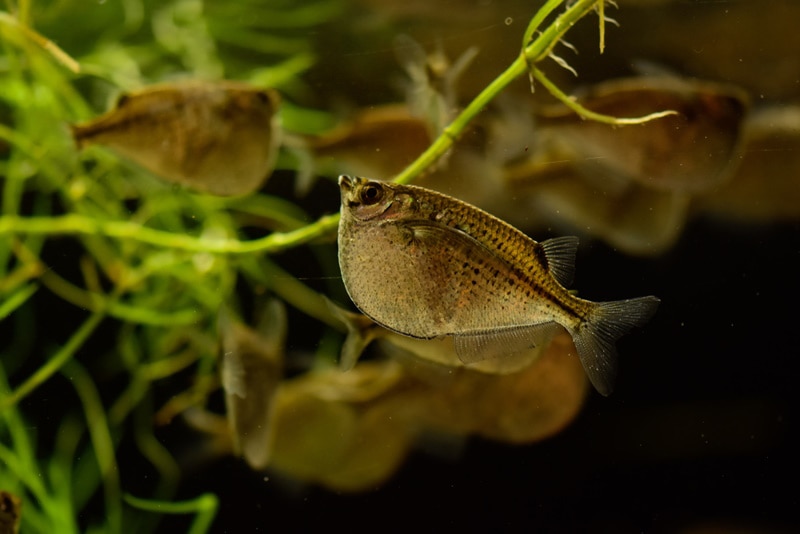
Cloudy water is one of the less serious issues that arise from overfeeding, but it is a problem nonetheless. The increased amount of uneaten food, fish waste, and dissolved organic matter can make the water cloudy. This in itself is not a big health risk to your fish, but it surely does not look very nice.
8. Improper Filter Function
The other effect that can occur due to overfeeding your fish is improper filter function. A large amount of uneaten food and fish waste can clog the filter, especially filter tubing, thus rendering your filter less effective. It will cause you to have to change filter media much more often than you otherwise would because it is working overtime.
It means having to engage in more maintenance and spending money. Finally, your filter might just not be able to keep up with a large amount of waste and toxins in the water, thus leading to bad water quality and many other problems that arise from it.

Tips to Avoid Overfeeding & Associated Problems
Let’s quickly go over some of the best tips so you can avoid overfeeding your fish and the various problems associated with it.
- Always feed your fish on a schedule. The vast majority of fish out there should be fed no more than twice per day. You should feed them at regular intervals, with 12 hours being the best.
- Fish have really small stomachs, so not feeding them too much at once is a big deal. Feed the fish as much as they can eat in 1.5 to 2 minutes each time.
- If your fish eat all of the food and still appear hungry, you can always give them a little more. If you notice that fish food is going uneaten, you should start feeding them a little less.
- Always feed your fish the right amount, based on the number of fish in the tank. A lot of people make the mistake of feeding fish according to the size of the tank, as opposed to the population in the tank.
- Always remove uneaten fish food from the fish tank. If there is still a bunch of food floating around in the tank several minutes or even hours after feeding, remove it from the tank.
Conclusion
As you can see, many different problems arise from overfeeding fish, a lot of which can be fatal, both in the short and long run. However, thankfully, there are many good preventative measures that you can take namely just feeding them the right amount of food. While the results of overfeeding can be disastrous, stopping it from happening in the first place is fairly straightforward.
Related Reads:
How To Clean Algae From Aquarium Rocks: Algae Dangers & FAQs
How to Set Up a Saltwater Aquarium: 8 Easy Steps & Checklist
Feature Image Credit: Keung, Shutterstock
Get Hepper In Your Inbox


Pet care tips from our vets and experts, straight to your inbox.
You may opt-out at any time. View our Privacy Policy for more information.
Lindsey discovered her passion for fish keeping after a junior high school field trip to the Shedd Aquarium in Chicago. Prior to becoming Editor-in-Chief of It's a Fish Thing, Lindsey studied marine biology at the University of California-Santa Cruz. She loves goldfish, tetras, and mystery snails, and recently began experimenting with a saltwater aquarium.
Join the conversation
Ask a question, share your story, or send private feedback.