Hepper is reader-supported. When you buy via links on our site, we may earn an affiliate commission at no cost to you. Learn more.
Adopting a Senior Dog: 10 Critical Things to Know
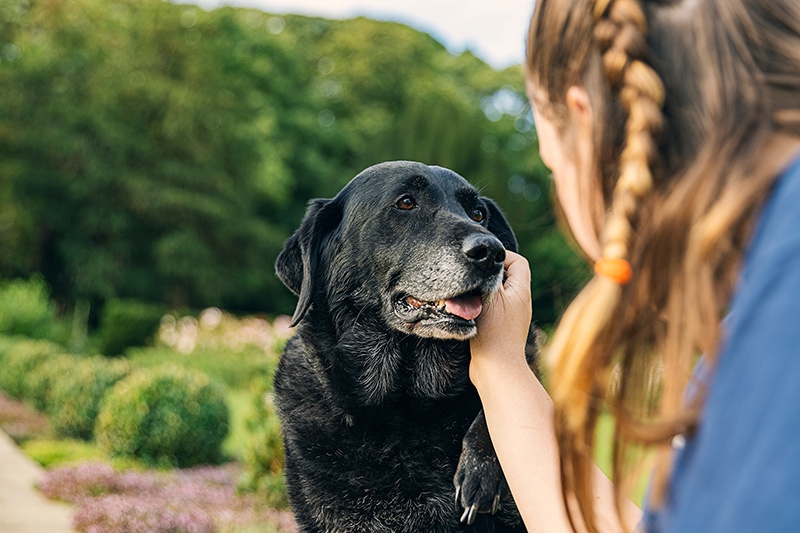
Adopting a senior dog can be a life-changing event for you, but especially for the dog in question. All dogs deserve to live their golden years somewhere they’re appreciated and treated well, and there’s no better way to give a senior the life it deserves than welcoming it into a loving and caring home.
Bringing a senior pup into your life is very rewarding, but it doesn’t come without its challenges. Keep reading to find ten critical things you need to know before you sign the adoption papers for a senior dog.

The 10 Things to Know When Adopting a Senior Dog
1. You’ll Know Its History
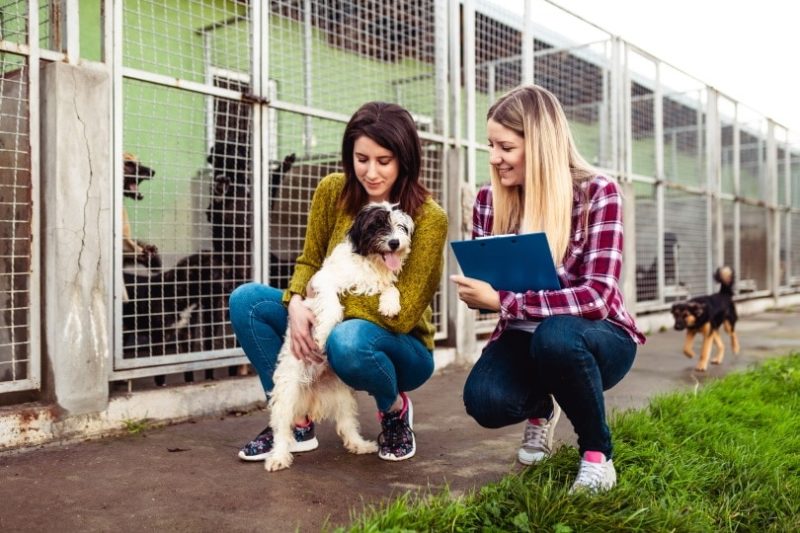
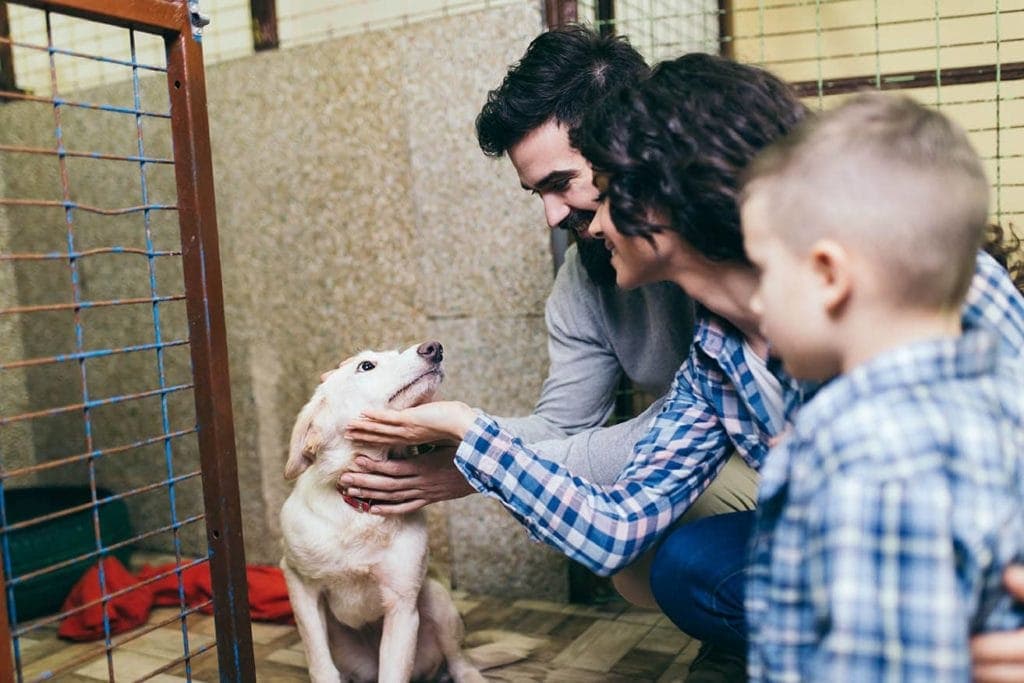
When you adopt a senior dog from a shelter, most of the time, you’ll have a chance to learn more about the pet you’re considering adding to your family. The shelter should be able to provide you with information regarding its background, energy level, health history, and how well it gets along with other pets.
Since senior dogs are fully grown, their personalities are already pretty much set in stone. You’ll know whether the dog is outgoing or shy if it prefers a life of snoozing on a nice warm lap or exploring the neighborhood.
You’ll know exactly what you’re getting when you adopt one. There won’t be any surprises when it comes to their grooming requirements or size, either.
2. You’re Saving a Life
Senior dogs have a very low adoption rate at just 25%, compared to the 60% rate for younger dogs and puppies.1 Since many shelters are so overcrowded, senior dogs will be the first to be euthanized if they aren’t adopted quickly.
Unfortunately, shelters are filled with older cats and dogs because the large majority of people looking to adopt a new pet want younger animals. People who want more time with their animals or those who want their children to grow up with their pet are much more likely to choose a puppy over a senior dog.
People often make incorrect assumptions about senior dogs, too. They think that they’re at the shelter because they’ve been relinquished due to poor behavior or health issues. This isn’t always the case. Older pets are sometimes given to shelters because their families are unable to care for them due to lifestyle changes or because their previous owner passed away.
Senior dogs in shelters have likely been part of some kind of family dynamic their whole lives and want that same feeling again for their golden tears.
3. It’s Likely Received Some Kind of Training
A puppy may be as cute as a button, but it’s also a lot of work. Puppy ownership is very exhausting and can be as demanding as having a newborn baby in the home.
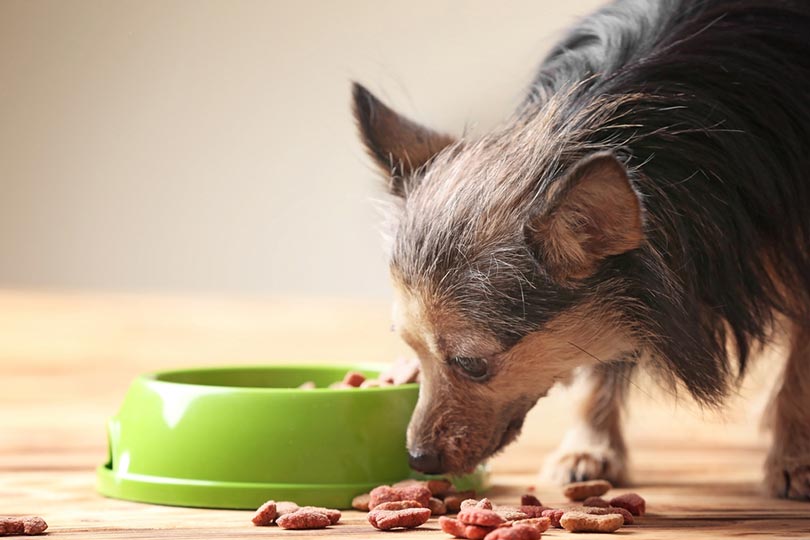
Older dogs could be much less work than their puppy counterparts as they’re probably already house-trained. Most have likely already received some type of obedience training, too. You won’t have to spend any time potty-training it or teaching it basic cues like sit and stay.
If you’re worried that you won’t get to spend time bonding with your senior dog by training it, though. Contrary to popular belief, you can teach an old dog new tricks.
4. Bad Behaviors May Need to Be Re-Trained
While it’s true that some senior dogs may already be trained, others coming from less hands-on households may need to be re-trained to unlearn undesirable behaviors. This will require a lot of patience, time, and positivity from you, but it’s worth the effort.

5. They Have Lower Exercise Needs
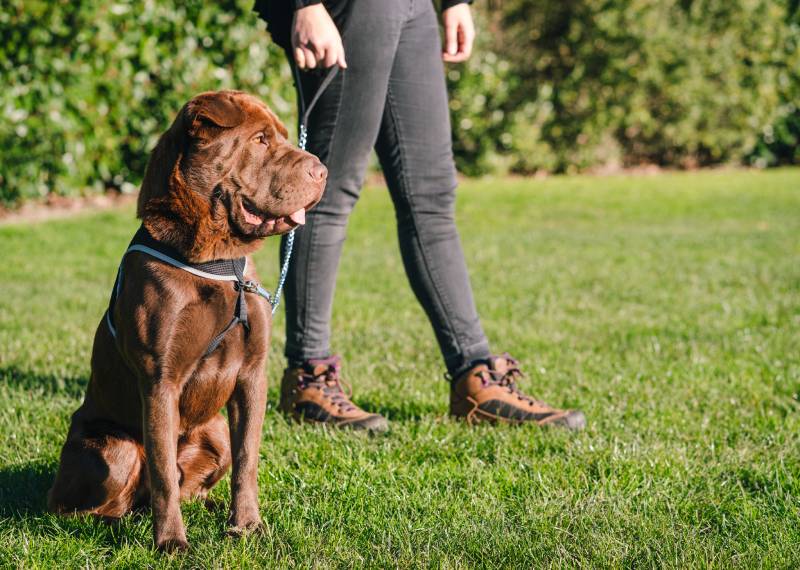
While a senior dog still needs some degree of exercise, their exercise needs are much lower than their younger counterparts. This can be a “pro” or a “con”, depending on your lifestyle. If you’re looking for a pup you can go for runs or long hikes with, a senior dog probably won’t be the best option. However, if you have a less active lifestyle, a senior dog will probably fit in just fine. They’re calmer, and as such, you won’t need to worry about handling that notorious wild puppy energy.
6. They May Have Health Issues
It’s important to remember when adopting a senior dog that health issues may arise sooner than later. Older dogs are prone to certain age-related health issues like vision loss, urination issues, oral problems, skin issues, weight loss or gain, mobility problems, and memory issues.
7. The Adoptions Fees Might Be Less
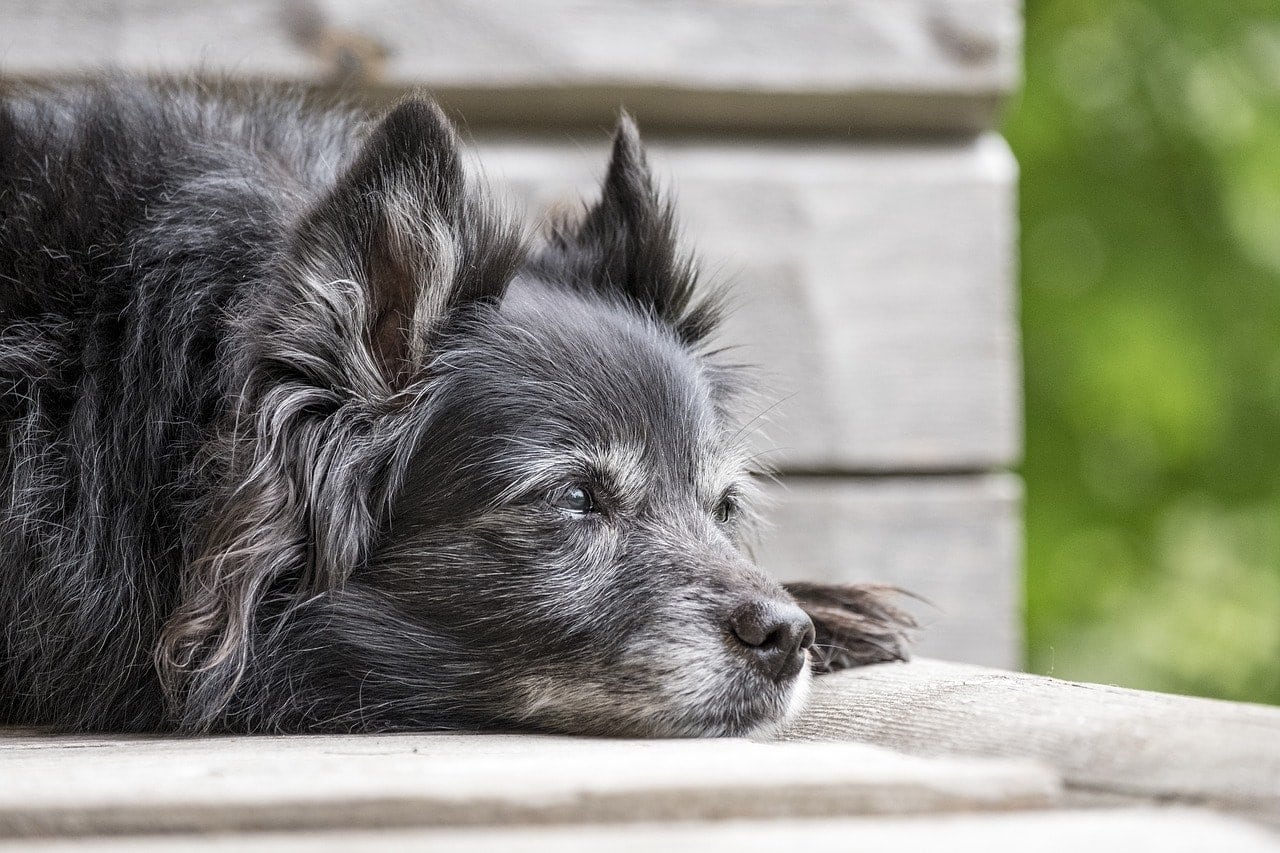
Adopting a senior dog will typically cost much less than adopting a puppy or adult dog. Some rescues and shelters even waive adoption fees altogether to make adopting an older dog more enticing to people looking to add a pup to their families.
8. Old Age Doesn’t Mean Their Life Is Over
Most veterinary guidelines consider any dog over the age of seven to be senior, though some breeds age at a different pace than others. Small dog breeds, like chihuahuas, live longer and age more slowly than their bigger breed counterparts. This means that the age of your dog may not be a good indicator of their physical health, capabilities, or mental capacity. A senior dog’s age won’t necessarily dictate its activity level, health, or behavior.
9. There May Be a Longer Adjustment Period
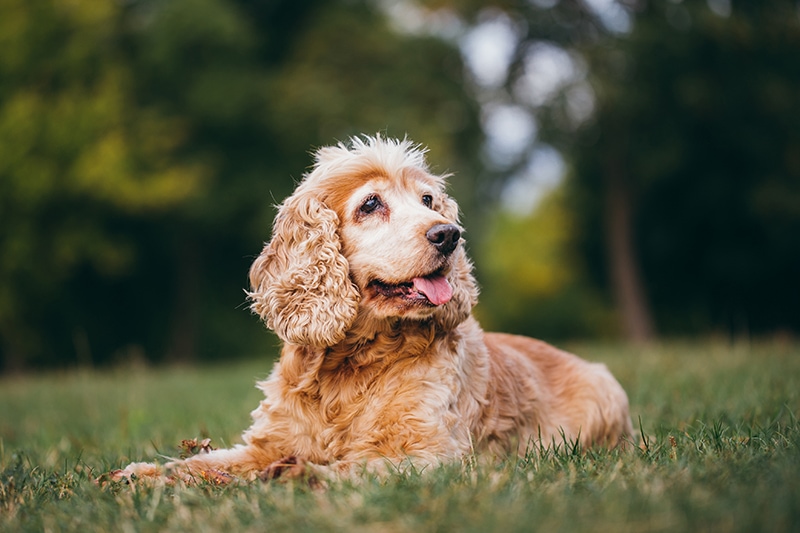
Puppies are very flexible and easygoing critters. Everything is new to them, so they don’t have a particular way of behaving that’s already set in stone. Older dogs, however, may have settled themselves into a predictable routine that’s very comforting to them. This may mean it will take your new dog a while to become settled in their new home.
For example, an older dog whose previous owner was a retired senior citizen may have a more challenging time adjusting to a new house where its owner is away at work.
To help ease the transition period, it’s important for you to develop a predictable routine as soon as you bring your senior pup home. It’s also not a bad idea to give them time to adjust to this routine before introducing them to new people or taking them to places they’re unfamiliar with.
10. They May Be Wary Around Children or Other Pets
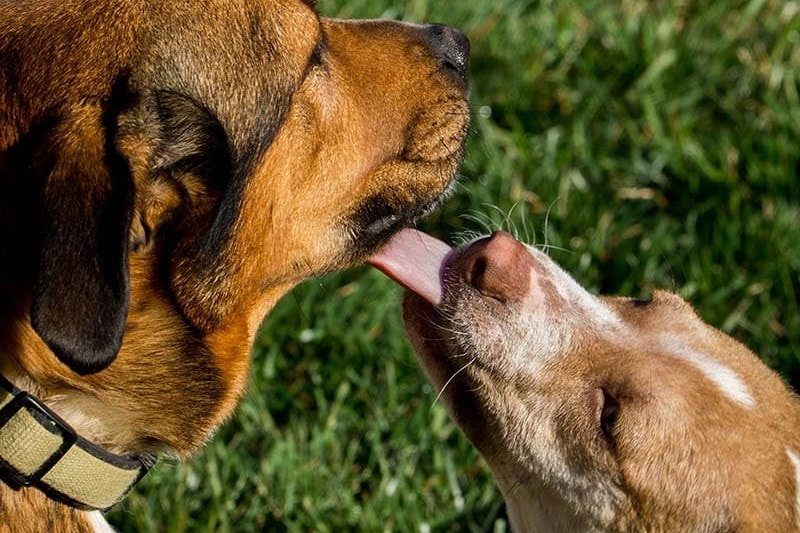
If your senior dog has never lived in a home with children or other pets, it’s only natural for it to feel uneasy and wary in their presence. This is especially true if your new pup has physical ailments that may cause them to become more reactive around unpredictable children or other pets that don’t yet know boundaries.
This doesn’t mean that older dogs are unsafe to have around kids or that they will always be wary of them. It is possible for a senior pup to learn to live harmoniously with its new living situation and roommates, but you may need extra time and patience for your dog to get to that point.
Who Should Adopt a Senior Dog?
Adopting a senior dog might be right for you if you:
- Are looking for a companion dog
- Don’t feel ready for the challenges of raising a puppy
- Don’t have the schedule that would accommodate a puppy
- Are willing to give the love and care necessary for a senior dog to thrive
- Have the time and patience to commit to training and caring for a senior dog

Final Thoughts
Adopting a senior dog doesn’t come without its challenges, but neither does adopting a puppy or an adult dog. Hopefully, our guide has helped you understand some of the pros and cons of adopting a senior so you can decide if the seniors at your local animal shelter will be a good fit for your family and lifestyle.
See Also:
Sources
Featured Image Credit: JPRFPhotos, Shutterstock
Get Hepper In Your Inbox


Pet care tips from our vets and experts, straight to your inbox.
You may opt-out at any time. View our Privacy Policy for more information.

Chantelle's life revolves around two passions: writing and animals. Raised on the prairies of Canada amidst a menagerie of pets, she now lives with five cats, two guinea pigs, and a bearded dragon. Together with her husband and child, Chantelle delights in being an exemplary animal parent, going as far as installing wall-mounted cat shelves to give their cats an indoor playground. When she's not cozying up with her cats or snapping their amusing antics, she enjoys venturing into the Rocky Mountains, binge-watching her favorite Netflix shows, and indulging in spontaneous reading adventures.
Join the conversation
Ask a question, share your story, or send private feedback.