Hepper is reader-supported. When you buy via links on our site, we may earn an affiliate commission at no cost to you. Learn more.
How to Discipline a Puppy: 7 Humane & Easy Training Tips
In this article
Raising a puppy can be difficult. Many puppy owners proclaim that taking care of their puppy is more complex than taking care of babies! When your puppy inevitably misbehaves, it can be challenging to figure out what to do about it. Many people resort to punishments. However, this is often not the most effective method for dealing with misbehavior.
Instead, positive reinforcement and similar methods are a much better alternative. In this article, we’ll look at the seven best methods for disciplining a puppy. Then we'll cover the two ways you should never discipline your puppy. Let's get started!

The 7 Best Ways to Discipline a Puppy
1. Ensure All Your Dog’s Needs Are Met
Puppies are more likely to act out if their needs aren’t met. This includes exercise, mental stimulation, social needs, food, and sleep. A puppy that doesn’t get enough sleep or exercise will be unable to control itself, which can cause destructive behaviors.
You should always set your puppy up for success by ensuring that all their needs are met. Before your puppy knows the house rules and develops executive functioning skills, you should supervise your puppy at all times. Other times, your puppy should be safely in a crate or puppy-proof area, such as a playpen.
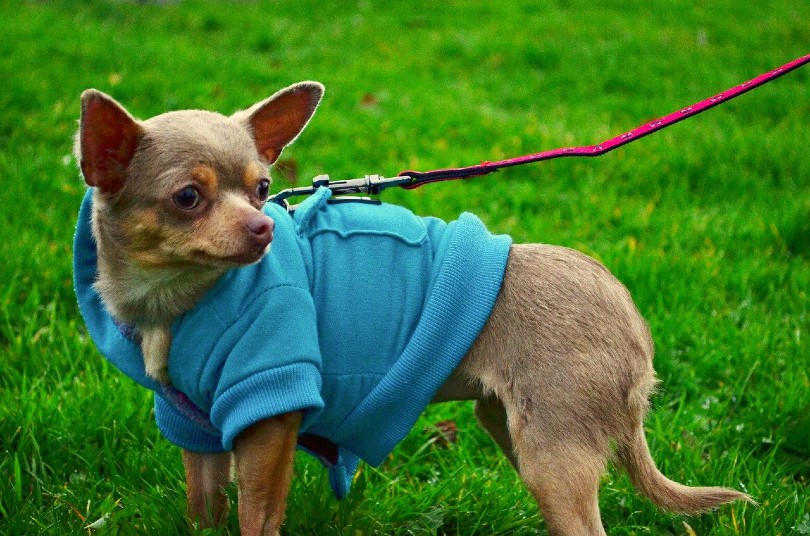
When you supervise your puppy, it may be in your best interest to keep them on a long, lightweight leash to ensure they don’t wander off and get into something. This is particularly helpful in busy households or when your attention is focused somewhere else.

2. Utilize Crate Training
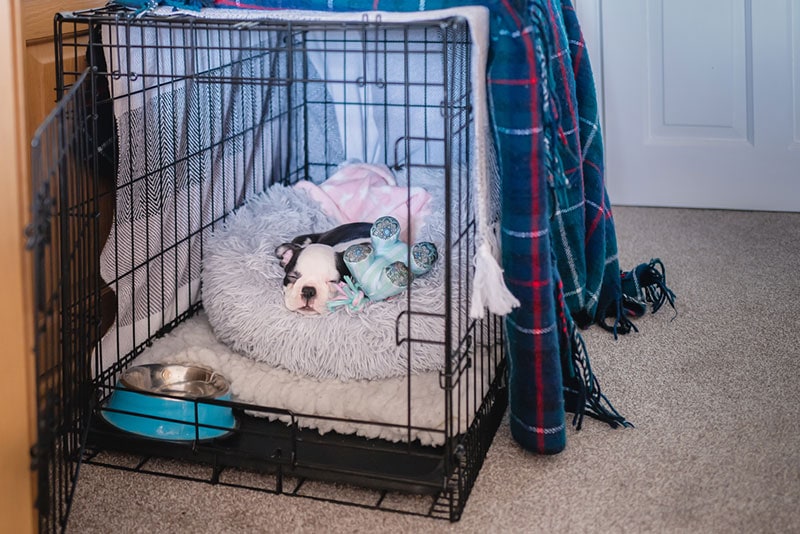
A crate is the most effective way to keep a puppy out of trouble. You should never use the crate as punishment. You only want your dog to associate the crate with good things. This will ensure that they happily use the crate when necessary. They may even choose to spend time in their crate without any asking from you.
You should furnish their crate with treats, toys, and other things your dog likes. Consider using special treats that your dog doesn’t get otherwise. Ensure that the bedding is comfortable and soft.
Do not place your dog in the crate as a punishment when you are angry. Instead, you should be using the crate to prevent potential problems. Put them in the crate when you cannot supervise them properly.
You shouldn’t over-rely on the crate, though. It's still essential to provide your puppy with plenty of stimulation and socialization. When you are home, do your best to socialize your puppy and keep them socialized.
3. Start Training Early
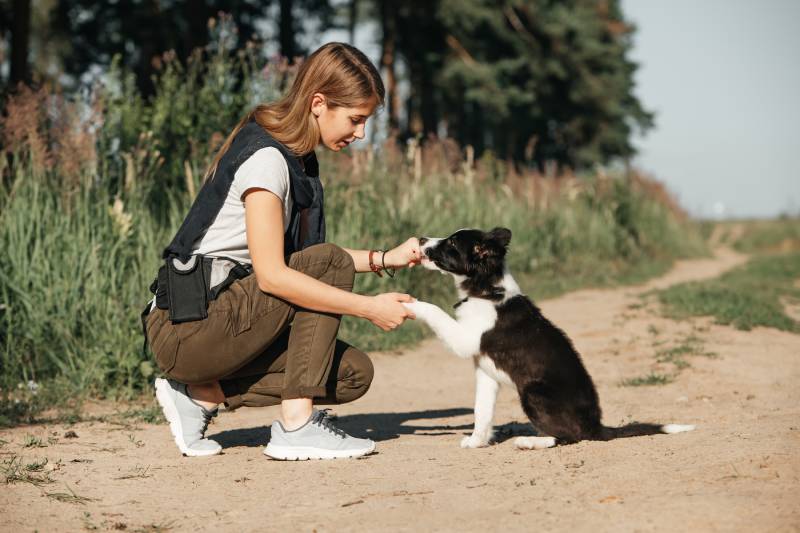
Puppies can begin to learn commands as soon as they are adopted around 8 or 10 weeks. You should teach them basic commands as soon as possible, particularly the “leave it” command. This command can be used whenever your dog is doing something they shouldn’t be doing, such as chewing the furniture or barking at another dog. As one of the most useful commands, it's essential to teach it early. It can save you a lot of headaches later on.
Always use this command when the action is occurring. The point is to make your puppy stop the behavior and learn not to do it again. Using the command after the fact is not helpful. Sometimes, if you can tell your pet is about to do something, you may also use this command to teach them from doing it, to begin with.
4. Remove the Puppy When Necessary
If you use the “leave it” command to no avail, the next best step is to remove the puppy from the situation. If the puppy is chewing on something, remove them and place them somewhere else. Consider using a leash or removing the object to ensure the puppy can’t re-access it. If the dog is not appropriately behaving around another person, remove them to another room or use a leash so that they cannot access the person.
Again, this is in the same vein as setting your puppy up for success. If the puppy shows you that they cannot resist something, you should remove the temptation until they are older.
5. Establish a Routine
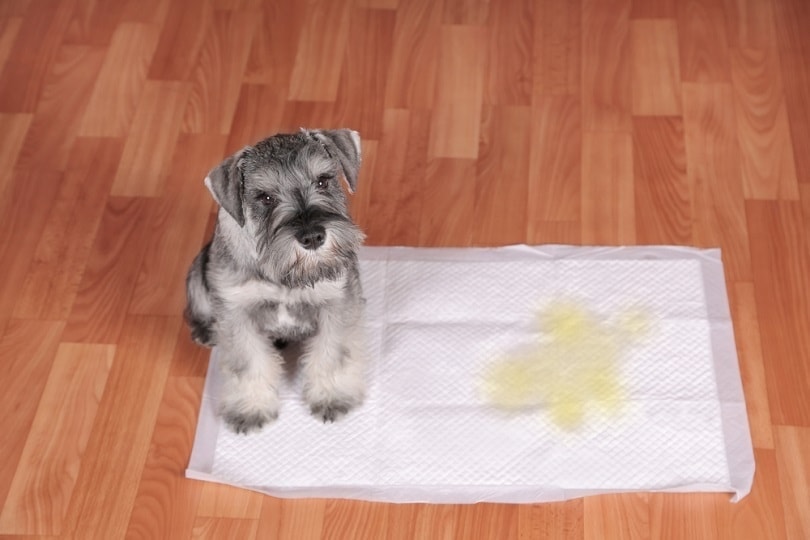
Many puppies thrive on routines, just like human children. You should take your puppy outside for toileting at the same time each day, feed them about the same time, and provide stimulation at around the same time. This will help your puppy meet their needs and prevent bad behavior from occurring in the first place.
6. Enroll in Puppy Obedience Classes
Puppy classes are essential. They can provide you with some basic information on how to train your puppy and help you cover basic commands. Most trainers can help with basic troubleshooting as well. Be sure to research trainers thoroughly to ensure they’re using accurate and humane training methods.
Furthermore, these classes can provide important socialization for puppies. Socialization is critical to ensure your dog behaves well around others. These classes provide the much-needed socialization all puppies need.
7. Ignore Some Behaviors
You should ignore behaviors that aren’t self-rewarding. For instance, if your dog barks for attention, ignore them. This will teach them not to bark for attention. You can also ignore behaviors like jumping. You should not ignore behaviors that are self-rewarding, like chewing on furniture.
If your puppy doesn’t get any reward for their behavior, they will stop performing it.

The 2 Ways Not to Discipline Your Puppy
There are several things you should not do when disciplining your canine.
1. Do not use physical punishment
Using physical punishment can make a puppy hand-shy. It can make puppies scared of hands, especially when they come in quickly. This can lead to fear-based aggression. Most dogs rarely bite unless they get scared. The last thing you need is your puppy to be scared of hands.
2. Don’t play with your hands
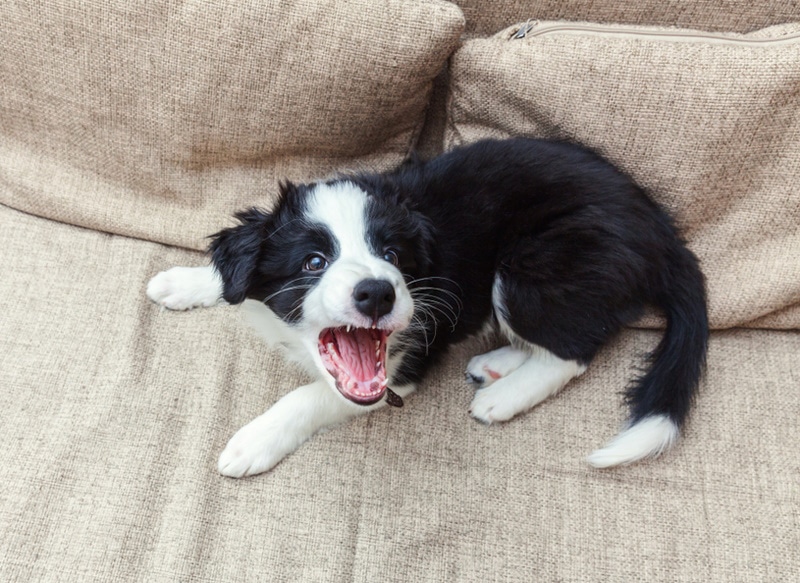
While puppies are typically small enough not to hurt you, you still should not play directly with your hands. This will teach your puppy that biting hands is okay, which can be a problem when they get bigger. Instead, use toys to play with your puppy. Puppies should be discouraged from ever placing teeth on skin.
Featured Image Credit: Animal Rescue, Pixabay
Get Hepper In Your Inbox


Pet care tips from our vets and experts, straight to your inbox.
You may opt-out at any time. View our Privacy Policy for more information.

Kristin is passionate about helping pet parents create a fulfilling life with their pets by informing them on the latest scientific research and helping them choose the best products for their pets. She currently resides in Tennessee with four dogs, three cats, two fish, and a lizard, though she has dreams of owning chickens one-day!
Join the conversation
Ask a question, share your story, or send private feedback.