Hepper is reader-supported. When you buy via links on our site, we may earn an affiliate commission at no cost to you. Learn more.
Are Border Collies Prone to Anxiety? Vet Approved Causes, Signs & Treatment


In this article
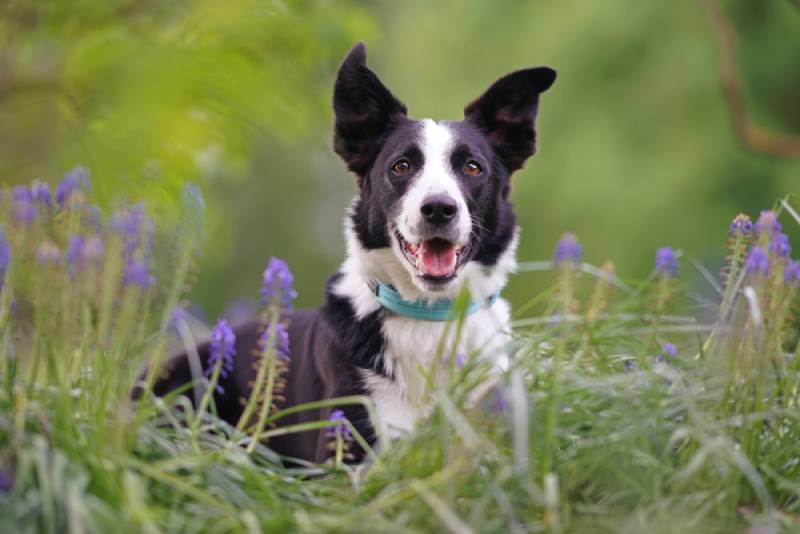
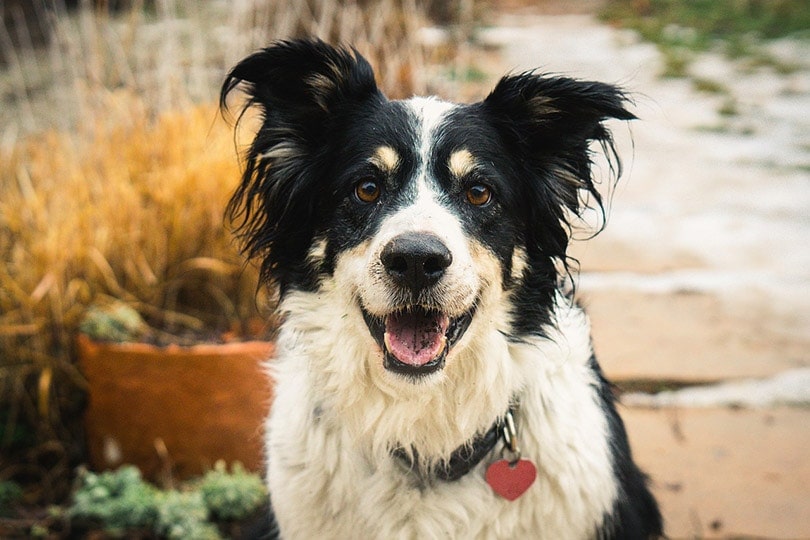
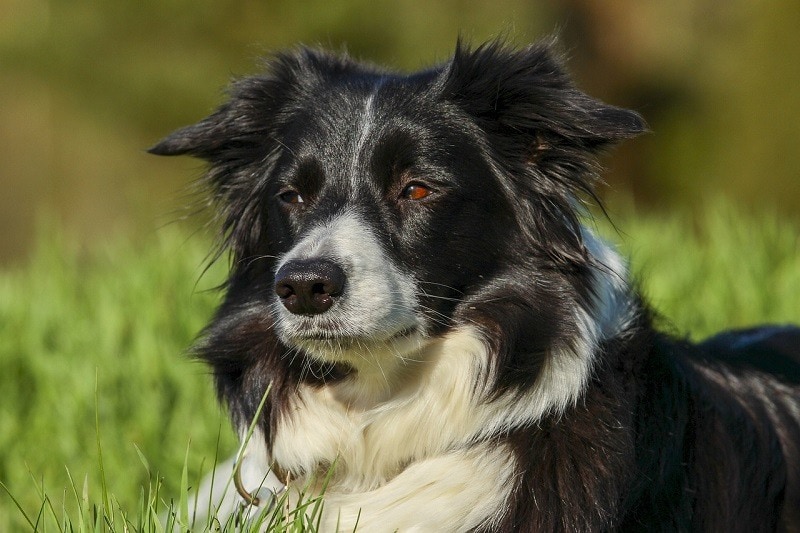
Border Collies are smart, fun-loving dogs that get along well in family environments. This outgoing breed is sociable, athletic, and always vigilant when it comes to watching over their property. They are always looking for attention from their family members and require a great deal of exercise and mental stimulation each day to stay happy and healthy.
However, not all Border Collies are all fun and games. They can be known for getting snippy and using their teeth, and they tend to shed frequently throughout the year. You may have also heard that Border Collies are prone to developing anxiety. So, is there any truth to this? The short answer is yes, but read on to learn more.

The 5 Causes of Anxiety in Border Collies
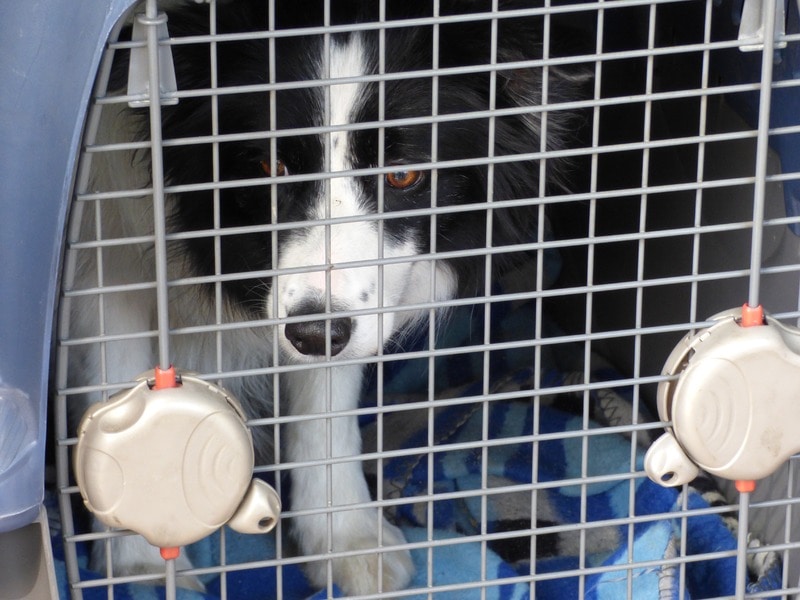
Unfortunately, the Border Collie is prone to developing separation anxiety. It may be when they are still puppies, or it might not happen until they become adults—it may never happen! However, the problem is a well-known one in the Border Collie world. Understanding how to avoid anxiety before it begins or how to reverse the problem comes down to knowing what might cause the anxiety.
A 2001 study showed that dogs with a single adult at home were 2.5 times more likely to have separation anxiety than those with multiple owners.1 Dogs that had not been neutered or spayed were a third as likely to suffer than those that had been sterilized.
There is also recent evidence to show that variations in the oxytocin receptor gene are involved in separation anxiety and attachment to their human caregivers.2 This is in combination with the environmental background of the dog. It is unlikely that one factor alone results in separation anxiety. The predisposition of a dog to anxiety and separation anxiety in particular can then be enhanced by factors that generally increase stress in certain dogs.
Other factors which may contribute to showing signs of separation anxiety are:
1. Boredom
Border Collies get bored easily. If they're left to sit at home alone all day long every day while their family members are at school and work, they will get bored even if they have toys to play with and things to look at through the window. When boredom becomes a common experience, behavioral changes can occur, and be seen in some dogs as separation anxiety.

2. Lack of Exercise
If a Border Collie is well-exercised and feels content with their energy levels and daily experiences, they are less likely to develop separation anxiety symptoms. If your dog does not get daily walks or opportunities to play with toys and family members, they're more prone to developing separation anxiety out of frustration.
3. Learned Clinginess
If a Border Collie is not taught to spend time alone as a puppy, they tend to become clingy and may never want to leave their human companion’s side. This makes it tougher for them to be left alone. If they are not given coping skills and gradual introduction to being alone as puppies, it puts them at a higher risk of developing separation anxiety.

4. Trauma
A Border Collie that experiences trauma of some kind is more likely to develop anxiety in general, as they won’t feel comfortable in many situations. They could get anxious whenever someone visits the house, when they are left alone for a long time, or when they hear noises that they are not familiar with, like fireworks, thunder, and honking horns. Trauma is typically caused in dogs through neglect and/or abuse and is most common in rescue dogs.
5. Significant Life Changes
Another cause of anxiety in Border Collies and many other dog breeds is a significant life change. Moving to a new home, having a new pet or baby become part of the household, the development of serious health problems, and even a change in a family member’s work or school schedule can all be perceived as big life changes to a dog. If stress starts to build up, there’s a chance that anxiety will be the result.
Signs of Anxiety in Border Collies
There are a few signs that your Border Collie is likely to display if they develop anxiety. If you know what to look for, you can start addressing the anxiety issue before it becomes more serious. Fortunately, the signs are easy to catch if you’re observant of them:
The 5 Ways to Avoid or Reduce Anxiety in Border Collies
There are a few things that you can do to minimize the chance that your Border Collie will develop anxiety. First, ensure that they always feel safe and comfortable in their home. Second, make sure your dog is not left alone for long periods of time. If necessary, hire a dog walker or sitter to spend time with your pet while you’re away. Here are other tips that should be helpful.
1. Talk to Your Veterinarian
Whether you employ the other tips on this list or not, talk to your veterinarian about your Border Collie’s anxiety issues. They may want to run a few tests to ensure that you aren’t mistaking signs of anxiety for signs of a health problem. They can also provide insight into exactly how to address your dog’s anxiety based on their age, personality, and health history. They may be able to prescribe anxiety medication or recommend over-the-counter anxiety treatments if necessary. They are likely to recommend these medications in combination with consultation with a registered veterinary behaviorist.
2. Make Exercise a Priority
It's not enough to walk your dog whenever you feel like it. You should make exercise a priority and schedule it every day of the week, even if that means waking up earlier or going home during your lunch break. The exercise will help your pup get rid of pent-up energy so they don't feel frustrated when they are at home alone.
3. Create and Stick to a Schedule
Dogs are creatures of habit. They want to know what to expect during their day. Therefore, creating and sticking to a daily schedule is a great way to give your dog confidence and reduce the chance that they will get overwhelmed or develop anxiety. Feeding time, walks, playtime with the kids and training should follow the same rough pattern timewise whenever possible.
4. Strengthen Relationships with All Family Members
It’s impossible for someone to stay home and be around for your Border Collie 24 hours a day, every day of the week. Therefore, make sure everyone bonds well with the dog so no matter who is home, the dog won’t feel lonely or become anxious because their companion is away. Have everyone take turns going on walks, feeding meals, and grooming. Encourage everyone to spend at least 10 minutes playing with the pup each day. Also, get your dog to cuddle with other family members.
5. Put Your Dog to Work
Border Collies are natural-born workers, as they were bred to herd livestock animals. Therefore, they thrive when they feel useful through work. If you don’t live on a ranch where livestock needs to be herded, you can still put your dog to work in a home or apartment setting. Challenge your dog with a puzzle toy that stimulates their mind and encourages them to practice their problem-solving skills. Have them carry your gardening tools for you in a doggy backpack while you’re outside weeding and planting flowers. You can also train and volunteer with your dog at a hospital or senior center to provide support.
In Conclusion
Unfortunately, Border Collies are susceptible to having anxiety, so you should take steps that will help reduce the chance of them developing anxiety in the first place. The good news is that anxiety can be addressed and even reversed with help from your veterinarian and various lifestyle changes. It does take time and consistency.
Featured Image Credit By: Nietosvaara, Pixabay
Get Hepper In Your Inbox


Pet care tips from our vets and experts, straight to your inbox.
You may opt-out at any time. View our Privacy Policy for more information.
Rachael has been a freelance writer since 2000, in which time she has had an opportunity to research and write about many different topics while working to master the art of fusing high-quality content with effective content marketing strategies. She lives off the grid in Hawaii with her husband, her garden, and her rescue animals including 5 dogs, a cat, a goat, and dozens of chickens. She is an artist at heart and loves to read, paint, and make jewelry in her spare time. As a vegan, Rachael is obsessed with helping animals in need both in her community and anywhere in the world where she feels she can make a difference. Animals also happen to be her favorite topic to write about!
Join the conversation
Ask a question, share your story, or send private feedback.