Hepper is reader-supported. When you buy via links on our site, we may earn an affiliate commission at no cost to you. Learn more.
Does Stress Give Dogs Diarrhea? Vet Approved Causes & Signs to Watch For


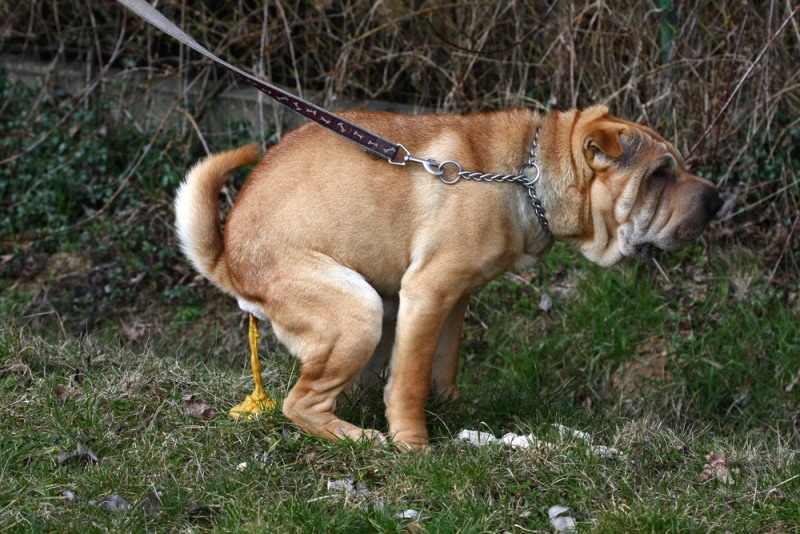
As a pet parent, you know that having a dog comes with the good and the bad, and one of the worst experiences is when your dog gets sick. However, examining your dog’s poop can go a long way toward keeping your canine pal healthy and happy for many years to come. Many things can cause diarrhea in your dog, but most pet parents don’t realize that stress is one of them. We’ll discuss how stress can affect your dog’s health and the signs that indicate your dog is suffering from stress.

What Is Diarrhea?
By definition, diarrhea is unformed or loose stools that usually occur more frequently than normal and often in more significant amounts. While diarrhea that comes from minor issues can be dealt with quickly, it could be the sign of an underlying, more serious condition, so it’s a good idea to have your pet checked out by a vet for diagnosis and treatment.
What Is Stress Colitis in Dogs?
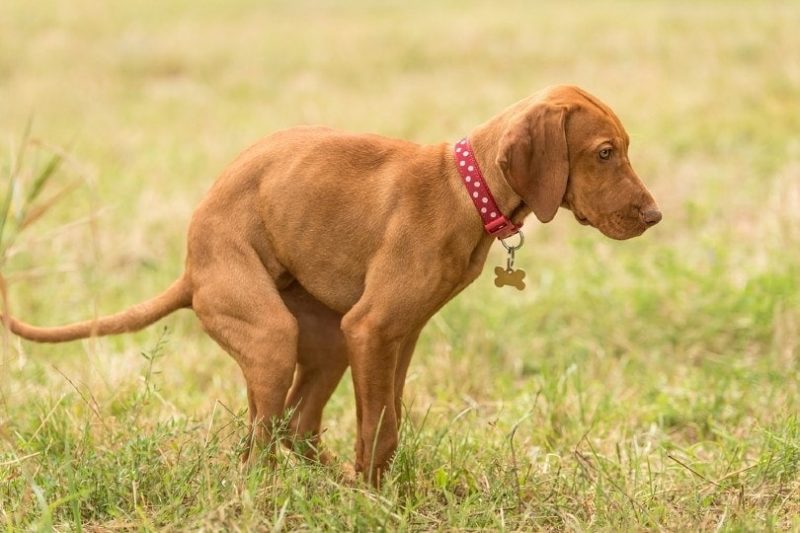
Stress Colitis in dogs happens when a dog is under a lot of stress. Stress leads to inflammation in the colon and the large intestine, which can cause diarrhea and other signs.
It’s important to note that if your dog has diarrhea and it doesn’t go away quickly, you need to contact your vet. It could be an underlying problem that needs to be taken care of. If the signs we’ve mentioned are also accompanied by vomiting, weakness, fever, or dehydration, it’s best to take your dog to the emergency vet immediately.

The 9 Stress Signs to Look Out For
It’s essential to determine when your dog is stressed or just exhibiting normal behavior for a dog. In our next section, we’ll discuss some signs that your dog is super stressed.
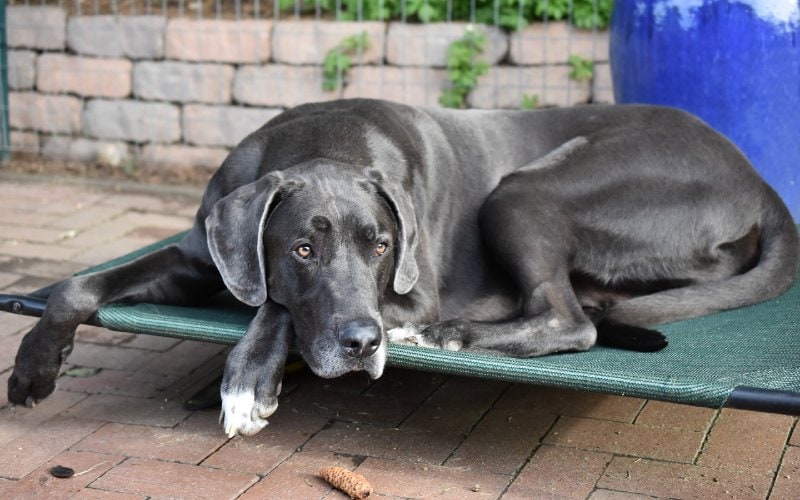
1. Panting and an Increased Heart Rate
When your dog is stressed, its autonomic nervous system will kick in, which will cause an increased heart rate, and panting as a result. This is the same as the “fight, flight, or freeze” response humans suffer from when panicked.
2. Shaking and Pacing
Shaking and pacing around are also signs that your dog is under a great deal of stress. In most cases, the shaking and pacing will stop once whatever is stressing your pet is gone.
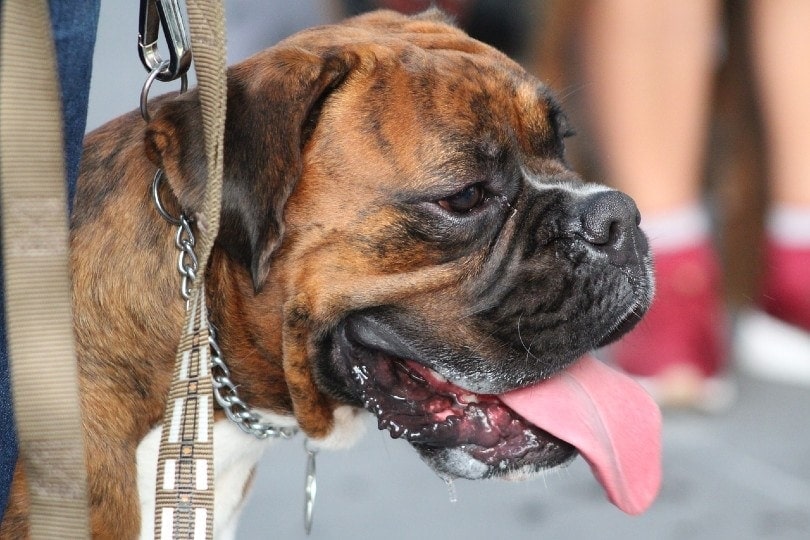
3. Drooling
Stressed dogs often drool, smack their lips, and lick their lips frequently.
4. Yawning
Dogs don’t just yawn when they’re tired. They also yawn when they are nervous. The yawns may be longer when a dog is nervous and more drawn out.
5. Dilated Pupils, Stiff Posture, Ear Signals
This is the most obvious sign that your canine pal is stressed. The dog will stand stiffly with its ears on alert and the whites of its eyes showing more than they usually do. The dog can also pin its ears to its head flat when stressed. Dogs also tend to tuck their tails between their legs or shift their weight to their hind legs when scared.
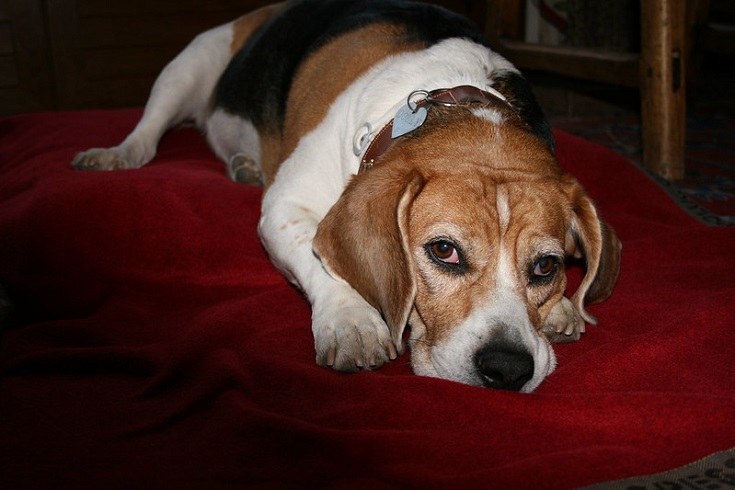
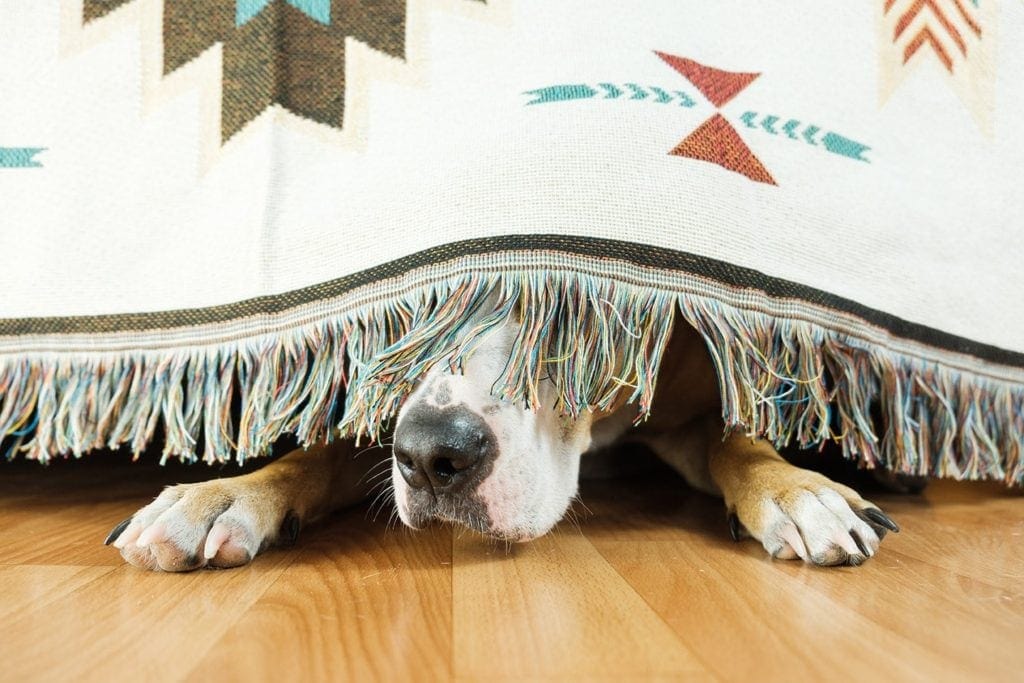
6. Hiding and Acting Depressed
If you’ve noticed your dog hiding behind you or the furniture, or even nuzzling you to try to get you to move away from something, that could mean the thing they are hiding from is what is stressing them out. Some dogs stop moving, completely shut down, and become depressed when they are stressed.
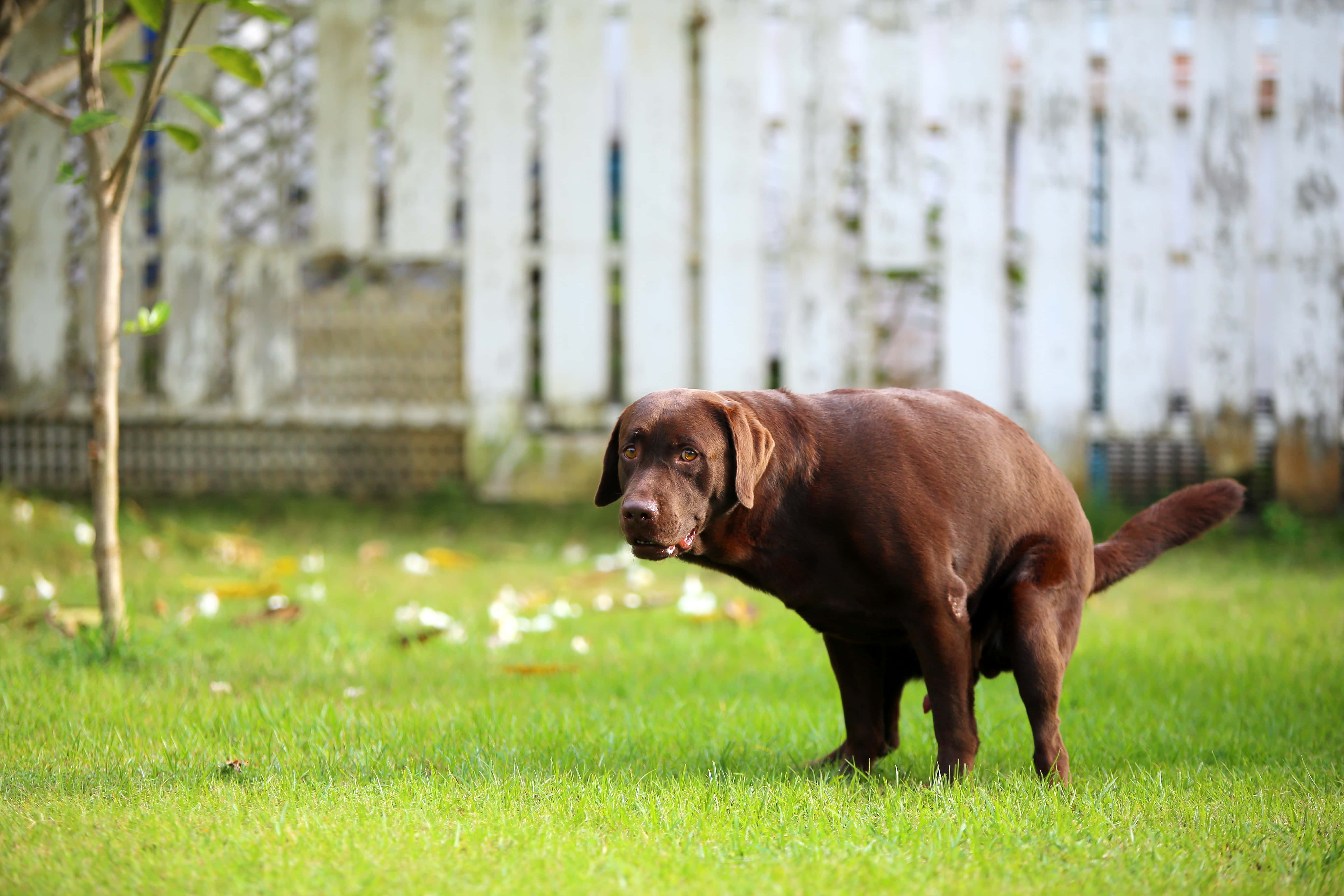
7. Accidents and Diarrhea
Just as humans tend to get an upset stomach when they are anxious, we’ve already ascertained that canines do as well. Your dog might have diarrhea or have accidents in the house due to the stress they are under.
8. Shedding
Stressed dogs tend to shed more often than average, also.
9. Show Compulsive Behaviors
One of the main ways to tell if your dog is stressed about something is if the dog develops a compulsive behavior that you can’t seem to get it to stop doing. If your dog is stressed, these behaviors can even become destructive. Below, we’ll list a few of the most common compulsive behaviors in nervous dogs.
- Licking themselves excessively
- Chewing objects compulsively
- Excessive barking
- Licking the floors and walls
If you see any of the signs of anxiety in your canine pal, it’s best to find out what the situation is that’s stressing them out. If you can’t find the cause and the dog doesn’t get better or worsens, schedule an appointment with your vet.

What Are the Types of Stress in Dogs?
Dogs tend to suffer from three types of stress: anxiety, fear, and phobias.
How Do You Help Your Dog with Stress?
The best way to help your dog with stress is to remove the source. However, that’s not always possible. You can’t control thunderstorms, fireworks, or even sudden loud noises. One of the best things you can do is avoid stressful situations. For example, don’t take your dog to the fireworks show, and have a safe room for the dog to be in away from loud noises or when there are thunderstorms on the horizon. If you know that someone or something stresses your dog badly, have a safe place for the dog when that person is in your home.

While the barking, chewing, and diarrhea can seem aggravating and overwhelming, keep in mind how your dog must feel to have these problems and exhibit this behavior. Don’t yell at or physically punish your pet for being stressed, as this will worsen the situation, and it won't be long until your pet is scared of you.
If all else fails, you can talk to your vet about giving your pet anti-anxiety medication. Your dog's health issues, age, and triggers will determine the type of medicine and dosage. It’s important to remember that anti-anxiety medicine is sometimes a lifelong treatment; if the dog goes off the medication, the anxious behavior can return.
Having a pet means cleaning up smells, stains, hair, vomit, and more...and you can add to your pet clean-up routine with the Hepper Advanced Bio-Enzyme Pet Stain & Odor Eliminator Spray.

- ADVANCED ENZYMATIC CLEANER - Penetrates the most stubborn smells and stains at the deepest molecular levels to dissolve any pet mess you encounter and lift it away at the source.
- FOR ANY MESS, ON ANY SURFACE - This pet odor eliminator cleans your carpets, floors, furniture, fabrics, and more. Whether it's urine, feces, vomit, or drool, you can erase all foul spots and smells!
- FRESH, NATURAL ODOR - Our unique formulation doesn't rely on dangerous or unpleasant chemical fragrances to get the job done. We eradicate smells and stains, not just cover them up.
It's our product, and we love it so much, we just have to share! It permanently removes the very worst smells and stains, and we offer a 100% satisfaction guarantee!
Final Thoughts
Dogs, just like their pet parents, can get stressed and have diarrhea because of it. If you see any of the signs of stress in your dog, you can try the tips we listed above. However, if the anxiety worsens, along with other troubling signs, such as diarrhea, it’s best to contact your vet. For severe cases of stress, some veterinarians may recommend a veterinary behaviorist to help your pet.
See Also:
“Sources”
Featured Image Credit: Istvan Csak, Shutterstock
Get Hepper In Your Inbox


Pet care tips from our vets and experts, straight to your inbox.
You may opt-out at any time. View our Privacy Policy for more information.
Patricia is a pet and coffee writer and a published author under the pen name Skylar McKinzie. When she isn’t writing, Patricia enjoys spending time with her two cats and dog. Since she was a young child, she has been a pet lover and enjoys nothing more than cuddling with her pets, Mystery, and her two cats, Binx and Link. Mystery has been with her family since the day she was born, as has Link. Binx was found under the house as a kitten, taken inside, and has been a part of the family ever since. Patricia loves sharing her knowledge of animals and finds joy in helping out at the local rescue shelter whenever she can.
Join the conversation
Ask a question, share your story, or send private feedback.