Hepper is reader-supported. When you buy via links on our site, we may earn an affiliate commission at no cost to you. Learn more.
Can a Dog Die from Separation Anxiety? Our Vet Explains

In this article
The bond between a dog and their owner is something very special. Not only do we see our pooches as our best friends, they often see us as their entire lives, with everything revolving around us. This might sound sweet or endearing, but for some dogs, this reliance on human companionship can lead to serious problems. Separation anxiety describes the situation where dogs become severely stressed by the absence of their human companion, even for just a short period of time. It may manifest as panting, pacing, whining, destructive behavior or even self mutilation such as overgrooming or chewing.
This stressful behavior is heartbreaking to witness, but can a dog die from separation anxiety? In the majority of cases, the answer is no, but it can lead to behaviors that can be dangerous to your pet or put strain on dogs with pre-existing health issues such as respiratory or heart problems. Let’s learn a bit more about separation anxiety and how you can help alleviate the signs, or prevent them from happening at all.

What Is Separation Anxiety?
People may describe their pets as having separation anxiety when there are other things taking place. Dogs that are vocal or destructive when left alone may be bored or frustrated or even lonely, but true separation anxiety occurs when a dog experiences severe, debilitating distress when either
- they are left alone, or
- their primary person or people leave.
Dogs that are strongly bonded to one or a few people may experience separation anxiety in their absence, even if there are other people still present.
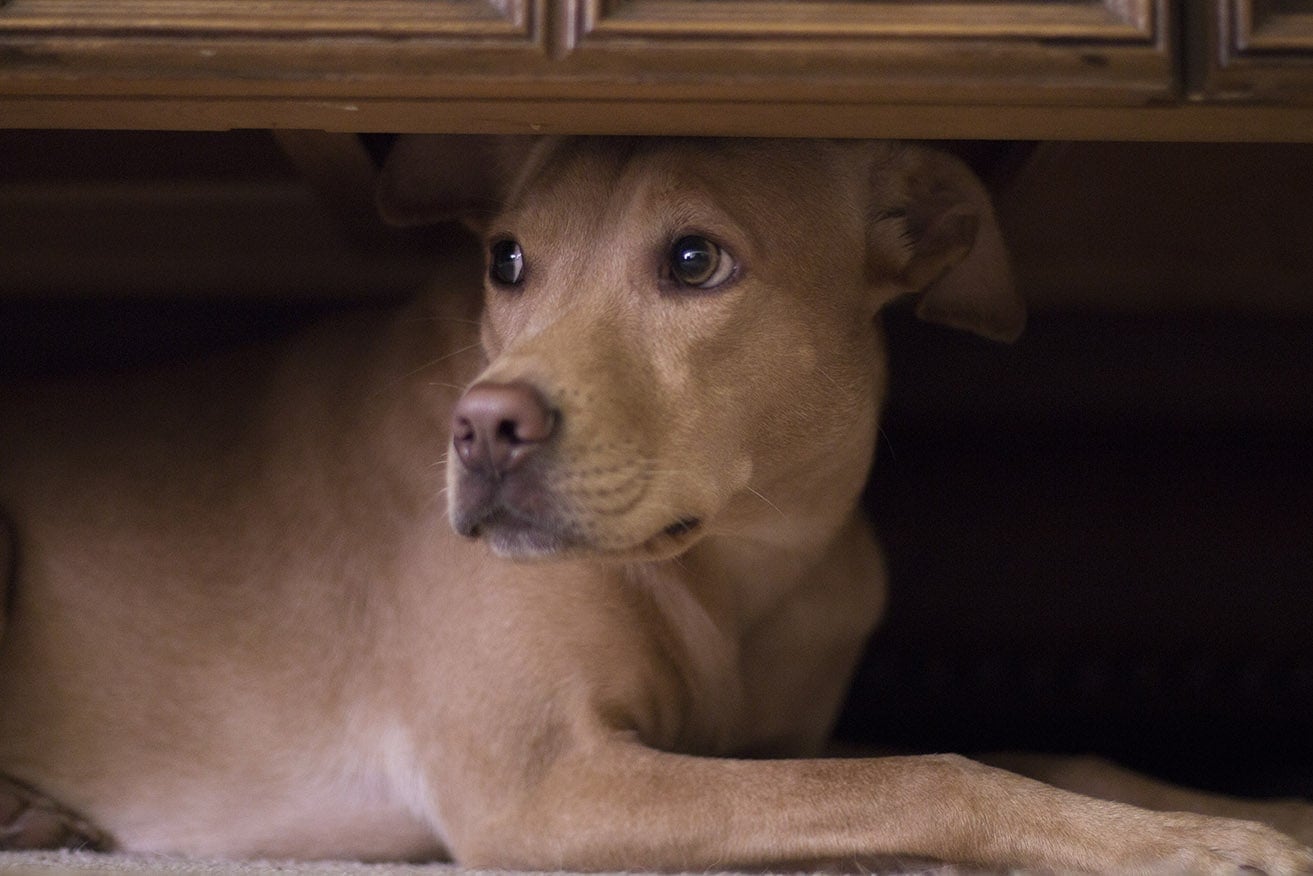
If you’re not sure if your dog is suffering from separation anxiety, using cameras to record them while you are absent is the best way to determine if they truly have this condition. A dog that is just bored or frustrated will typically appear calm, happy or excited whilst ransacking your house. A dog that has anxiety will appear terrified that you are gone. They will whine, cry, and even shake. Their tail will be down, and they may dig at the door you left through. Some dogs urinate and defecate out of fear when their owners leave. When this type of behavior takes place and doesn’t let up, it’s best to reach out to a veterinarian for assistance.
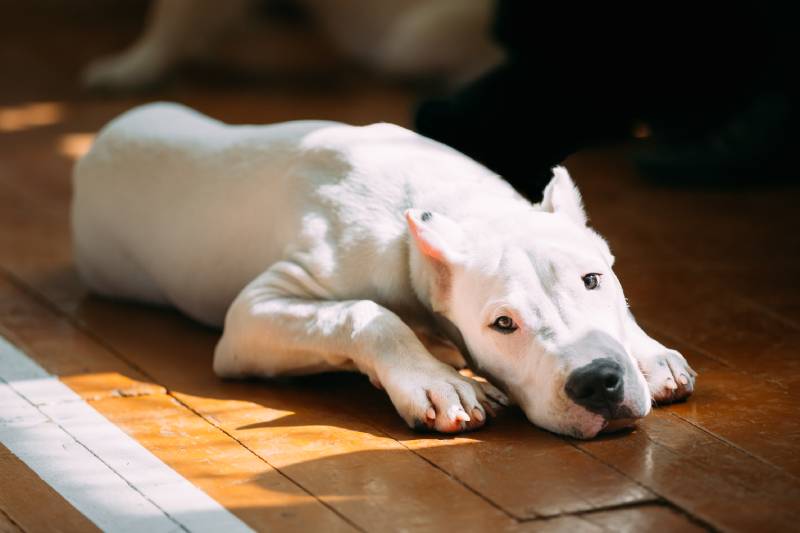
Can Separation Anxiety Kill a Dog?
The anxiety itself will not kill a dog, but the things a dog does when they are suffering from separation anxiety can. Often, when dogs are dealing with separation anxiety, they attempt to escape the house in hopes of finding their owner. This increases their risk of injuring themselves in the process of escaping, or getting hit by a car or getting hurt in other ways while outdoors.
Dogs suffering from separation anxiety may chew or dig through materials that could be harmful, or even damage electrical wires. They may ingest substances that could be toxic or cause an intestinal obstruction. Some dogs may refuse to drink which, with the addition of panting and pacing, could lead to them becoming dangerously dehydrated.
Dogs with health conditions like heart disease or respiratory problems have the highest risk of fatality from separation anxiety. Extreme stress and the behaviors that ensue can put serious strain on compromised hearts and lungs, so if this applies to your dog, a discussion with your vet is essential.

How to Help a Dog With Separation Anxiety
The first thing you should do if you think your dog is suffering from separation anxiety is speak to your veterinarian. They will give you tips to help your pooch and even recommend any medications or supplements they feel are needed. Once you’ve done that, here are a few other tips you can try to help your anxious dog.
1. Work on Triggers
Most likely your dog knows when you’re about to leave. This is because we often follow the same routines when we are getting ready. To help your dog calm down, you can try to desensitize them to these triggers.
For example, if your dog starts getting nervous when you put your shoes on, try to desensitize them to this activity. Choose a day when you can be home all day with your dog. Put your shoes on, walk around, then take them off. Do this several times so your dog doesn’t instantly associate the shoes with your departure.
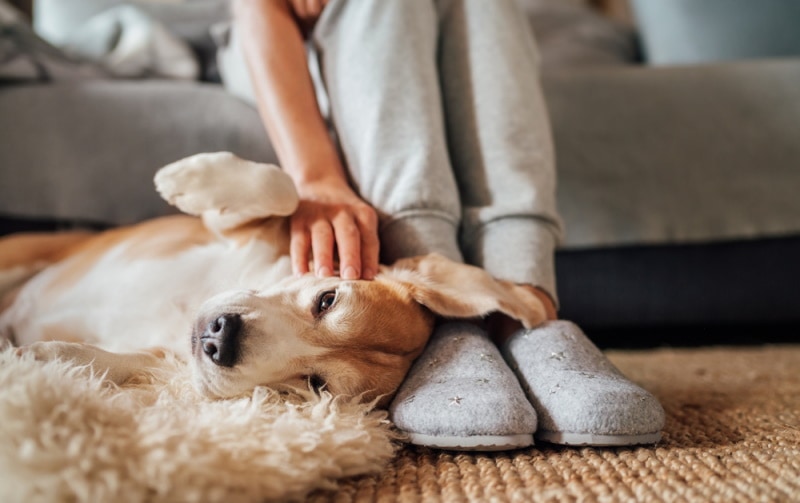
2. Desensitize Your Dog to Your Departure
Once the triggers are under control a bit better, try to work on the actual leaving part. Go to your door several times acting as if you’re leaving. Instead of going, come back and sit down to trick your pup. As your dog calms down to this action, move on to opening the door, then closing it. You can take your time with each of these situations until your dog doesn’t panic when you step outside.
3. Reward Your Dog
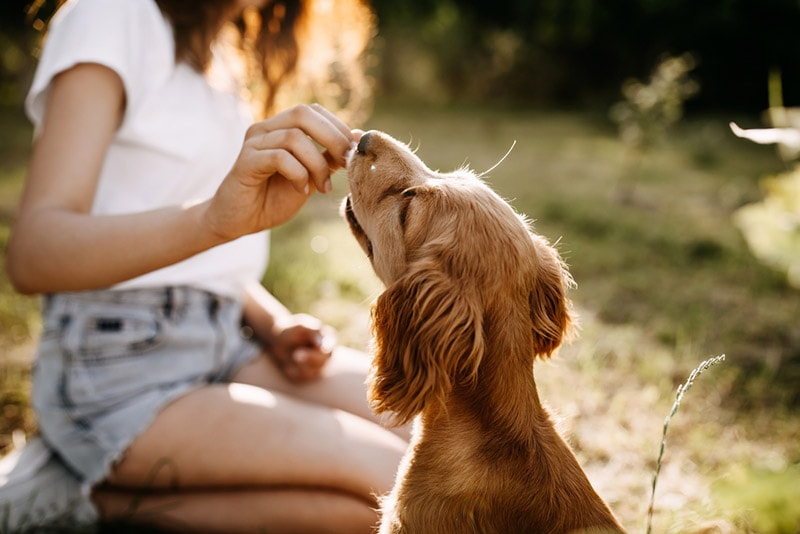
The most important thing to remember is that your dog should be rewarded when they do something good. This is especially true when working on their separation anxiety. Always reward your pooch when they show improvement with their anxiety. This helps them associate feeling calm with being rewarded.
4. Avoid Accidental Reinforcement of Anxiety
It is extremely common (and natural) for us to want to comfort, soothe and reassure our stressed pooch, but this will actually reinforce their stress and anxiety. By providing comfort, we are essentially telling the dog that they are good and right for being stressed, and that we are stressed and anxious too. Ignoring the problematic behaviors and rewarding calm ones will go a long way towards reducing separation anxiety. If they see that we are not worried about leaving them, they will tend to feel less worried too.
Another way in which we can accidentally reinforce separation anxiety is by having big hellos and goodbyes. This highlights our departure and return to our dogs as significant, heightening the anxiety around these events. When leaving the house, try to do so with minimal fuss and interaction, and when returning home, try to ignore your dog for the first few minutes, only greeting them once they have calmed down.
Preventing Separation Anxiety
As the saying goes, prevention is better than cure, and this is particularly true when it comes to separation anxiety. Dogs that suffer from this condition are often highly sensitive, loving, and strongly attached to their owner or family. Dialing back our affection for our dogs is probably one of the hardest pieces of advice to follow, but it is also vital in allowing our pets to feel an appropriate level of confidence and independence in our absence.
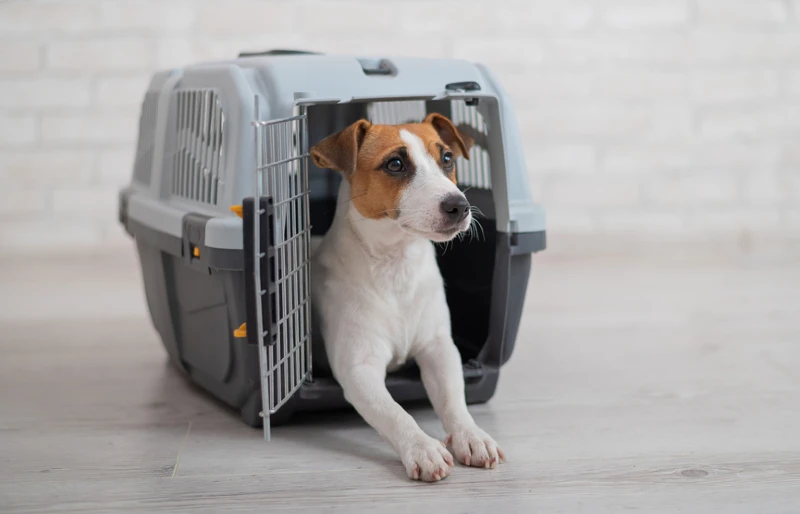
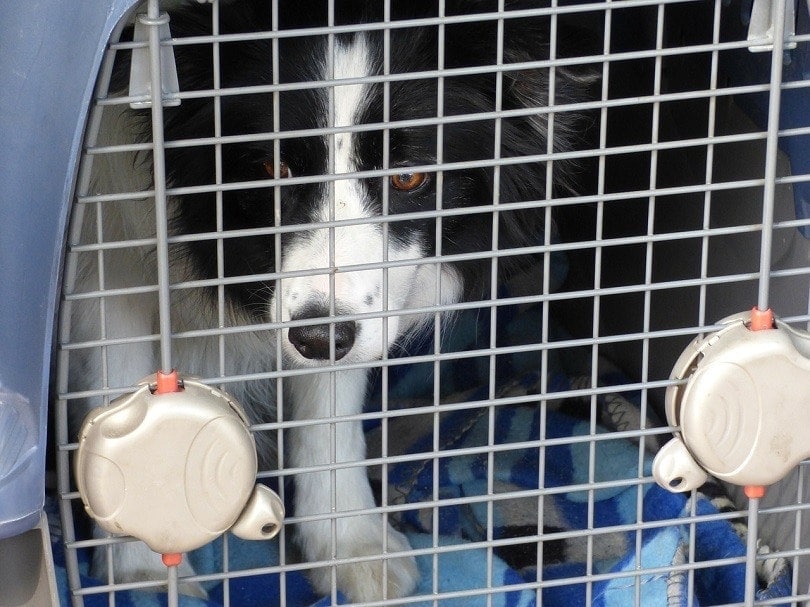
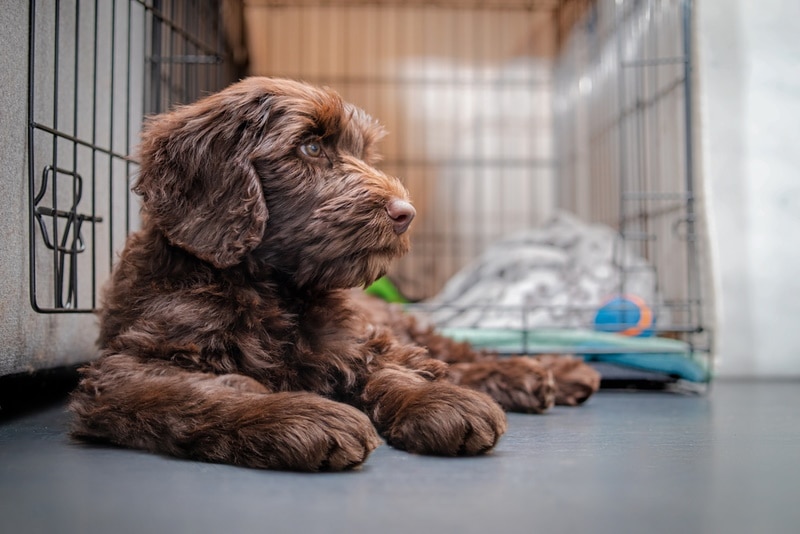
If you have a new puppy, get them used to being alone from a young age so it is a normal part of their day. Using a crate or small room is the safest way to allow them to be left alone for periods of time (ideally 3-4 hours) without getting into mischief. As we mentioned above, avoid enthusiastic hellos or goodbyes as these can lead to unhealthy associations with people coming and going.
Of course, we are not suggesting that affection is a no-no! But be mindful that when the bond between human and dog is very strong, it becomes harder for them to cope when we are not around. Give them all the love in the world, but also give them space and independence so that their world does not fall apart when you walk out the door.
Conclusion
Separation anxiety is a common and distressing condition seen in dogs which, in severe cases, can lead to injuries, illness or the exacerbation of pre-existing health problems, but rarely death. It is important to differentiate true separation anxiety from behaviors of boredom, frustration or loneliness, as these will need to be managed quite differently. Separation anxiety can be reduced or even prevented by encouraging your dog to feel confident and content in your absence, and by reducing the significance of our comings and goings.
In more severe cases, medications or supplements may be needed to help treat your dog’s condition, so it is wise to reach out to your vet.
Featured Image Credit: Pixel-Shot, Shutterstock
Get Hepper In Your Inbox


Pet care tips from our vets and experts, straight to your inbox.
You may opt-out at any time. View our Privacy Policy for more information.
Karyn has lived in the UK for the past 10 years after moving from Queensland, Australia. In 2010, she graduated from The University of Queensland School of Veterinary Science, and also holds a Bachelor’s degree in Zoology. Karyn is passionate about using evidence, experience, and owner collaboration to provide the best solutions for pets, and believes in making reliable information about animal health accessible to all. She shares her home with 5 cats, 4 dogs, and 1 husband, and when she is not practising as a veterinary surgeon, she spends her time writing, gardening, and cleaning up pet hair!
Karyn comes from Queensland, Australia, but has lived in the UK for the past 10 years. She is passionate about using evidence, experience, and owner collaboration to provide the best solutions for pets, and believes in making reliable information about animal health accessible to all.
She shares her home with 5 cats, 4 dogs and 1 husband, and when she is not practising as a veterinary surgeon, she spends her time writing, gardening, and cleaning up pet hair!
Education
In 2010, Karyn graduated from The University of Queensland School of Veterinary Science and also holds a Bachelor’s degree in Zoology.
Experience
Dr. Kanowski has worked in small animal practice, both in Australia and the UK, and she will be very happy if she never has to see another post-Brexit Animal Export Certificate again! Karyn has special interests in acupuncture and canine behavior and loves challenging surgical cases.
Join the conversation
Ask a question, share your story, or send private feedback.